INDEPENDENT AUTOMOTIVE NEWSGLOBAL PERSPECTIVE / AUSTRALIAN EDITION
TDCNTHE DAILY
CAR NEWS.

The road ahead.
Every day.

RSS ↗
Latest/Industry

331 original articles

Industry / TDCN ORIGINAL

Mercedes-Benz pushes US GLC production start to May 2030

The next-generation GLC was due to be built in Alabama from late 2027, so the revised date keeps a large share of US-market cars on EU import duty for longer.

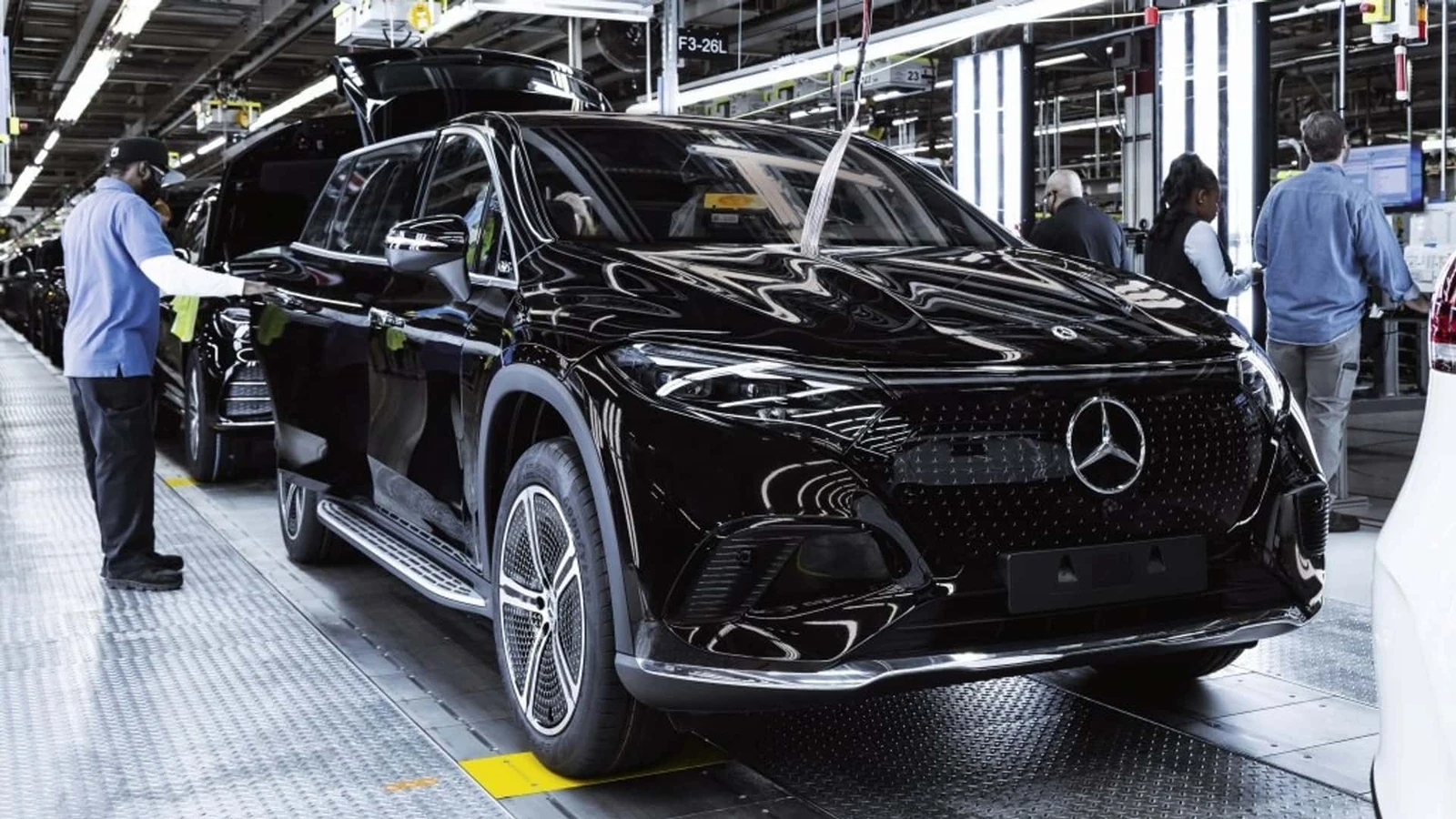
Image: Motor1

Mercedes-Benz has moved the start of next-generation GLC assembly at its Vance, Alabama plant from late 2027 to May 2030, a delay of roughly thirty months. The company confirmed the new date, telling Motor1: "Production has been rescheduled for May 2030".

Automotive News first reported the change, citing people familiar with the automaker's planning, and Mercedes has not publicly explained what drove it.

What changes at Vance

The original plan had the next-generation GLC rolling out of Alabama in the fourth quarter of 2027. That target is gone, replaced by a start date more than thirty months later.

The delay applies to the next-generation model, not to every GLC sold in the US. The current GLC already appears on plant lists for Vance alongside the GLE, GLS and the electric EQE and EQS SUVs, so at least part of US GLC output is already localised.

In spring 2026 Mercedes and state officials announced roughly $4 billion in new investment for the Vance operation tied to future SUV programmes, explicitly naming the GLC alongside updated GLE and GLS models. Once the expanded GLC line is running under that plan, the site's annual output is expected to top 280,000 vehicles a year.

Mercedes expects to build around 50,000 GLCs in the first 12 months of the new US line, though it has not tied that figure to a specific calendar year. Vance has built Mercedes SUVs since the 1990s, and the three-year slip changes the timeline for the expansion rather than the decision to build the GLC there.

The tariff arithmetic behind the wait

Mercedes has not named a single cause for the rescheduling, and the reporting available stops short of one. The practical effect is clearer: while the expanded Alabama capacity waits until 2030, a large share of GLC volume for the US still has to arrive from Europe.

Those imports carry the 15 percent combined tariff now applied to passenger vehicles from the European Union under the current US-EU trade framework. For a model built in the hundreds of thousands annually, that exposure compounds with every model year the delay stretches on.

That matters because the GLC is a volume model, not a niche import. Each year the Alabama line stays dark is another year of duty paid on cars that were meant to be built stateside, which is the kind of recurring cost that shows up in pricing and specification decisions long before it shows up in a press release.

A US footprint that keeps growing, slowly

Mercedes continues to build other US-market models domestically: the EQE and EQS SUVs at Vance, and the Sprinter van in South Carolina. The company has not announced a revised timeline for any other model as part of this change, and it has not said whether the 2030 start could move again.

For buyers, the near-term GLC on sale in the US is unaffected by the rescheduling: the delay concerns when the next-generation car will be built in Alabama, not whether the current one is available. The question the announcement leaves open is how Mercedes sources the next-generation GLC for US customers between late 2027 and May 2030, and the company has not detailed that.
Open this article ↗
New cars / TDCN ORIGINAL

Cadillac F1 team owner Mark Walter seeks $3 billion sale, report says

No buyer has been named and no deal has closed, but the asking price reflects the roughly $1.45 billion already spent to put Cadillac on the grid.

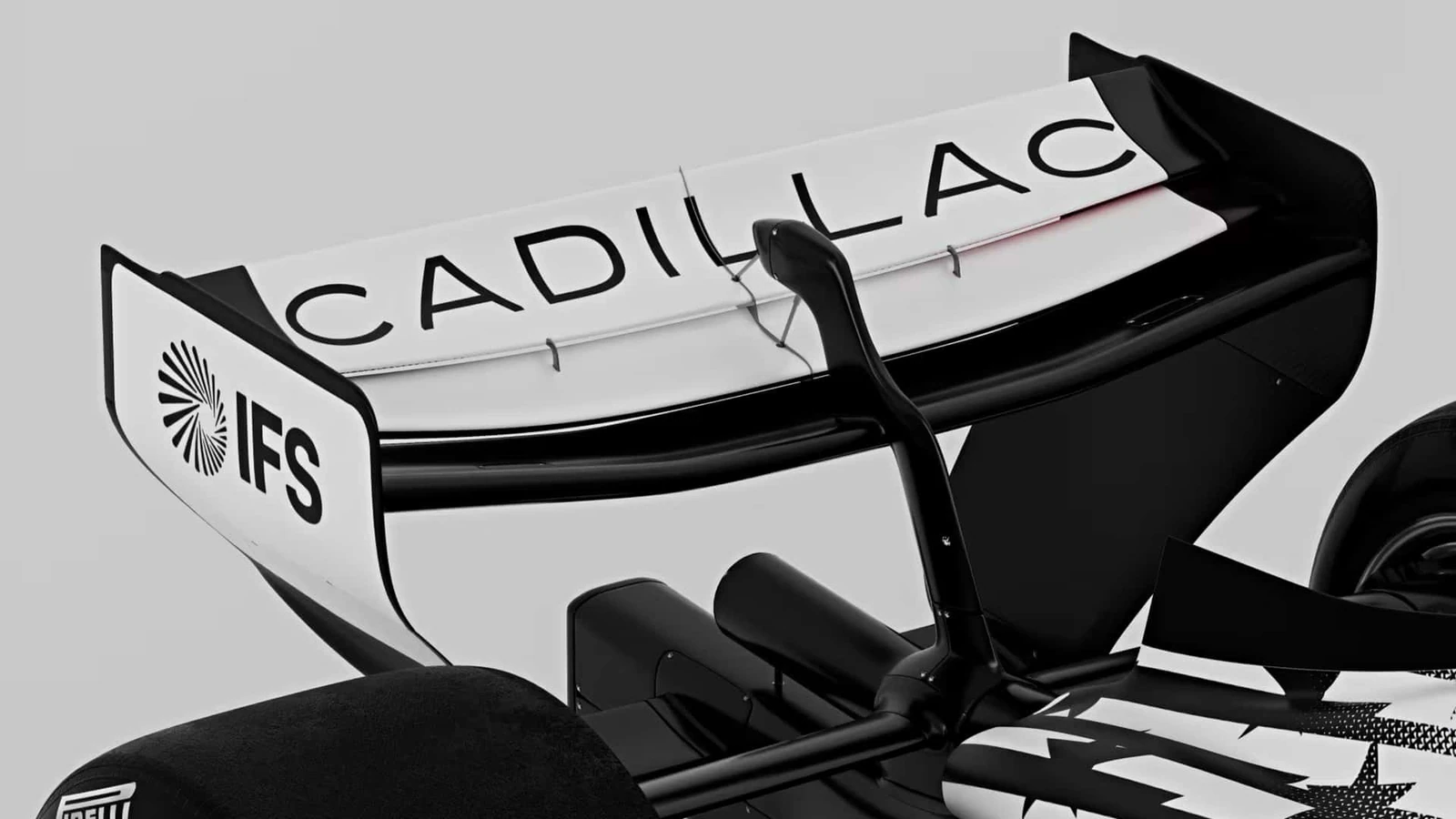
Image: Motor1

Mark Walter is shopping the Cadillac Formula 1 team for at least $3 billion, according to Sportico, which reported an active sale process rather than a completed transaction. No buyer has been named and no agreement has closed.

The team is run through TWG Motorsports, the division of Walter's TWG Global that controls the entry, with General Motors as co-owner. The split between the two owners has never been disclosed.

A sale process that contradicts August assurances

The reporting sits awkwardly beside TWG Global's own statements from August, when the company said it was not considering exiting its stake in the Cadillac Formula 1 team or any other part of TWG Motorsports. Walter went further at the time, telling reporters the team would be kept no matter what.

TWG Motorsports' portfolio also includes Andretti Global, Spire Motorsports, Wayne Taylor Racing and Walkinshaw TWG Racing. The current reporting indicates only the Cadillac F1 stake is on the table. Walter has separately sold his 13 percent stake in Chelsea and is seeking a buyer for the WNBA's Los Angeles Sparks.

Because the sale is reported by a single outlet citing unnamed sources, the process should be treated as unconfirmed until a buyer or agreement is announced.

One point on track and a $400 million loss

The timing lines up with a rough debut season. Cadillac has scored just one point so far in its first Formula 1 campaign.

The team is on pace to lose roughly $400 million this year, a figure tied directly to the cost of standing up a new operation from nothing. That is the number that makes the sale question sharper: a start-up team's losses land before any of the sporting or commercial upside does.

Where the $3 billion figure comes from

The asking price traces back to what it cost to get Cadillac onto the grid. TWG and GM paid a $450 million dilution fee to the other nine teams for the right to join, then put in at least another $1 billion to build the team from scratch.

Against those sunk costs, the price tag looks in line with the market rather than inventing a new one. The average value of an F1 team hit $3.42 billion last year, up 48 percent from the year before.

More than 20 parties have reportedly expressed interest, though people close to the process say fewer than seven have the capital to meet TWG's number. That gap between curiosity and real buying power is typical of a sale at this scale, and it helps explain why no transaction has materialised.

The technology case outlasts the ownership question

Whatever Cadillac's results on track, the business case has not gone anywhere. GM has already discussed sharing F1-derived technology with future performance models, a long-term payoff that exists independently of whether Walter keeps his stake or sells part of it off.

For buyers, that makes the team an engineering asset as much as a racing one. For GM, it means the technical rationale for the programme does not depend on who signs the cheques.

Open this article ↗

Keep scrolling to read the next story.

Older articles →