INDEPENDENT AUTOMOTIVE NEWSGLOBAL PERSPECTIVE / AUSTRALIAN EDITION
TDCNTHE DAILY
CAR NEWS.

The road ahead.
Every day.

RSS ↗
Latest/New cars

301 original articles

New cars / TDCN ORIGINAL

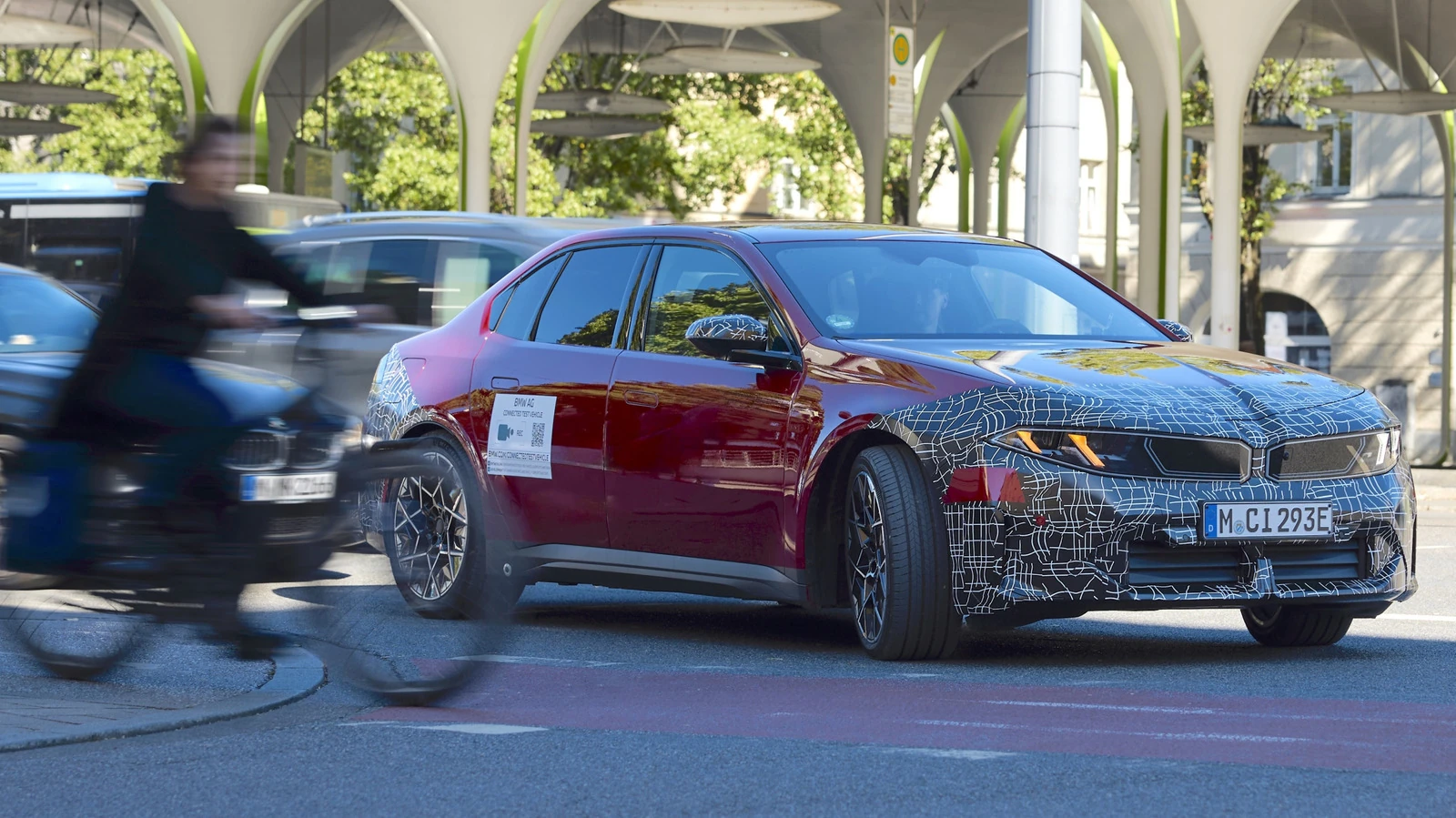
BMW's Symbiotic Drive brings hands-off city driving to Germany in 2027

The Level 2 system handles roundabouts and urban lane changes using hardware already fitted to the iX3, iX4, X5, 3 Series and facelifted 7 Series, activated by an over-the-air update.

Image: Carscoops

BMW will introduce a driver assistance system that can steer, brake and accelerate through city streets without the driver's hands on the wheel, starting in Germany in 2027. The software, called BMW Symbiotic Drive, adds urban lane changes, yielding to traffic with the right of way and roundabout handling to the company's existing Highway Assistant technology.

The hardware needed for the system is already installed in the latest BMW models, including the iX3 and iX4 electric SUVs, the new X5, the new 3 Series and the facelifted 7 Series. Each carries BMW's Panoramic Vision display at the base of the windshield, which shows the status of the assistance and the upcoming automated maneuver on the touchscreen.

How the system works and what it covers

BMW's current Highway Assistant can steer, brake and accelerate on highways, change lanes with hands off the wheel, and stop at red lights before pulling away when they turn green. Symbiotic Drive extends those abilities to urban driving when BMW Maps is active, and BMW says the combined capabilities allow a trip from a freeway network through country roads and into a city without touching the wheel.

The system is rated at Level 2 under the Society of Automotive Engineers framework, the same classification as Ford's BlueCruise and GM's Super Cruise. That means drivers must keep their eyes on the road even with hands off the wheel. A camera monitors attention, and if the driver is distracted the car reverts fully to manual control. So the technology eases the tedium of city driving without allowing commuters to scroll through their phones or finish a presentation.
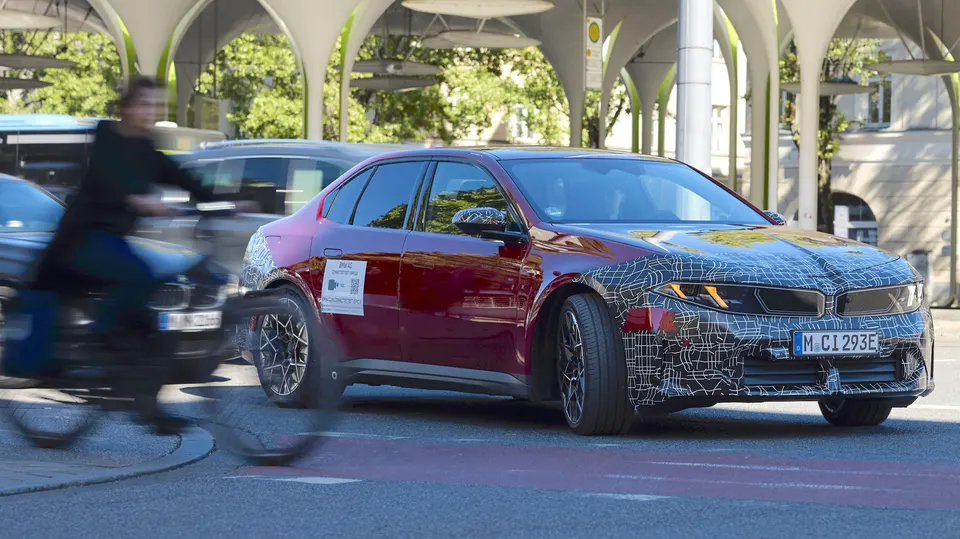
A camouflaged BMW test car navigates city streets, hinting at the hands-off driving tech under development
A camouflaged BMW test car navigates city streets, hinting at the hands-off driving tech under development, Image: Carscoops

Germany first, with other markets to follow

Germany is the first market confirmed for Symbiotic Drive, and BMW says other countries are slated to follow. The company has not named those countries or given a timeline for their launches, so the sequence and dates beyond Germany's 2027 start remain unannounced.

The hardware will be fitted as standard, but activating the system requires an over-the-air software update. BMW has not confirmed what that update will cost. It could carry an extra charge and may take the form of a monthly subscription, though the company has not explicitly said so. Until BMW publishes pricing, buyers should treat the cost of activation as unknown.

Why BMW is stepping back from Level 3

BMW has offered a Level 3 system before, as has Mercedes. Models such as the 7 Series and S Class, when optioned with the right equipment, let drivers hand off duties on select routes, allowing emails, Netflix and video games at 60 mph. Both automakers have temporarily pulled back from Level 3 because of the cost of the lidar equipment it requires and poor customer uptake.

BMW's bet is that the new Level 2 system will prove more useful to drivers while costing less money. That calculation is the more consequential part of the announcement: a hands-off system that works on more roads, in more situations, at a lower price point than lidar-dependent Level 3 tech may reach far more drivers than the highway-only conditional automation it replaces. For buyers of the listed models, the hardware is already in the car, which lowers the barrier to trying it once the software arrives.

What is still unknown

BMW has not announced pricing for the software update or subscription, the full list of countries that will follow Germany, or the timing of those launches. The 2027 date applies to the German market first.
Open this article ↗
Electric / TDCN ORIGINAL

Tesla driver tears charging cable off Model 3 in first filmed misuse of Emergency Drive Away

The Austin incident happened during F1 Grand Prix weekend, when the owner clicked through the warning prompts and pulled away still plugged in.

Image: Carscoops

A Tesla owner in Austin, Texas, drove away from a Supercharger with the cable still attached, ripping it off the car in the first widely shared video of an accidental use of Tesla's Emergency Drive Away feature. The incident happened during the Formula 1 Grand Prix weekend, at around 6 AM on the Sunday, according to the driver who filmed it.

What Emergency Drive Away is meant to do

Tesla added Emergency Drive Away to its cars through a software update, aimed at owners in the United States who need to leave a Supercharger in a hurry without unplugging first. The name sets the terms: it is intended for emergencies only, because pulling away while connected can damage both the car and the charging equipment.

The feature does not engage on a single tap. It activates only after warning screens and a required driver action, which is exactly where the Austin owner appears to have come unstuck.

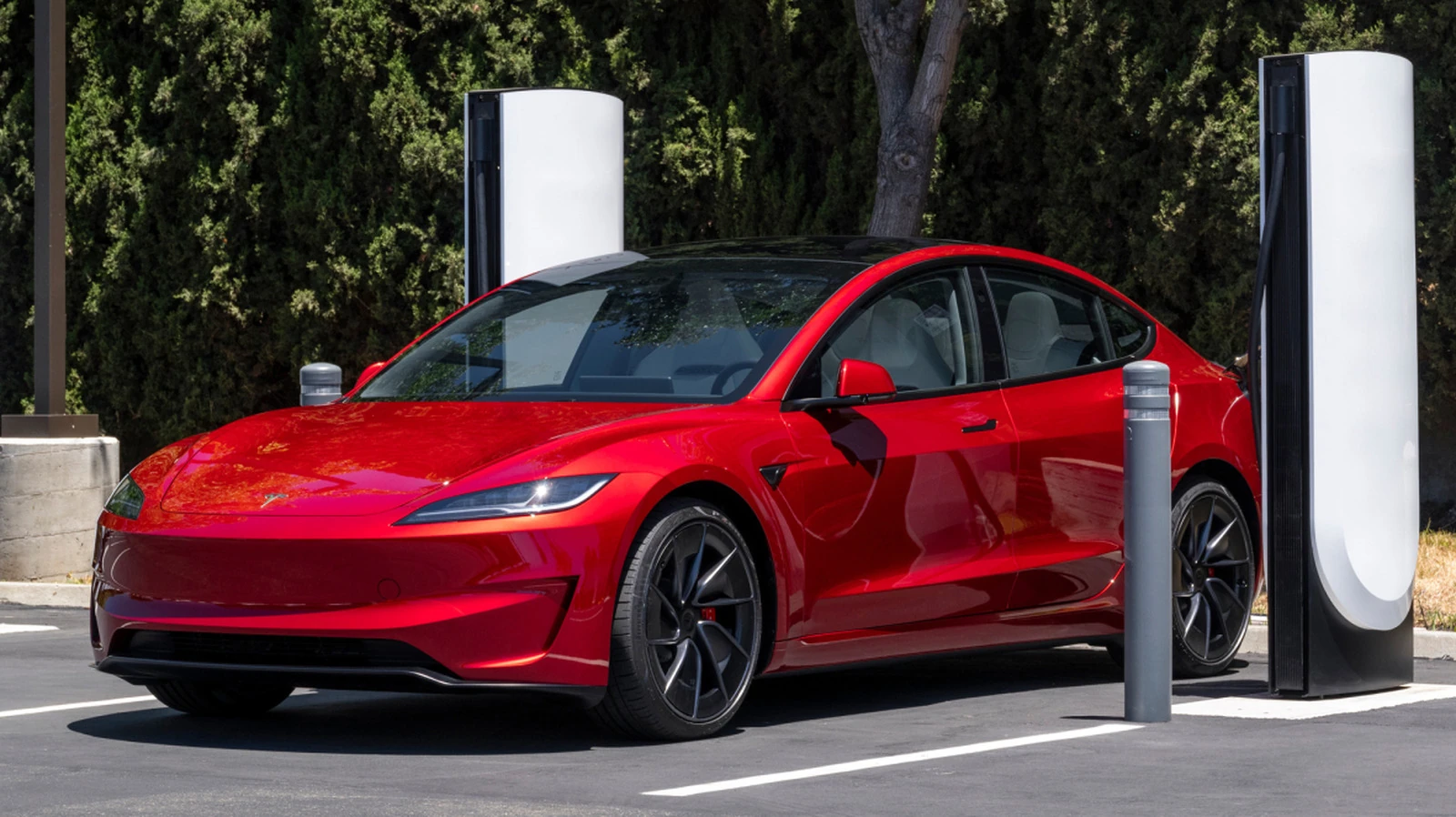
A Model 3 plugged in at a Tesla Supercharger, the setting where Emergency Drive Away is meant to spare drivers from being stranded.
A Model 3 plugged in at a Tesla Supercharger, the setting where Emergency Drive Away is meant to spare drivers from being stranded., Image: Carscoops

How the Austin incident played out

The car was a dark blue Model 3, captured by a Tesla charging in the neighbouring stall. The owner can be seen pressing buttons on the centre screen before the car moves off. It travelled only a few feet before stopping, but the cable was torn away in the process.

The driver then got out and clasped a hand to their forehead. The clip was posted to the TeslaLounge subreddit by Reddit user Joshalander, a Tesla owner, who wrote that the driver "looked exhausted and only seemed to half read the prompts".

Joshalander suggested Tesla add stronger safeguards against reflex tapping, such as flashing the whole screen red and sounding an alarm like the one used for the "take over immediately" alert in FSD and Autopilot, while keeping the feature fast for genuine emergencies. A commenter with an IT background called the mix-up "inevitable", noting how readily people click OK without reading.

That reflex is the obvious weak point of a feature built for speed. The prompts exist, but a driver rushing to beat traffic or escape a downpour is precisely the person least likely to read them, and the cost of a mis-tap lands on the car and the charger rather than the screen.

The penalty question

Tesla warns that deliberate misuse can carry penalties, and the sums involved are not trivial: repairing a Supercharger can cost up to $25,000, and the car needs a mandatory service visit to check and repair the charging port.

Whether the Austin driver was charged anything has not been announced. The report of the incident does not say whether Tesla billed the owner or waived the cost, so for now the penalty remains a warning rather than a confirmed outcome.

Why Tesla built it

Emergency Drive Away was developed shortly after the shooting in Twin Falls, Idaho, on August 1, 2026, in which people charging their Teslas were among the targets. That origin explains the feature's design priority: getting out of the stall matters more than protecting the hardware, and the software is tuned accordingly.

The trade-off is that the same speed that makes it useful in a crisis makes it easy to trigger by accident. Owners who want to avoid the Austin outcome have a simple routine available: read the screen before tapping OK, every time they plug in.

Open this article ↗

Keep scrolling to read the next story.

Older articles →