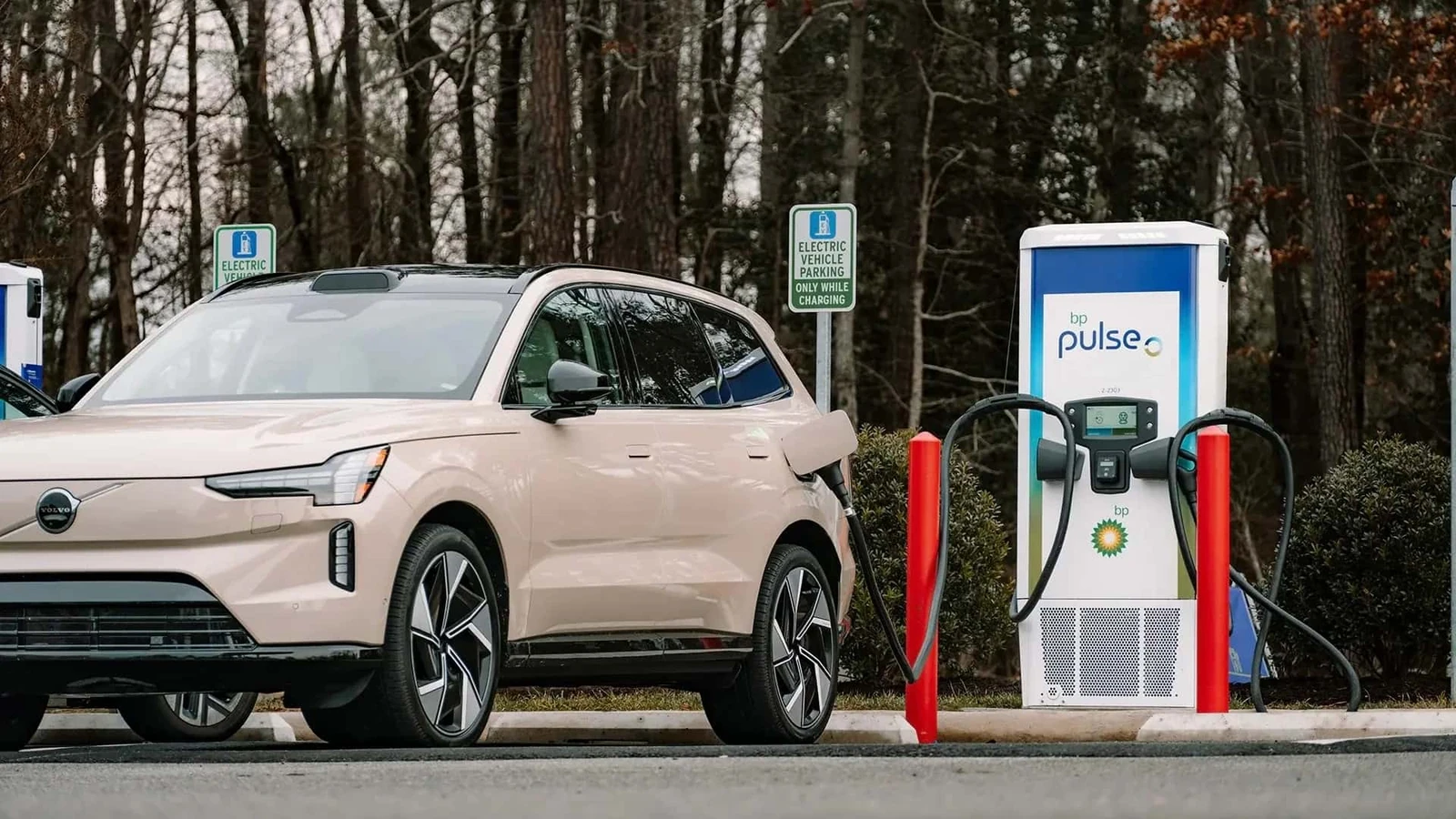
BP Pulse has integrated its entire United States charging network into ChargeHub's roaming ecosystem, letting drivers find, access and pay for its fast chargers through a single app rather than BP's own. The network covers 874 DC fast chargers, according to InsideEVs.
ChargeHub describes its Passport Hub ecosystem as the largest roaming network in North America, and it spans dozens of operators. BP Pulse's Sujay Sharma, VP of EV Charging, said the partnership expands access to the network through trusted roaming partners.
What drivers can do through the app
ChargeHub's app shows real-time information on available ports and their connector types, and it covers more than 40 operators across the United States and Canada for finding and paying for sessions. A further 70-plus networks, among them Tesla, Ionna and Electrify America, can also be located through ChargeHub.
BP Pulse's hardware is mixed. Roughly a third of its 874 fast chargers carry a Tesla-style NACS connector, most stalls use CCS1, and some have CHAdeMO plugs. On-site credit card readers mean an app is not strictly required, though planning a stop is easier with one. Plug & Charge is supported only on Ford and BMW vehicles, and only the fastest stalls have it enabled.
Charger speeds, station sizes and pricing
The network uses three charger types: Tritium units up to 150 kW, ABB dispensers at 180 kW and Alpitronic stalls at 400 kW. Station size ranges from two stalls at the smallest sites to 48 at the largest, in Inglewood, California, according to DCFC Tracker. Pricing runs from $0.33 to $0.65 per kilowatt-hour.
The practical effect for drivers is fewer apps and accounts to juggle on a long trip. Roaming deals like this one matter most on routes where a single brand's footprint thins out, because the value is in finding and paying at a stall without first working out whose network it belongs to.
Why roaming deals are spreading
Sharma framed the tie-up as part of a broader push: "Charging networks working better together benefits the entire EV ecosystem and is an important step toward accelerating EV adoption".
The catch is that roaming solves discovery and payment, not availability. A driver still competes for the same 874 ports, and connector type and charging speed still vary from site to site, so the app shortens the paperwork rather than the queue.