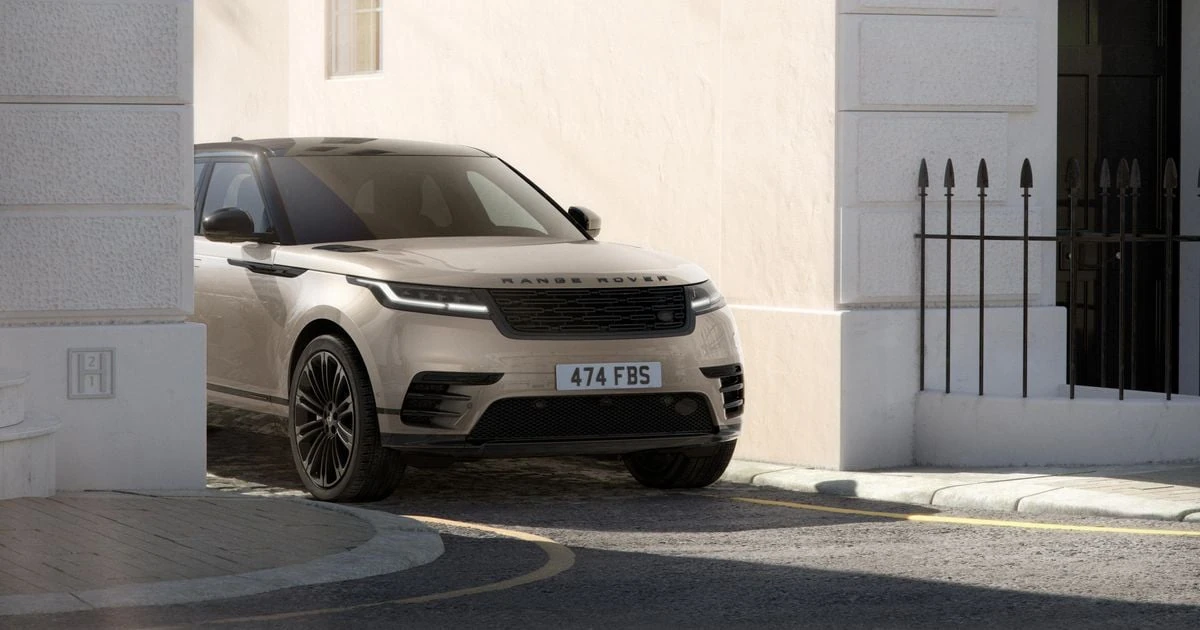
Production of the Range Rover Evoque and Range Rover Velar will stop by the end of 2027, and neither model will get a direct successor, Range Rover brand managing director Martin Limpert has confirmed to Autocar.
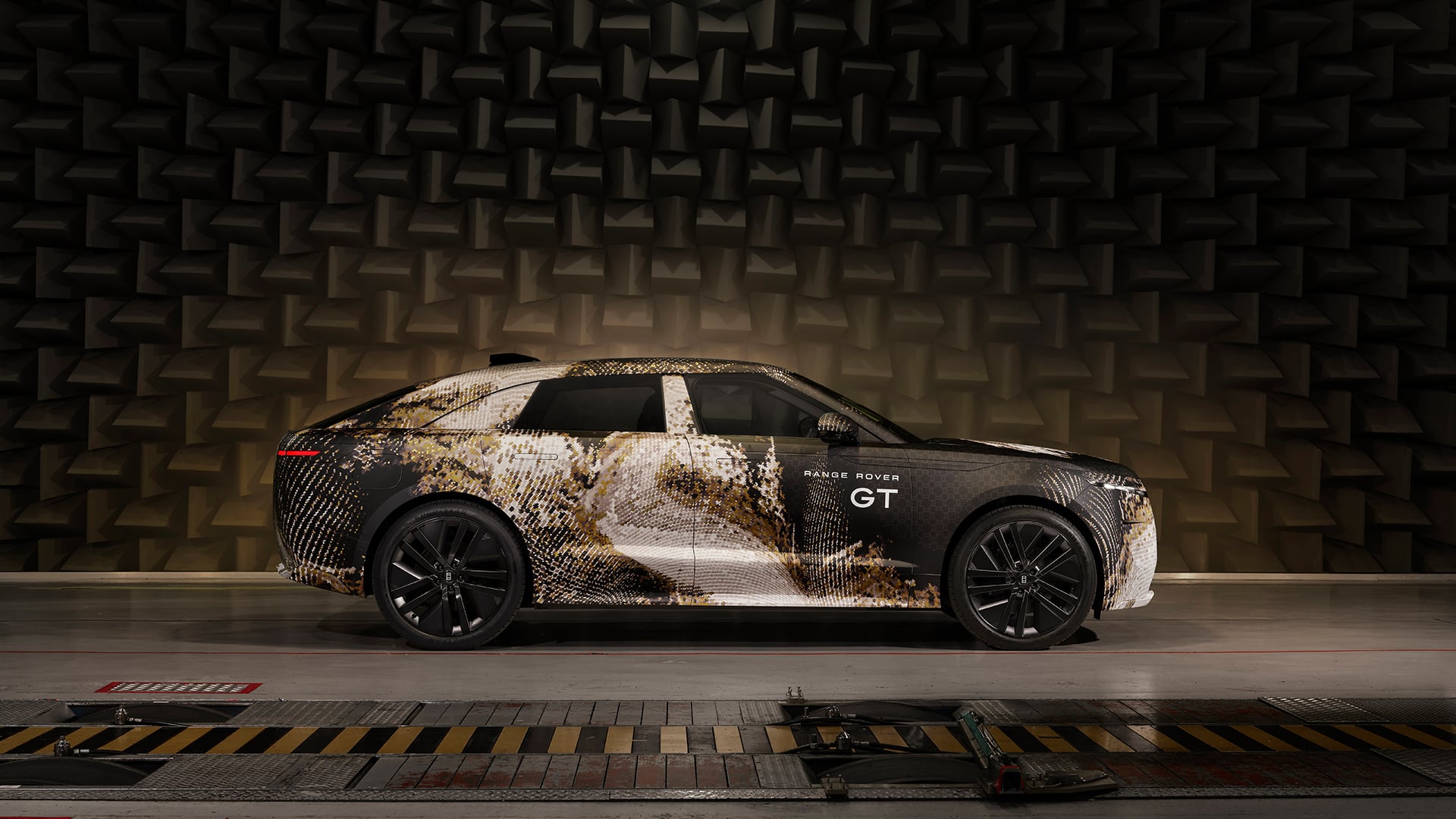
Instead, the two SUVs will be indirectly replaced by the GT, a new Range Rover that the company is positioning as its most car-like and sedan-like model yet.
No third-generation Evoque or second-generation Velar in development
Limpert told Autocar that JLR is not developing a third-generation Evoque or a second-generation Velar, which is why both current vehicles will simply run out of production rather than be replaced in kind.
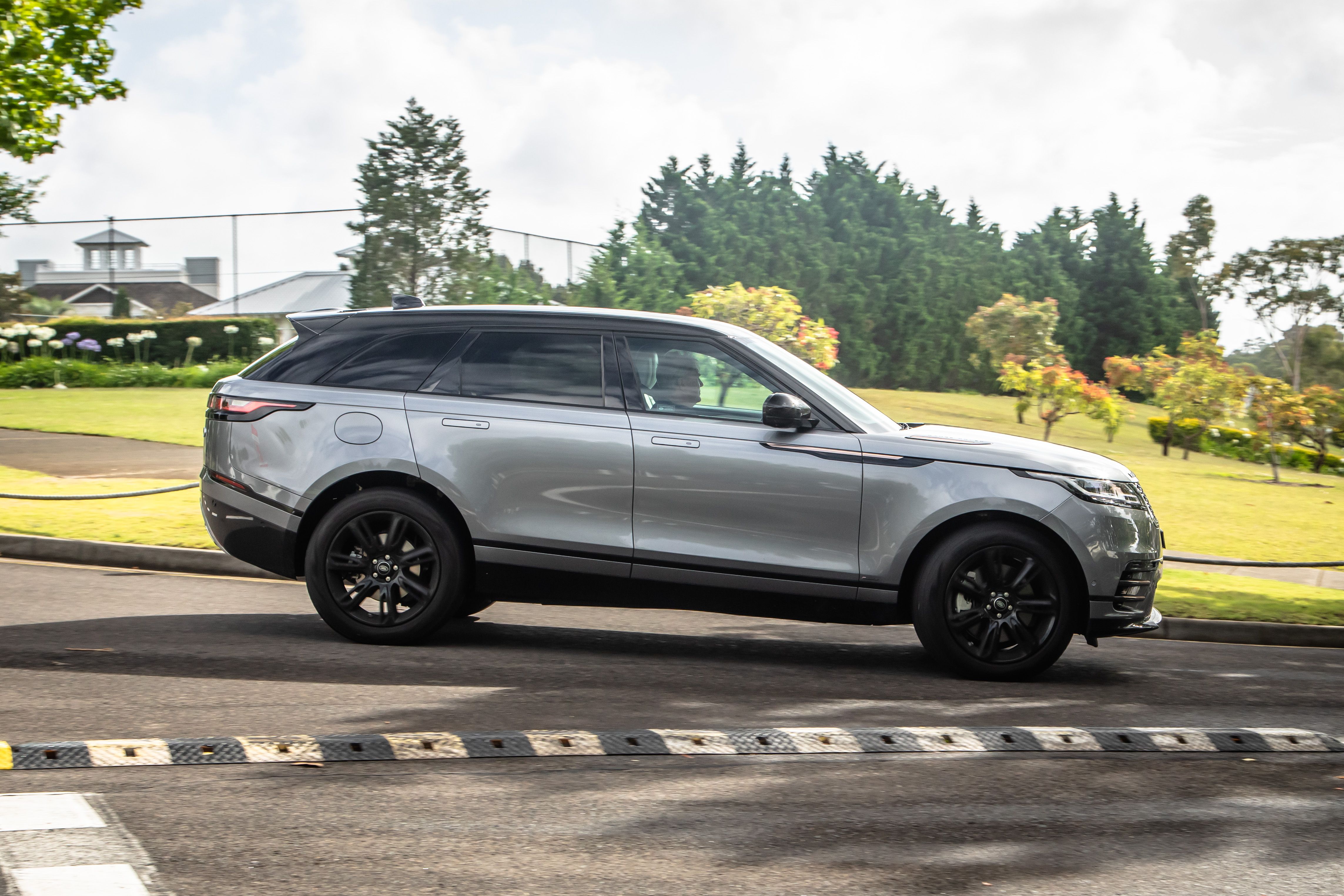
The pair are the cheapest models in the Range Rover range by a wide margin. In New South Wales, drive-away pricing for the 4.37m-long Evoque starts at $97,917, while the 4.8m Velar begins at $116,292.
The next rung up is a big jump: the 4.95m Range Rover Sport starts at $169,107 drive-away in NSW, and the full-size Range Rover begins at $308,337. Losing the Evoque and Velar therefore removes the two models that have carried the bottom of the Range Rover price ladder.
GT to arrive first as an EV, with hybrid to follow
The GT will be launched first in electric form, which Autocar understands will be priced from around £100,000 in the UK, equivalent to about A$192,000. A hybrid version is said to bring the starting price down to around £90,000, or roughly A$173,000.
Those figures come from Autocar's reporting rather than a confirmed JLR price list, so they should be treated as an indication of where the GT will sit rather than a final number. If they hold, the hybrid GT would be about £13,000 (around A$25,000) more than the base Range Rover Sport.
The GT is built on JLR's new Electrified Modular Architecture, an EV-first platform that also supports hybrid drivetrains. Range Rover has teased the exterior, showing a very steeply raked rear end and a low ride height, and has revealed the interior in full.
That combination explains the positioning: the GT is meant to be the most car-like Range Rover yet, which is a different proposition from the high-riding Evoque and Velar it effectively supplants. Buyers who liked the smaller SUVs' footprint and price will not find a like-for-like replacement in the showroom.
House of Brands pushes Range Rover upmarket
JLR is reportedly keen to raise the cost of entry to the Range Rover range to keep the marque upmarket and exclusive, as part of its House of Brands strategy. That strategy splits Land Rover into three separate marques: Defender, Discovery and Range Rover.
Under the split, Defender and Discovery are intended to cover the volume end of the market that the Evoque and Velar currently serve. The soon-to-be-unveiled Defender Sport will become the company's entry-level model, offered with hybrid and electric drivetrains, and it will also act as a replacement of sorts for the Discovery Sport, which ceases production in December 2026.
That matters for buyers because the cheapest way into a Land Rover group SUV will increasingly be a Defender rather than a Range Rover. The Evoque and Velar owner trading up will be pointed toward the GT, while the buyer watching the budget will be pointed toward the Defender Sport.
What is still unconfirmed
JLR has not announced Australian pricing or a local on-sale date for the GT, so the UK figures reported by Autocar are the only guide to where it will sit. Timing for the GT's launch has likewise not been detailed beyond the expectation that the electric version arrives first, followed by the hybrid.
For now, the confirmed facts are the end-of-2027 production cutoff for the Evoque and Velar and the decision not to build direct replacements. Everything about the GT beyond its platform, its teased exterior and its revealed interior rests on Autocar's reporting and should be read as unconfirmed until JLR publishes full specifications and pricing.