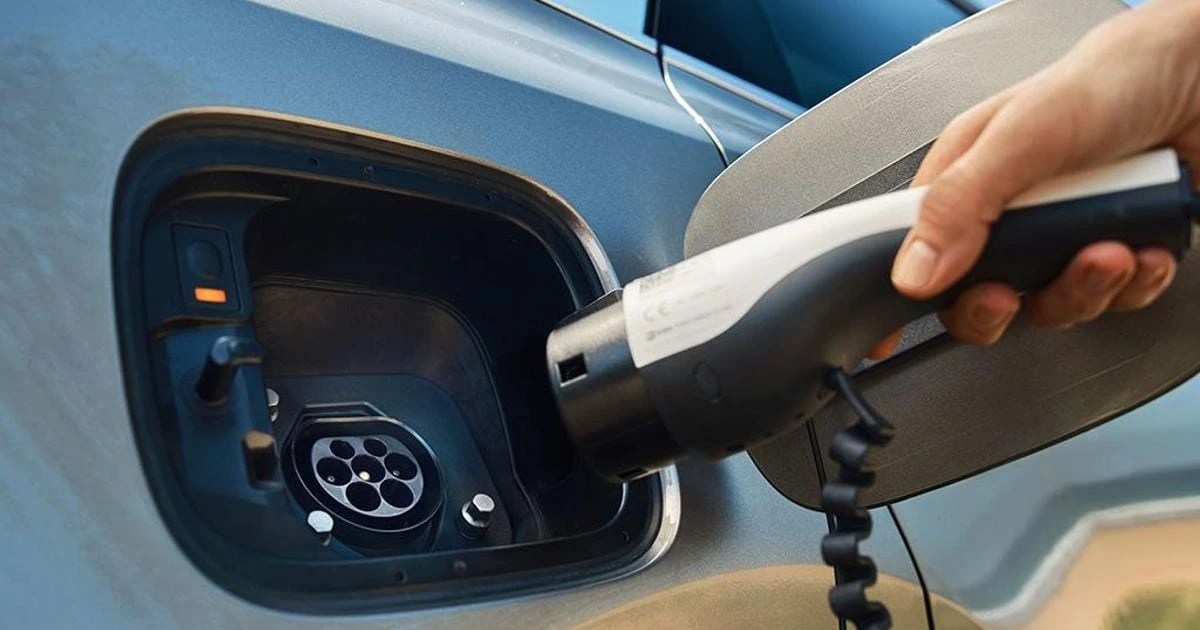
INDEPENDENT AUTOMOTIVE NEWSGLOBAL PERSPECTIVE / AUSTRALIAN EDITION
TDCNTHE DAILY
CAR NEWS.

The road ahead.
Every day.

RSS ↗
Latest/Australia

304 original articles

Australia / TDCN ORIGINAL

Kia Australia keeps PHEV and range-extender hybrids on its wishlist, but confirms nothing yet

Kia's local product planning boss says more plug-in hybrids and EREVs are under study, though the current EV and hybrid mix already earns NVES credits.

Kia Australia has not ruled out adding more plug-in hybrid models, or range-extender electric vehicles, but says nothing is confirmed and its existing electric and hybrid range is already keeping it in credit under the Federal Government's New Vehicle Efficiency Standard (NVES).

The brand's local arm currently sells just one PHEV, the Sorento large SUV, alongside hybrid and turbo-diesel versions of the same vehicle.

What Kia Australia is saying

Raymond Pok, Kia Australia's senior manager for product planning, said the company is "always looking at more electrified and more green powertrains across all model lines with R&D", including range-extender hybrids as well as plug-in hybrids.

He framed the current line-up as a deliberate balance: a strong EV range plus hybrids of the Seltos, Sportage, Sorento and Carnival, which he said puts Kia in a "good credit position" against the NVES.

"Nothing we can confirm at this point in terms of any of those powertrain types," Mr Pok said, adding that the options are "definitely on our wishlist" and are assessed model by model at facelift or full model change milestones.
Kia's Australian lineup already includes electrified SUVs like this Sorento, but PHEV and range-extender variants remain under consideration.
Kia's Australian lineup already includes electrified SUVs like this Sorento, but PHEV and range-extender variants remain under consideration., Image: CarExpert

Why the mix matters more than the wishlist

The NVES rewards selling enough low- and zero-emission vehicles to offset higher-emitting ones, so a brand's credit position depends on the blend of EVs, hybrids and combustion models it moves, not on any single powertrain.

That explains Kia's caution. Adding a PHEV variant only makes sense where it improves the local balance, and Kia's existing EV and hybrid spread is already doing that job. For buyers, the practical effect is that a new plug-in or range-extender Kia is a possibility tied to model cycles, not a scheduled arrival.
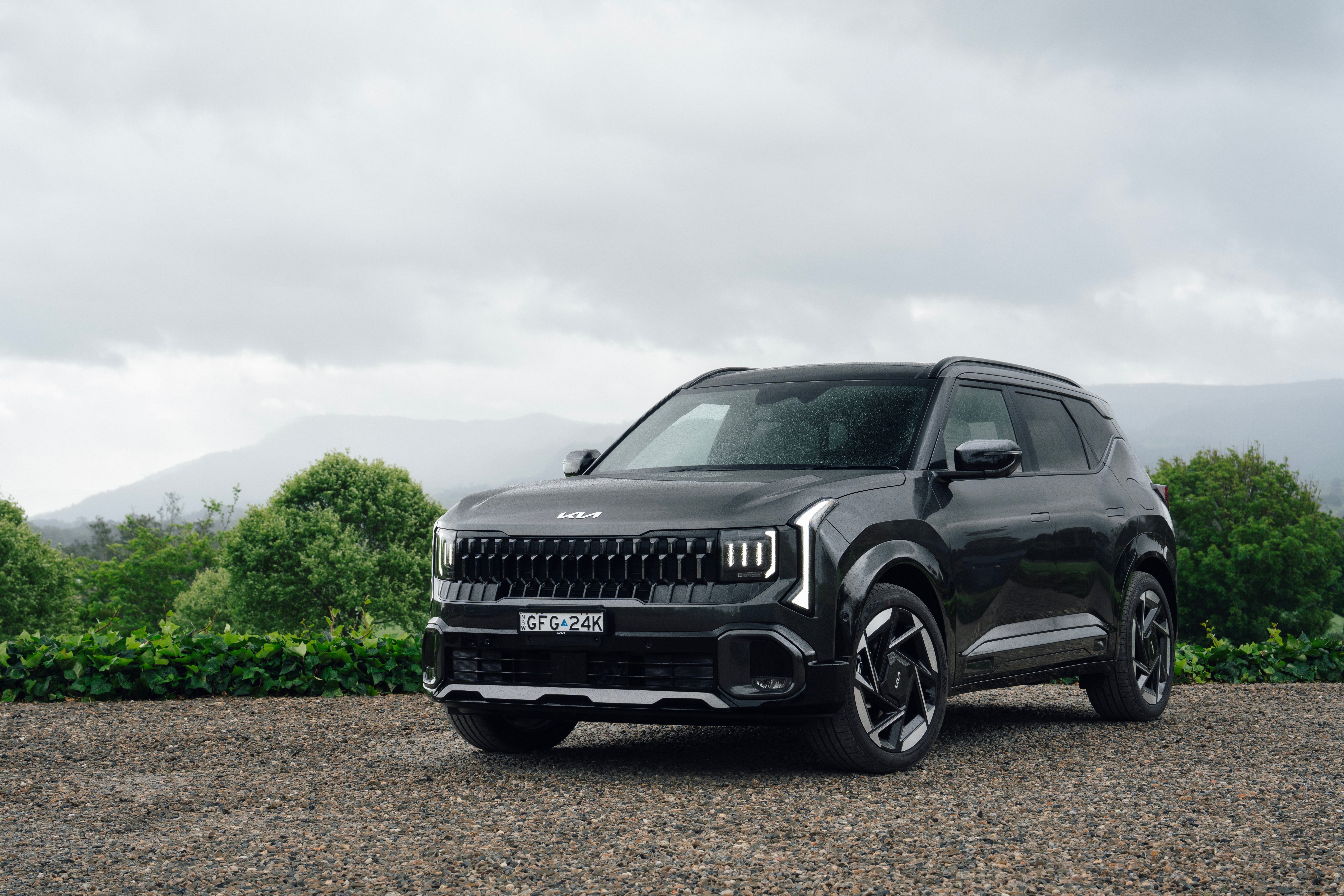
The Sorento is central to Kia Australia's electrified wishlist, though nothing is confirmed for local launch.
The Sorento is central to Kia Australia's electrified wishlist, though nothing is confirmed for local launch., Image: CarExpert

Where the plug-in hybrids already exist

Kia's global range is broader than its Australian one. The current Sportage is offered with a plug-in hybrid powertrain in North America and Europe, though Europe gets a shorter-wheelbase version built locally.

The second-generation Niro was previously sold with a PHEV powertrain in other markets, and Kia Europe has offered PHEV versions of the Ceed and Xceed, effectively its version of the previous Cerato. In Australia, the first-generation Niro crossover was previously sold as a PHEV alongside hybrid and EV variants.

Elsewhere, Kia's electrification has leaned more towards mild hybrids in Europe and battery electric vehicles more broadly.
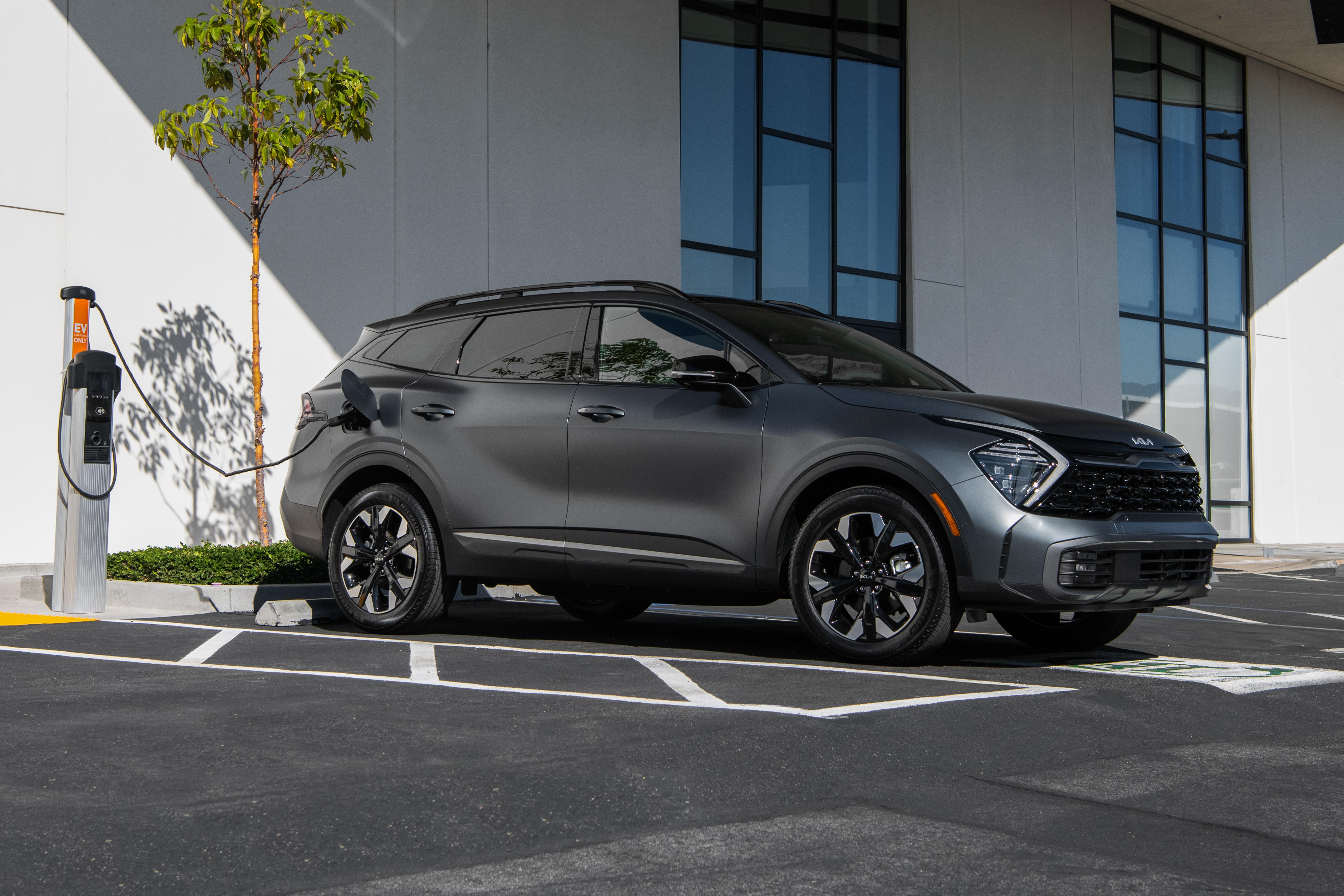
Plug-in hybrid hardware already exists in Kia's global range, as this charging Sportage illustrates.
Plug-in hybrid hardware already exists in Kia's global range, as this charging Sportage illustrates., Image: CarExpert

Range-extenders are on the group agenda

Kia's parent Hyundai Motor Group has signalled a strategic shift towards extended range electric vehicles, starting with a version of the current Santa Fe SUV that is due to begin production in 2027.

Kia itself has not confirmed its first EREV. An EREV differs from a plug-in hybrid in that the combustion engine works as a generator rather than driving the wheels, which is why Kia's product planners group the two technologies together as options under study rather than as committed product.

What is still unknown

Kia Australia has not announced which models would gain a PHEV or EREV powertrain locally, when they would launch, or what they would cost.

The only firm signal is timing logic: any decision would come at a facelift or full model change, so the next round of updates to Kia's Australian line-up is when the question would be settled.
Open this article ↗
New cars / TDCN ORIGINAL

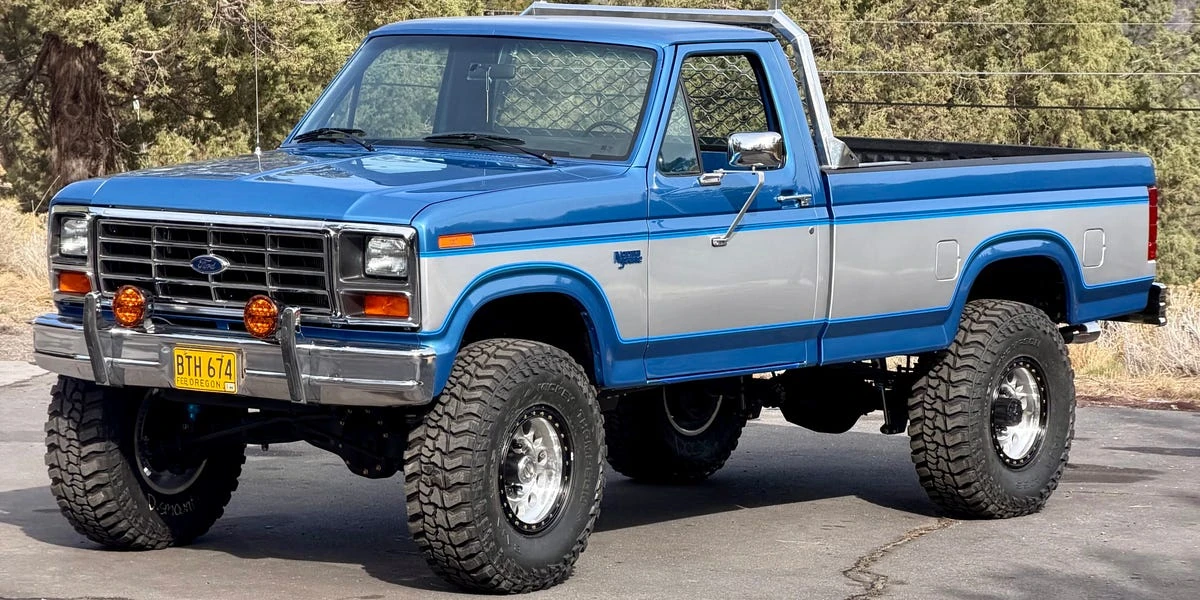
Ford and a mechanic turned an $800 1985 F-250 into a 575-hp Raptor tribute for SEMA

The build, documented in a 92-part social media series, swaps the truck's blown engine for a 460-cubic-inch Boss V-8 and goes on display in Las Vegas from November 3 to 6.

Ford Performance and Oregon mechanic Matt Johnson have completed a Raptor-inspired 1985 Ford F-250 restomod, and the truck is on display at SEMA in Las Vegas from November 3 to 6. The build started life as an $800 shop truck with a blown engine sitting behind Johnson's shop.

Johnson, who restores older off-roading vehicles and posts the work under his Doc Johnson Restorations accounts, built the truck with backing from Ford Performance and documented the process across a 92-part social media series. The finished machine carries a 575-hp 460-cubic-inch Boss V-8 from Ford Racing paired with a Ford R680 six-speed automatic transmission.

How a Land Cruiser detour led to a bullnose F-250

The project did not begin as a Ford at all. Johnson had planned to fit an EcoBoost engine into an old Toyota Land Cruiser, and a call to Ford Racing Parts opened talks about a collaboration. Ford later suggested a small-block Heritage motor for the Land Cruiser, but Johnson replied with a photo of the 1985 F-250 behind his shop, arguing the small-block belonged in a classic Ford. The bullnose F-250, nicknamed Norma Jeane, became the subject of a full makeover.

The original engine was pulled and replaced with the Boss V-8, and Johnson installed a custom-made suspension kit among a long list of jobs that ran down to weatherstripping the windows. Much of the truck is now new, but it keeps its 1980s character, hubcaps and vintage-style stereo included. That mix is the point of a restomod like this: the mechanical package is modern, while the shape and trim stay true to the truck Ford built four decades ago.

A 40-day plan that stretched into a SEMA build

The build was originally meant to be finished in 40 days, but when Ford proposed bringing the truck to SEMA, the schedule stretched into a much longer project. Along the way Johnson built an audience of 425,000 Instagram followers, with a larger following on Facebook, under his shop account. His latest post showed the F-250 being loaded onto a transport truck for the trip from Klamath Falls, Oregon, to Las Vegas.

"Honestly, it's a crazy story, and I feel blessed to be a part of it," Johnson said in a press release. "The truck, and the project itself, took on a life of its own. In many ways, I'm just along for the ride."

Why the Raptor name fits a 1985 truck

Ford's first Raptor did not appear until 2008, when the high-performance F-150 SVT Raptor-R took a podium finish at the 41st Baja 1000 in Ensenada, Mexico. The badge has since become shorthand for Ford's widest, most powerful pickups. Johnson's truck imagines what that formula might have looked like roughly two decades earlier, applied to a bullnose F-250 rather than a modern F-150.

The build is a one-off, not a production model, so Ford has not announced a price or a sale date for it. Its value to Ford is promotional: a SEMA booth centrepiece that ties the Raptor name to the company's heritage parts business and to a builder with a large social audience. For anyone shopping for a new Super Duty, the truck is a showcase rather than a preview.

Open this article ↗

Keep scrolling to read the next story.

Older articles →