INDEPENDENT AUTOMOTIVE NEWSGLOBAL PERSPECTIVE / AUSTRALIAN EDITION
TDCNTHE DAILY
CAR NEWS.

The road ahead.
Every day.

RSS ↗
Latest/Industry

306 original articles

Industry / TDCN ORIGINAL

Mitsubishi Pajero pre-orders hit 5,500 in Japan, nearly 80 percent from rival brands

Mitsubishi says the reborn off-roader has already passed its full-year Japanese sales target before the December 17 launch, with most buyers choosing the range-topping Super Exceed.

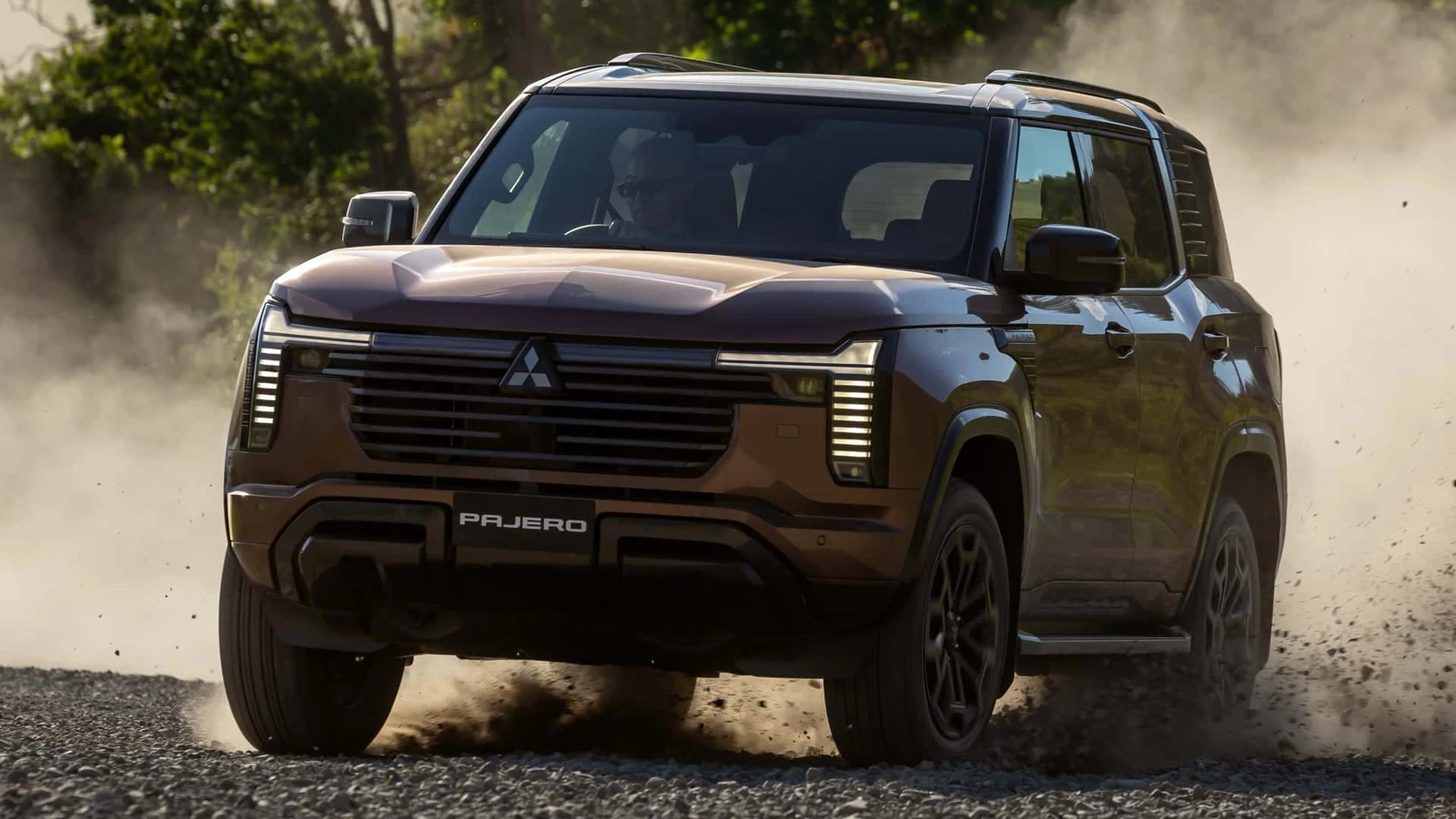
Image: Motor1

Mitsubishi has taken around 5,500 pre-orders for the reborn Pajero in Japan between October 1 and October 28, a figure that already exceeds the brand's sales target for the fiscal year ending March 2027. The new off-roader goes on sale in Japan on December 17.

According to Mitsubishi, as cited by Automotive News, close to 80 percent of those orders come from buyers switching out of rival brands, while others are former Mitsubishi owners returning after years with other makers.

Most buyers want the flagship Super Exceed

Mitsubishi says some of the returning buyers previously owned a Pajero or another Mitsubishi model, moved to a competitor and are now coming back because of the new flagship, while others cite a family link, with some saying their parents once owned a Pajero. The SUV is also drawing buyers from other rugged off-roaders as well as conventional SUVs and large minivans.

Among existing Mitsubishi owners, the most common trade-ins are the Delica D:5, the Outlander and the previous-generation Pajero. That mix suggests the comeback is pulling in new customers rather than leaning purely on nostalgia, which matters for a brand trying to hold ground in a crowded SUV market.

Around 70 percent of orders are for the flagship Super Exceed, priced at 7,950,800 yen (roughly $51,400). The four-trim lineup runs from the Exceed, GSR and GLS up to that flagship, with prices starting at 6,193,000 yen (around $40,000).

The Super Exceed pairs the Pajero's off-road hardware with semi-aniline leather upholstery, 20-inch alloy wheels, a 12-speaker Yamaha sound system, ventilated front seats and heated seats for the first two rows. Buyers clearly see the top trim as the one that competes with premium off-roaders, and the order split shows many are prepared to pay for the extra equipment rather than settle for a base model.

A Mitsubishi-developed off-roader, not a rebadge

The Pajero is built on the same ladder-frame platform as the Triton pickup, rather than being a rebadged vehicle developed with Renault or Nissan, the approach Mitsubishi has used to expand other parts of its range. That ladder frame underpins the genuine off-road capability the nameplate is known for.

A Pajero family is planned, but no new Evo yet

Mitsubishi intends to turn the revived nameplate into a family of SUVs, with at least two smaller models planned below the flagship to broaden the lineup into other segments.

The Lancer Evolution is not part of that plan for now. Mitsubishi president Keisuke Kishiura has called the Evo, Galant and Diamante company "treasures" and hopes all three could eventually return, but there are no concrete plans and no successor under development. The company's priority is strengthening its finances and adding volume-selling models first.

A possible return to the United States as a Montero has not been confirmed.
Open this article ↗
New cars / TDCN ORIGINAL

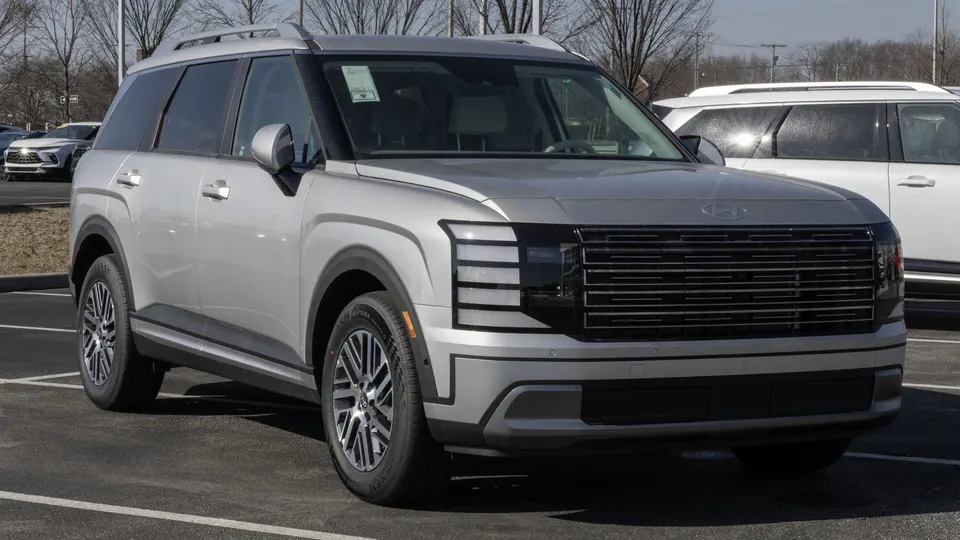
Hyundai is hiring engineers to develop AI for heavy towing and off-roading

A job listing at Hyundai's Michigan technical centre reveals work on machine learning that estimates trailer mass, payload and tyre grip without dedicated sensors.

Image: Carscoops

Hyundai is developing artificial intelligence aimed specifically at heavy-duty towing and rugged off-roading, according to a job listing at its American technical centre. The position, titled AI Control Systems Engineer, is based at the Hyundai America Technical Center in Superior Township, Michigan, and concerns next-generation Hyundai, Kia and Genesis vehicles developed for North America.

What the role involves

The listing calls for an engineer able to use machine learning, reinforcement learning and model predictive control to improve vehicle performance, with the work focused on heavy-duty towing and rugged off-roading. Hyundai wants the resulting technology to estimate vehicle payload, trailer mass and tyre-road friction without needing dedicated sensors for each measurement.

That matters because a vehicle able to work out how much weight it is carrying or towing could adjust its powertrain, braking and stability control to suit the load without input from the driver. In the same way, a car that can accurately judge available tyre grip could adapt on the fly to loose gravel, mud or slippery surfaces.

Towing assist and terrain adaptation

Hyundai's listing mentions two technologies it calls "intelligent towing assist" and "terrain adaptation". The company does not directly link them to the AI software, but both suggest vehicles that respond more intelligently to changing conditions.

The listing also describes using machine learning algorithms to anticipate component failures, specifically while towing or driving off-road. In practice that could mean a future Hyundai warning a driver before an axle snaps, a transmission overheats or the brakes begin to fade, provided the team can make the system reliable and accurate enough for production.

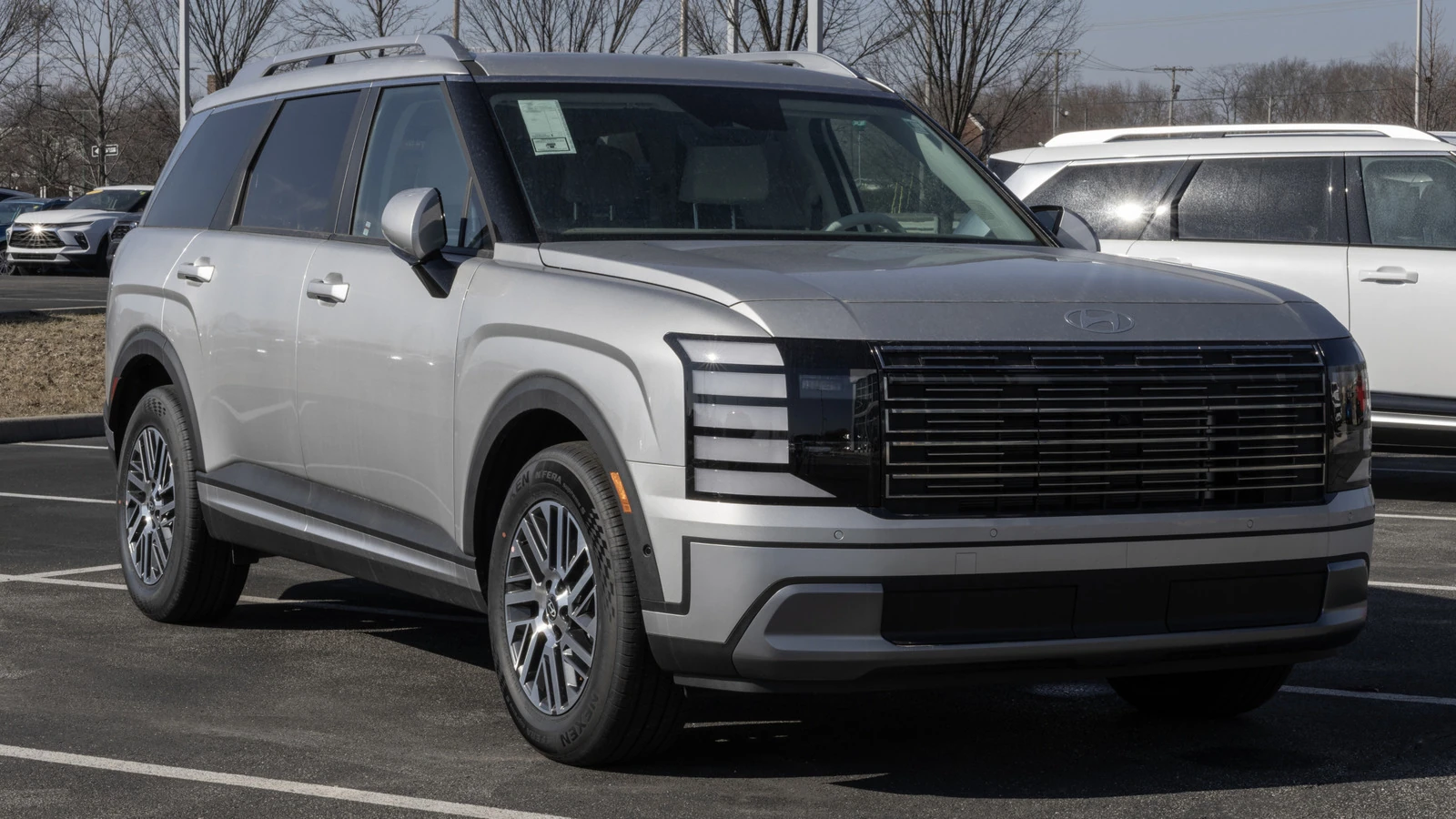
Hyundai's large electric SUV is the kind of vehicle that will benefit from AI-driven towing and off-road control software.
Hyundai's large electric SUV is the kind of vehicle that will benefit from AI-driven towing and off-road control software., Image: Carscoops

When it reaches showrooms

Hyundai has not announced a production date for the technology. The listing ties the work to next-generation Hyundai, Kia and Genesis vehicles developed for North America, which places it in future model programmes rather than current showroom cars. The company has also not said whether the system will be offered outside North America; the listing scopes the role to North American vehicles, but no wider rollout has been announced.

Open this article ↗

Keep scrolling to read the next story.

Older articles →