INDEPENDENT AUTOMOTIVE NEWSGLOBAL PERSPECTIVE / AUSTRALIAN EDITION
TDCNTHE DAILY
CAR NEWS.

The road ahead.
Every day.

RSS ↗
Latest/New cars

269 original articles

New cars / TDCN ORIGINAL

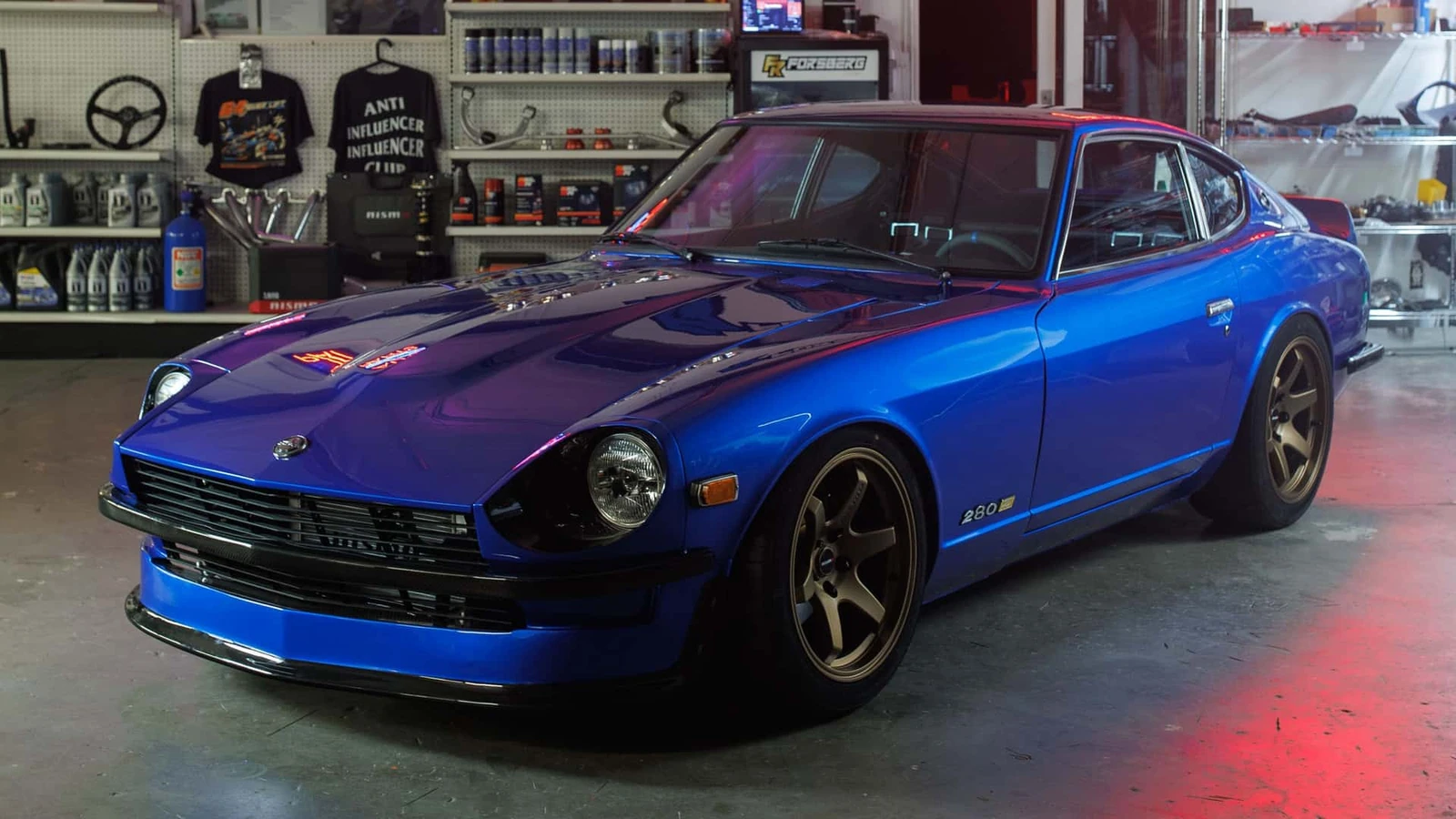
Nissan swaps a modern Z twin-turbo V6 into a carbon-bodied Datsun 240Z

The one-off Datsun S30 Concept, built with drifter Chris Forsberg, pairs a 400-hp-rated VR30DDTT with Garrett turbos and Nismo hardware for the 2026 SEMA Show.

Image: Motor1

Nissan has built a classic Datsun 240Z with the twin-turbo V6 and six-speed manual from the current Nissan Z, and will display it at the 2026 SEMA Show in Las Vegas from November 3 to November 6. The one-off, called the Datsun S30 Concept, was built alongside Formula Drift champion Chris Forsberg.

The project is more than a reshell. Nissan says it built the car to show that the vintage S30 and the modern Z share more than a name, and the hardware underneath suggests it is meant to be driven hard rather than parked on a show stand.

The engine and driveline

Under the hood sits the VR30DDTT, the twin-turbo 3.0-litre V6 that powers the current Z with a factory rating of 400 horsepower. In the concept it is fitted with Garrett PMAX turbochargers plus Nismo cold-air intakes and a Nismo heat exchanger.

Nissan has not released an official power figure for the finished car, so the output remains unannounced. The stock rating is the only number on record, and the Garrett turbos and Nismo intake and cooling parts point to a figure above it.

Drive goes to the rear wheels through a Nissan Z FS6 six-speed manual, a Nismo twin-disc clutch and flywheel, and a Nismo R200 limited-slip differential. Fuel delivery uses a Radium Engineering 10-gallon fuel cell and a DeatschWerks pump rated at 450 litres per hour, hardware chosen for sustained high-boost running rather than a static display.

Carbon panels and chassis work

The body wears custom carbon-fibre front fenders, hood, air dam, bumpers, hatch and spoiler, finished in Nissan Seiran Blue with a Nismo 40th decal set. Each panel swap cuts weight while keeping the S30's original silhouette.

Techno Toy Tuning supplied the chassis work: coilovers, front and rear control arms, sway bars and strut tower bars, plus an Evolved front crossmember, an Ultimate steering rack and billet tie rods. Braking comes from Wilwood, with six-piston FNSL6R front calipers on 300-millimetre two-piece rotors and four-piston rear calipers on 280-millimetre rotors.

The car rides on forged Nismo LM-RS6 wheels measuring 17 by 9 inches. Forsberg's involvement ties the build to Nissan's drifting pedigree, a connection the brand has drawn on before with other Z-based projects including a T-top Z concept.

Where it fits in Nissan's SEMA lineup

The Datsun S30 Concept is one of several enthusiast builds Nissan is taking to SEMA, alongside the Project NAT2 Z race car and a revived Sentra Spec V concept. The race-prepped Z is detailed separately.

For buyers, the concept is a showcase rather than a production announcement: it demonstrates that the current Z's powertrain and Nismo parts catalogue can be made to fit a half-century-old shell. Nissan has not said whether any of the build's parts will reach showrooms, and no production plans have been announced.
Open this article ↗
Electric / TDCN ORIGINAL

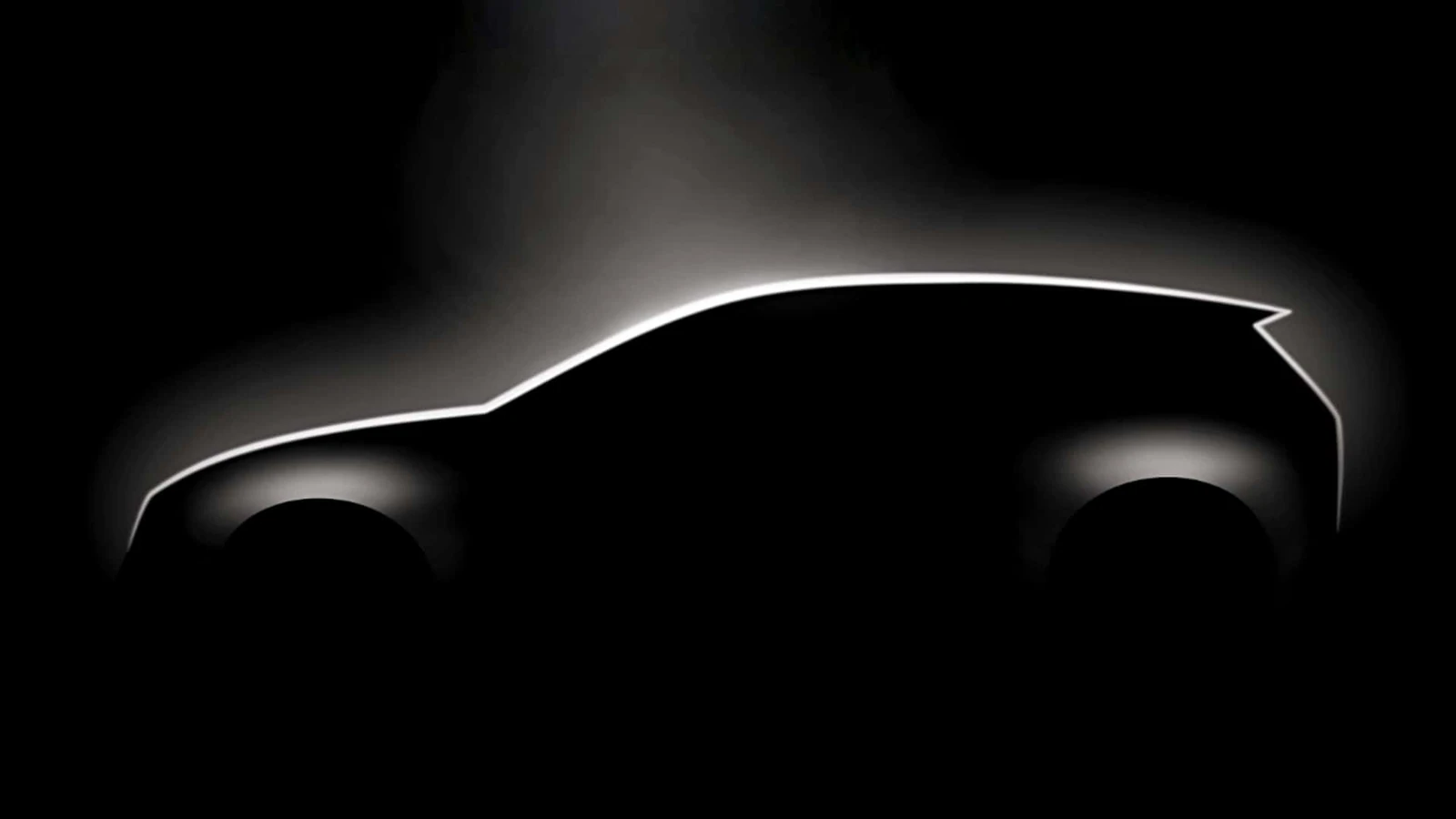
Volkswagen pauses electric ID. Golf development to cut spending

The brand's CFO confirmed the temporary halt alongside nine-month financial results, with no new date given for the electric hatchback's launch.

Image: Motor1

Volkswagen has put development work on the electric ID. Golf on hold, a decision the brand disclosed in its latest financial update as it tries to rein in spending. David Powels, CFO of the VW brand and Brand Group Core, confirmed the pause while discussing the group's financial performance for the first nine months of the year.

"One specific measure is therefore to temporarily pause development work on the future ID. Golf at the VW brand until we can securely accommodate the necessary investments," Powels said. The model has not been cancelled: VW calls the suspension temporary and says work can resume once the funding is in place.

No launch date has been announced

What VW has not given is a date. The sources do not say when the ID. Golf will go on sale, when engineers will restart work, or how far the pause will push back the launch schedule.

The electric Golf was already expected later this decade. VW CEO Thomas Schäfer previously said the company did not need an electric Golf in 2028, pointing to a launch around 2030 as more realistic. That 2030 timing was a stated expectation rather than a confirmed on-sale date, and the pause leaves it further from certain.

The timing pressure traces back to the Scalable Systems Platform (SSP), the group-wide electric architecture meant to underpin a wide range of EVs. Software problems and rising development costs have pushed its rollout back, and the first SSP-based vehicles are now expected from Audi and Porsche before the mainstream VW brand gets its turn. For buyers, that means the electric Golf slips behind the group's premium brands in the queue for the hardware it depends on.

A nameplate with electric history

VW is not new to an electric Golf. It sold the e-Golf, an all-electric version of the seventh-generation hatchback, from 2014 until 2020, when production ended to make room for the ID.3. The ID.3 was designed from the outset as an EV rather than an adaptation of a combustion model, and it was supposed to lead the way for the electric Golf's return. It is now called the ID.3 Neo following a facelift earlier this year.

Until the ID. Golf arrives, the nameplate stays with its combustion-engine, full-hybrid and plug-in hybrid versions. That matters because the Golf is one of the industry's most recognisable badges, and VW has repeatedly stressed electrification, so parking its most famous model's EV successor is a notable step back from that message.

The petrol Golf may get another facelift

The current Golf could be updated again in 2027, when production moves from Wolfsburg to Puebla, Mexico. VW has confirmed the relocation as part of a wider restructuring of European manufacturing aimed at cutting costs, with the Mexican plant preparing to build both the Golf and Golf Variant.

A further round of updates around that move would keep the eighth-generation model competitive for a few more years while the ID. Golf remains some way off. The effects would not stop at VW: the Skoda Octavia and Cupra Leon share much of their hardware with the Golf, so stretching this generation's life could keep those related models on sale longer too. With the group cutting development costs and overlapping investments, there is little financial sense in rushing replacements for several related cars while their electric successors wait on the next-generation architecture.

Financial reality behind the decision

The pause comes a day after VW acknowledged that its EVs remain less profitable than equivalent combustion-engine cars. Read together, the two disclosures show the electric transition being paced by the balance sheet as much as by engineering ambition: the ID. Golf is not being dropped, but it is being made to wait until the money is there.

For drivers and buyers, the practical result is a longer wait for an electric Golf and a petrol, hybrid or plug-in hybrid Golf that stays on sale for longer than originally planned. The catch is that the 2030 timing was never a locked-in date, and VW has not replaced it with a new one.

Open this article ↗

Keep scrolling to read the next story.

Older articles →