INDEPENDENT AUTOMOTIVE NEWSGLOBAL PERSPECTIVE / AUSTRALIAN EDITION
TDCNTHE DAILY
CAR NEWS.

The road ahead.
Every day.

RSS ↗
Latest/New cars

306 original articles

New cars / TDCN ORIGINAL

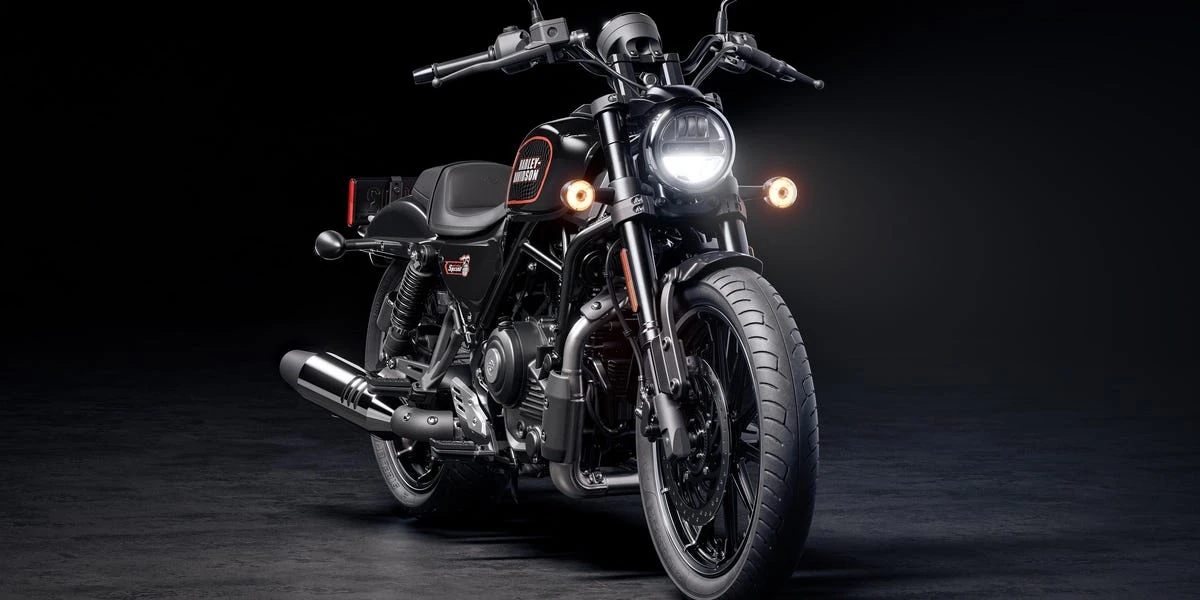
Harley-Davidson revives Sprint name for a 440cc single-cylinder road bike

The 2027 Sprint 440 is a 27 hp air/oil-cooled single derived from the X440 sold abroad, and US pricing is still unannounced.

Harley-Davidson is bringing back the Sprint nameplate for a lightweight, low-cost road bike aimed at US riders: the 2027 Sprint 440, a 440cc single-cylinder model with a claimed 26.4-inch laden seat height and an estimated base price of around $6000.

The bike revives a name Harley used on single-cylinder models in the 1960s and 1970s, and it will be built at the company's York, Pennsylvania factory for the US market.

The Sprint 440 technically derives from a single-cylinder Harley already on sale elsewhere for several years, the X440 developed with Indian company Hero MotoCorp. The original Sprints were built in Italy; these US-market bikes will be assembled in York.

Its engine is a 440cc two-valve air/oil-cooled single with fuel injection, a step away from the carbureted originals, producing 27 hp and 28 pound-feet of torque through a slip-assist clutch and six-speed transmission. The rear wheel is 17 inches and the front 19 inches, both cast aluminium, and braking is handled by ABS-equipped disc brakes.

Harley's pitch is accessibility, and the numbers line up against the bikes that have made small-capacity singles popular. Royal Enfield's Meteor 350 cruiser uses a 394cc single making 20 hp and 20 pound-feet, and its seat sits at 30.1 inches, against Harley's claimed 26.4-inch laden height for the Sprint. Harley also claims 412 pounds for the Sprint, slightly under the Meteor 350's 421 pounds on spec sheets.

Both bikes have preload-adjustable dual rear shocks, but the Sprint's forks are inverted. That matters because the Sprint is chasing the same buyers who have made Triumph's 400 range and Royal Enfield's 350 range strong sellers in the affordable, lightweight segment, a space Harley has not occupied for US riders until now.

The Sprint 440 carries a 3.5-inch circular colour TFT display showing speedometer, tachometer, odometer and trip meter along with warning lights and turn signals. The headlight, taillight and indicators are LED, and a USB-C charging port sits above the headlight.

Harley will offer accessories including a windshield, engine guard, saddlebags and skull adornments, plus multiple seat options for riders who need a different height from the standard item.

When Harley first announced it was resurrecting the Sprint, it said the bike would cost around $6000. US pricing has not been revealed. In Canada the Sprint 440 will cost $8499 CAD, about $6100 at current exchange rates.

That puts it roughly $1000 above a 2027 Royal Enfield Meteor 350 in Canada, and around what Triumph charges for its 400 models. The bigger gap is internal: the Sprint is almost $4000 less expensive than Harley's current entry-level model, the 975cc Nightster.

For US buyers, the practical read is that the $6000 figure remains Harley's own estimate rather than a confirmed sticker price, and the Canadian number is the only published figure so far. A $4000 gap to the Nightster is the kind of difference that can decide whether a new rider stays with the brand at all.

The Sprint 440 is a 2027 model, with the wait running until spring 2027. Harley has not announced US pricing, and the sources do not give final US specifications beyond the claimed figures above.
Open this article ↗
Industry / TDCN ORIGINAL

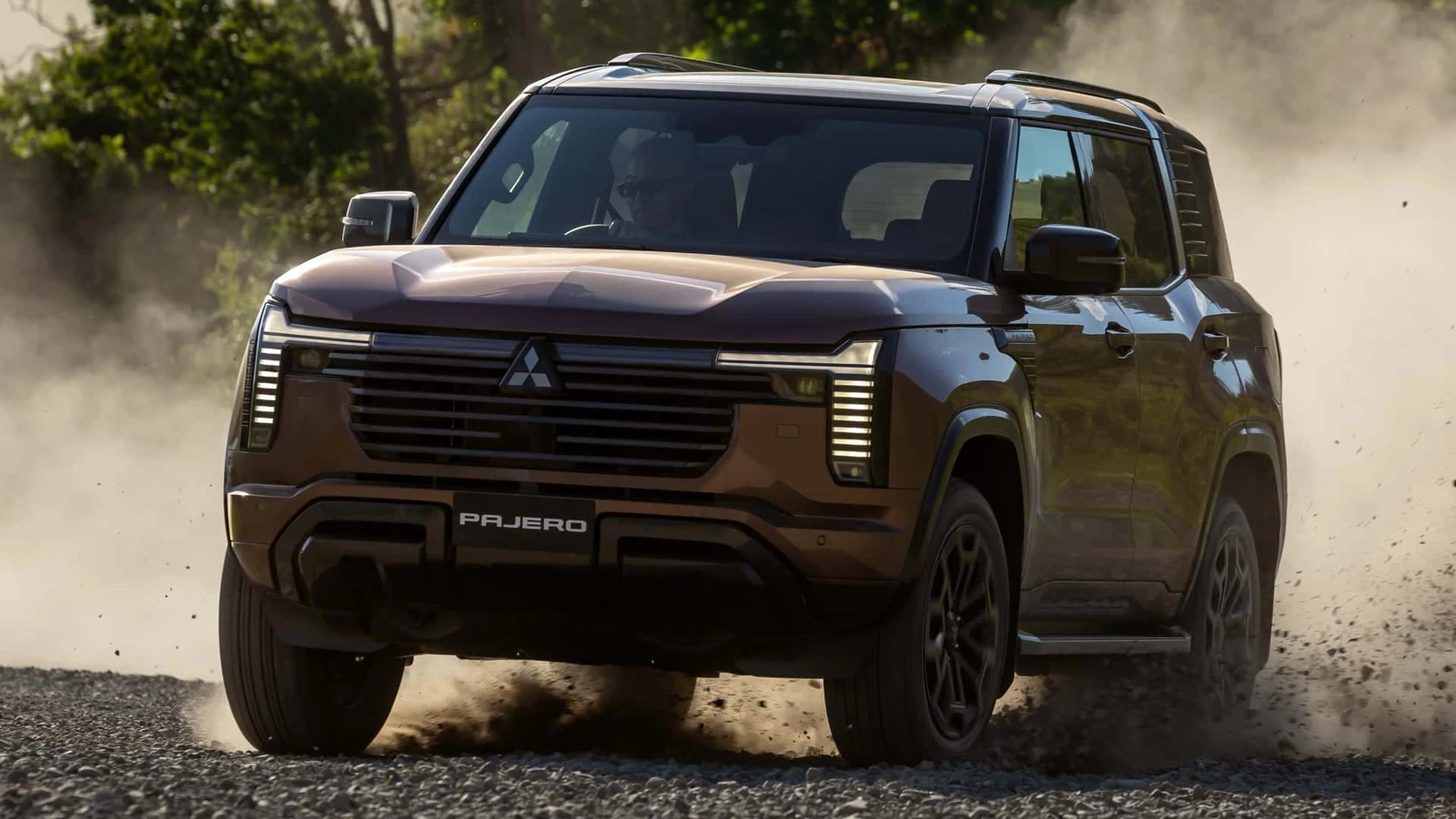
Mitsubishi Pajero pre-orders hit 5,500 in Japan, nearly 80 percent from rival brands

Mitsubishi says the reborn off-roader has already passed its full-year Japanese sales target before the December 17 launch, with most buyers choosing the range-topping Super Exceed.

Image: Motor1

Mitsubishi has taken around 5,500 pre-orders for the reborn Pajero in Japan between October 1 and October 28, a figure that already exceeds the brand's sales target for the fiscal year ending March 2027. The new off-roader goes on sale in Japan on December 17.

According to Mitsubishi, as cited by Automotive News, close to 80 percent of those orders come from buyers switching out of rival brands, while others are former Mitsubishi owners returning after years with other makers.

Most buyers want the flagship Super Exceed

Mitsubishi says some of the returning buyers previously owned a Pajero or another Mitsubishi model, moved to a competitor and are now coming back because of the new flagship, while others cite a family link, with some saying their parents once owned a Pajero. The SUV is also drawing buyers from other rugged off-roaders as well as conventional SUVs and large minivans.

Among existing Mitsubishi owners, the most common trade-ins are the Delica D:5, the Outlander and the previous-generation Pajero. That mix suggests the comeback is pulling in new customers rather than leaning purely on nostalgia, which matters for a brand trying to hold ground in a crowded SUV market.

Around 70 percent of orders are for the flagship Super Exceed, priced at 7,950,800 yen (roughly $51,400). The four-trim lineup runs from the Exceed, GSR and GLS up to that flagship, with prices starting at 6,193,000 yen (around $40,000).

The Super Exceed pairs the Pajero's off-road hardware with semi-aniline leather upholstery, 20-inch alloy wheels, a 12-speaker Yamaha sound system, ventilated front seats and heated seats for the first two rows. Buyers clearly see the top trim as the one that competes with premium off-roaders, and the order split shows many are prepared to pay for the extra equipment rather than settle for a base model.

A Mitsubishi-developed off-roader, not a rebadge

The Pajero is built on the same ladder-frame platform as the Triton pickup, rather than being a rebadged vehicle developed with Renault or Nissan, the approach Mitsubishi has used to expand other parts of its range. That ladder frame underpins the genuine off-road capability the nameplate is known for.

A Pajero family is planned, but no new Evo yet

Mitsubishi intends to turn the revived nameplate into a family of SUVs, with at least two smaller models planned below the flagship to broaden the lineup into other segments.

The Lancer Evolution is not part of that plan for now. Mitsubishi president Keisuke Kishiura has called the Evo, Galant and Diamante company "treasures" and hopes all three could eventually return, but there are no concrete plans and no successor under development. The company's priority is strengthening its finances and adding volume-selling models first.

A possible return to the United States as a Montero has not been confirmed.

Open this article ↗

Keep scrolling to read the next story.

Older articles →