INDEPENDENT AUTOMOTIVE NEWSGLOBAL PERSPECTIVE / AUSTRALIAN EDITION
TDCNTHE DAILY
CAR NEWS.

The road ahead.
Every day.

RSS ↗
Latest/Electric

304 original articles

Electric / TDCN ORIGINAL

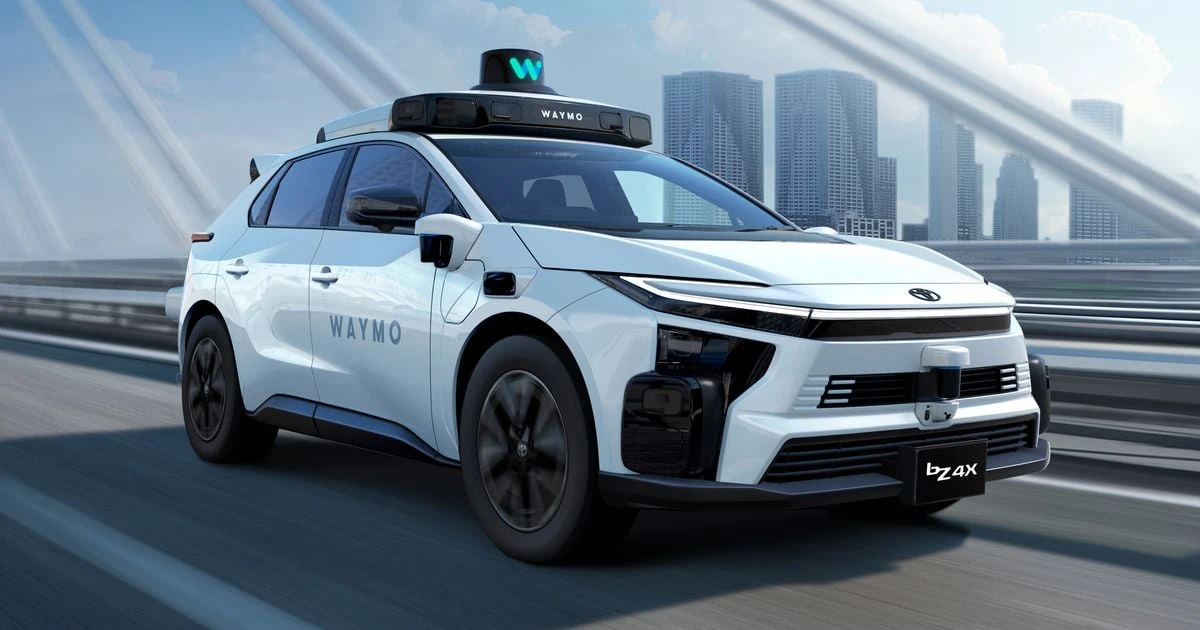
Toyota to build Waymo robotaxis in Japan, with 2027 validation fleet planned

Waymo hardware will be fitted to bZ4X electric SUVs at Toyota's Takaoka plant, with UK deliveries to follow on an unconfirmed schedule.

Toyota will build self-driving Waymo taxis based on the bZ4X electric SUV, with a validation fleet expected on Japanese roads in 2027. The vehicles will be assembled at Toyota's Takaoka factory in Toyota City, alongside conventionally driven bZ4X models, with Waymo's cameras, radars and lidar installed at the plant.

Cars will also be sent to the UK and other countries, but neither partner has confirmed timing for those markets, and neither has said when the bZ4X Waymo will begin carrying paying passengers.

What Toyota is building for Waymo

The robotaxis are bZ4X electric SUVs fitted with Waymo's autonomous driving hardware and software. Beyond the self-driving kit, Toyota says the cars will get automatic doors, an electric tailgate and ambient lighting.

Building the vehicles in-house at Takaoka, rather than shipping base cars elsewhere for sensor installation, keeps the robotaxi on the same line as the retail bZ4X. That gives Toyota a route to scale production if Waymo's rollout expands, without standing up a separate assembly operation.
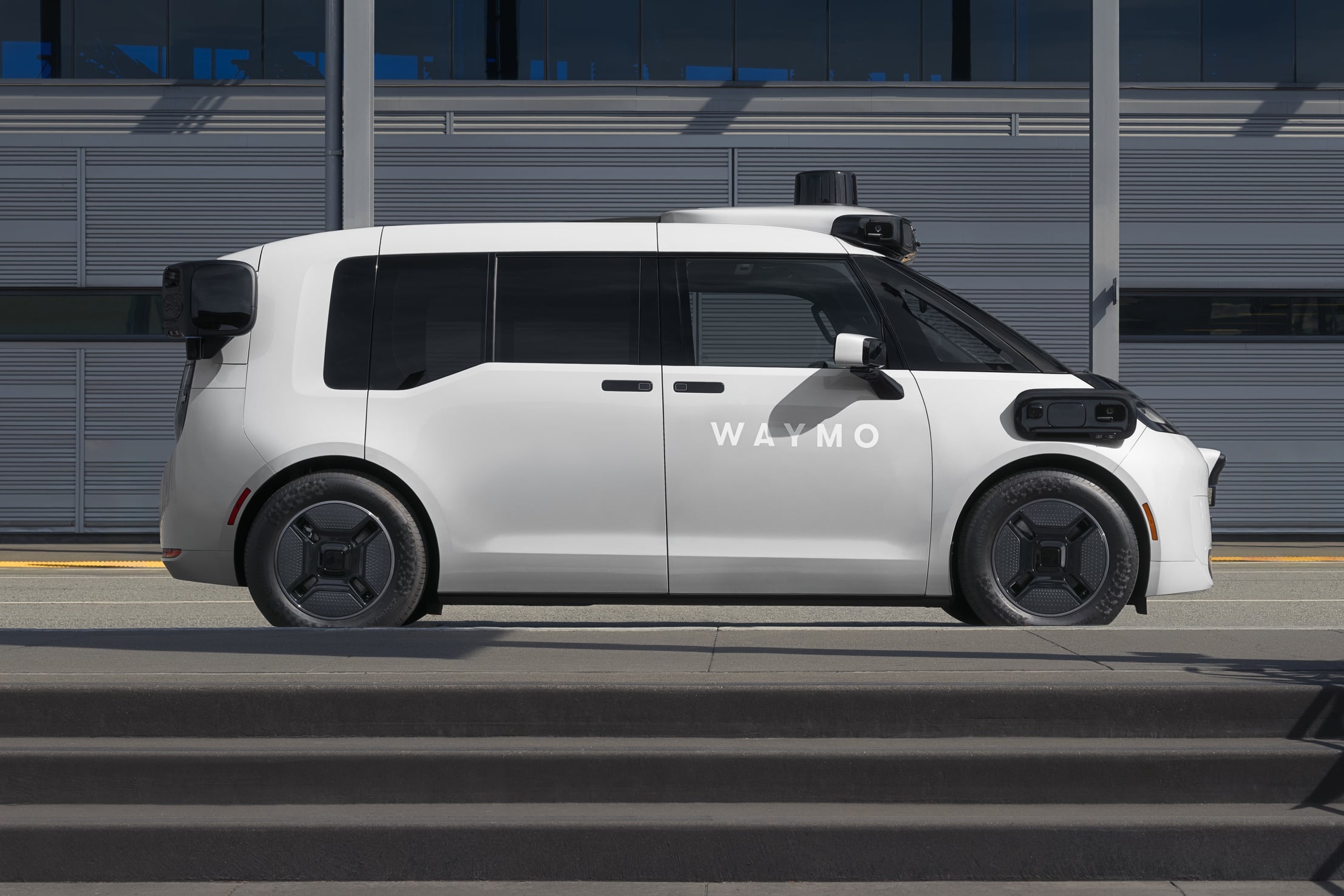
A purpose-built Waymo vehicle shown in profile hints at the dedicated robotaxi designs Toyota and Waymo are working toward.
A purpose-built Waymo vehicle shown in profile hints at the dedicated robotaxi designs Toyota and Waymo are working toward., Image: CarExpert

Where and when the service goes

Japan is the first confirmed market for the Toyota-built vehicles, with the 2027 validation fleet described as the near-term milestone. The UK and further countries are named as destinations, but the schedule for them has not been announced.

Waymo currently offers rides to the public in 15 US cities, from San Francisco and Los Angeles to Tampa and Miami. Over the next year or two it plans to add more US cities, including New York City, and to launch outside the US in Toronto, London, Tokyo and Madrid.

The distinction between a validation fleet and a commercial service matters for anyone expecting to hail one soon: the 2027 Japanese cars are for testing the technology on local roads, not a confirmed taxi launch date.

The fleet Waymo runs today

Waymo's current autonomous taxi fleet is made up of Jaguar I-Pace SUVs and the Waymo Ojai people mover, which is based on Zeekr's Sustainable Experience Architecture. Parts of the Ojai are built in China before final assembly in Mesa, Arizona.

In 2024 Waymo signed a deal with Hyundai for up to 50,000 Ioniq 5 hatchbacks to serve as robotaxis, though how many have been delivered so far is unclear. Earlier, the company used Chrysler Pacifica plug-in hybrid people movers for its ride-hailing fleet.

Toyota joins that list as a manufacturing partner rather than a supplier of a single batch: the arrangement puts a major global carmaker's own factory and quality processes behind Waymo's hardware, which is the kind of volume production robotaxi fleets need to grow beyond a handful of cities.
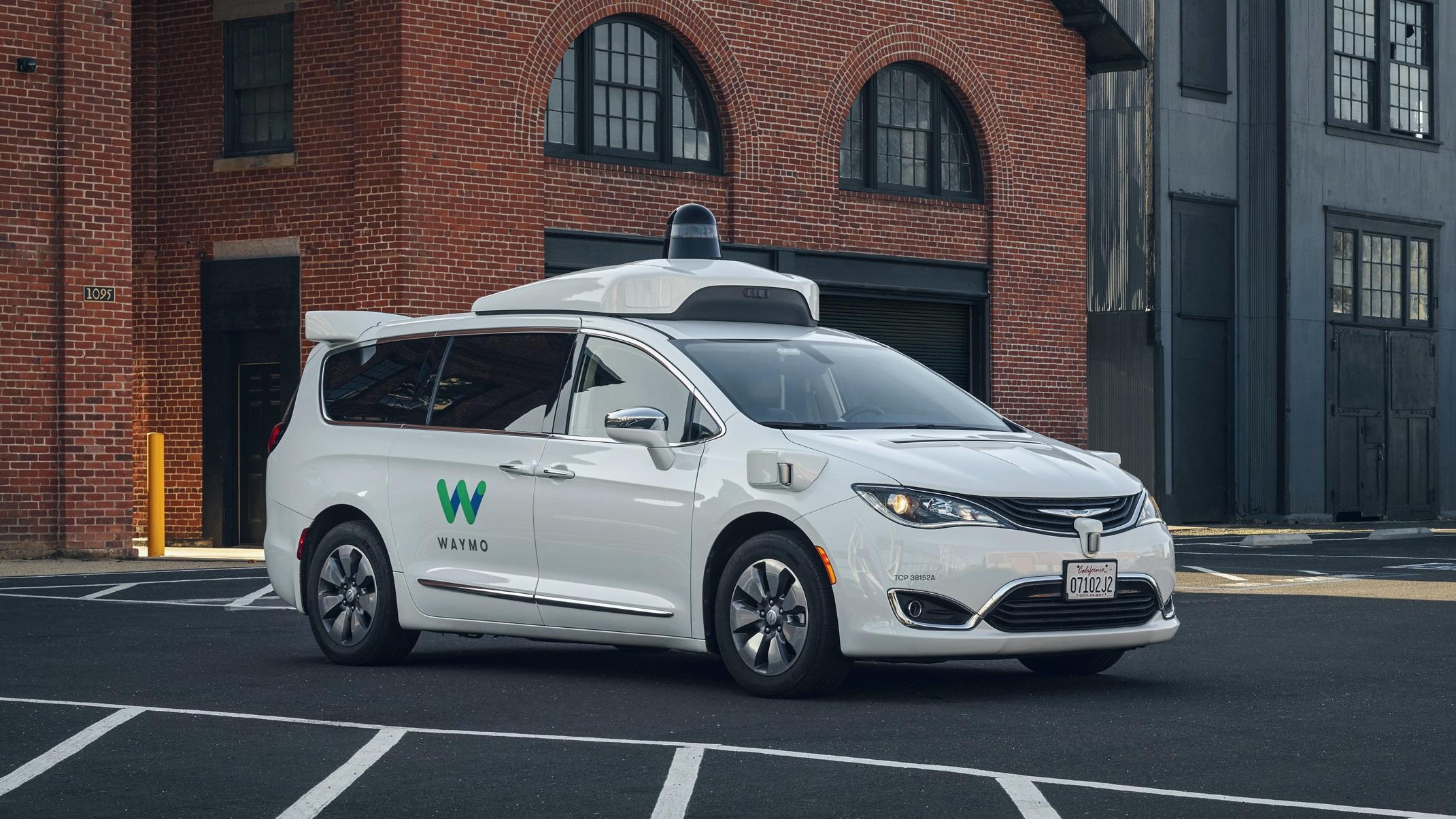
An earlier-generation Waymo Pacifica minivan illustrates the fleet Waymo has run on public roads.
An earlier-generation Waymo Pacifica minivan illustrates the fleet Waymo has run on public roads., Image: CarExpert

Safety claims and private cars

Waymo co-CEO Dmitri Dolgov said the company's vehicles are "20 times safer than human drivers when it comes to serious crash injuries", a manufacturer claim rather than an independently verified figure in the announcement. Dolgov said Waymo chose Toyota "because of our respect for the legendary safety, reliability, and quality of their vehicles".

Toyota chief technology officer Hiroki Nakajima said: "No single company can achieve the goal of zero traffic accidents alone, but with partners like Waymo, we will get there one step at a time".

The two firms also said they "will continue to explore the future of autonomous driving technology" for privately owned Toyotas. That leaves open the possibility of Waymo-derived systems reaching customer cars, but no model, timeline or specification has been announced.
Open this article ↗
Electric / TDCN ORIGINAL

Chevrolet reportedly shelves Corvette SUV and EV plans

A GM Authority report says the long-rumoured Corvette spin-off models have been dropped, though Chevrolet itself has not confirmed the change.

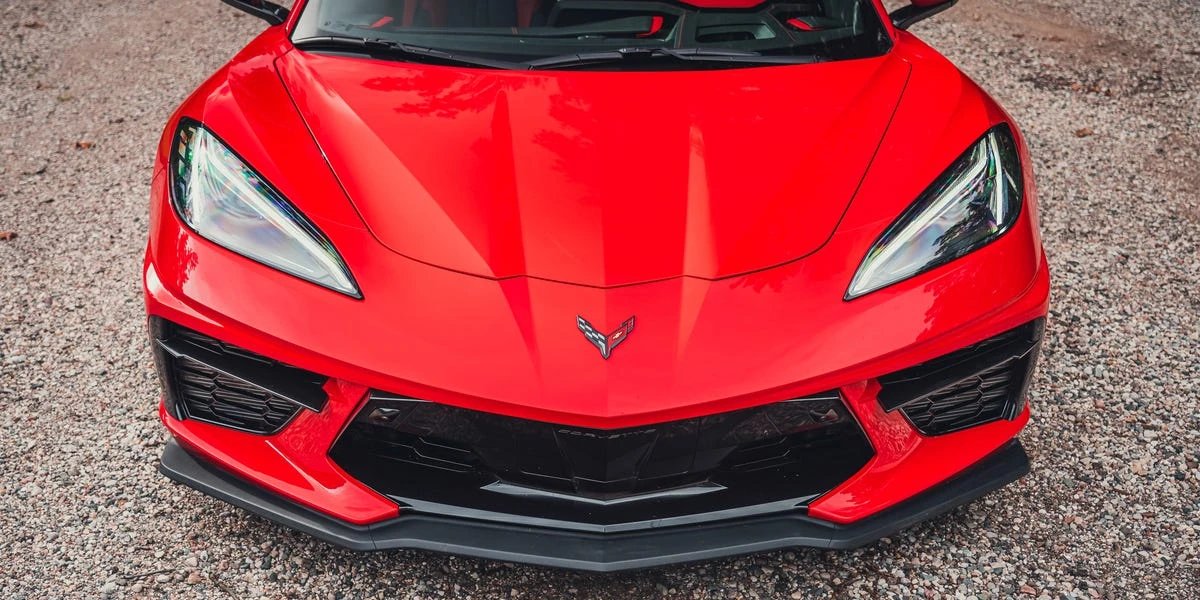
Chevrolet's long-rumoured plan to turn Corvette into a broader sub-brand, with an SUV, an electric model and possibly a four-door fastback, has reportedly been shelved. The claim comes from GM Authority, citing sources inside the company, and Chevrolet representatives told Car and Driver they had nothing to add to the speculation.

Because GM never formally confirmed those plans in the first place, there is no official announcement to reverse. The Corvette SUV, the model that would have taken on the Porsche Cayenne, is the most significant apparent casualty of the reported decision.

What was reportedly planned

The rumoured expansion would have stretched the Corvette badge across an SUV, an electric vehicle and possibly a four-door fastback sedan, a lineup far removed from the two-seat sports car the name has always meant.

Electric power had been discussed for a future Corvette, and the report suggests GM's upcoming electric-vehicle platforms will not now reach any model wearing the Corvette badge. The four-door Corvette sedan, which had only ever been the subject of rumours, is described as unlikely to ever see the light of day.

The SUV was the centrepiece of the idea, a direct rival to the Porsche Cayenne and the sort of high-volume model that could have funded sports-car development the way Porsche's SUVs support its own. That parallel is the reason the cancellation lands as a surprise: the business case for a Corvette SUV was never really about the badge, it was about paying for the cars that carry it.

Why GM may have backed away

Car and Driver points to two possible reasons behind the reported decision: softer demand for EVs lately, and the backlash GM may have anticipated from Corvette loyalists who see an SUV as diluting the name.

The murkiness is built into the situation. With no official plan on record, there is no formal cancellation to point to, only a report and a no-comment response from Chevrolet. Buyers waiting on a Corvette SUV therefore have nothing concrete to hold onto either way.

The Corvette lineup carries on

None of this affects the current C8-generation car, which already spans a wide range from the base Stingray and Grand Sport up to the Z06 and the ZR1. Chevrolet also already offers two hybrid powertrains in the C8, so electrification of a sort is present even if a dedicated electric Corvette is not.

Attention now turns to the C9 generation expected to replace the C8, which is already the subject of murmurs. Chevrolet has previewed future Corvette models with a recent concept called the California Corvette.

When a Corvette SUV or a dedicated electric Corvette might arrive instead has not been announced. The reported shelving covers the planned spin-off models, not the C9, and the sources give no date for either a rethink of the SUV idea or an electric Corvette.

Open this article ↗

Keep scrolling to read the next story.

Older articles →