INDEPENDENT AUTOMOTIVE NEWSGLOBAL PERSPECTIVE / AUSTRALIAN EDITION
TDCNTHE DAILY
CAR NEWS.

The road ahead.
Every day.

RSS ↗
Latest/Performance

321 original articles

Performance / TDCN ORIGINAL

Toyota revives Celica name for 2027 WRC, road car still unconfirmed

The GR Celica will race under Toyota Racing with Elfyn Evans among its drivers, but Toyota has not yet announced a production version.

Image: Motor1

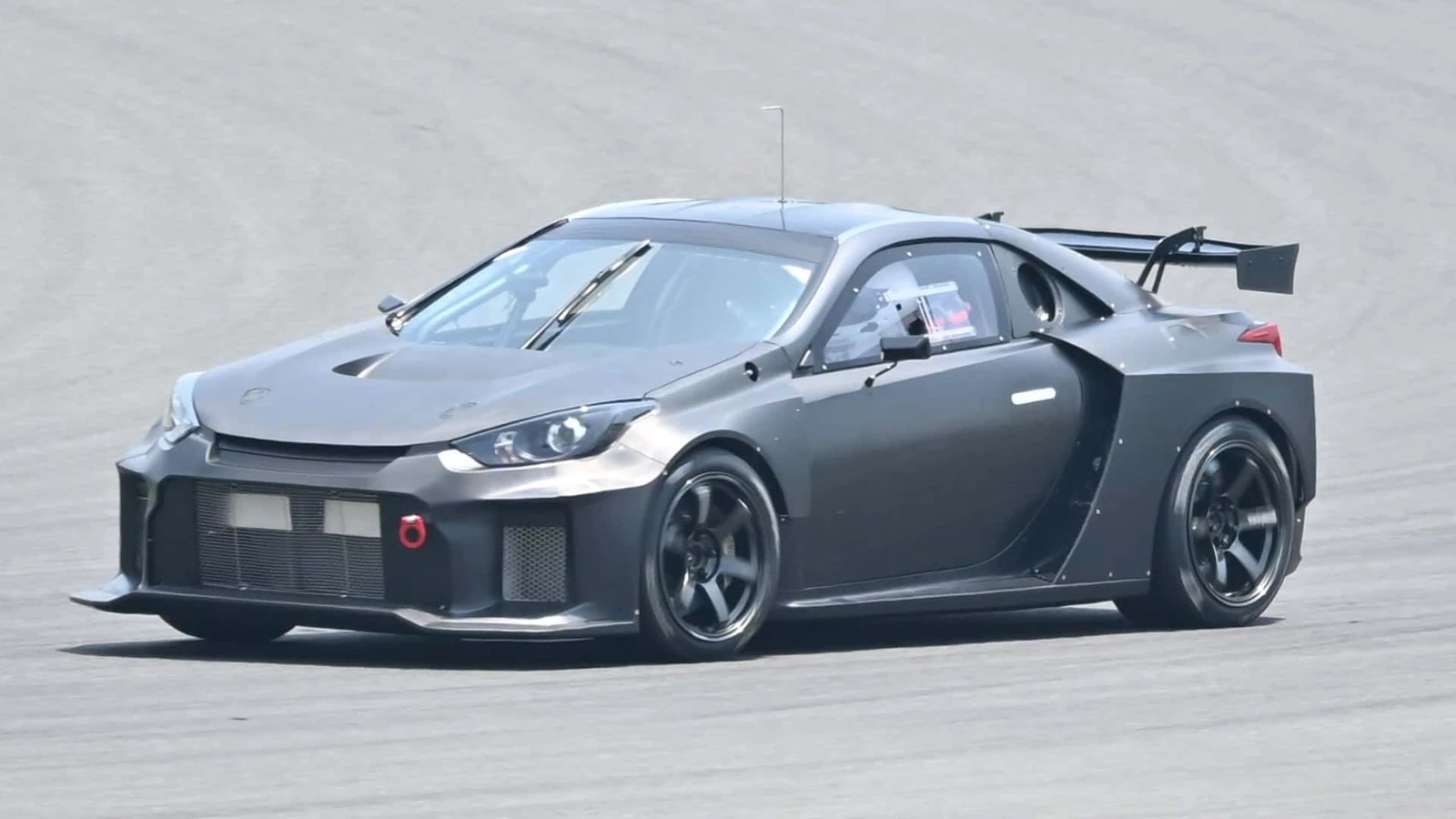
Toyota will bring the Celica nameplate back to the World Rally Championship in 2027, fielding a new GR Celica under its Toyota Racing banner. The announcement, made on Tuesday, confirms the badge's return to competition but stops short of confirming a road-going Celica.

The GR Celica will compete alongside a next-generation GR Yaris rally car run by a separate Gazoo Racing team, with both built to the WRC's new technical regulations for 2027.

Who drives what, and where the cars are built

Elfyn Evans, Oliver Solberg and Sami Pajari will drive the GR Celica, according to Motorsport.com. Ott Tänak, Takamoto Katsuta and Kalle Rovanperä are named for the GR Yaris team.

Toyota says both cars are being developed at its rally headquarters in Jyväskylä, Finland, and that they will have equal power and performance under the new rules. Homologation is expected to be completed before the end of 2026.

The sources do not specify the engine, hybrid system or any power and torque figures for either rally car, so the GR Celica's exact powertrain remains unannounced beyond the fact that it will match the GR Yaris under the 2027 regulations.

Splitting the two cars into separate teams under different banners is a structural change rather than a technical one, and it gives Toyota two factory entries in the top class once the new rules take effect.

A road car is hinted at but not confirmed

Toyota has not announced a production Celica. The rally programme is the only confirmed use of the name so far.

There are signs pointing toward a road car. Earlier this year a two-door Toyota prototype with coupe-like proportions was spotted testing in Portugal, and it was clearly not a GR Yaris. Further track tests have offered more glimpses since.

None of that guarantees a showroom Celica, but reviving the badge for a factory rally programme gives Toyota a reason to build one. The sources do not give a price, an on-sale date or a market list for a production Celica, so Australian availability and pricing have not been announced.

For buyers, the practical read is that the Celica name is back in Toyota's plans without a confirmed road car attached to it yet. Anyone waiting to order one has a rally debut to point to and nothing more concrete.

Why the name matters

The Celica is one of Toyota's most recognisable nameplates, and its return to the WRC puts it back in a series it previously contested. Toyota has been teasing a comeback for months, and the rally confirmation follows that speculation.

The 2027 regulations give Toyota a clean slate for both cars, with equal performance between the Celica and Yaris entries written into the plan. That makes the rally Celica less a nostalgia exercise and more a parallel development programme alongside the next GR Yaris.
Open this article ↗
Electric / TDCN ORIGINAL

Volvo plans a cheaper electric SUV on its new SPA3 platform for 2027

The EX40 successor is expected to arrive after next year's EX60 and target a lower price bracket than Volvo's £57,000 electric SUV.

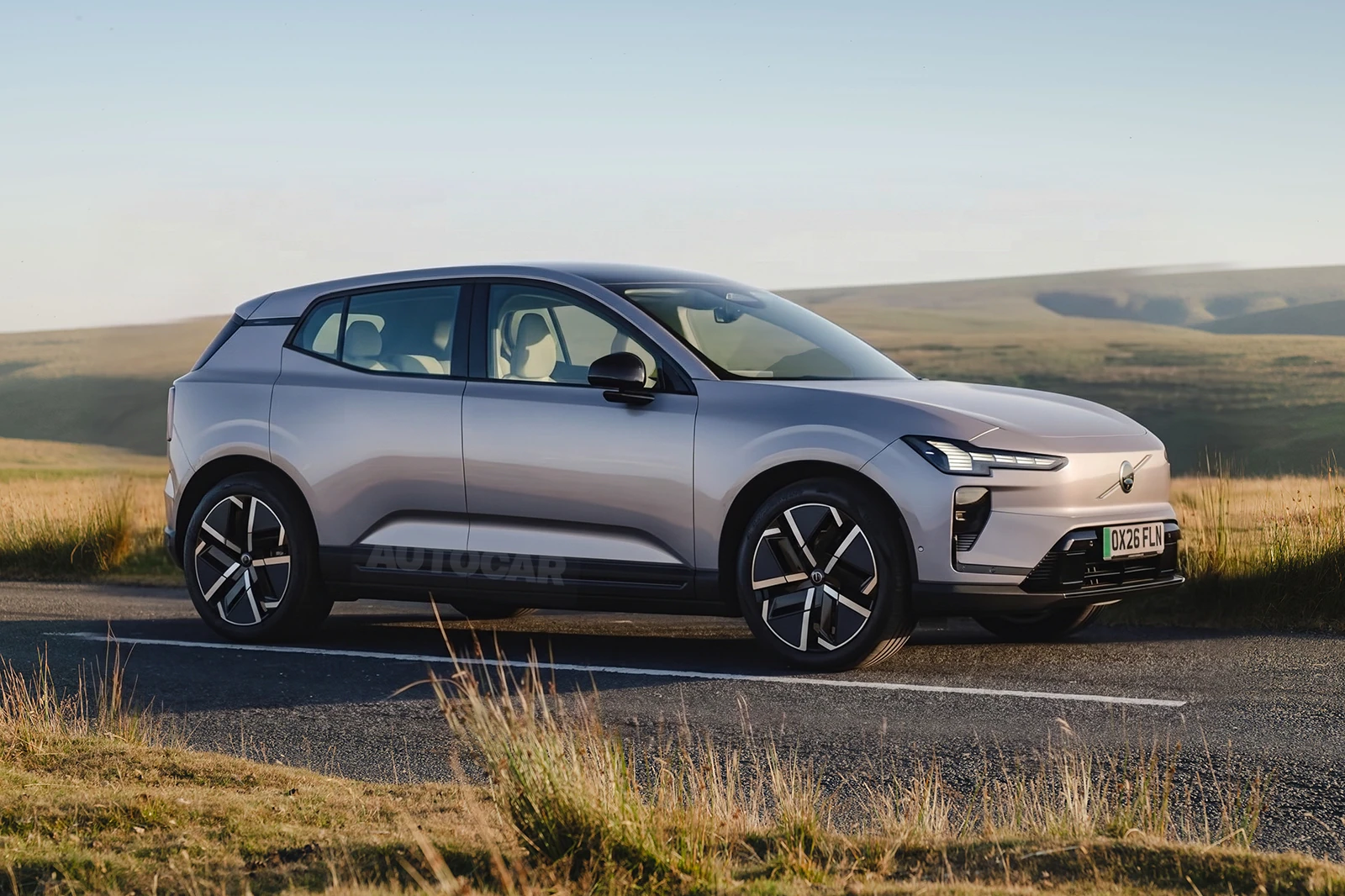
Volvo will add a second model on its new SPA3 electric platform, a more affordable SUV positioned below the EX60 and aimed at a lower-priced segment of the European market, with deliveries expected to begin after the summer of 2027. The car is widely expected to succeed the ageing EX40 electric crossover and to compete with the Skoda Elroq and Ford Explorer.

Volvo has not published prices for the new model. The EX60 it will sit beneath starts at £57,000 and runs to £70,000, while the current EX40 EV starts at £44,000, which frames where the new car is likely to land.

A volume model on a bespoke electric platform

The new car is one of 13 models Volvo plans to launch globally by 2030, and it will be designed and engineered primarily for Europe under the company's regionalised product development strategy. Volvo has said a second, higher-volume SPA3 model will help it recoup the development and production costs of the bespoke platform, a priority as it works toward an 8% profit margin.

The SPA3 architecture can span vehicles from the 4.2m EX30 to the 5.0m EX90, and its battery cells can be rearranged within the floorpan to suit different body shapes. It also introduces a cell-to-body battery design, megacasting production that cuts the number of individual parts, and new-generation drivetrain hardware intended to improve efficiency and dynamics.

What it might share with the EX60

Volvo has not confirmed technical details for the second SPA3 car. If it matches the EX40's size it would be roughly 300mm shorter than the EX60, which makes the larger car's 112kWh flagship battery (over 500 miles of range) unlikely to fit. The mid-range 91kWh pack could potentially be accommodated, which would give a range of more than 410 miles and 370kW fast charging.

Those range figures are quoted on the same cycle Volvo uses for the EX60, so they are not directly comparable with EPA or CLTC numbers published for cars in other markets.

Why the launch matters for Volvo

Volvo is still ramping up the EX60, the electric equivalent of its best-selling XC60, six months after launch. The company says the model is taking longer than planned to reach full output because of the complexity of its new technology and construction, and CEO Håkan Samuelsson has warned that its financial contribution will be delayed.

Volvo has taken more than 50,000 orders for the EX60 but built only 5,000 units since production began in April. Getting the cheaper SPA3 model into volume production faster than the EX60 is therefore central to the plan, and the price gap between the two will decide whether Volvo can pull buyers away from the Elroq and Explorer.

What is still unknown

Volvo has not named the new model, confirmed its body style or announced prices. The company has previously said its European line-up will eventually include new low and high body types, hinting at a return to saloons and estates, but the volume focus of this car makes an SUV more likely given the region's preference for taller vehicles.

The ICE-powered XC40 is expected to stay on sale on the CMA platform alongside the new electric model. Volvo is also developing a flagship SUV for the US on the XC90's SPA2 platform and six China-specific models using Geely modular architecture.

Open this article ↗

Keep scrolling to read the next story.

Older articles →