INDEPENDENT AUTOMOTIVE NEWSGLOBAL PERSPECTIVE / AUSTRALIAN EDITION
TDCNTHE DAILY
CAR NEWS.

The road ahead.
Every day.

RSS ↗
Latest/Australia

341 original articles

Australia / TDCN ORIGINAL

Geely's Xingyao 6 EF sedan runs on methanol, petrol or electricity

The Chinese four-door can switch between fuels in the same tank and claims up to 1880km of combined range on petrol, though Australian plans are unconfirmed.

Geely has unveiled a production sedan that can run on methanol, petrol or electric power, with both fuels able to share the same tank. The Xingyao 6 EF, also called the Galaxy Starshine 6 EF, is a four-door model sized close to a Toyota Camry and is described by Geely as the world's first production methanol hybrid.

The car is a plug-in hybrid rather than a pure electric vehicle, pairing a 1.5-litre four-cylinder engine with an electric motor. Geely has not announced whether it will be sold in Australia.

Two fuel tanks in one, and a long claimed range

Geely says the sedan accepts any blend of methanol and petrol, including running on 100 per cent methanol or 100 per cent petrol. On a tank of methanol plus a full battery charge, the company quotes a combined range of up to 1250km on the CLTC test cycle; switching to petrol extends that figure to 1880km.

Those numbers come from China's CLTC cycle, which is generally more generous than the WLTP or EPA procedures used in other markets, so they are not directly comparable with range figures quoted for cars sold in Australia or Europe.

Electric-only range depends on the battery fitted. The entry-level version uses a 17kWh lithium iron phosphate pack for a claimed 130km of CLTC electric running, while the two higher grades carry a 28.3kWh LFP pack and claim 230km.
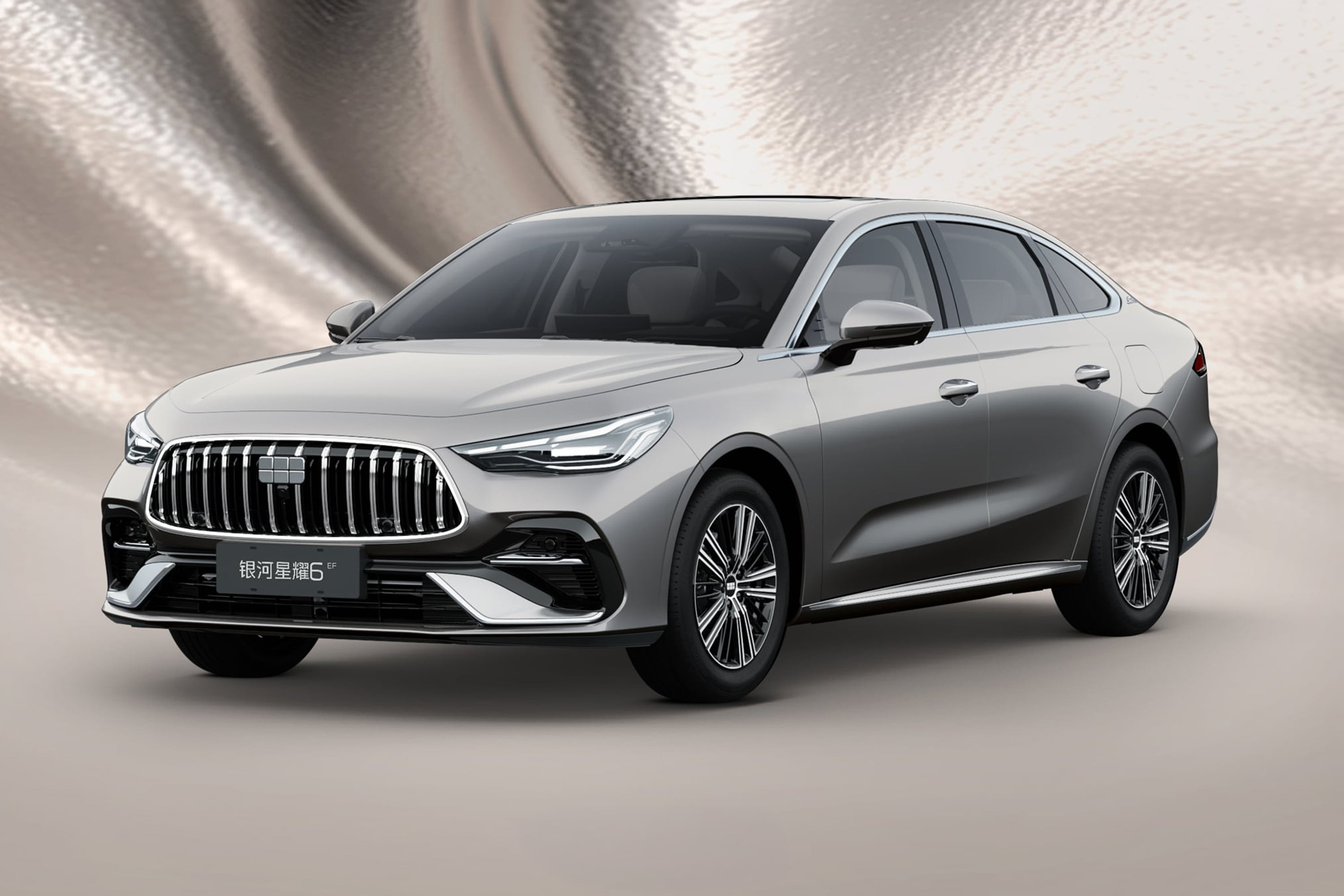
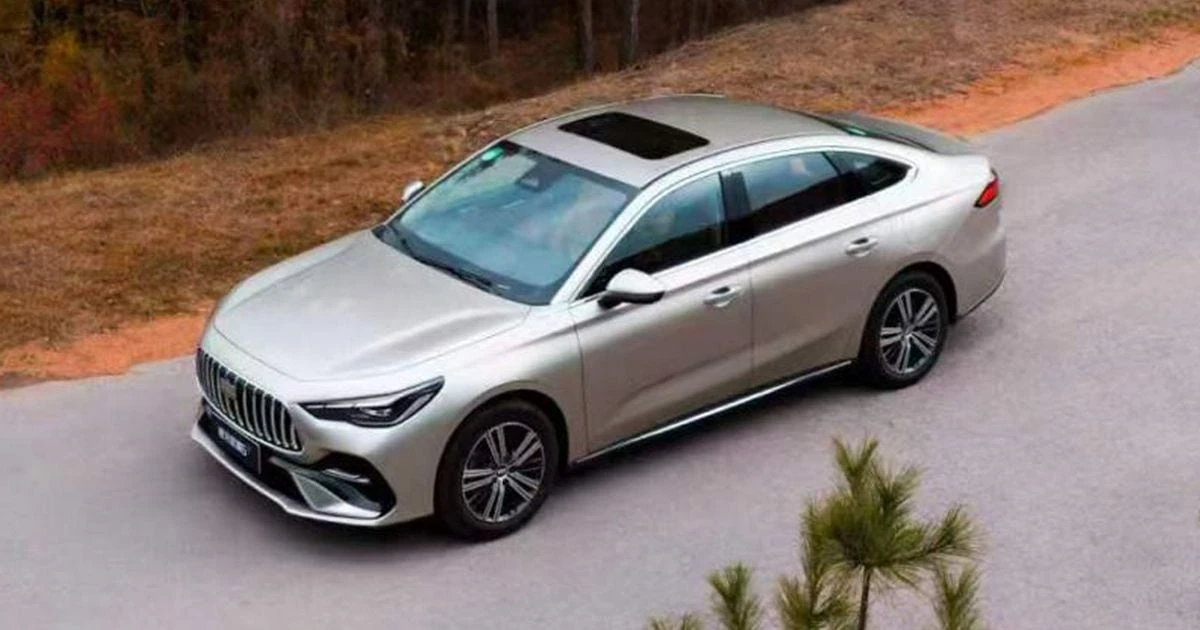
Geely's Xingyao 6 EF sedan: a single body engineered to drink methanol, petrol or electricity.
Geely's Xingyao 6 EF sedan: a single body engineered to drink methanol, petrol or electricity., Image: CarExpert

Powertrain and cold-weather engineering

The petrol engine is a 1.5-litre naturally aspirated four-cylinder producing 93kW and 170Nm, driving the front axle alongside a 140kW/240Nm electric motor. Geely claims the engine was designed specifically for methanol and achieves 48.15 per cent thermal efficiency, which it says is the highest of any mass-produced methanol engine.

Geely also says the car has been engineered for cold starts at temperatures approaching minus 40 degrees Celsius, aimed at the range loss electric vehicles suffer in northern China's winters. In Geely's words, the Xingyao 6 is positioned not as a replacement for electric or conventional hybrid models but as a complementary solution for cold-climate and long-distance driving.

That framing is the interesting part. Methanol sidesteps the charging infrastructure problem in regions where batteries struggle in winter, but it depends on fuel supply, and methanol is not commonly sold at Australian service stations, though it is used in motorsport for its high octane rating.
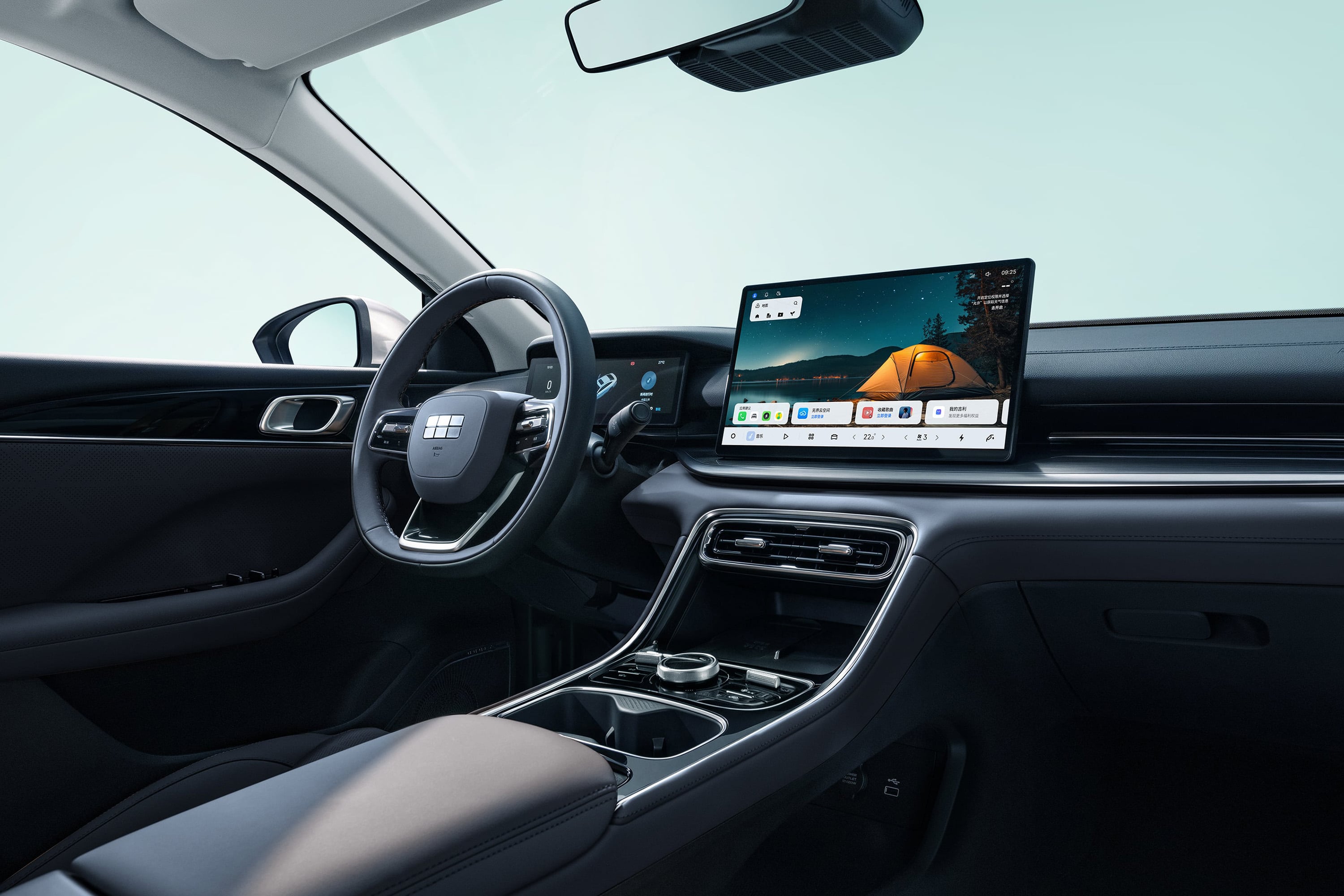
Inside the Xingyao 6 EF, a wide central display anchors a cabin built around its multi-fuel powertrain.
Inside the Xingyao 6 EF, a wide central display anchors a cabin built around its multi-fuel powertrain., Image: CarExpert

Platform links to cars Australia already gets

The Xingyao 6 EF uses Geely's GEA global intelligent electric architecture, the same platform underpinning the EX2 electric hatchback and EX5 mid-size electric SUV currently sold in Australia. It also shares its underpinnings with the Emgrand L EM-i petrol plug-in hybrid, which has been confirmed for Australia with arrival scheduled in the first half of 2027.

Geely Australia has not announced plans to bring the methanol sedan here, so the Emgrand L EM-i remains the confirmed PHEV route into the brand's local line-up for now. Pricing, final specification and market rollout beyond China have not been announced.
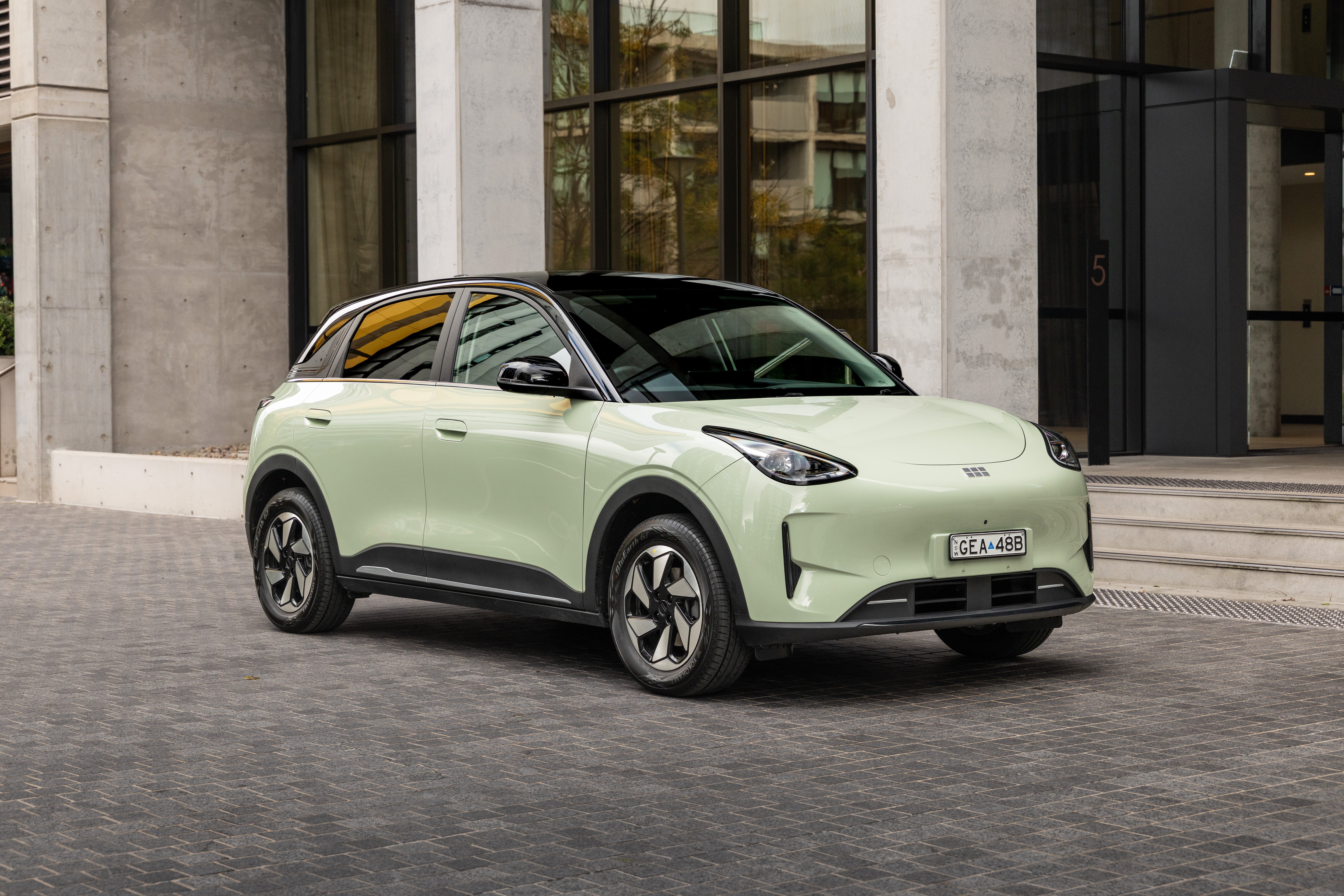
A Geely-group EV hatchback — the kind of electric platform engineering that underpins the Xingyao 6 EF.
A Geely-group EV hatchback, the kind of electric platform engineering that underpins the Xingyao 6 EF., Image: CarExpert
Open this article ↗
New cars / TDCN ORIGINAL

Uber plans 2,000 robotaxis across 20 cities by end of 2027

The ride-hailing giant says it will spend $10 billion on driverless cars, with roughly half the fleet earmarked for the United States.

Uber intends to have 2,000 robotaxis operating in its global fleet by the end of 2027, with about 700 of those online by the end of this year, the company said on its quarterly earnings call. The company put a $10 billion figure on the driverless-car push and said the fleet would be spread across roughly 20 cities worldwide.

About half of the 2,000 vehicles are destined for the United States, with the remainder divided between Europe, Asia and the Middle East, according to executive comments on the call. Uber chief executive Dara Khosrowshahi framed the shift as a commercial one: "Our focus on autonomous is now on commercial execution," he said, describing the next phase as delivering results that show Uber's advantage as a platform for commercialising autonomous vehicles at scale.

The cities and partners Uber has named

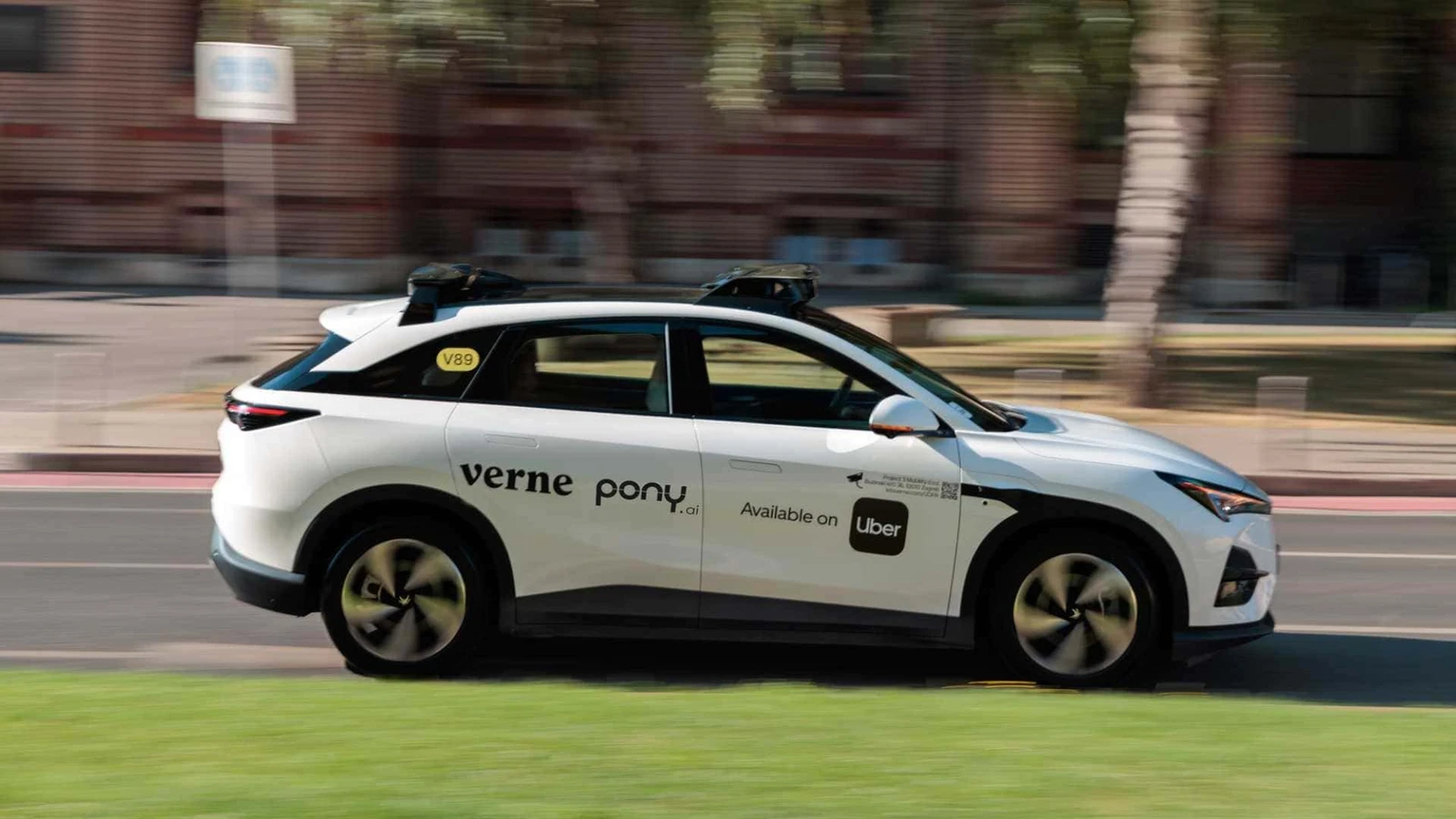
Uber has not published a full list of the 20 cities in the plan, and the sources do not name individual vehicle partners for the 2,000-car fleet. What is clear is that the robotaxis will come through Uber's web of autonomous-vehicle partnerships rather than a single supplier, with the company positioning itself as a platform for driverless rides.

One partner is already visible on the road: in cities such as Atlanta, riders hail a Waymo robotaxi through the Uber app. That arrangement is the most concrete example of the partnership model Uber is scaling, even as the two companies discuss winding down their current contract.

Waymo is both partner and benchmark

Waymo already operates around 4,000 robotaxis across 15 US cities and aims to double that count to 8,000 by the end of this year. It plans to reach a fleet of 20,000 by the end of 2027, which would leave it with roughly four times Uber's planned 2027 total by the end of 2026.

The relationship is under strain. The Financial Times reported that the two companies have internal disagreements about robotaxis and are discussing ending their contract, and a Waymo executive described the partnership as "a little bit of a crapshoot" because Uber customers never knew whether a robotaxi or a human driver would arrive, according to Bloomberg. Waymo says it plans to end its exclusive deal with Uber in Austin and Atlanta in January 2028.

That matters because Uber's 2027 target is modest next to the incumbent it currently leans on. Hitting 2,000 cars would be a real milestone for a platform business, but it does not make Uber a fleet leader. The near-term priority is getting its other partnerships running at scale before the Waymo arrangement unwinds.

How the fleet gets paid for

Uber says it will fund the robotaxi fleet from its own earnings, though it may "bring in third-party capital" once the self-driving fleet grows beyond 10,000 cars. The company has floated an eventual goal of 120,000 robotaxis, according to the Financial Times, without attaching a timeframe.

The balance sheet gives it room to move: Uber said gross bookings rose 20 percent year over year to $59.8 billion. For riders, the practical question is where and when driverless cars actually show up in the app, and the 700 cars promised by the end of this year will be the first test of whether the 2027 figure is a plan or an aspiration.

Open this article ↗

Keep scrolling to read the next story.

Older articles →