INDEPENDENT AUTOMOTIVE NEWSGLOBAL PERSPECTIVE / AUSTRALIAN EDITION
TDCNTHE DAILY
CAR NEWS.

The road ahead.
Every day.

RSS ↗
Latest/Industry

316 original articles

Industry / TDCN ORIGINAL

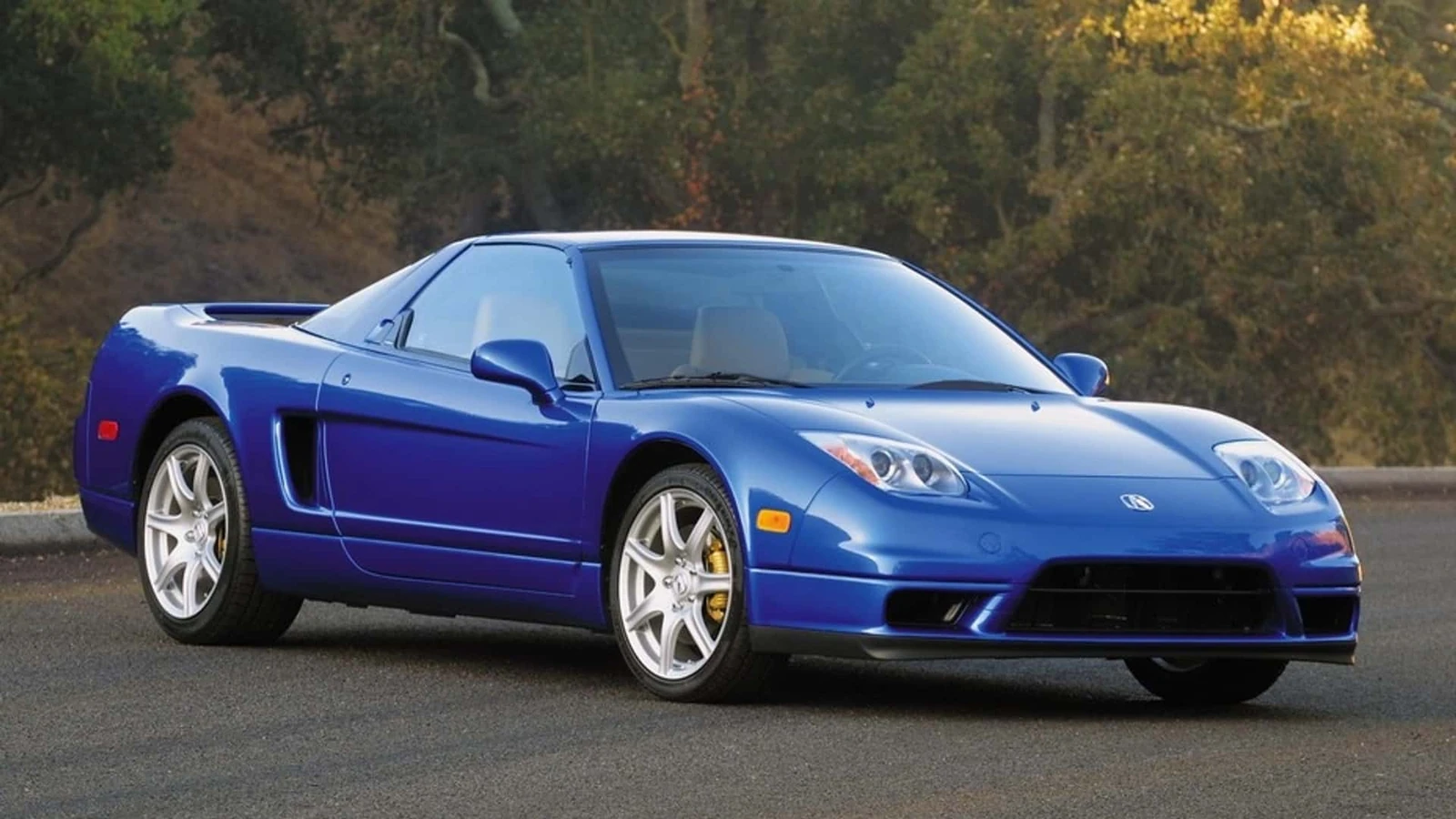
Acura opens US sales of 3,000-plus Heritage Parts for the first-gen NSX

The reproduction and compatible components cover five vehicle systems for 1991-2005 NSX models and are sold through Acura dealers and Honda's DreamShop.

Image: Motor1

Acura began selling more than 3,000 reproduction parts for the 1991-2005 first-generation NSX in the United States on November 2, moving the Honda Heritage Parts program from announcement to actual orders. The parts are available through Acura dealerships and Honda's DreamShop.

The catalog spans powertrain, chassis, electrical, exterior and interior systems, a deliberately broad scope for a car whose used-parts supply is notoriously thin. American Honda Motor Co., Inc. confirms the 3,000-plus figure applies specifically to the first-generation NSX.

Two tiers of parts, and an information gap

The catalog is split into two categories that matter to anyone restoring a car to original specification. Genuine Honda Reproduction Parts are made with the same materials and production methods as the factory originals, effectively correct replacements. Honda Compatible Parts are redeveloped substitutes for components Honda no longer manufactures, engineered to fit and function properly without necessarily following the original production process.

Neither Acura nor Honda has published a part-by-part breakdown showing which category each component falls under, and pricing does not appear in the launch materials. Buyers have to check the catalog directly or work with a dealer parts department to confirm whether a given piece, such as a wiring harness or bumper cover, is available and under which designation.

That gap has practical consequences during a restoration, since the category a part belongs to can affect both cost and how long a repair takes. Confirming availability before booking a repair timeline avoids a wasted dealer trip.

Why a supercar gets a parts program

Keeping a low-volume supercar supplied decades after production ends is the point of the program: it lets owners maintain and keep cars that would otherwise be parked because a single component is missing. Mack Hogan, writing on the launch, noted that supporting a supercar long after production can also strengthen the second-hand market and the broader value of the nameplate, which matters to anyone treating a first-gen NSX as an investment.

Acura had already detailed the Heritage Parts program months before the November 2 sales start, so the news is the switch from plan to order book rather than a surprise reveal.

What comes next is unnamed

Honda has said Heritage Parts will eventually extend to additional classic Acura and Honda performance cars, but it has not named which models will follow the NSX. Until that list appears, first-gen NSX owners are the only ones with a factory parts channel under this program.
Open this article ↗
Electric / TDCN ORIGINAL

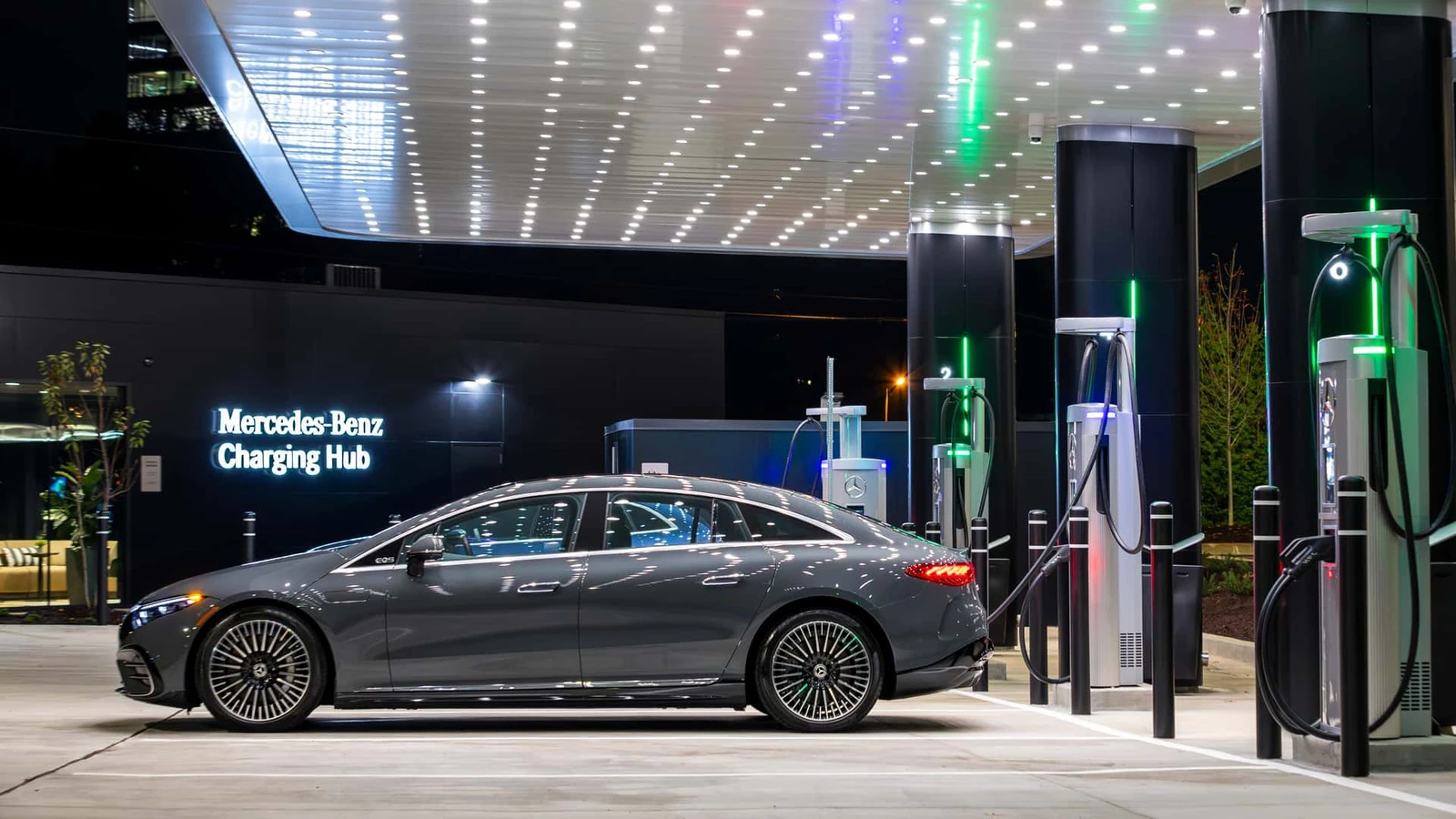
Mercedes-Benz sells its European EV charging network to Electra

The 374-port network across 47 locations is now part of Electra, and Mercedes drivers get discounted charging at more than 5,000 Electra points.

Mercedes-Benz has sold its European EV fast-charging network to French operator Electra, ending its run as an owner-operator of chargers in the region. The disposal was disclosed in the automaker's third-quarter financial report, which valued the assets associated with the business at €99 million ($111 million).

The network comprised 374 fast-charging ports at 47 locations across Europe, all of which now belong to Electra. The sale was first reported by Electrive.

What Mercedes drivers get from the deal

Electra becomes a "Premium Partner" for Mercedes-Benz, second only to Ionity in that tier. Mercedes EV drivers can charge at discounted rates at more than 5,000 Electra chargers across 800 locations in several European countries.

The former Mercedes stalls were folded into Electra's network this past weekend; card payment terminals will be replaced soon and station branding switched to Electra's.

For drivers, the practical change is less about where the plugs are than who runs them. The hardware stays put, but the premium access Mercedes once built for itself now comes through a partner deal, which is a cheaper way for the brand to keep offering perks without owning the sites.

Why the company stepped back

Mercedes-Benz now relies exclusively on third-party operators for EV charging in Europe. Paul Tonini, Electra's General Manager for Germany, told Electrive that the market is consolidating around larger providers, leaving relatively small players like the former Mercedes-Benz Charging Network struggling to keep finances in check.

Scale cuts both ways here: a bigger network spreads costs and earns more, while a 374-port operation sits below the size where that maths works. Mercedes keeps the customer benefit and sheds the capital burden, while Electra absorbs the sites into a network it is already growing.

The 10,000-charger target is now a partnership question

The Mercedes-Benz Charging Network launched just three years ago with a goal of more than 10,000 fast chargers globally by the end of the decade. The sources do not say whether that global target survives the European sale, or whether it will now be met largely through partners rather than Mercedes-owned sites; that has not been announced.

What is clear is the hardware standard the network had reached. Mercedes used high-powered equipment from Alpitronic, with most sites carrying 400-kilowatt dispensers, and earlier this year the first 1,000-kilowatt-capable stalls were installed at charging parks in Europe and North America.

That matters because the chargers being handed over are not legacy kit. Electra is inheriting some of the fastest hardware in Europe, which makes the sale a transfer of capable infrastructure rather than a retreat from fast charging itself.

North America is unaffected

Mercedes-Benz's US fast-charging business is untouched by the European sale. Its High-Power Charging network in the United States has 748 charging ports at 80 locations, according to the Department of Energy's Alternative Fuels Data Center, with a further 62 ports at eight stations in Canada.

So the company is not leaving charging altogether. It is narrowing its role in one market, Europe, where Ionity and now Electra give it partner access, while keeping its own network running across the Atlantic.

Open this article ↗

Keep scrolling to read the next story.

Older articles →