INDEPENDENT AUTOMOTIVE NEWSGLOBAL PERSPECTIVE / AUSTRALIAN EDITION
TDCNTHE DAILY
CAR NEWS.

The road ahead.
Every day.

RSS ↗
Latest/Electric

306 original articles

Electric / TDCN ORIGINAL

BYD Yangwang U9 Xtreme hypercar crashes during high-speed testing in China

The 2,977-hp electric record-holder was wrecked days before a planned attempt on 311 mph, though the driver reportedly escaped serious injury.

Image: Motor1

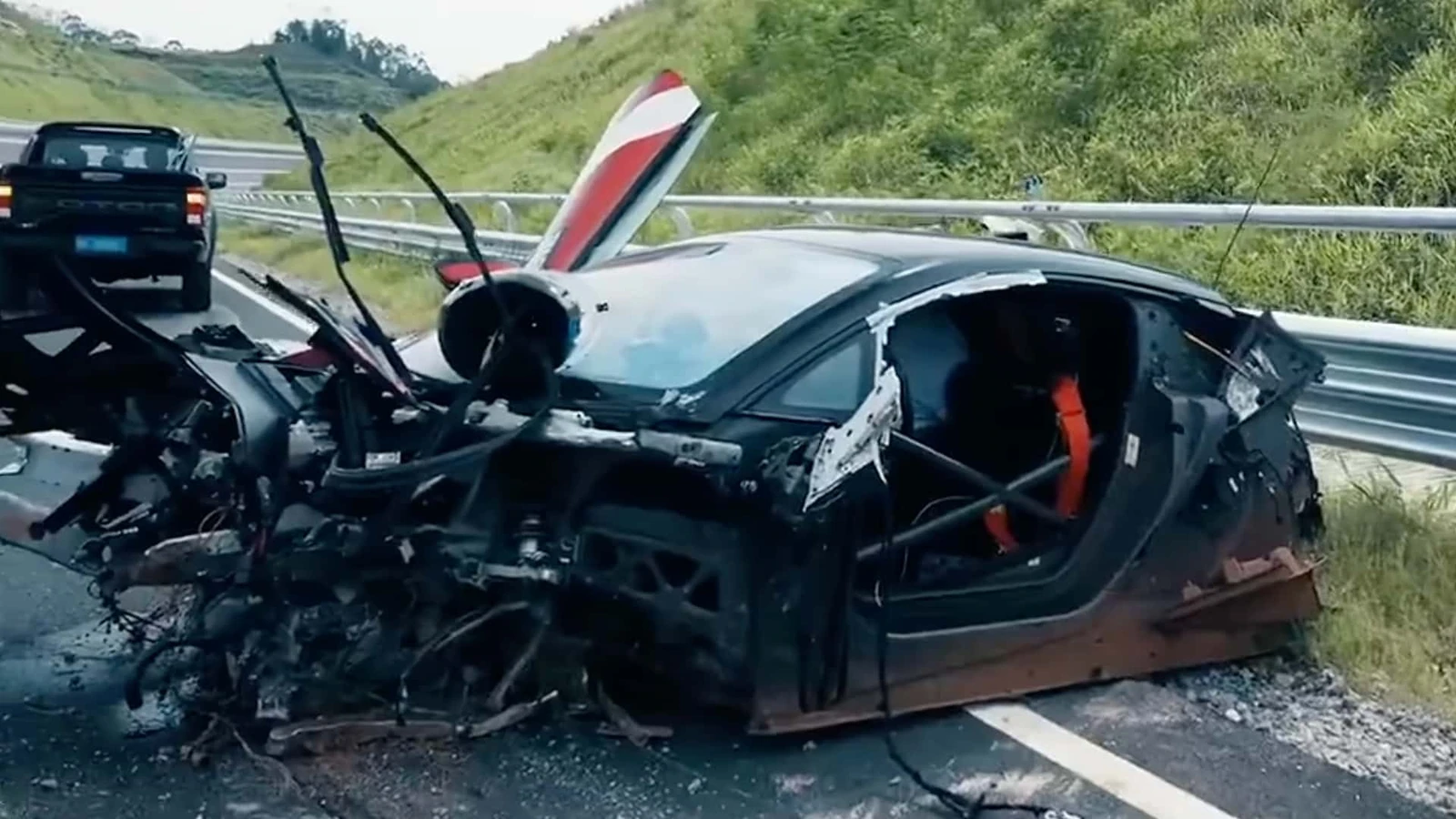
BYD's Yangwang U9 Xtreme, the 2,977-horsepower electric hypercar that holds the production EV speed record, crashed during high-speed testing in China, with images of the wrecked car circulating on Chinese social media from November 2. The crash came just days before the car was due to make another attempt at breaking 311 mph (500 km/h).

Video and photos of the damaged car, surfaced by CarNewsChina, show the U9 Xtreme appearing to lose control on a closed track before hitting a barrier hard enough to tear the rear axle assembly completely away from the vehicle. BYD has not said how fast the car was travelling at the moment of impact, nor exactly what caused the loss of control.

Driver escapes without serious injury

Despite the violence of the impact, the test driver reportedly walked away without serious injuries and was able to climb out of the wreckage unaided. Photos show heavy damage to both the front and rear bodywork, but the passenger compartment appears to have remained largely intact, and there were no immediate reports of a battery fire.

That outcome points to the strength of the car's carbon-fibre-intensive safety structure. BYD says the regular U9 uses a "Super Carbon-Fiber Cabin" built for high torsional rigidity and occupant protection in a crash, and the same approach underpins the Xtreme. For a car capable of close to 500 km/h, keeping the survival cell intact in a barrier strike is the whole point of the design.

An established record holder

The U9 Xtreme is the most extreme version of BYD's U9 electric supercar. In September 2025 it reached 308.3 mph (496.22 km/h), a run BYD officially confirmed as the world's fastest production EV.

Its powertrain pairs four electric motors producing a combined 2,977 horsepower with a 1,200-volt electrical architecture and an 80.0-kilowatt-hour battery pack. Track-focused semi-slick tyres and a heavily revised version of BYD's DiSus-X suspension system complete the package. The four-motor e4 platform allows torque at each wheel to be controlled independently, the same basic technology behind the regular U9's party tricks, including its ability to jump and "dance", but tuned here for high-speed driving and cornering.

The 500 km/h run is still on the agenda

BYD has already confirmed it will take the U9 Xtreme back out for another high-speed run in the United Arab Emirates, aiming to beat its existing 308-mph mark and finally crack the 311-mph (500 km/h) barrier. Whether this crash affects those plans has not been announced.

The timing is awkward: a car built to chase a record just days later needs to be rebuilt before it can chase anything. The reassuring part is that the damage, however dramatic in photographs, appears confined to the bodywork and rear axle rather than the structure that protects the driver.
Open this article ↗
Australia / TDCN ORIGINAL

Kia Australia keeps PHEV and range-extender hybrids on its wishlist, but confirms nothing yet

Kia's local product planning boss says more plug-in hybrids and EREVs are under study, though the current EV and hybrid mix already earns NVES credits.

Kia Australia has not ruled out adding more plug-in hybrid models, or range-extender electric vehicles, but says nothing is confirmed and its existing electric and hybrid range is already keeping it in credit under the Federal Government's New Vehicle Efficiency Standard (NVES).

The brand's local arm currently sells just one PHEV, the Sorento large SUV, alongside hybrid and turbo-diesel versions of the same vehicle.

What Kia Australia is saying

Raymond Pok, Kia Australia's senior manager for product planning, said the company is "always looking at more electrified and more green powertrains across all model lines with R&D", including range-extender hybrids as well as plug-in hybrids.

He framed the current line-up as a deliberate balance: a strong EV range plus hybrids of the Seltos, Sportage, Sorento and Carnival, which he said puts Kia in a "good credit position" against the NVES.

"Nothing we can confirm at this point in terms of any of those powertrain types," Mr Pok said, adding that the options are "definitely on our wishlist" and are assessed model by model at facelift or full model change milestones.

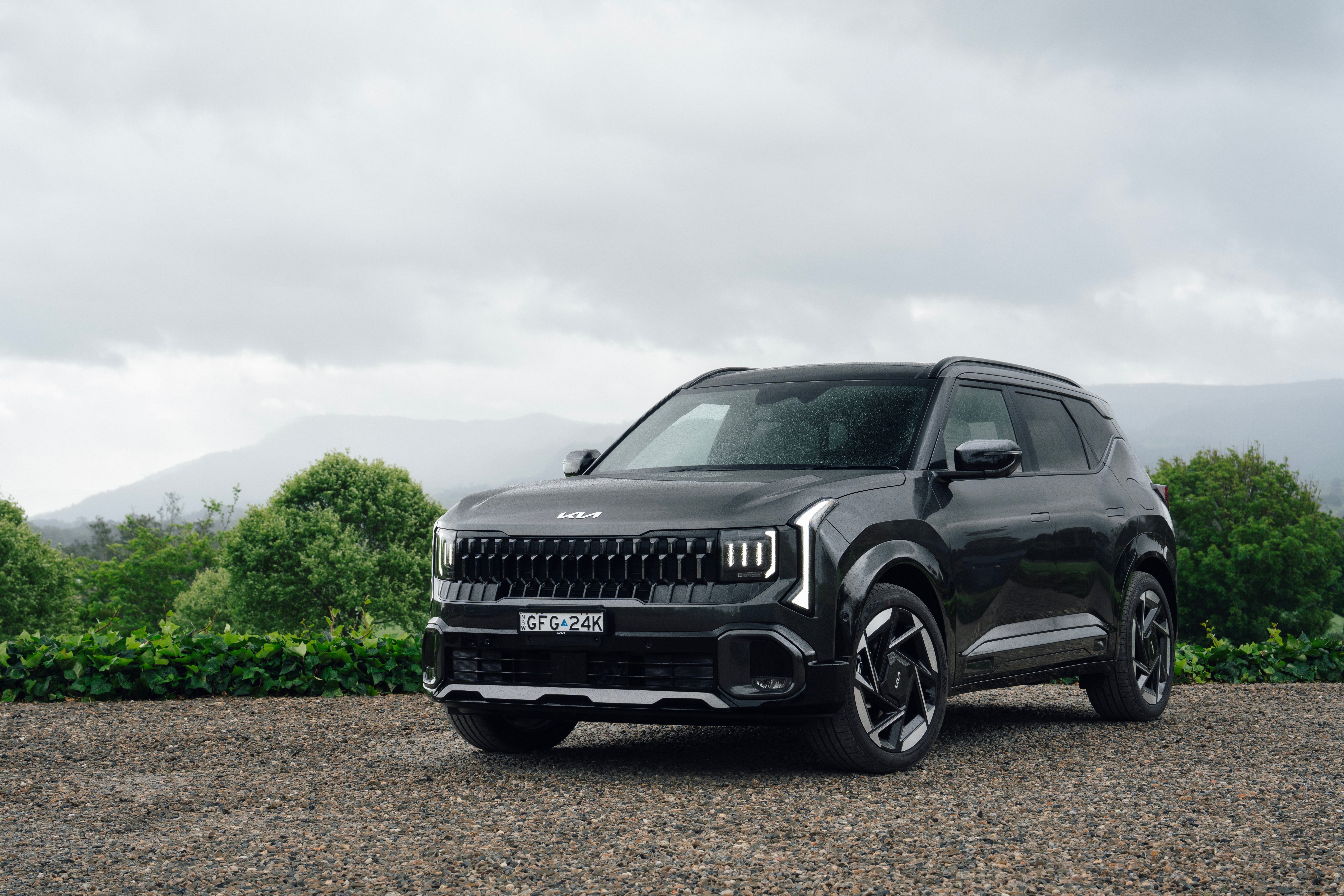
Kia's Australian lineup already includes electrified SUVs like this Sorento, but PHEV and range-extender variants remain under consideration.
Kia's Australian lineup already includes electrified SUVs like this Sorento, but PHEV and range-extender variants remain under consideration., Image: CarExpert

Why the mix matters more than the wishlist

The NVES rewards selling enough low- and zero-emission vehicles to offset higher-emitting ones, so a brand's credit position depends on the blend of EVs, hybrids and combustion models it moves, not on any single powertrain.

That explains Kia's caution. Adding a PHEV variant only makes sense where it improves the local balance, and Kia's existing EV and hybrid spread is already doing that job. For buyers, the practical effect is that a new plug-in or range-extender Kia is a possibility tied to model cycles, not a scheduled arrival.

The Sorento is central to Kia Australia's electrified wishlist, though nothing is confirmed for local launch.
The Sorento is central to Kia Australia's electrified wishlist, though nothing is confirmed for local launch., Image: CarExpert

Where the plug-in hybrids already exist

Kia's global range is broader than its Australian one. The current Sportage is offered with a plug-in hybrid powertrain in North America and Europe, though Europe gets a shorter-wheelbase version built locally.

The second-generation Niro was previously sold with a PHEV powertrain in other markets, and Kia Europe has offered PHEV versions of the Ceed and Xceed, effectively its version of the previous Cerato. In Australia, the first-generation Niro crossover was previously sold as a PHEV alongside hybrid and EV variants.

Elsewhere, Kia's electrification has leaned more towards mild hybrids in Europe and battery electric vehicles more broadly.

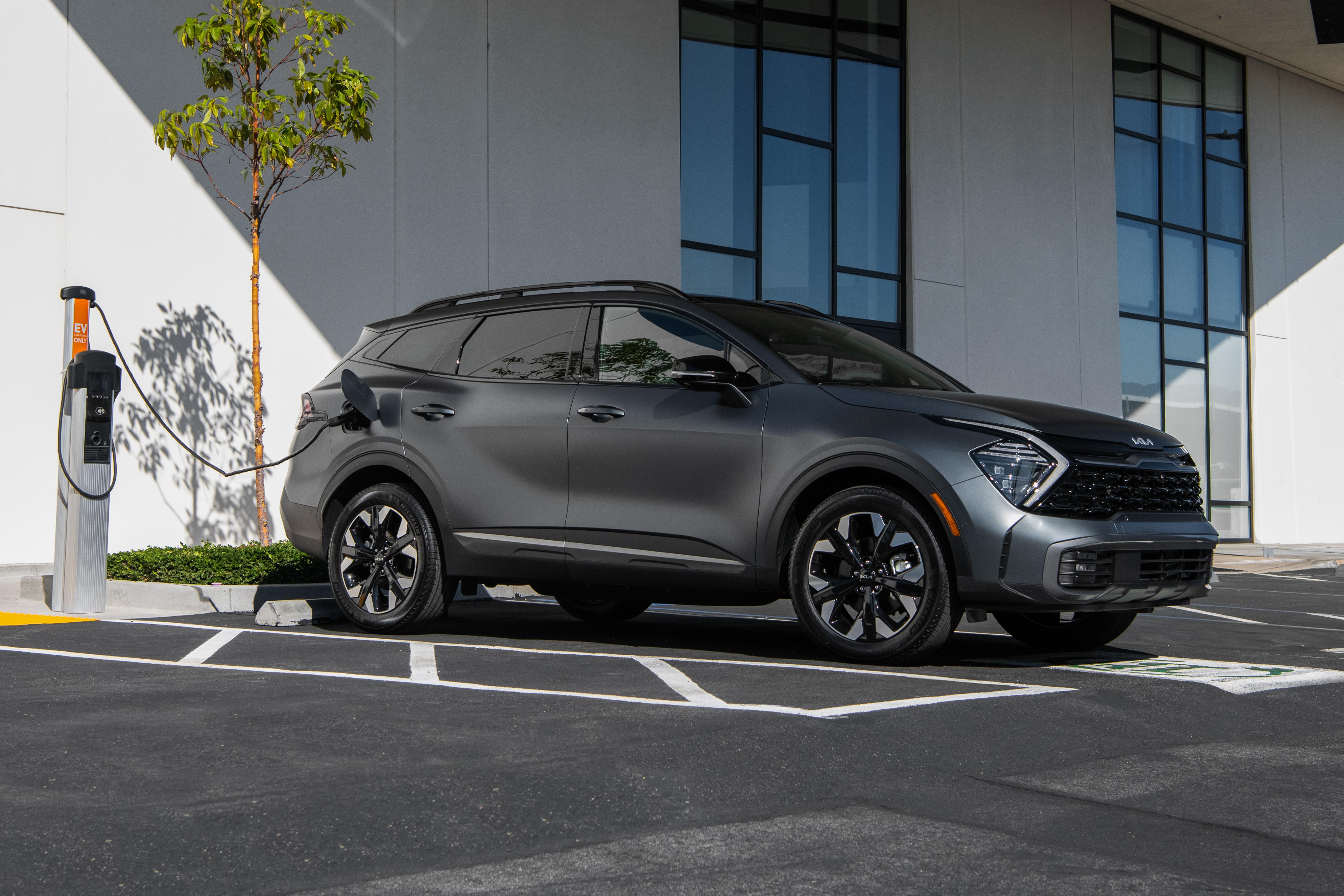
Plug-in hybrid hardware already exists in Kia's global range, as this charging Sportage illustrates.
Plug-in hybrid hardware already exists in Kia's global range, as this charging Sportage illustrates., Image: CarExpert

Range-extenders are on the group agenda

Kia's parent Hyundai Motor Group has signalled a strategic shift towards extended range electric vehicles, starting with a version of the current Santa Fe SUV that is due to begin production in 2027.

Kia itself has not confirmed its first EREV. An EREV differs from a plug-in hybrid in that the combustion engine works as a generator rather than driving the wheels, which is why Kia's product planners group the two technologies together as options under study rather than as committed product.

What is still unknown

Kia Australia has not announced which models would gain a PHEV or EREV powertrain locally, when they would launch, or what they would cost.

The only firm signal is timing logic: any decision would come at a facelift or full model change, so the next round of updates to Kia's Australian line-up is when the question would be settled.

Open this article ↗

Keep scrolling to read the next story.

Older articles →