Volkswagen is evaluating whether software developed in China with Xpeng could form the basis for future mass-market models from its Volkswagen, Skoda and Cupra brands in Europe, according to a report summarized by Reuters. The plan is still under discussion inside the group, so no European model line-up or timing has been confirmed.
The move would mark a sharp break from Volkswagen's old "in China, for China" approach. The China Electronic Architecture (CEA) is already in use in five locally produced all-electric Volkswagen brand models in China, including the Yuzhong 06 and Yuzhong 07.
What Volkswagen has confirmed for other markets
Volkswagen has said the China Electronic Architecture will underpin next-generation models bound for South America and South Africa, with integration into South American product lineups planned to start in 2030. Exports of China-developed vehicles are also due to ramp up around 2026, with China-built Volkswagens already heading to markets including Mexico and parts of Southeast and Central Asia, and more destinations planned afterward.
The broader package, called VEGA, was laid out by Volkswagen Group China at a Technology Day event in Hefei. It ties together the China Main Platform, the China Electronic Architecture, and China-developed software and driver-assistance systems into one scalable package for software-defined vehicles across multiple segments. The China Main Platform targets A-segment battery-electric and plug-in-hybrid models, with a stated goal of more than 373 miles of CLTC range and roughly 11 kWh per 62 miles in its most efficient version. Those range and efficiency figures are quoted on the CLTC cycle used in China, not WLTP or EPA.
What the architecture changes technically
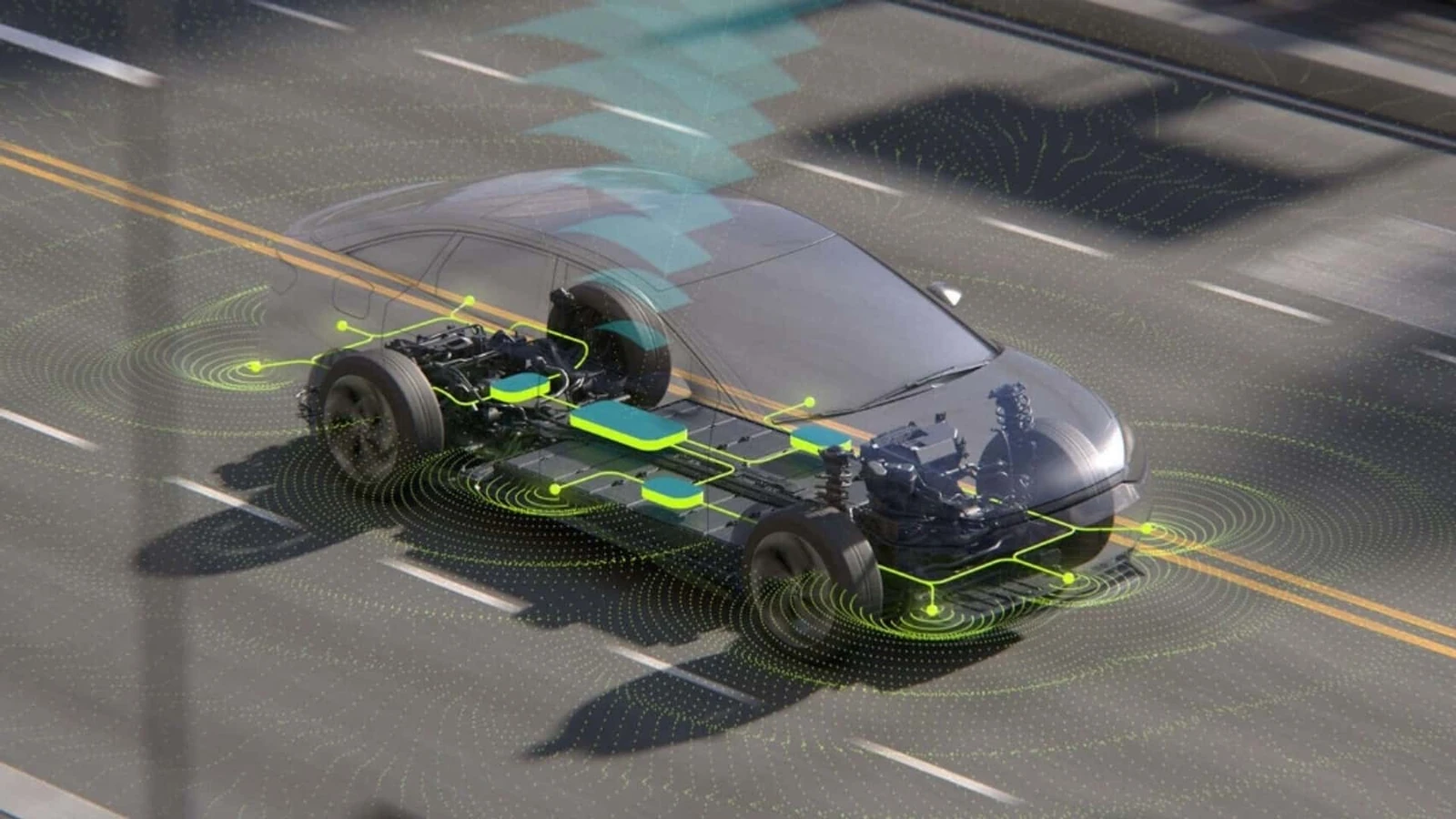
The architecture trims the number of electronic control units by about 30 percent compared with Volkswagen's older setups, a reduction the company says is central to cutting development costs and complexity across its lineup. It is a hardware play as much as a software one: Volkswagen intends to bring the same architecture to plug-in-hybrid and combustion models in China by 2027, widening its reach beyond the battery-electric vehicles where it currently lives.
Further out, Volkswagen is targeting Level 4 automated driving by 2029, built on a third-generation version of the China Electronic Architecture paired with a Volkswagen-developed C7H control chip. That target sits alongside the South America plan and the potential European rollout.
For European buyers, the significance is cost. A software stack shared across VW, Skoda and Cupra mass-market cars would let the group spread development spending over far more vehicles, which is where the roughly 30 percent control-unit reduction matters most. The Europe proposal, as summarized, would cover roughly three quarters of the next-generation lineups for the three brands.
Which European models would use it
Volkswagen has not named specific European models or a launch date for the European rollout. The report indicates only that the China Electronic Architecture could form the basis for future mass-market cars from VW, Skoda and Cupra in Europe, covering roughly three quarters of their next-generation lineups, with the plan still under discussion inside the group.
The strategy also puts pressure on Rivian, Volkswagen's US software partner in a $5.8 billion investment central to CEO Oliver Blume's technology plans. A separate report from German outlet Manager Magazin said core brand chief Thomas Schäfer is weighing a proposal to use China-developed software as the basis for future Volkswagen, Skoda and Cupra models, which would leave Rivian focused on other group brands even if the joint venture itself stays in place. That detail rests on Manager Magazin's reporting and should be treated as unconfirmed until the group comments.
Why the shift matters
Volkswagen's Chinese software operation was built to serve Chinese buyers with local partners. Extending it to Europe and the Global South turns it into a group-wide cost base, and the brands most exposed to that logic are the volume names, VW, Skoda and Cupra, rather than premium marques. The catch is that the European plan is still a study, not a decision, so the models that would carry the software and the dates they would arrive remain open.