INDEPENDENT AUTOMOTIVE NEWSGLOBAL PERSPECTIVE / AUSTRALIAN EDITION
TDCNTHE DAILY
CAR NEWS.

The road ahead.
Every day.

RSS ↗
Latest/New cars

253 original articles

New cars / TDCN ORIGINAL

Bugatti CEO Mate Rimac's own Chiron Sport stolen and driven across Europe

Rimac chased the stolen hypercar through Slovenia into Austria in his Porsche 911 after a thief reportedly tried to drive it to Germany.

Mate Rimac, the CEO of Bugatti and founder of Rimac, has confirmed that his own Bugatti Chiron Sport was stolen from the Rimac campus near Zagreb, Croatia, and driven across Europe before being pursued by its owner. The car is estimated to be worth about €3 million, or roughly A$4.75 million.

How the theft unfolded

Rimac said a man who had come to the campus looking for work simply walked in and took the car, and that the site has no fences, though a pass is needed to reach certain areas. He admitted the theft could easily have gone unnoticed because friends and colleagues from the company regularly use his cars, so he often does not know where they are.

The alarm was raised only when someone spotted an unfamiliar driver behind the wheel, prompting colleagues to check the car's whereabouts in a group chat and call the police. Rimac said the company then pulled telemetry data covering speed, fuel level and location, which showed the thief heading for Slovenia.

With the thief holding roughly a one-hour head start, Rimac set off in his Porsche 911, which had a full tank of fuel, and chased the Chiron through Slovenia and into Austria. He had hoped the car would be caught before crossing a border so the crossing could be closed, but the thief reached Austria first. A fuel stop appeared to give Rimac a chance to close the gap.
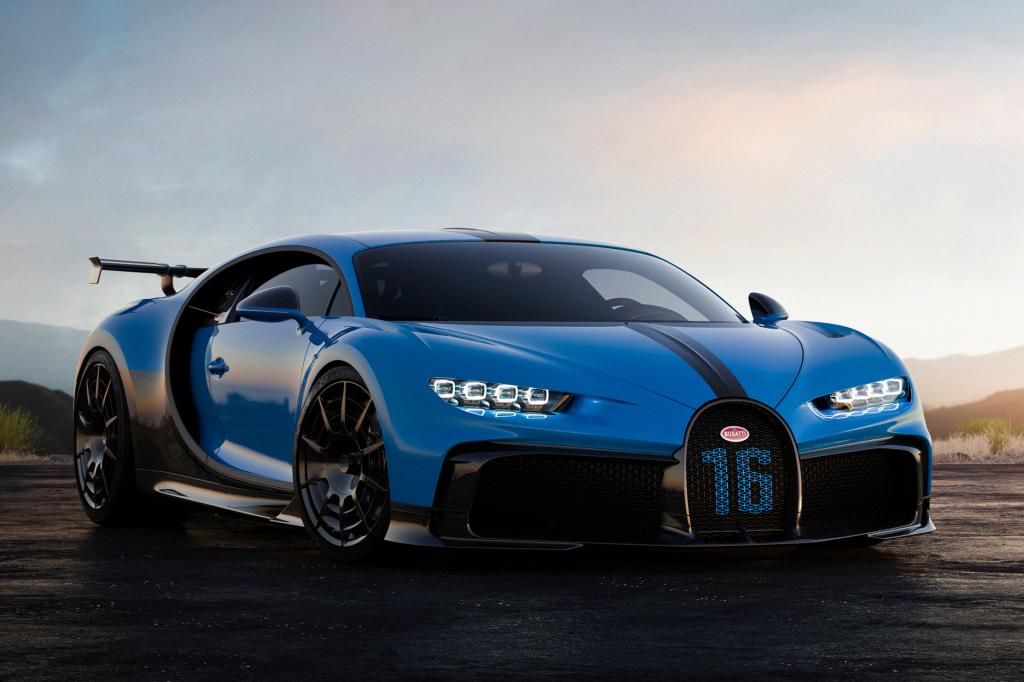
A Chiron Sport like the one stolen, shown in full
A Chiron Sport like the one stolen, shown in full, Image: CarExpert

Why the keys were in it

Rimac said he has long left his keys inside his cars, including the Chiron and the Rimac Nevera, out of confidence in how safe Croatia is, and that nothing had ever gone wrong until now. The Chiron Sport is among the fastest production cars in the world, with an 8.0-litre quad-turbocharged W16 making 1103kW and 1600Nm, a 0-100km/h time of 2.4 seconds and a top speed electronically limited to 420km/h.

That matters because the thief was not piloting a slow car across borders. A machine capable of 420km/h can put a lot of distance between itself and a pursuer, even one in a 911, which explains why the head start proved so hard to claw back.
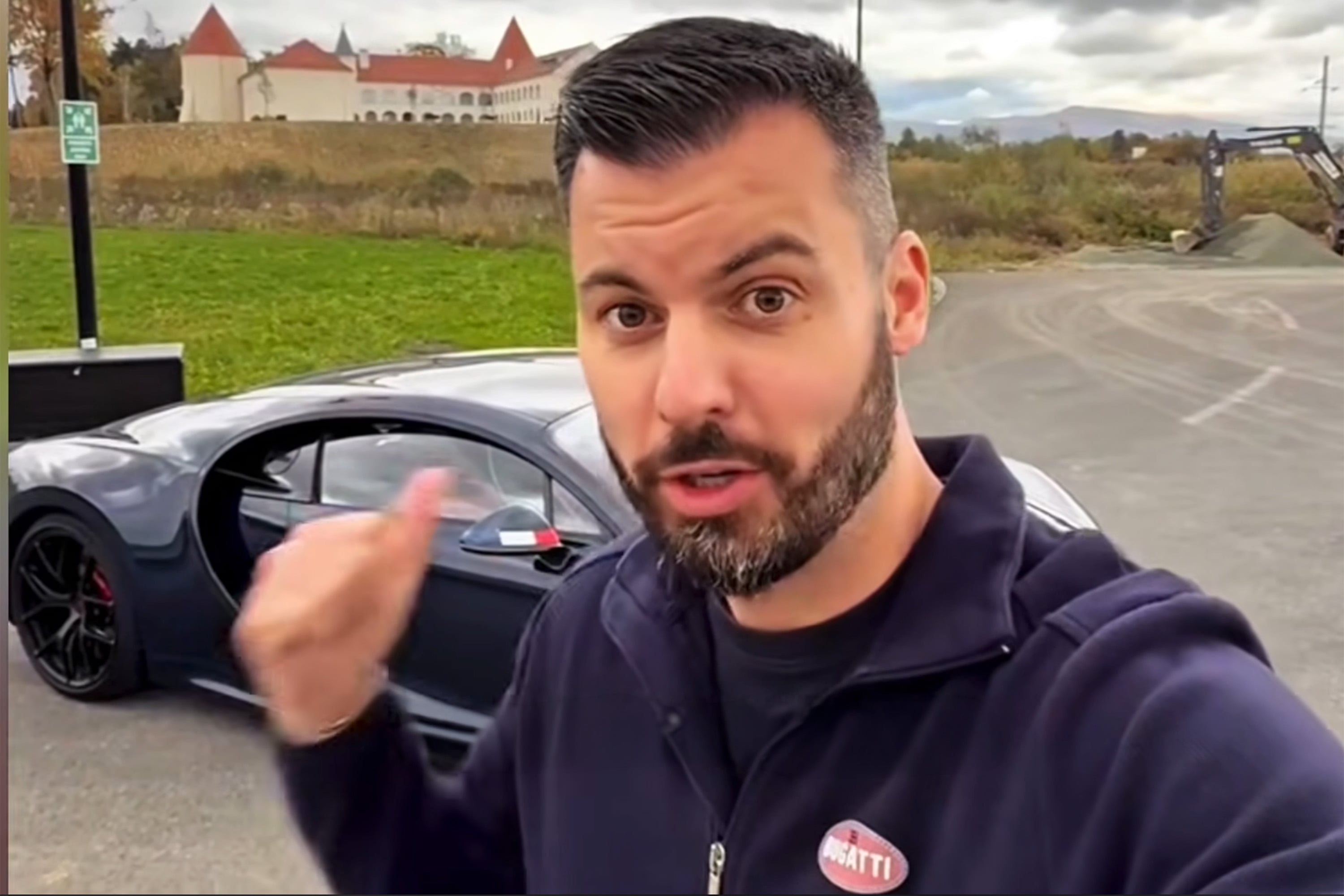
Mate Rimac explains the theft in his own words
Mate Rimac explains the theft in his own words, Image: CarExpert

What is still unknown

Rimac confirmed the theft in a social media clip shared on YouTube by Car Chronicles, and the pursuit was still being played out as he spoke. Whether the Chiron was ultimately recovered has not been announced in the source material.
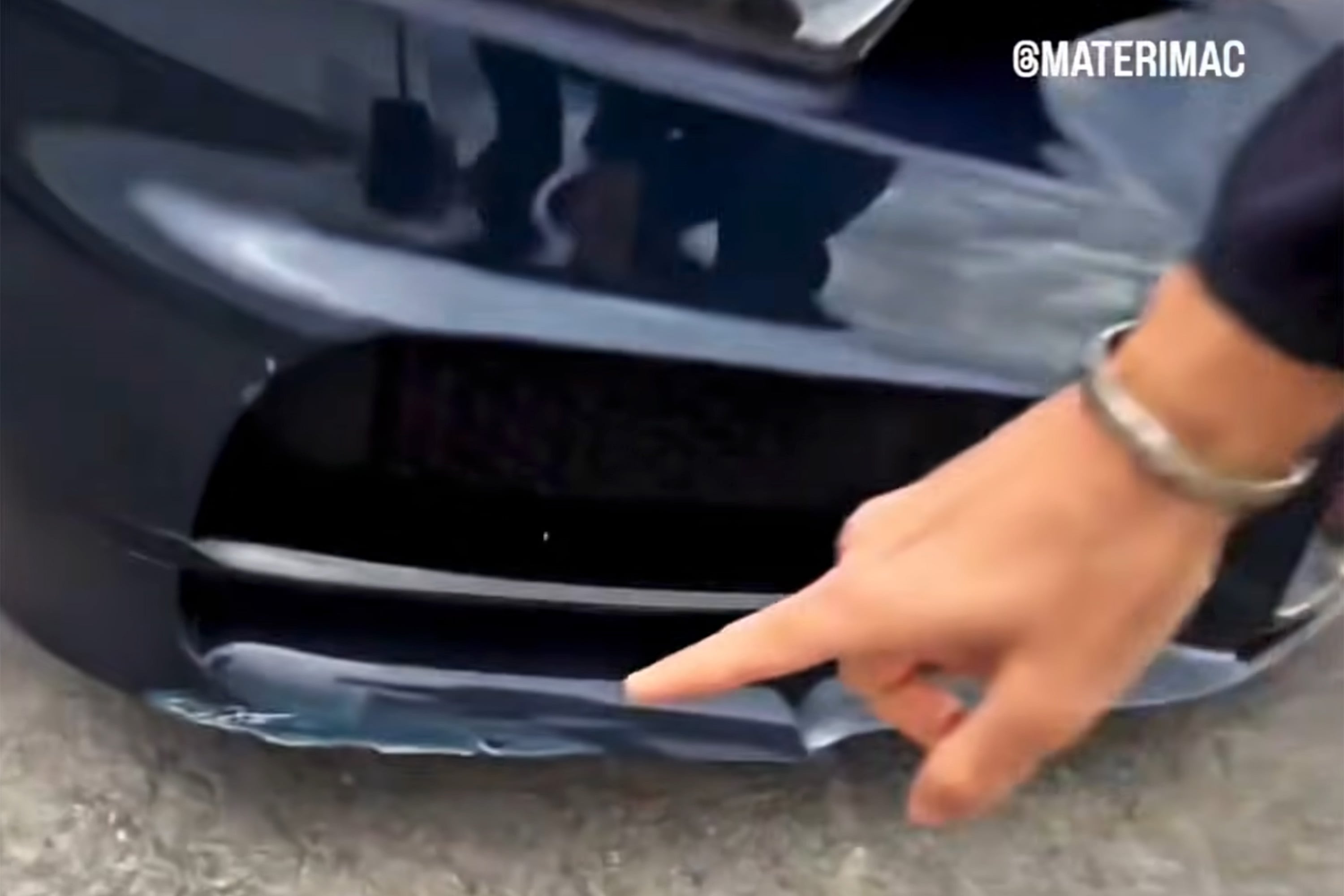
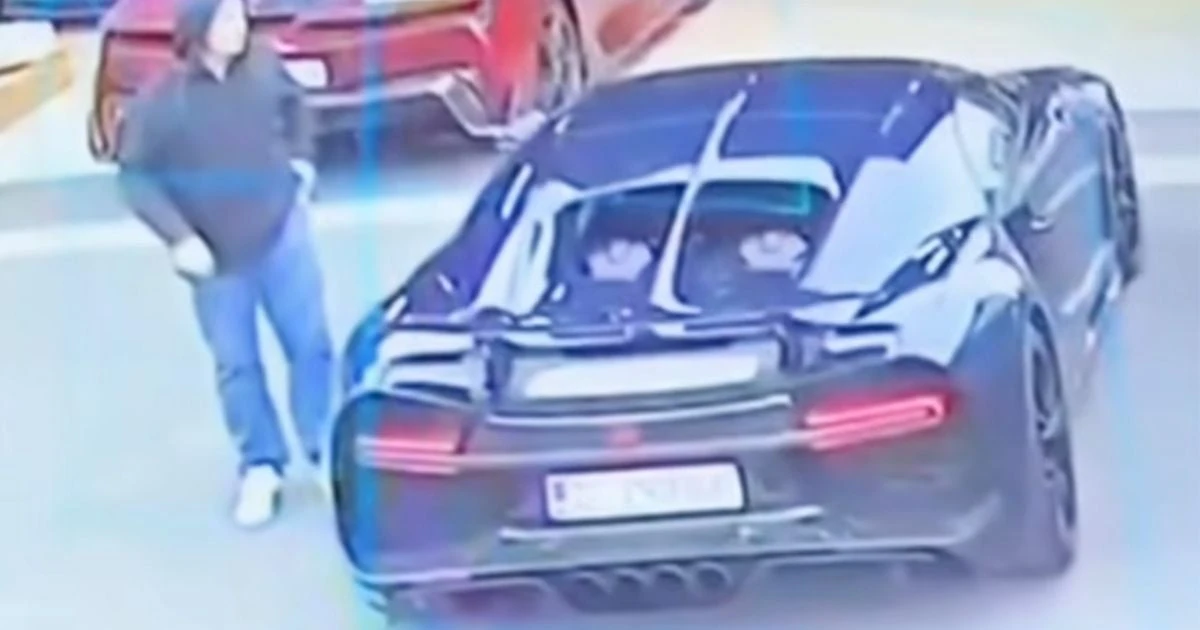
Rimac points out damage to the Chiron's front bumper
Rimac points out damage to the Chiron's front bumper, Image: CarExpert
Open this article ↗
Australia / TDCN ORIGINAL

Australia declines to ban Chinese cars from military bases, Defence Minister says

Richard Marles says Australia continues to monitor base security but has not followed the US, UK, Poland and Czechia in restricting Chinese vehicles.

Australia has not joined the United States and several other countries in banning Chinese-made vehicles from military sites, Defence Minister Richard Marles said on Wednesday. "We obviously continue to monitor all the safety around our bases in every respect, but we haven't taken that step," Marles said, as reported by Reuters.

The decision leaves Australia out of step with a growing list of governments that have restricted connected Chinese vehicles near sensitive defence locations over concerns about data collection and recording.

Why other countries moved first

The United States announced earlier this month that BYD vehicles would be barred from Kadena Air Base on Okinawa island in Japan. Brigadier General John Gallemore said the decision followed "a thorough, consultative process which determined that these vehicles present an unacceptable and unmitigable risk to our personnel and our mission".

Poland this year banned Chinese-manufactured vehicles from secured military facilities unless specified recording or connectivity functions were disabled, and barred military personnel from connecting work phones to their infotainment systems. The UK and Czechia have introduced similar restrictions.

In Switzerland, connected vehicles are not permitted to drive near sensitive defence locations. Serge Bavaud, director of the Federal Intelligence Service, told Swiss outlet SRF: "These cars are smartphones on wheels. The authorities in this country are working with the manufacturers. And the intelligence services can access the data recorded by the cars, for example, conversations".

The traffic has not been one-way. China has previously banned Tesla vehicles from sensitive locations.

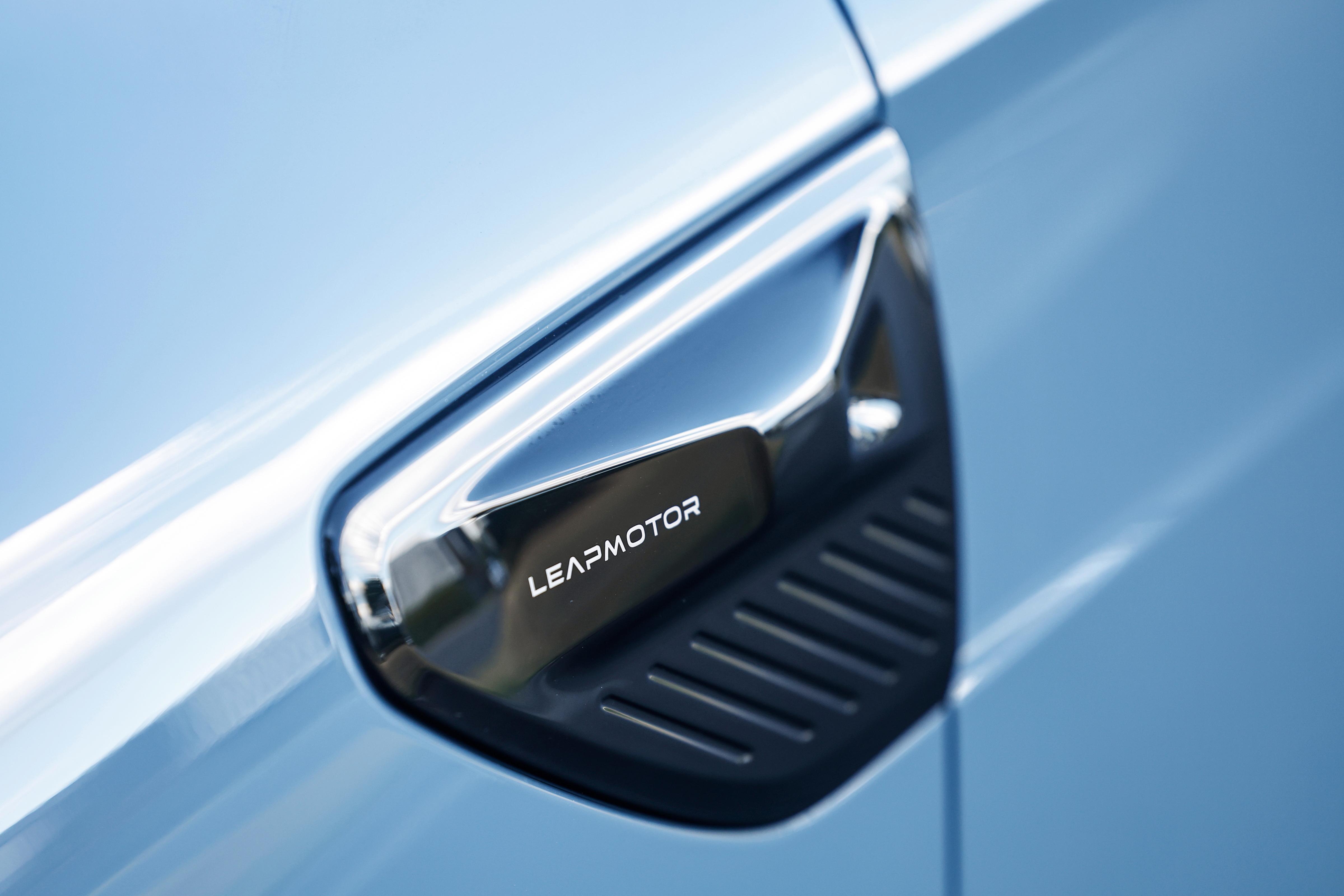
Leapmotor is among the Chinese brands whose vehicles are at the centre of Australia's decision not to ban them from military bases.
Leapmotor is among the Chinese brands whose vehicles are at the centre of Australia's decision not to ban them from military bases., Image: CarExpert

No request from Washington

Marles said the US had not asked Australia to follow suit with a ban of its own. That matters because it means the question is not being forced on Canberra from outside. Australia's position is a deliberate choice to keep monitoring rather than to restrict, and the minister framed it as a continuing assessment of base safety rather than a settled verdict on the vehicles themselves.

For drivers, the practical effect is simple: a Chinese-branded electric car or SUV can still be driven onto an Australian defence base. Owners are not being asked to switch off recording functions or disconnect phones, as Polish military personnel now are.

The data security debate behind the decision

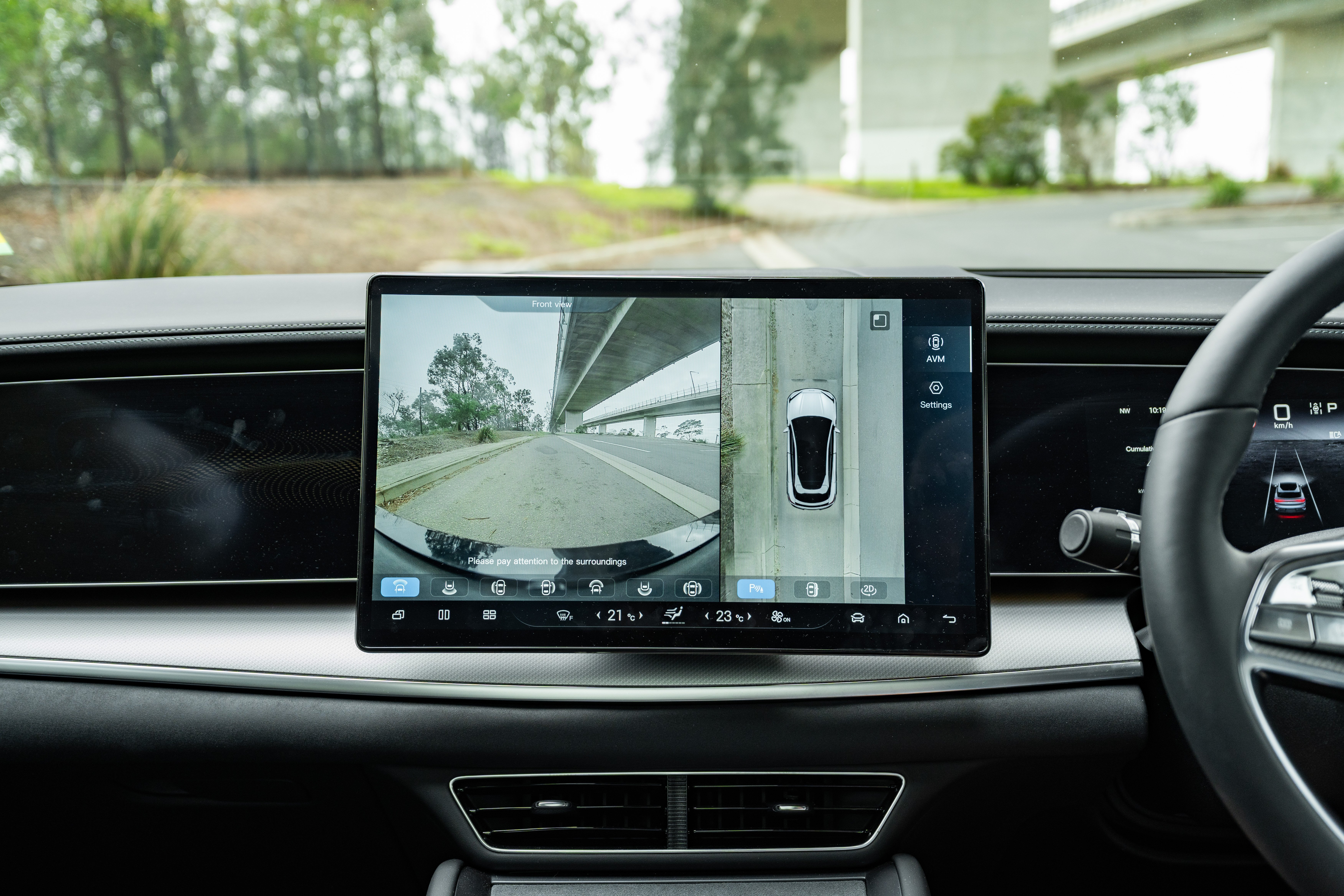
Concern about connected Chinese vehicles reached a wider Australian audience when the ABC's Four Corners ran a report on data security in such vehicles in September 2026. The program showed how certain vehicles could be remotely accessed, though only once a hacker had physically obtained access, and highlighted Leapmotor's use of cameras from Dahua.

Dahua also supplies building security cameras, and those were banned from Australian Government buildings in 2023 after similar bans in the US and UK over spyware fears. Shadow Minister for Defence James Paterson told Four Corners it was "extraordinary" that vehicles fitted with these cameras are allowed to drive around.

That contrast is the sharpest argument against Australia's current stance: the same brand of camera is considered risky enough to remove from government offices but not from cars visiting defence bases. Marles's answer is that base security is under constant review, which keeps the door open without committing to a ban.

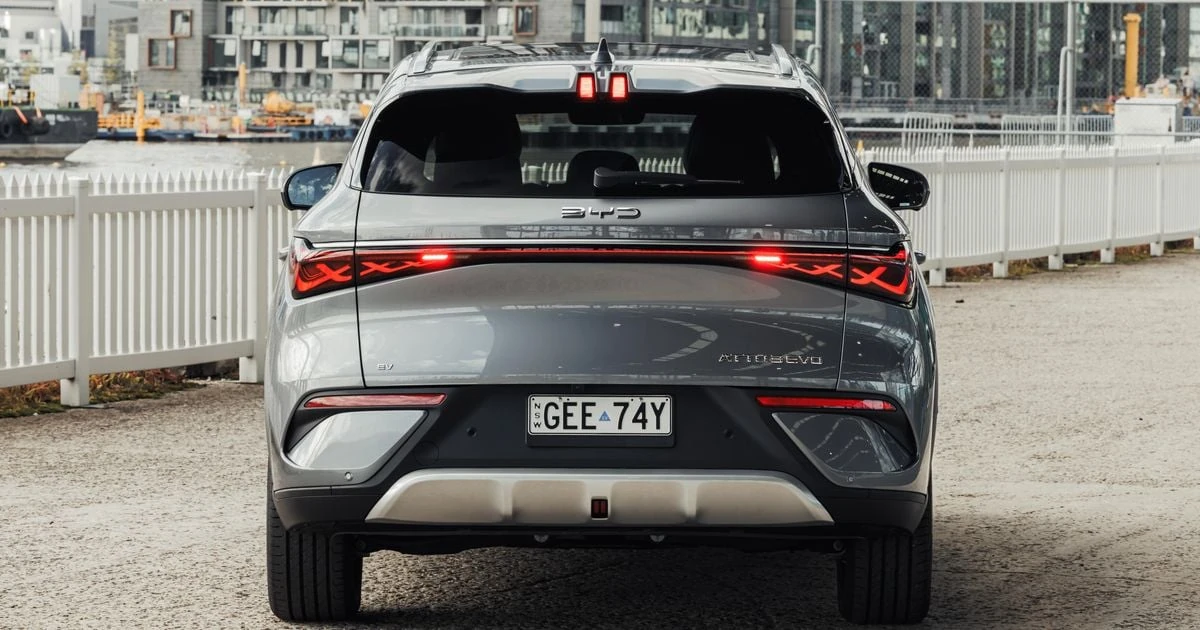
Modern connected vehicles like this Chinese model rely on cameras and data links, fuelling the security debate over military-base access.
Modern connected vehicles like this Chinese model rely on cameras and data links, fuelling the security debate over military-base access., Image: CarExpert

What is still unannounced

The reporting does not name which specific brands or models would be caught if Australia changed course, beyond the Chinese-manufactured vehicles that other countries have targeted and the Leapmotor example raised by Four Corners. No Australian list of affected models has been published.

Nor has any future review been scheduled. Marles said only that Australia continues to monitor safety around its bases, so there is no announced date for revisiting the policy.

The Kadena ban applies to BYD vehicles at a US base in Japan, not to Australian operations, and no equivalent Australian restriction on BYD or any other brand has been declared.

Open this article ↗

Keep scrolling to read the next story.

Older articles →