INDEPENDENT AUTOMOTIVE NEWSGLOBAL PERSPECTIVE / AUSTRALIAN EDITION
TDCNTHE DAILY
CAR NEWS.

The road ahead.
Every day.

RSS ↗
Latest/Industry

263 original articles

Industry / TDCN ORIGINAL

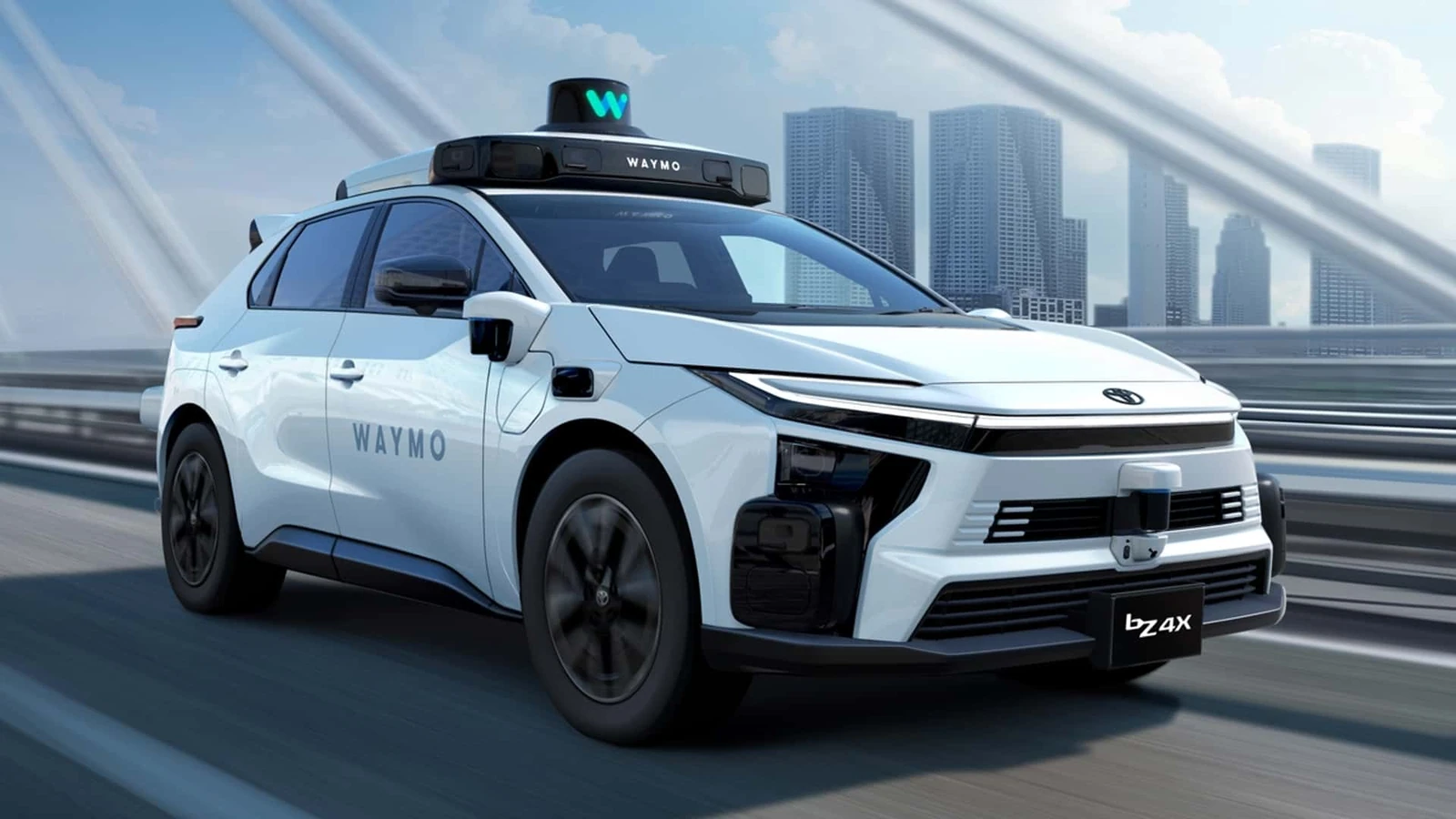
Toyota and Waymo to build driverless bZ4X robotaxis at Japanese factory from 2027

Waymo's self-driving hardware will be fitted on the Takaoka assembly line alongside standard bZ4X EVs, with right-hand-drive markets including Japan targeted first.

Image: Motor1

Toyota and Waymo will build factory-integrated robotaxis on the Toyota bZ4X platform, with autonomous testing in Japan due to begin in 2027. Waymo's self-driving sensors and computing hardware will be installed during the same assembly run as the standard electric SUV at Toyota's Takaoka plant in Toyota City.

The program is aimed at right-hand-drive markets, starting with Japan. The United Kingdom and other countries where Waymo operates are penciled in for later years, though no dates have been set.

A robotaxi straight off the production line

Toyota already builds facelifted bZ4X models at Takaoka, and the autonomous versions will use that same line rather than a dedicated one. Fitting Waymo's hardware at the factory could simplify quality control and cuts the extra engineering work needed to adapt a production vehicle after the fact.

That factory-first approach is the part that separates this deal from most autonomous programs, which typically bolt hardware onto cars built for private buyers. Building it in at the plant gives Toyota tighter control over how every sensor and computer is mounted, which matters when the vehicle has no driver to intervene.

Small fleet, few specifics

Toyota's chief technology officer said the initial fleet will stay small. Neither company has named the test locations or a vehicle count, and it has not been confirmed when paying riders might get into one.

The companies described 2027 as a testing and validation phase for the bZ4X program. Financial terms, production volume targets and whether the Takaoka line will dedicate separate capacity to the autonomous builds were all left undisclosed.

Two Waymo platforms in Japan at once

Waymo already runs robotaxis in several US cities and is testing Jaguar I-Pace fleets in London and Tokyo. Its all-electric I-Pace fleet with the Waymo Driver is already driving in Tokyo, ahead of fully driverless commercial taxi service planned there in 2027, and the bZ4X program runs alongside that effort.

The bZ4X deal is Waymo's first factory-integrated program aimed at right-hand-traffic markets. Running two separate autonomous platforms tied to its Japan plans at the same time gives Waymo a fallback if one integration path runs into trouble, though the sources give no indication which platform is expected to carry commercial service.

Kept apart from private cars

Toyota has kept this robotaxi work separate from anything meant for private buyers. The company said it will keep exploring vehicle-to-infrastructure technology and other ways to eventually bring driver-assist advances to customers, and that work sits outside the Waymo deal entirely.

So drivers shopping for a bZ4X should not expect Waymo hardware on their own car any time soon. The smarter read for buyers is that the program is a proving ground: what Toyota learns about integrating autonomous systems at the factory may shape later driver-assist features, but the sources set no timeline for that transfer.

What is still open

Firm timelines for the UK rollout remain among the open questions heading into 2027, along with fleet size and test cities. Toyota has not announced Australian availability for the autonomous bZ4X, and no pricing for the robotaxi program has been disclosed in any market.
Open this article ↗
New cars / TDCN ORIGINAL

Volkswagen weighs putting China-developed software in European VW, Skoda and Cupra cars

The group is studying whether its Xpeng-derived China Electronic Architecture could underpin mass-market models in Europe, while South American integration is planned from 2030.

Image: Motor1

Volkswagen is evaluating whether software developed in China with Xpeng could form the basis for future mass-market models from its Volkswagen, Skoda and Cupra brands in Europe, according to a report summarized by Reuters. The plan is still under discussion inside the group, so no European model line-up or timing has been confirmed.

The move would mark a sharp break from Volkswagen's old "in China, for China" approach. The China Electronic Architecture (CEA) is already in use in five locally produced all-electric Volkswagen brand models in China, including the Yuzhong 06 and Yuzhong 07.

What Volkswagen has confirmed for other markets

Volkswagen has said the China Electronic Architecture will underpin next-generation models bound for South America and South Africa, with integration into South American product lineups planned to start in 2030. Exports of China-developed vehicles are also due to ramp up around 2026, with China-built Volkswagens already heading to markets including Mexico and parts of Southeast and Central Asia, and more destinations planned afterward.

The broader package, called VEGA, was laid out by Volkswagen Group China at a Technology Day event in Hefei. It ties together the China Main Platform, the China Electronic Architecture, and China-developed software and driver-assistance systems into one scalable package for software-defined vehicles across multiple segments. The China Main Platform targets A-segment battery-electric and plug-in-hybrid models, with a stated goal of more than 373 miles of CLTC range and roughly 11 kWh per 62 miles in its most efficient version. Those range and efficiency figures are quoted on the CLTC cycle used in China, not WLTP or EPA.

What the architecture changes technically

The architecture trims the number of electronic control units by about 30 percent compared with Volkswagen's older setups, a reduction the company says is central to cutting development costs and complexity across its lineup. It is a hardware play as much as a software one: Volkswagen intends to bring the same architecture to plug-in-hybrid and combustion models in China by 2027, widening its reach beyond the battery-electric vehicles where it currently lives.

Further out, Volkswagen is targeting Level 4 automated driving by 2029, built on a third-generation version of the China Electronic Architecture paired with a Volkswagen-developed C7H control chip. That target sits alongside the South America plan and the potential European rollout.

For European buyers, the significance is cost. A software stack shared across VW, Skoda and Cupra mass-market cars would let the group spread development spending over far more vehicles, which is where the roughly 30 percent control-unit reduction matters most. The Europe proposal, as summarized, would cover roughly three quarters of the next-generation lineups for the three brands.

Which European models would use it

Volkswagen has not named specific European models or a launch date for the European rollout. The report indicates only that the China Electronic Architecture could form the basis for future mass-market cars from VW, Skoda and Cupra in Europe, covering roughly three quarters of their next-generation lineups, with the plan still under discussion inside the group.

The strategy also puts pressure on Rivian, Volkswagen's US software partner in a $5.8 billion investment central to CEO Oliver Blume's technology plans. A separate report from German outlet Manager Magazin said core brand chief Thomas Schäfer is weighing a proposal to use China-developed software as the basis for future Volkswagen, Skoda and Cupra models, which would leave Rivian focused on other group brands even if the joint venture itself stays in place. That detail rests on Manager Magazin's reporting and should be treated as unconfirmed until the group comments.

Why the shift matters

Volkswagen's Chinese software operation was built to serve Chinese buyers with local partners. Extending it to Europe and the Global South turns it into a group-wide cost base, and the brands most exposed to that logic are the volume names, VW, Skoda and Cupra, rather than premium marques. The catch is that the European plan is still a study, not a decision, so the models that would carry the software and the dates they would arrive remain open.

Open this article ↗

Keep scrolling to read the next story.

Older articles →