INDEPENDENT AUTOMOTIVE NEWSGLOBAL PERSPECTIVE / AUSTRALIAN EDITION
TDCNTHE DAILY
CAR NEWS.

The road ahead.
Every day.

RSS ↗
Latest/New cars

247 original articles

New cars / TDCN ORIGINAL

Toyota says its next hybrids will use 15% less fuel, with engines due in 2027

The new 1.5-litre four-cylinder is designed for hybrid and plug-in hybrid duty, and Toyota expects to sell the powertrains to other automakers too.

Image: Carscoops

Toyota has confirmed that its next generation of hybrids will consume 15% less fuel than today's equivalents, with the new engines expected to reach the market in 2027. The company disclosed the efficiency target while setting out a platform strategy that will put its future hybrids and electric cars on the same underpinnings.

At the centre of the claim is a 1.5-litre inline-four that Toyota has discussed since 2004 but has only now linked to a fuel economy figure. The engine was designed with electrification in mind and will be used in both conventional hybrids and plug-in hybrids.

The fuel saving is a manufacturer claim rather than an independently measured result, and Toyota has not published the test cycle behind the 15% figure. Buyers comparing it with rivals should treat it as a target until certified consumption numbers appear.

One platform for hybrids and EVs

Toyota's plan differs from the approach BMW takes, which is to build next generation EVs and hybrids on separate platforms. Toyota intends to use a common platform, as Mercedes and Stellantis already do, arguing that shared underpinnings deliver economies of scale and let factories switch powertrain mix as demand shifts.

The usual risk of sharing is that engineers compromise one powertrain to make another work. Toyota says neither the hybrid nor the battery-electric version of its next cars will be compromised: the gasoline-electric models will have the same interior space and even the same silhouette as their EV siblings. Lower-profile engine and hybrid packages allow lower hood heights and what Toyota calls more dynamic vehicle proportions, giving designers more freedom.

A single image released with the strategy shows three identical fastback sedans in silhouette. The EV carries its battery across the full front-to-rear floor, the plug-in hybrid uses the rear floor, and the hybrid has a small pack under the rear seat.

That layout is the practical payoff of the strategy. A hybrid that looks and packages like an EV removes the visual and space penalty buyers have historically accepted for choosing the cheaper powertrain, which matters most in markets where EV demand is stalling.

Toyota expects to sell the powertrains to rivals

Toyota's customers will not be the only ones to benefit. Toyota expects to earn $1.7 billion a year selling its next generation hybrid powertrains to other automakers, according to a report from Automotive News cited by Carscoops. The identity of those brands is unconfirmed, though Subaru and Mazda are possibilities: the two companies formed a powertrain alliance with Toyota in 2024.

Toyota has not announced which automakers have signed up, so the buyer list remains a leak-level detail rather than a confirmed order book. Nor has Toyota announced pricing for the new hybrids, so any cost comparison with today's models will have to wait for launch specifications.

Why hybrids still matter to Toyota

Toyota pioneered hybrid technology almost 30 years ago but was slow to embrace full electrification, and it still argues hybrids have an important role. The context supports that bet: EVs are booming in Europe but going backwards in the US, where fuel prices have become a political issue as Americans vote in this year's mid-term elections.

For drivers, the appeal of a 15% efficiency gain is straightforward, since it lowers running costs on the models most buyers can already afford. For Toyota, sharing platforms and selling powertrains to rivals spreads development costs across far more vehicles than its own badge could support.
Toyota's hybrid badge has long signaled the brand's fuel-saving focus, now set to improve by 15% with 2027 engines.
Toyota's hybrid badge has long signaled the brand's fuel-saving focus, now set to improve by 15% with 2027 engines., Image: Carscoops
Open this article ↗
Electric / TDCN ORIGINAL

Bentley adds a Torcal First Edition with 875 hp and carbon trim

The flagship electric SUV gains 22-inch two-tone wheels, a switchable glass roof and Mulliner colour splits, but Bentley has not announced pricing or a production cap.

Image: Carscoops

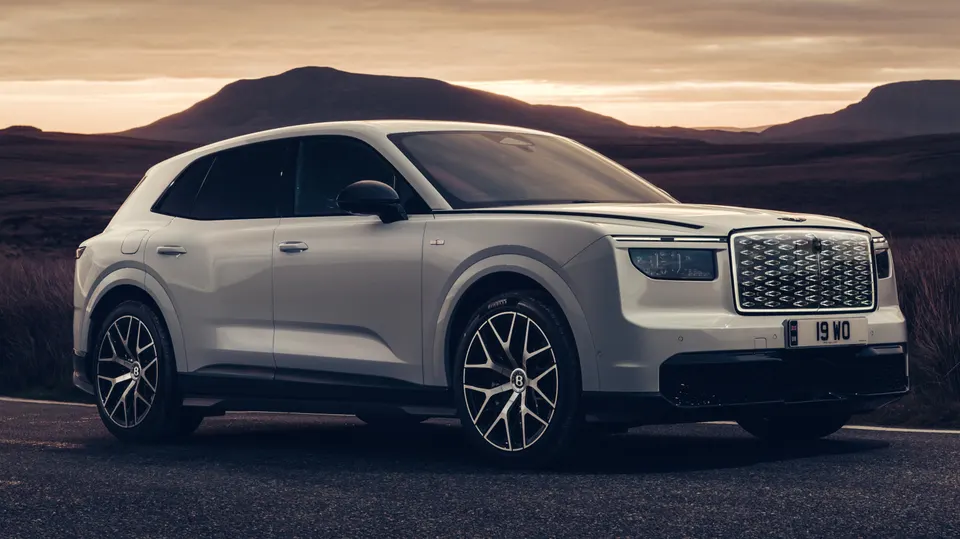
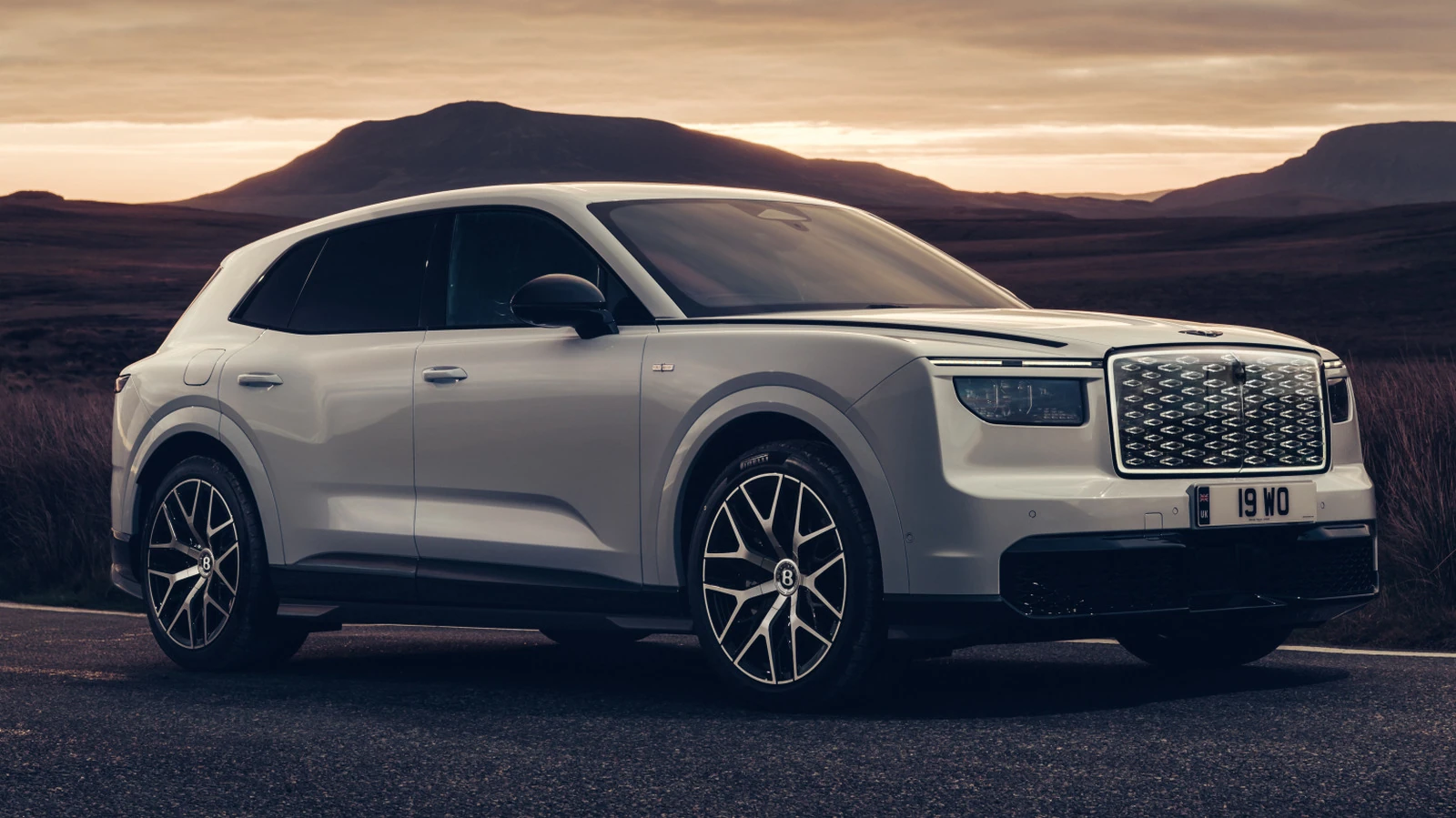
Bentley has announced a First Edition version of the all-electric Torcal SUV, roughly a month after the model was unveiled, and it will initially sit at the top of the range. The First Edition pairs the same 875 hp electric drivetrain as the Torcal S with carbon fibre exterior trim, bespoke wheels and a more elaborate cabin.

Bentley has not announced pricing for the Torcal First Edition, and it has not said whether production will be limited. Those two details remain open ahead of the variant's launch.

Carbon trim and two-tone wheels mark it out

The First Edition's exterior additions include carbon fibre front bumper winglets, mirror caps, side sills and a rear diffuser. Its most visible change is a set of 22-inch wheels finished in black and Liquid Silver, which carry self-levelling Bentley badges and expose Graphene Grey brake calipers.

The carbon and wheel package is a familiar playbook for a launch flagship: it gives early buyers a way to distinguish the car from the standard Torcal without changing the mechanical package underneath.

The Torcal First Edition's carbon trim and two-tone wheels set it apart from the standard SUV silhouette
The Torcal First Edition's carbon trim and two-tone wheels set it apart from the standard SUV silhouette, Image: Carscoops

Same 875 hp drivetrain as the Torcal S

Mechanically the First Edition matches the Torcal S, using a 113 kWh battery, two electric motors and an 800-volt electrical architecture. Combined output is 875 horsepower and 996 pound-feet (1,350 Nm) of torque with launch control, enough for 0-62 mph (0-100 kph) in 2.9 seconds and a 162 mph (260 kph) top speed.

DC ultra-fast charging is supported at up to 400 kW, which Bentley says takes the battery from 10 to 80 per cent in under 20 minutes. That 800-volt, 400 kW combination is the headline number for drivers weighing the Torcal against petrol SUVs such as the Bentayga.

Mulliner colour splits and a switchable glass roof

Inside, Mulliner offers two unique colour splits, eight accent colours and the option of adding a third interior colour, along with a full leather interior and contrast stitching. Standard equipment includes gloss carbon fibre accents, deep-pile floor mats, Wellness front seats with heating, ventilation and massage, and Rear Comfort Seats.

Bentley also fits a Frosted Diamond Switchable Sunroof, a glass roof that can change from opaque to clear, plus powered front and rear doors and a 28-speaker, 1,780-watt Naim audio system with Dolby Atmos.

The First Edition name is not new to Bentley, though it has been used widely elsewhere in the industry, including on the Dodge Charger, Ford Bronco and Lexus IS. Its value here rests on the equipment list rather than the badge alone.

Open this article ↗

Keep scrolling to read the next story.

Older articles →