Battery-electric cars outsold petrol and diesel cars combined across the European Union in the third quarter, a first for the bloc. Buyers took home 710,580 full EVs against 655,540 pure combustion cars over the same period.
The figures come from Transport & Environment, the climate advocacy group and research firm that tracks European powertrain sales. Its data shows the shift is broad rather than confined to a handful of enthusiastic markets: 13 of the 27 EU member states posted their highest EV sales on record, and in ten of them battery-electric is now the best-selling powertrain type.
Where the growth is coming from
Norway remains the outlier at 97.9% EV market share, helped by tax treatment and incentives that make electric cars cheaper to buy. Sweden and the Netherlands also sit high for similar reasons.
France, Germany, Belgium, the UK, Portugal and Ireland have all pushed past 25% market share for new electric sales. Croatia is the laggard at 4.2%, but its EV sales are up 244% while pure combustion sales there have fallen 19%, so the direction of travel matches the rest of the bloc.
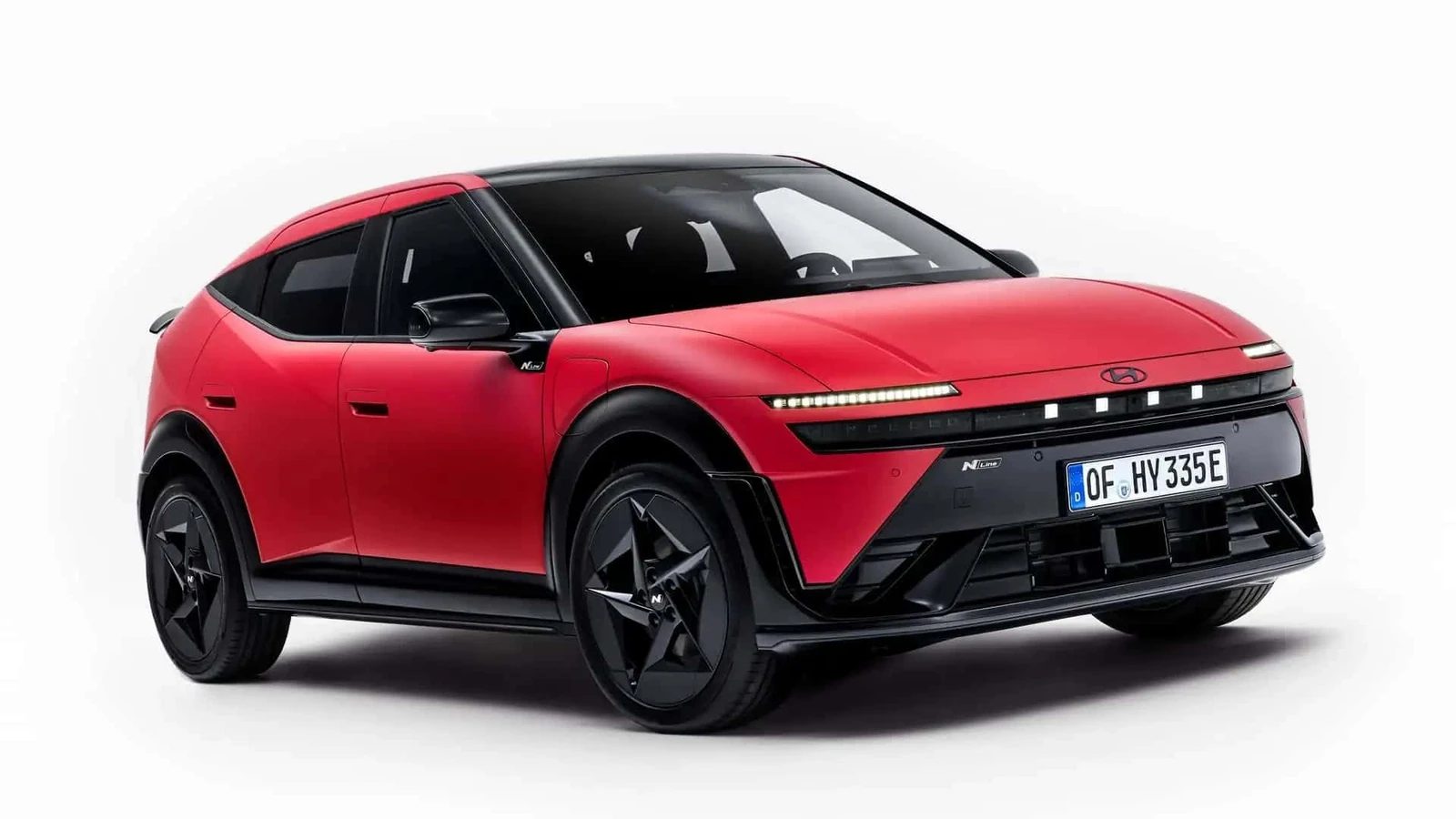
Product choice is doing much of the work. Chinese brands Leapmotor, Geely and BYD have arrived with budget models such as the Leapmotor B10 and BYD Dolphin Surf, while Renault, Stellantis, Hyundai, Kia and Volkswagen have launched affordable hatchbacks and crossovers with more planned. Europe's advantage over the US is largely one of selection: there are simply more low-cost electric models on showroom floors.
Hybrids are the next target
Hybrids still lead battery-electric cars, at 892,380 units in the third quarter, leaving a gap of roughly 180,000 sales. That is a narrow margin given the trajectory, and upcoming budget models such as the Citroën 2CV and Dacia Spring are aimed squarely at the value end of the market where hybrids currently hold sway.
When EVs will actually overtake hybrids has not been announced by T&E or anyone else, and no date has been put on it. The source material only notes the trend and the size of the current gap.
The milestone matters beyond bragging rights. When electric becomes the default choice in a market as large as the EU, it changes what manufacturers build, where they send their limited battery supply and how quickly charging infrastructure gets funded. It also puts pressure on brands that have leaned on hybrids as a compliance bridge.
What it does not tell us
The Q3 result covers the EU, not Europe as a whole, and the source figures are quarterly sales rather than a full-year tally. Pricing for the budget models named has not been disclosed in the material, and no Australian availability or pricing is implied by any of it.
The US comparison in the data is directional only: slower adoption there is attributed to weaker subsidies and a thinner choice of cheap models, without figures to quantify the gap.