INDEPENDENT AUTOMOTIVE NEWSGLOBAL PERSPECTIVE / AUSTRALIAN EDITION
TDCNTHE DAILY
CAR NEWS.

The road ahead.
Every day.

RSS ↗
Latest/New cars

199 original articles

New cars / TDCN ORIGINAL

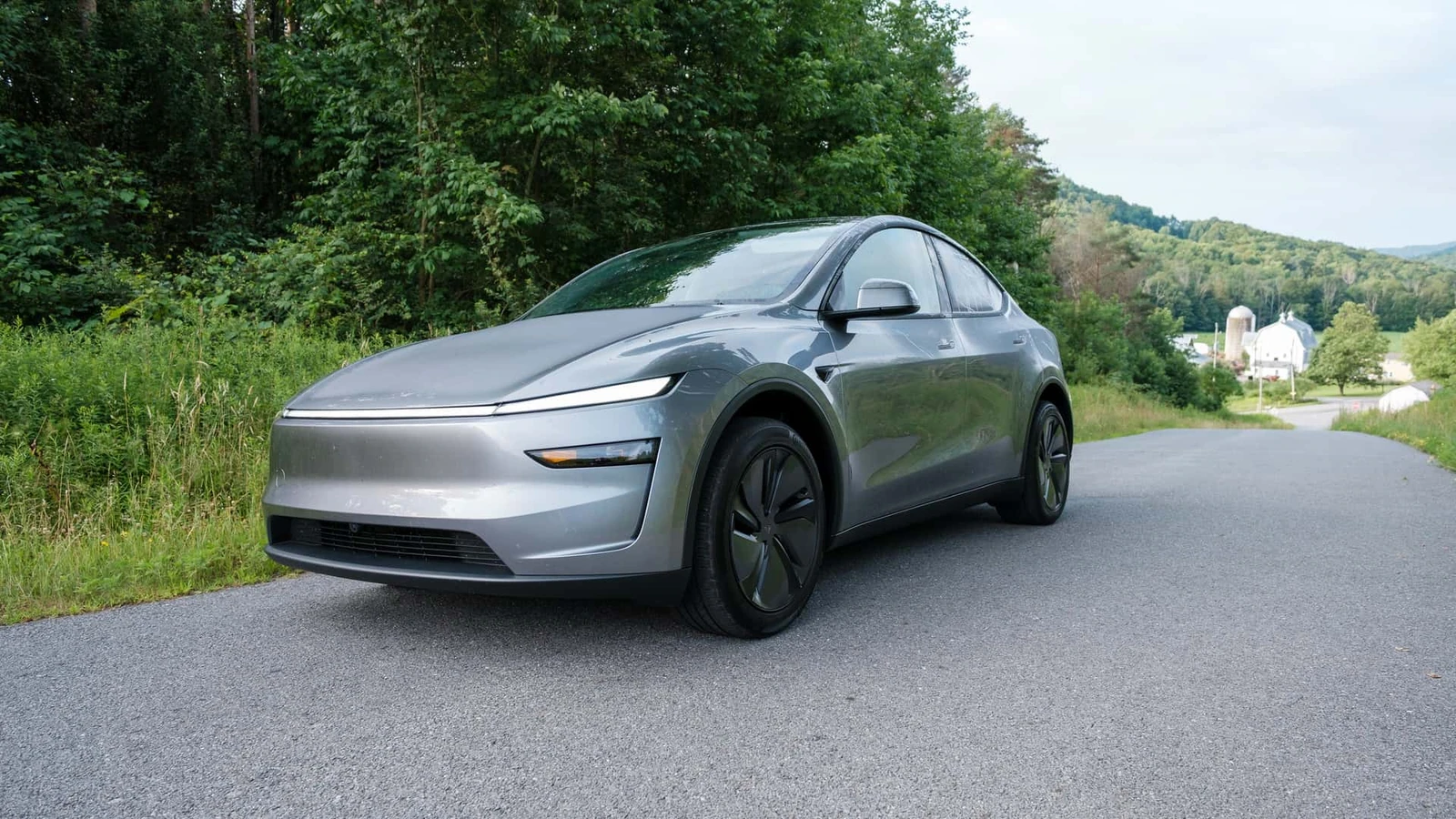
Turo and Tesla launch verified FSD rental listings and a free month for hosts

From October 28, Turo hosts can link their Tesla account so renters can see which cars have Full Self-Driving (Supervised), with a one-month trial offered to hosts who don't subscribe.

Image: InsideEVs

Turo hosts can now link their Tesla account to their Turo account, letting the rental platform confirm which of their cars are equipped with Full Self-Driving (Supervised) rather than relying on the host's description. A revised Turo interface that flags Teslas with guaranteed FSD goes live on October 28.

Tesla models that are capable of running FSD but do not currently have it equipped will be eligible for one month of the service free, under the arrangement.

What changes for renters

Until now, renters had to take the owner's word, or read the listing description, to know whether a Turo Tesla actually had FSD enabled. Linking the Tesla account to Turo lets the platform verify the feature directly from the car's own data.

Renters who book an FSD-enabled car will get a Turo-created disclaimer telling them they must supervise the vehicle at all times. That wording matters: FSD (Supervised) is a driver-assistance system, not a fully autonomous, eyes-off, hands-off one.

The free month and who qualifies

The free trial is aimed at hosts, not renters: Turo hosts who are not paying for FSD can get a one-month trial of the software for a Tesla that is FSD-capable but not yet equipped. The sources do not specify which Tesla models are eligible beyond saying the offer covers models that qualify for FSD but do not have it equipped, and they do not state whether Model S, Model X, Cybertruck or older Model 3 and Model Y variants are included.

Nor have Turo or Tesla announced what an FSD-equipped Turo rental costs, or whether the FSD subscription is folded into the daily rate or charged separately. Those details have not been announced.

Why Turo is pushing FSD

Turo says people are very interested in "driverless" vehicles but have not had exposure to them. In its press release the company cited survey figures showing 55% of Americans are interested in driverless technology for travel, rising to 71% among Gen Zers.

The pitch rests on a loose use of the word driverless. FSD (Supervised) still requires an attentive driver ready to take over, so the rental is a taste of assisted driving rather than a robotaxi experience. That gap between what customers say they want and what the software actually does is the space Turo is trying to occupy: exposure without the promise of autonomy.

Tesla rentals already rank high on Turo

Tesla models are already among Turo's most popular rentals, with the Model 3 and Model Y its third and fourth most-rented cars. FSD-enabled Teslas have been listed on the platform before this change; what is new is the verified badge rather than the concept.

For renters, the practical gain is certainty before booking: a verified listing removes the guesswork that came with host descriptions. For Turo, tying listings to Tesla account data gives it a feature it can market to travellers who want to try the software before buying a car or subscribing themselves.
Open this article ↗
Safety / TDCN ORIGINAL

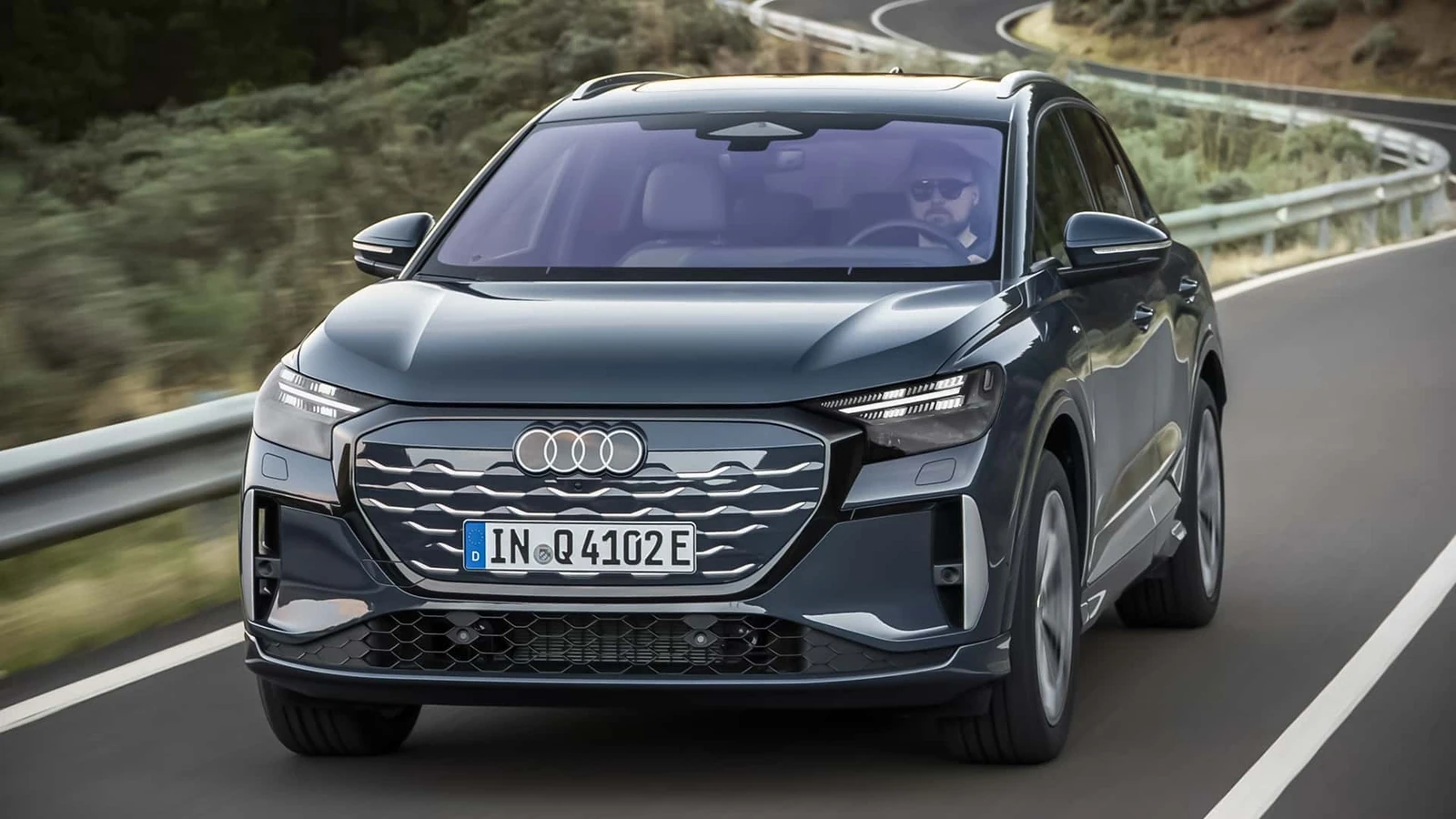
Audi tells Q4 e-tron owners to cap charging at 80% as 9,048 SUVs face battery recall

The Volkswagen Group sibling of the ID.4 shares the suspect SK On cells, and owners are told to keep state of charge below 80% until a remedy exists.

Audi is recalling 9,048 Q4 e-tron electric SUVs because certain charging profiles combined with a state of charge above 80% may trigger thermal propagation inside the high-voltage battery. The recall follows a separate Volkswagen ID.4 battery campaign issued a couple of weeks earlier, and Audi is asking owners to keep their batteries under 80% in the meantime.

Why the Q4 e-tron is caught up in VW's battery problem

The Q4 e-tron and the ID.4 are mechanical siblings and likely share the same battery supplier, so VW's issue appears to have prompted Audi to investigate its own cars. According to the recall notice, Audi's Product Safety Committee was informed of thermal runaway events in some Volkswagen high-voltage batteries of the same type used in the Q4, after which Audi observed that certain charging profiles combined with a state of charge over 80% may result in thermal propagation within the pack.

The cells came from SK Battery Manufacturing in Hungary, part of SK On. No cause has been identified for the fault in either the Volkswagen or the Audi packs. Most of the batteries that may carry the defect were sold in North America, and no battery fires have been recorded.

What owners have to do now

Audi has run diagnostics on Q4 e-tron batteries, and any vehicle needing further assessment must go to a dealer for extra testing. Charging is being limited to 80% state of charge through a temporary charge limiter. The limiter stays in place until the battery is repaired or is found to be fine, at which point it is removed.

There is no fix yet, and Audi has not announced when a permanent remedy will arrive. That leaves owners in an awkward position: the software cap removes roughly 20% of the usable battery capacity they paid for, which can bite into daily driving and journey planning. The trade-off is deliberate, since keeping the pack below 80% should prevent the problem from arising.

A pattern across the group's EVs

The Q4 e-tron campaign lands shortly after Volkswagen recalled ID.4 battery packs that could potentially catch fire. Sharing a supplier and a pack design means a defect in one brand's cars can surface in another's, and Audi's action shows the group treating the Volkswagen findings as a signal to check its own fleet rather than waiting for failures to appear.

For buyers, the practical question is less about the recall itself than about timing. A charge limit is a stopgap, not a repair, and until Audi sets out the remedy, Q4 e-tron owners are driving a car with a known open defect and reduced range. The recall notice does not say how many of the 9,048 vehicles will need new hardware versus a clean diagnostic result.

Open this article ↗

Keep scrolling to read the next story.

Older articles →