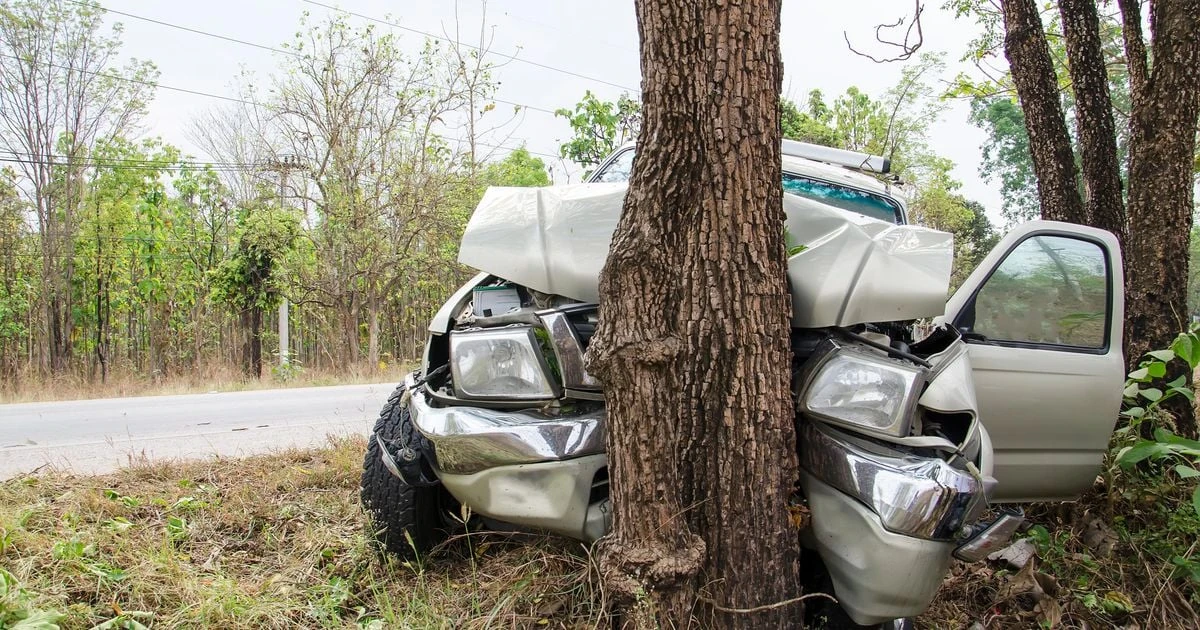
Australia's road toll is running at its highest level in more than a decade, with 123 deaths recorded nationwide in September 2026, a 25.5 per cent increase on the same month a year earlier.
Figures from the National Road Safety Data Hub show 1001 deaths between January and September, up from 973 over the same period in 2025. The September result was also 17.8 per cent above the five-year average for that month.
Vulnerable road users bear the brunt
Deaths per 100,000 people over the 12 months to September fell 1.3 per cent to 4.8, but the toll among vulnerable road users moved the other way, rising 1.8 per cent to 516. Cyclist deaths alone climbed 35 per cent over the previous 12 months.
The Australian Automobile Association's managing director, Michael Bradley, told the ABC that the trend defies the usual explanations. "Cars have never been safer, we're spending a huge amount of money on roads, yet more people are dying," he said, describing the pattern as "pretty confounding" and one not seen for decades.
Bradley's argument is less about vehicle engineering than about how safety money is allocated. He called for more transparent data so that funding goes where it actually works, warning that without evidence-based policy, "there's too much speculation and not enough evidence-based policy". That matters because Canberra is distributing billions of dollars, and the AAA's point is that spending without measurement is spending blind.

A decade of worsening numbers
Australia's annual road toll has risen every year since 2020, climbing from 1097 that year to 1306 in 2025. Last year's figure was the worst since 2010, when 1353 people were killed.
Road deaths nationally are up 21.6 per cent since January 2021, which puts Australia further off course for the National Road Safety Strategy target of fewer than 571 deaths annually by 2030, a reduction of at least 50 per cent from the 2018 to 2020 average.
The ABC report pointed to drug-impaired driving and heavier vehicles as factors behind the rise in vulnerable road user deaths. University of Melbourne associate professor Milad Haghani told the ABC that without regulation and incentives for people to buy more reasonably sized cars, the trend will continue.
That framing puts vehicle size alongside driver behaviour as a safety question, not just a matter of consumer preference. For buyers, it suggests the market's shift toward larger vehicles carries a cost that shows up in the national statistics rather than in any individual crash report.
What the figures do not settle
The data hub numbers establish the scale of the increase but not its causes, and the AAA's call for better data reflects that gap. The sources do not break down the toll by state, road type or vehicle class, and no specific policy or funding change has been announced in response to the September figures.
What is clear is the direction of travel. With the year-to-date toll already above the same point in 2025 and the 2030 target receding, the pressure is on for interventions that can be shown to work, rather than assumed to.