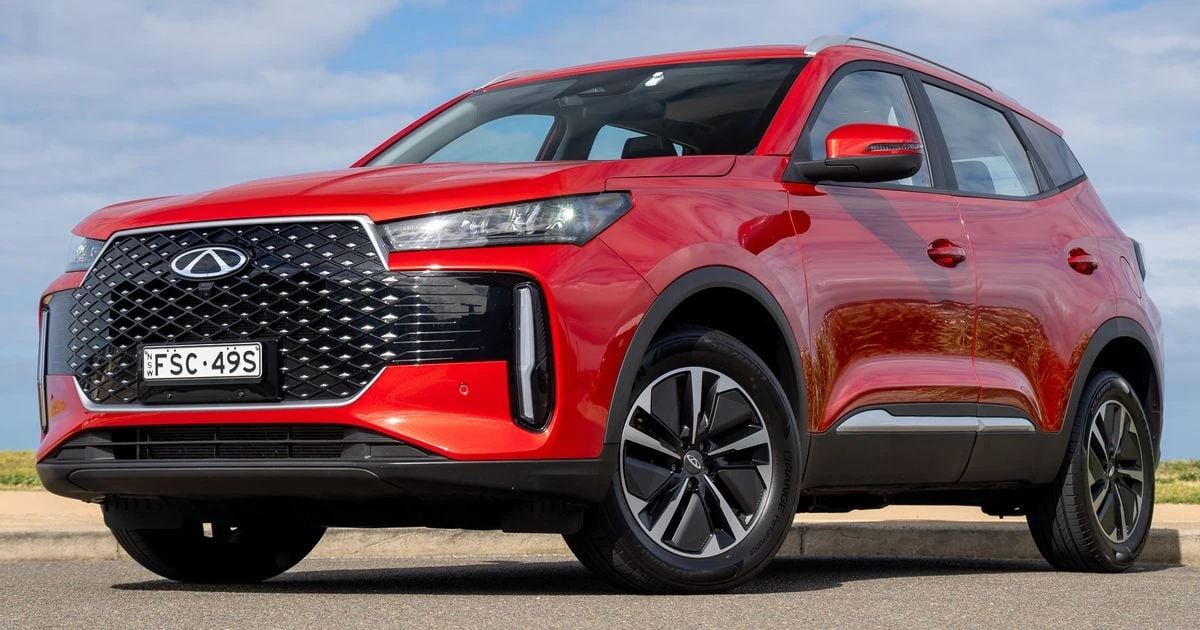
Around 90 per cent of Chinese automakers are losing money, according to Chery International president Zhang Guibing, who warned that higher development costs will push more brands out of the market. He made the estimate while speaking to Australian media, including CarExpert, in China, answering a question about how many manufacturers would survive and whether Australian buyers could count on new brands still existing in five to 10 years.
Zhang pointed to listed carmakers' published financial reports as the basis for his figure, saying most of them are unprofitable, and argued that too many companies will eventually die or disappear. He also said the R&D spending needed to keep new models competitive is now far higher than in the past, because vehicles depend on many new technologies rather than mainly mechanical engineering.
The numbers behind the warning
Independent research broadly supports the picture of widespread losses, though over a narrower group. Consultancy AlixPartners, in its June 2026 Global Automotive Outlook, found that only three of 30 Chinese manufacturers focused on new-energy vehicles (a category covering EVs, extended-range electric vehicles and plug-in hybrids) were profitable for the full year 2025. AlixPartners forecasts just seven of those 30 will break even by 2030, with weaker companies expected to exit the market or become acquisition targets.
The consultancy also flagged rising production capacity and underused factories as sources of financial pressure, particularly for smaller manufacturers. A report from Sohu earlier this year put the Chinese automotive industry's profit margin at 3.2 per cent in the first quarter of 2026, and noted that China built around 35 million new vehicles last year against an estimated annual production capacity of around 55 million.
The gap between Zhang's industry-wide estimate and AlixPartners' narrower new-energy vehicle sample is worth keeping in mind: the consultancy's three-of-30 figure covers only companies focused on electrified models, not the whole Chinese car industry Zhang was describing.
Chery's own position
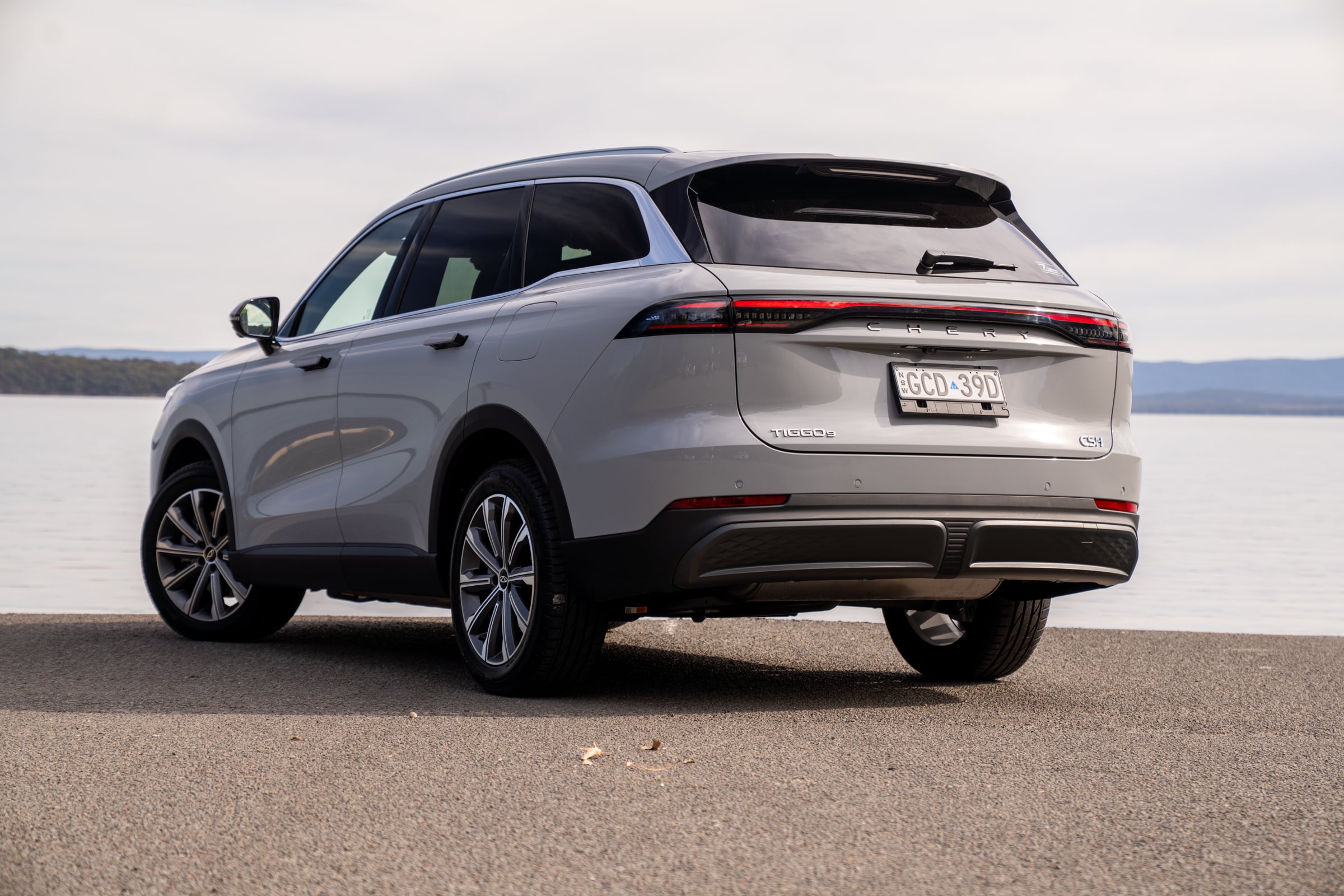
Chery itself remains profitable. Hong Kong-listed Chery Automobile reported a net.
That contrast is the point behind Zhang's warning. A profitable exporter can afford to talk plainly about a shakeout that threatens less established rivals, and his comments were aimed squarely at buyers in markets like Australia who are being asked to trust unfamiliar brands.
What it means for buyers
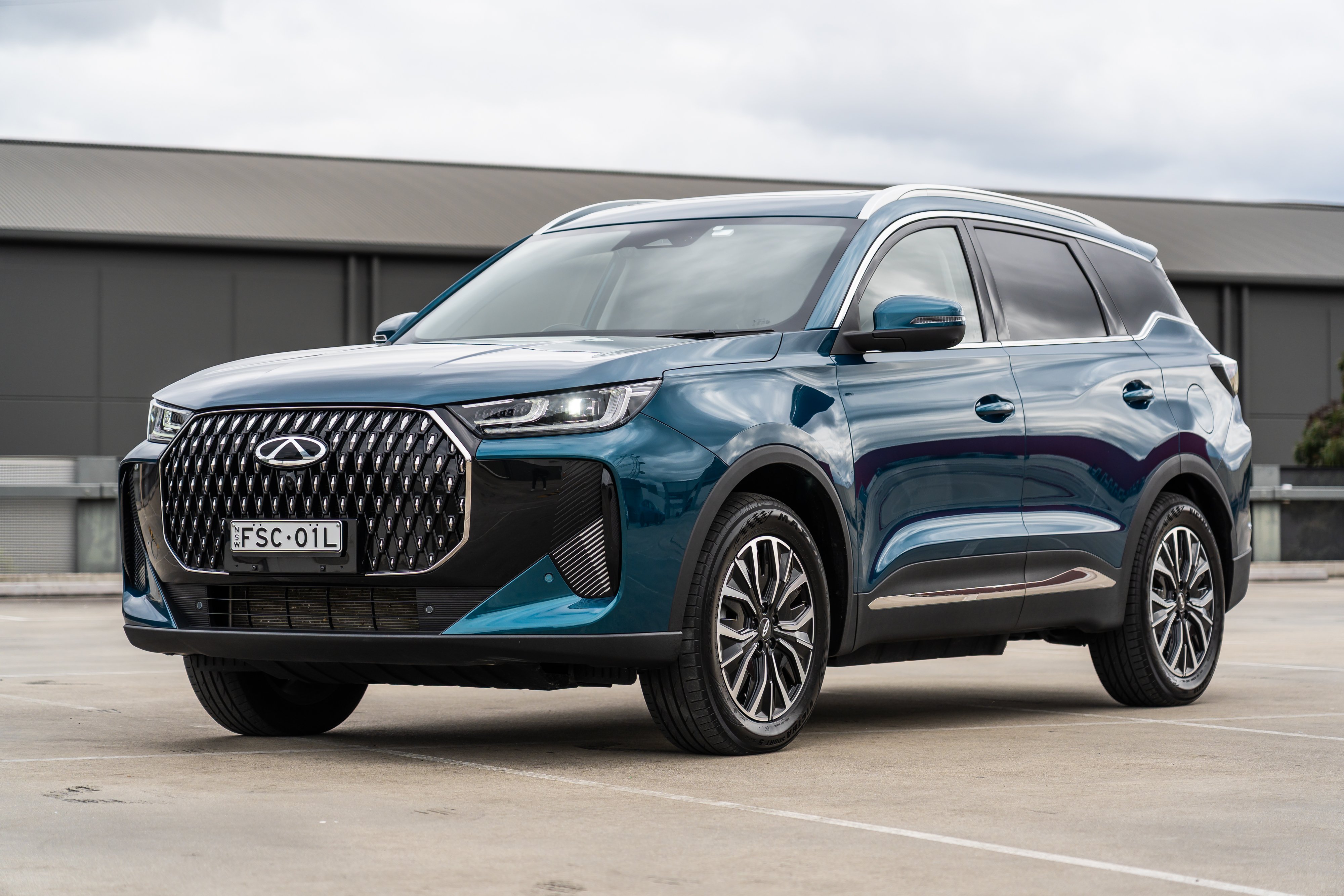
For Australian car buyers weighing a newly arrived Chinese brand, the practical question is whether the company will still be around to honour warranties and supply parts in five to 10 years. Zhang's answer, in effect, is that many will not.
Which specific manufacturers are losing money, and which are most likely to disappear, has not been announced; neither Zhang nor AlixPartners named individual companies. Nor is there a timeline for the consolidation. Zhang said only that too many companies will "surely later" die or disappear, without giving a date, and AlixPartners' forecast places the break-even threshold at 2030 rather than predicting when closures will occur.
The smarter move for buyers is to weigh a brand's financial backing and parent-company scale alongside the car itself, since the sources point to overcapacity and thin margins as the forces sorting survivors from casualties.