Volkswagen Group's finance chief has said openly that the company earns less on electric vehicles than on combustion-engine cars, and that rising EV sales are adding to the pressure on earnings. Arno Antlitz, chief financial officer and chief operating officer, made the admission alongside the group's nine-month results.
The group's operating return on sales after nine months stood at 3.8 percent, Antlitz said, meaning less than €4 of operating profit remains from every €100 of sales revenue. He described that as not enough in the long term.
Antlitz framed the problem as a consequence of the group's own sales success. "The market success of our electric vehicles is putting additional pressure on our earnings, because we currently earn less from electric vehicles than from combustion-engine vehicles," he said in a statement accompanying the results.
Volkswagen has not disclosed the size of the gap between EV and combustion-car profitability. The 3.8 percent figure covers the group as a whole, so the per-vehicle difference between the two powertrain types has not been announced.
The group's own wording makes the pressure structural rather than temporary: it must keep investing heavily in its electric line-up while competing on price in a difficult global market. Every buyer who picks an EV over a petrol or diesel model can mean one fewer sale of a more profitable vehicle, and factories built around combustion engines risk running below capacity.
Why more electric sales do not fix the problem
Selling more EVs is not optional for the group. It needs the volume to bring down fleet-wide CO₂ emissions and avoid potentially hefty fines for missing EU regulatory targets. That leaves it selling more of the less profitable product to stay compliant.
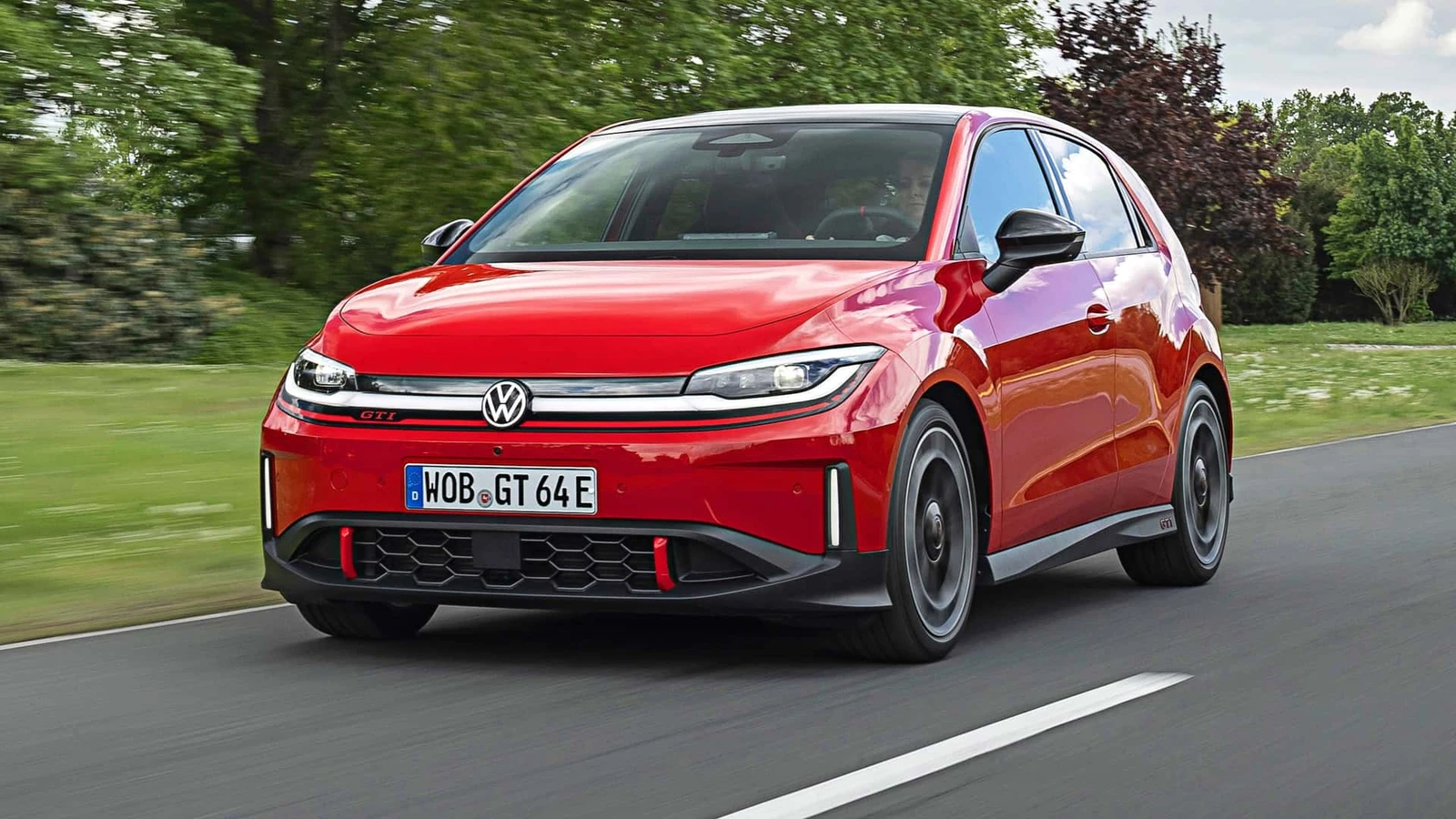
There is genuine demand to build on. EVs made up 40 percent of the group's order book in Europe through the first nine months of the year, and its Electric Urban Car Family has drawn around 150,000 orders. The VW ID. Polo, VW ID. Cross, Cupra Raval and Skoda Epiq are named as important parts of the push to expand electric mobility in Europe.
The next test is affordability. The production version of the ID. Every1 concept is due in 2027 and could revive the ID. Up nameplate as the brand's cheapest electric car. A lower price should widen access to EV ownership, but it also leaves thinner margins on each car, which makes building an affordable EV profitably a harder problem than selling expensive ones at a loss.
China, tariffs and Chinese pricing in Europe
Other headwinds are compounding the squeeze. The group points to a sharply shrinking Chinese market, increasingly aggressive pricing by Chinese automakers in Europe, and U.S. tariffs, all of which make margin improvement harder across its brands.
Its answer is a broad cost programme worth around €31 billion. Priorities include simplifying the model range, streamlining organisational structures, lowering vehicle costs and overheads, improving factory efficiency and speeding up technology development.
The restructuring reaches the product plan and the workforce. As many as 50 percent of models could eventually be retired, and the group plans to simplify its parts bin sharply to improve economies of scale. The long-running SEAT brand could be phased out, though no final decision has been made. Around 100,000 job cuts worldwide are targeted.
Four German plants, Emden, Zwickau, Hanover and Neckarsulm, have no guaranteed production allocations beyond 2031 to 2034. The group says it is evaluating alternative uses for the sites rather than announcing closures, but further shutdowns or production cuts remain possible as it works to cut costs and excess capacity.
"We cannot afford to lose any time. We must act quickly and decisively," Antlitz said.
What it means for buyers
For drivers, the near-term effect is a group pushing hard on price to keep EV orders coming, particularly in Europe, where the 40 percent EV order share and the 150,000 orders for the urban electric family give it a base to defend. The models named for that push, the ID. Polo, ID. Cross, Cupra Raval and Skoda Epiq, are the ones to watch for how aggressively that pricing is set.
The longer-term risk sits in the cost programme itself. A simplified range, a slimmed parts bin and a possible SEAT exit change what is on sale, and the four German plants without allocations past the early 2030s leave open where future models will be built. None of those decisions has been finalised beyond the model and job-cut targets.