INDEPENDENT AUTOMOTIVE NEWSGLOBAL PERSPECTIVE / AUSTRALIAN EDITION
TDCNTHE DAILY
CAR NEWS.

The road ahead.
Every day.

RSS ↗
Latest/Industry

202 original articles

Industry / TDCN ORIGINAL

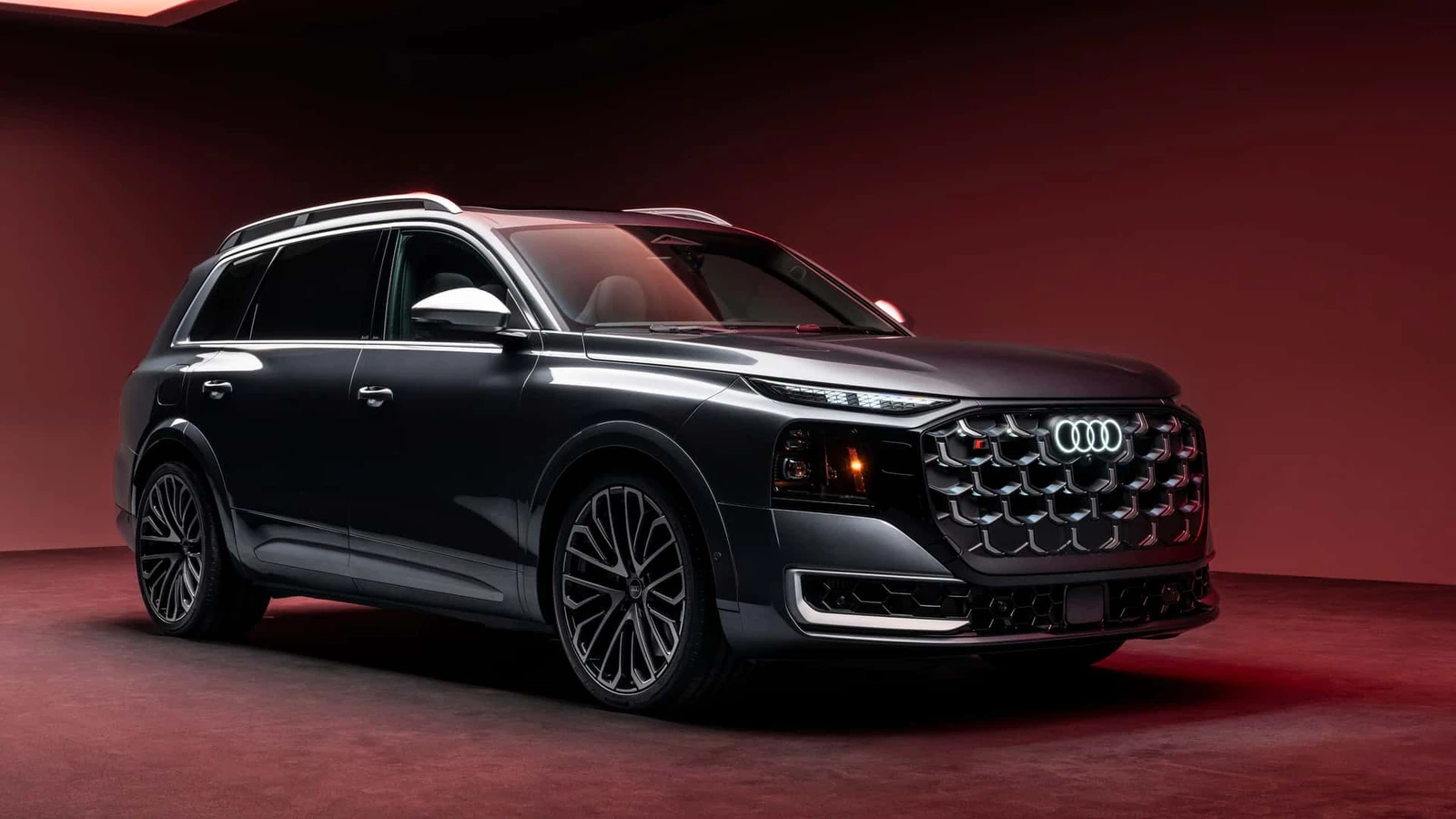
Audi names Q7, Q8 and Q9 as first models for its planned Georgia factory

The German brand's $4 billion US plant would build only combustion and plug-in hybrid large SUVs, with production not due until the early 2030s.

Image: Motor1

Audi plans to build the Q7, Q8 and Q9 at its proposed $4 billion factory near Macon, Georgia, CEO Gernot Döllner has said in an interview with Automotive News. The site would be Audi-only, with roughly half of its output staying in the US market.

The investment has not been signed off. It still needs approval from Volkswagen Group's supervisory board, and Döllner expects a decision by the end of the year. Construction is scheduled to start in 2027, with vehicle production in the early 2030s.

Three large SUVs, no electric models

The Q7, Q8 and Q9 form the backbone of the Georgia line-up. All three will have combustion engines, and plug-in hybrids are part of the plan; fully electric SUVs are not. The Q9, the first ever, is aimed at full-size luxury SUVs such as the BMW X7 and Mercedes GLS, giving Audi a belated entry at the top of that segment.

The plant is designed for up to 200,000 vehicles a year and around 4,500 jobs. Audi considered building at Volkswagen's Chattanooga, Tennessee, factory and at Scout Motors' upcoming Blythewood, South Carolina, site before deciding to start from scratch.

Choosing large petrol and plug-in hybrid SUVs rather than EVs is a pragmatic bet on where Audi's American volume sits today. It also leaves the brand's electric range dependent on imports for longer, which is the exposure the factory is meant to reduce.

Timing puts a facelift in between

The schedule is long. Audi has already revealed the next-generation Q7 and the Q9, and by the time Georgia production begins in the early 2030s both will likely have had a mid-cycle facelift. Until then, the Q7 and Q9 will be sourced from Audi's Bratislava plant in Slovakia.

The Q8 will also get a second generation, announced earlier this year, and will eventually be assembled in Georgia; until then it continues to come from Bratislava. The next-generation Q8 has not been revealed, though Döllner has said it will break cover in the "nearer future". A Q8 successor was not part of the plan until Audi's new top management changed course.

Smaller models stay imported. Audi USA will keep bringing the Q5 from San José Chiapa in Mexico, and Q3 production for the US continues at Győr in Hungary at least during the Georgia plant's initial phase. That leaves open the possibility of a US-built Q3 later, but no decision has been finalised.

Tariffs are the backdrop

Audi currently serves American buyers with vehicles shipped from Europe and Mexico, which leaves it exposed to import tariffs that have weighed on Volkswagen Group's finances. Local assembly should help it sidestep duties on imported finished vehicles, though the real benefit will depend on sourcing, supply chains and the trade rules in force when the plant opens.

That caveat matters more than the headline number. A factory only shields a brand from tariffs if enough of the value in each vehicle is created locally, so where batteries, motors and components come from will shape the saving as much as the assembly line does.

For buyers, the practical effect is a long wait: the models earmarked for Georgia are already on sale or revealed, and the US-built versions will arrive a generation later. The plant's approval, expected by year-end, is the next milestone to watch.
Open this article ↗
Australia / TDCN ORIGINAL

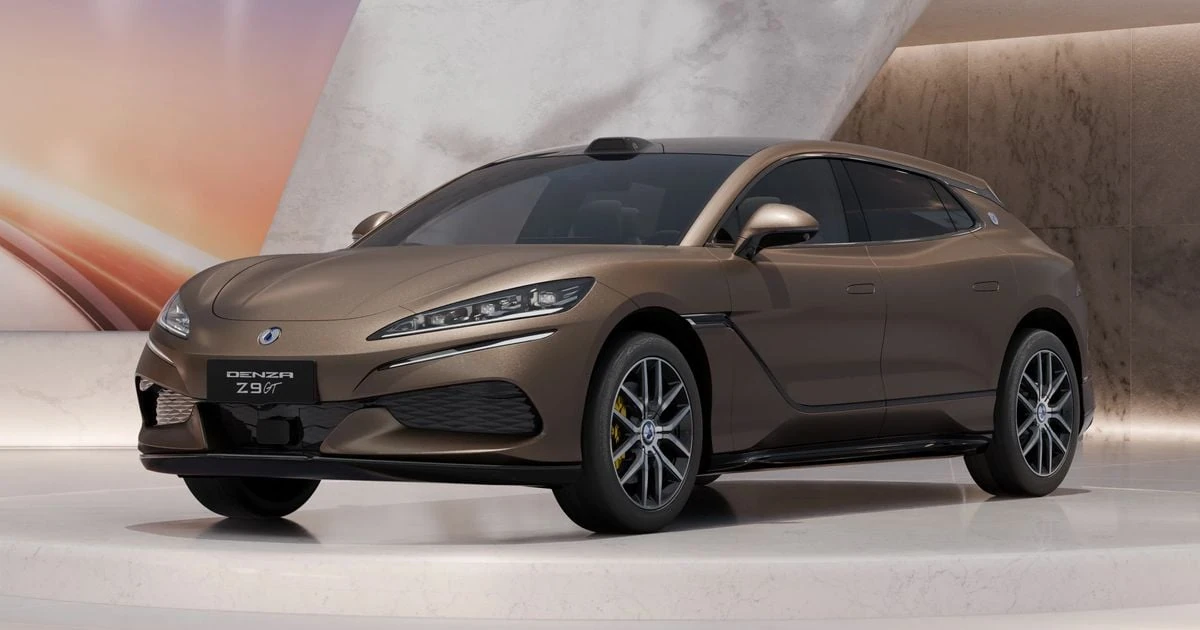
Denza pushes Australian launch of Z9 GT electric wagon into first half of 2027

The BYD premium brand had targeted a July-September 2026 arrival, but says it would rather launch the tri-motor shooting brake in an "optimal environment" than hit a date.

Denza has moved the Australian launch of its Z9 GT electric shooting brake to the first half of 2027, after an earlier plan to have it on sale in the third quarter of 2026 slipped past without a launch.

A Denza Australia spokesperson said the brand is "juggling priorities" and does not want to launch the car simply to meet a date, describing the Z9 GT as an important brand builder that needs an "optimal environment".

Why the timetable moved

The spokesperson pointed to "lots of moving pieces across the business" as both the BYD and Denza lineups keep expanding. Denza only began customer deliveries in Australia this year, starting with the large B5 and B8 plug-in hybrid off-road SUVs and then adding the D9 luxury electric people mover, a much lower-volume model.

The delay is not a sign the car has been dropped. It reflects a young brand still building out its local range and choosing where to spend its launch effort. For buyers, the practical effect is that the Z9 GT will not be in showrooms during 2026 as originally promised.

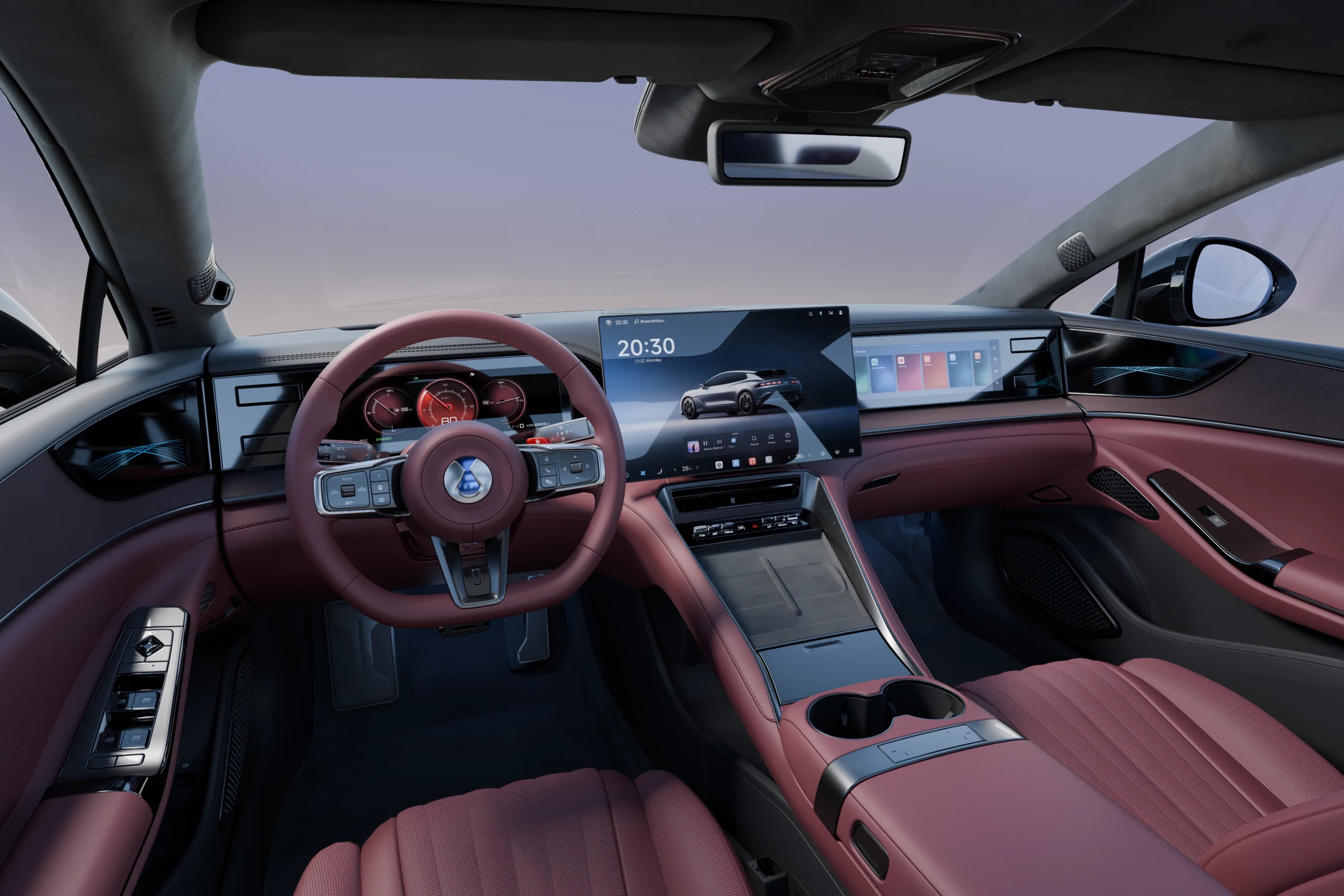
Inside the Z9 GT: a wide digital cockpit and burgundy leather trim
Inside the Z9 GT: a wide digital cockpit and burgundy leather trim, Image: CarExpert

What the Z9 GT packs

The Australian car is set to use a tri-motor all-wheel drive electric powertrain: one 230kW motor at the front and two 310kW units at the rear, for a combined 850kW. Power comes from a 122.5kWh lithium iron phosphate (LFP) battery.

Denza quotes 1036km of electric range, but that figure is measured on the more generous CLTC cycle rather than WLTP or EPA, so it should not be read as a like-for-like number against cars tested under other protocols. Denza also claims a 0-100km/h time of 2.7 seconds.

The Z9 GT will be the first electric vehicle in Australia with BYD's next-generation Blade Battery 2.0 technology, and it will support peak DC fast-charging of 1500kW, making it compatible with BYD's new Flash ultra-fast chargers that the company plans to roll out to selected dealers. That charging claim is a manufacturer figure and depends on those chargers actually being installed.

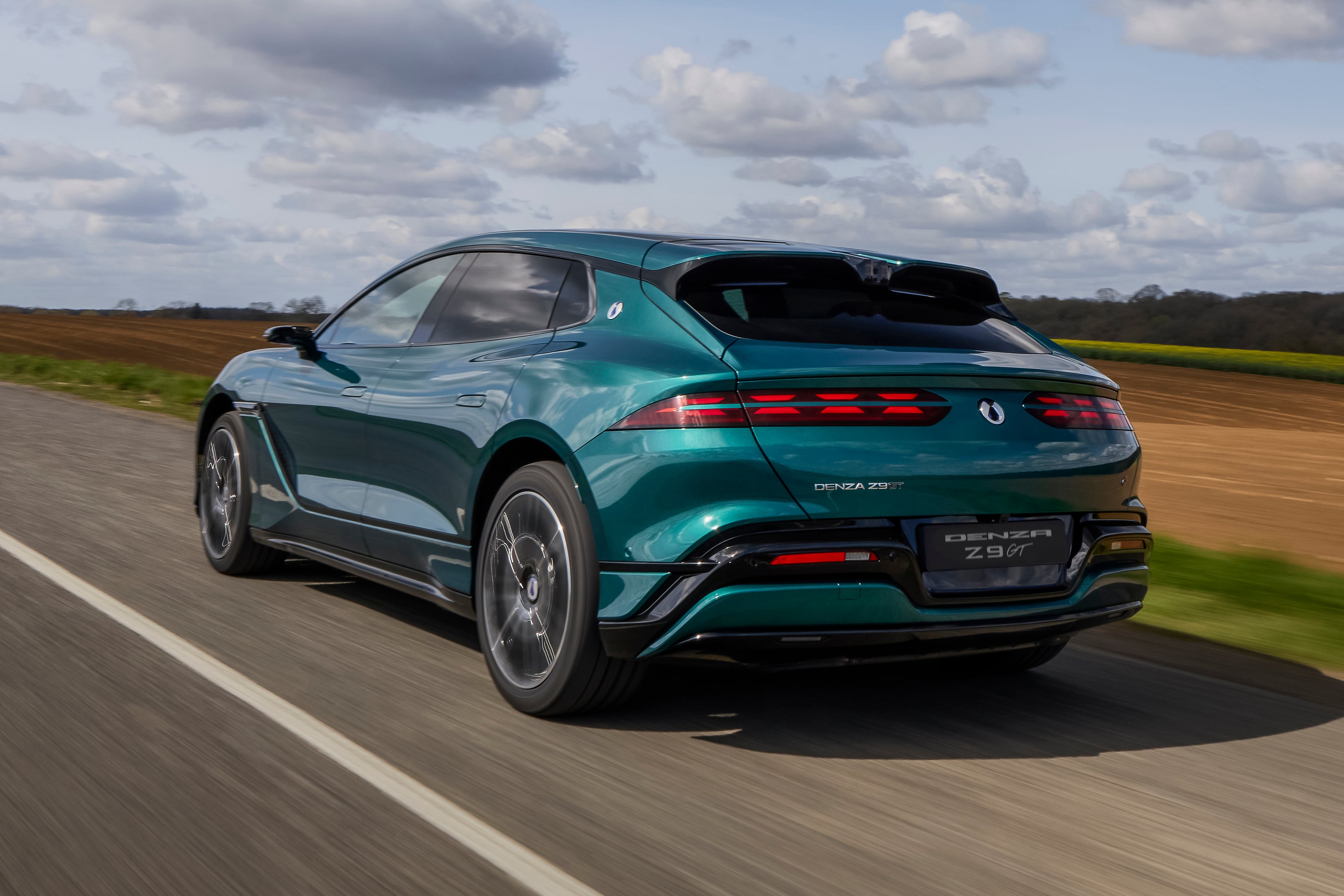
The Z9 GT electric wagon on the move ahead of its delayed Australian launch
The Z9 GT electric wagon on the move ahead of its delayed Australian launch, Image: CarExpert

Pricing, variants and rivals

Pricing for Australia has not been announced. The Z9 GT is being positioned as a rival to the Porsche Taycan and joins a small group of electric sports wagons heading here, alongside the Zeekr 7GT and Exlantix ES GT.

The 370kW single-motor rear-wheel drive version sold in China has not been confirmed for Australia. Denza has said it is open to bringing the plug-in hybrid version, which pairs three electric motors with a turbocharged 2.0-litre four-cylinder engine and a 63.8kWh LFP battery for a claimed 400km of CLTC range, if there is customer demand.

In the UK the car is fitted with air suspension, rear-wheel steering, a 17.3-inch touchscreen infotainment system flanked by two smaller 13.2-inch screens, and a refrigerated compartment that can both cool and heat. Australian specification has not been confirmed.

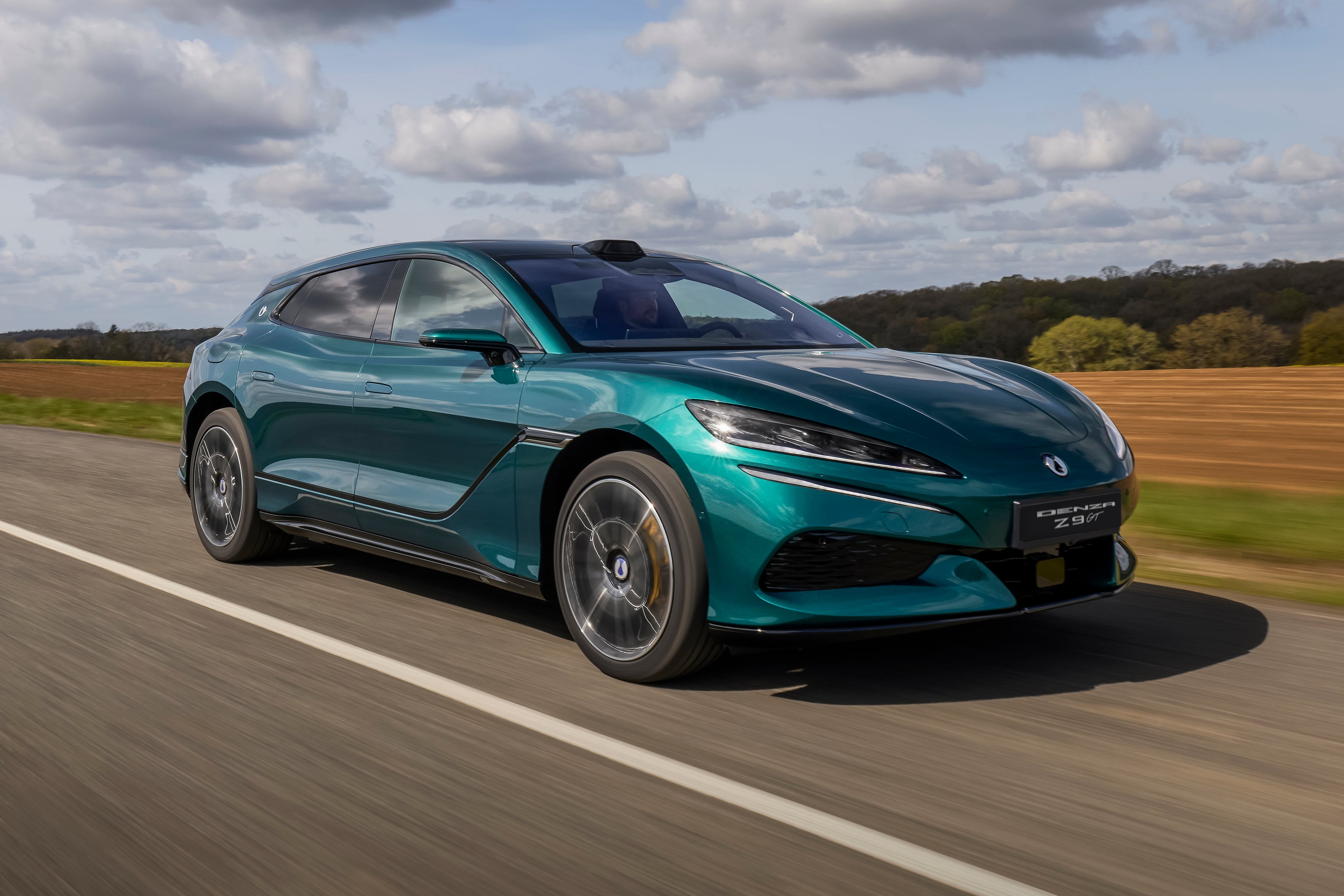
The Z9 GT's shooting-brake profile, seen from the front on the road
The Z9 GT's shooting-brake profile, seen from the front on the road, Image: CarExpert

The wider Denza rollout

The N9, a full-size plug-in hybrid crossover SUV, has now received Australian Design Rule certification, though its launch timing has not been announced.

As an electric wagon, the Z9 GT is likely to sell in lower volumes than the B5 and B8, which suggests Denza is treating it more as a halo model than a volume seller. That makes the wait easier to justify commercially, even if it frustrates buyers who were expecting the car in late 2026.

Open this article ↗

Keep scrolling to read the next story.

Older articles →