INDEPENDENT AUTOMOTIVE NEWSGLOBAL PERSPECTIVE / AUSTRALIAN EDITION
TDCNTHE DAILY
CAR NEWS.

The road ahead.
Every day.

RSS ↗
Latest/Electric

228 original articles

Electric / TDCN ORIGINAL

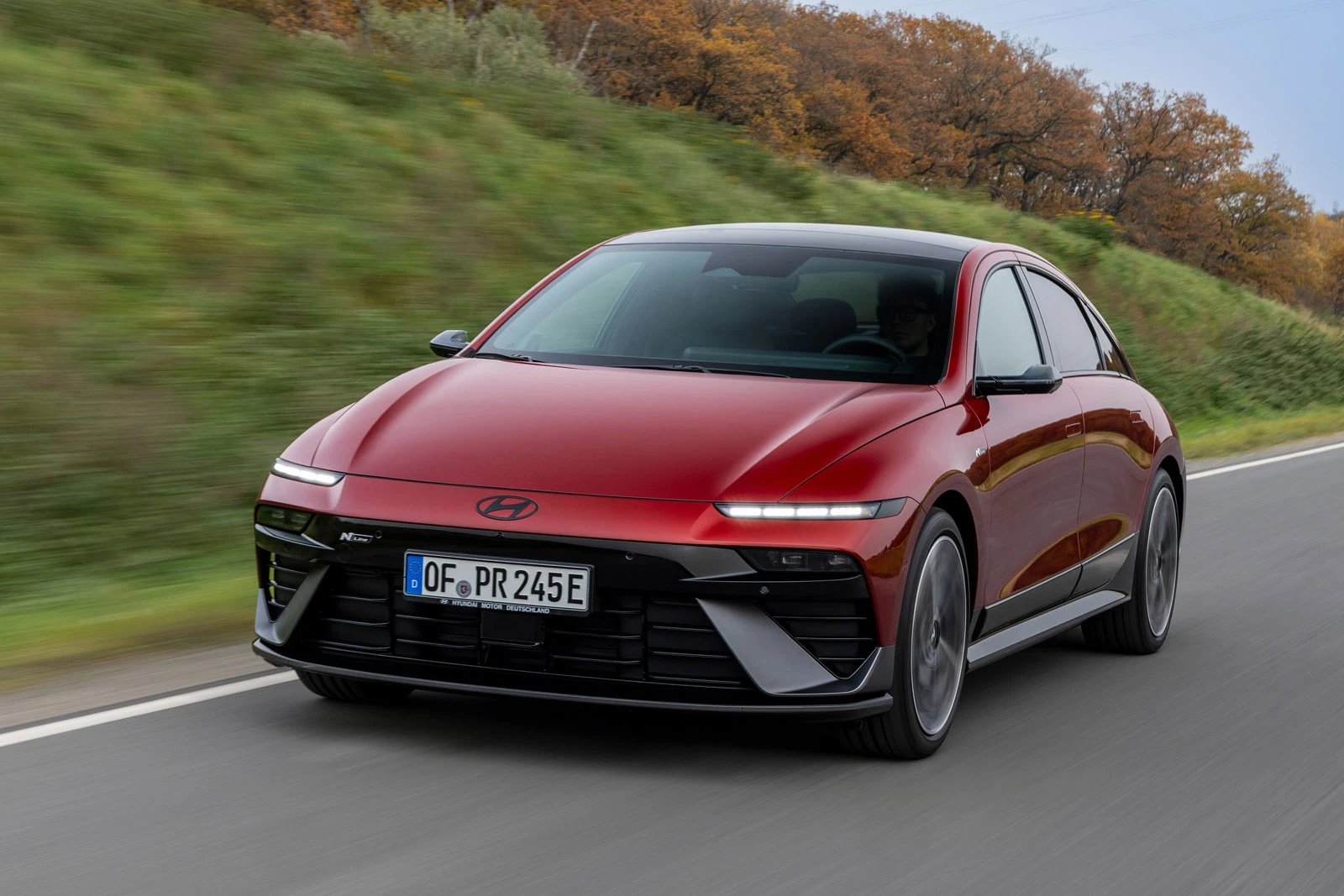
Facelifted Hyundai Ioniq 6 goes on sale in the UK from £33,240

Hyundai's updated electric saloon qualifies for the £3,750 Electric Car Grant after a lengthy approval process, cutting its price by thousands.

The facelifted Hyundai Ioniq 6 is now on sale in the UK, priced from £33,240 for the entry-level Premium trim with the 84kWh battery and a WLTP range of 423 miles. That figure undercuts the Mercedes-Benz CLA 200 Electric, which starts at £39,150 for the smaller-battery, 328-mile version.

Hyundai has reshuffled the Ioniq 6's trim levels so that the entry car falls below the £37,000 threshold for the UK's Electric Car Grant, and convinced British authorities that the Korean-built car is produced sustainably enough to qualify for the full £3,750 discount. The process was lengthy, which is why it has taken a while for the facelifted Ioniq 6 to reach UK showrooms, but it is available now.

Pricing across the range

The one-up N Line trim, which gets sportier styling, is priced at £36,240 and also qualifies for the grant. The top-tier N Line Evo and the 320bhp dual-motor versions do not get the grant and are therefore considerably more expensive, at £43,270 and £46,770 respectively.

For context, when the original Ioniq 6 launched it cost £47,000. The combination of generally falling EV prices, the grant support and some well-judged upgrades has transformed the car's value proposition.

What the facelift changes

The visual updates are extensive: slimmer headlights, new wheel designs and the removal of the distinctive rear wing. Inside, materials have been upgraded with fewer hard, scratchy plastics, and N Line models get the three-spoke steering wheel from the Ioniq 6 N instead of the previous two-spoke design. The centre console retains its button-heavy layout but is more logically organised, and the digital screens work well without dominating the cabin.

The facelifted car uses the same upgraded 84kWh battery as the Ioniq 5 SUV. Choosing the smaller 18-inch wheels rather than the 20s adds 59 miles of WLTP range, though the difference will be smaller in practice. With efficiency in the high three miles per kWh, a 300-mile real-world range is very doable.

What it is like to drive

The regular rear-wheel-drive Ioniq 6 is a surprisingly decent steer, with good body control and faithful steering, and it can be made to yaw gently on the power in wet conditions. The ride is only okay, feeling a little short on suspension travel on challenging roads, and Hyundai still struggles with isolating fine vibrations and sharp intrusions.

The front seating position remains a weak point: the seat feels stuck in a medium-high position, perching the driver over the controls, whereas the CLA and Tesla Model 3 offer a more authentic saloon driving position. Rear leg room is immense, so the high floor is not a problem for passengers in the back.

The competitive picture

At £33,240, the Ioniq 6 undercuts not only the CLA 200 Electric but also the Tesla Model 3. The top-spec dual-motor versions at £46,770 remain competitive with the CLA range despite losing grant eligibility.

The smarter move for buyers who want something distinctive that is not an SUV is the entry Premium or N Line trim, where the grant does the most work. The higher-performance variants ask a significant premium partly because they fall outside the subsidy, which makes the value case for the 320bhp car harder to justify on price alone.
Open this article ↗
New cars / TDCN ORIGINAL

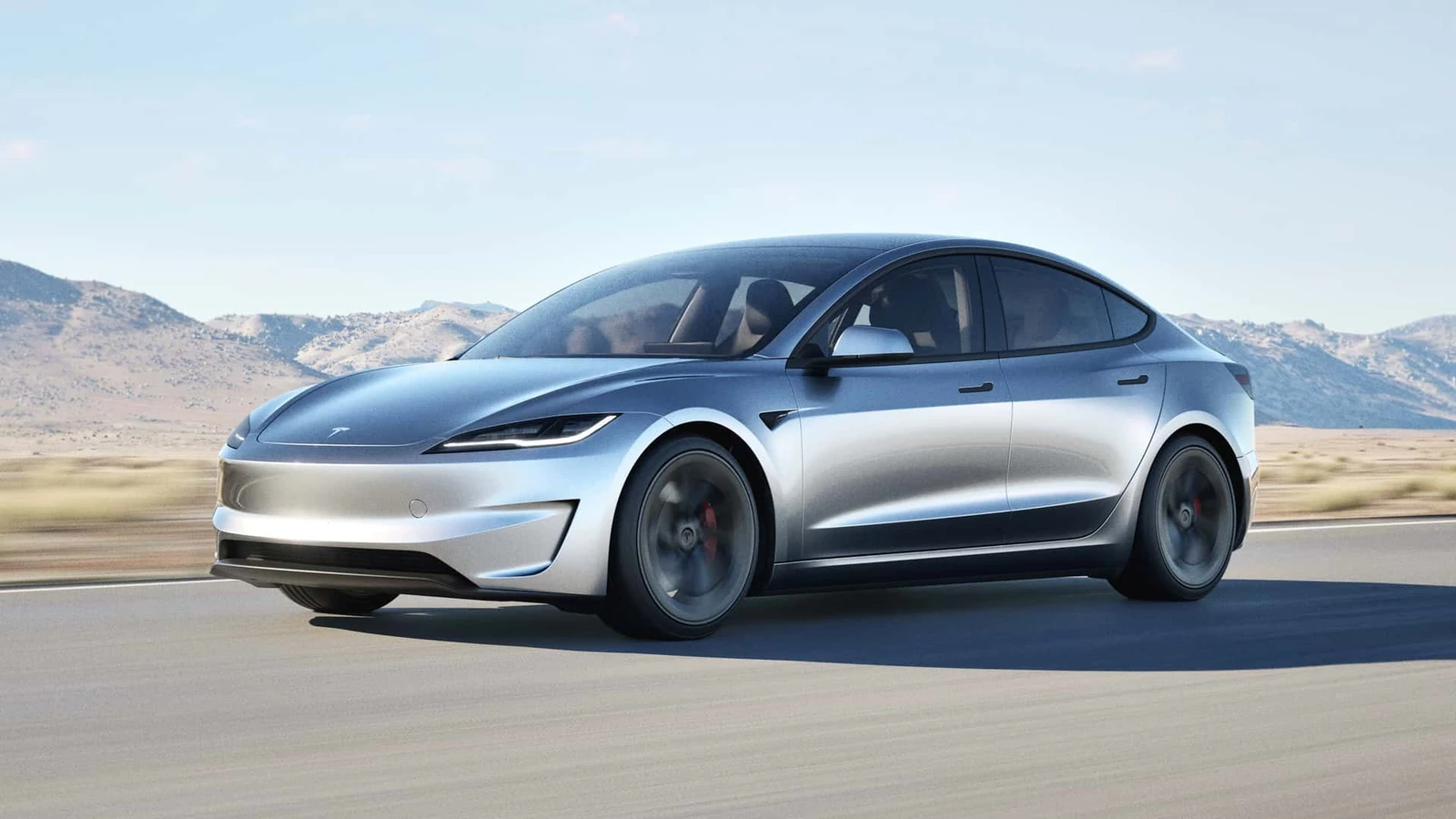
Turo adds verified Tesla Full Self-Driving filter to US rentals from October 28

A direct API link with Tesla confirms which listings have FSD (Supervised) active, and eligible hosts get a free month of the system.

Image: Motor1

US customers on Turo will be able to search for and book Teslas with verified Full Self-Driving (Supervised) from October 28, the car-sharing marketplace has announced. The platform confirms activation through a direct API integration with Tesla, and eligible listings will carry an FSD badge.

Turo says thousands of Teslas with the system already sit on its platform, so the feature arrives with inventory behind it rather than as a promise. The company frames the move as a way to let travellers sample driver-assistance tech without buying a car.

How the verification works

Hosts link their Tesla account to Turo, and the platform then checks FSD (Supervised) status automatically and displays it on qualifying listings. That removes the guesswork for renters, who previously had no reliable way to tell from a listing whether the software was switched on.

Eligible US hosts can also claim a free one-month trial of FSD (Supervised). The offer is aimed at the supply side: more verified cars in the pool makes the search filter more useful to guests.

Tesla's Model 3 and Model Y are already the third- and fourth-most popular models on Turo this year, which gives the integration a large existing base to work from.

Turo's pitch to curious travellers

CEO Andre Haddad cast the integration as an industry first and a way to convert curiosity into hands-on experience, saying most travellers have had limited opportunity to try driver-assistance technology while demand is clear.

Turo's own research puts interest in driverless technology for travel at 55 percent of Americans, rising to 71 percent among Gen Z. Its 2026 Road Report also found more than a fifth of Americans interested in the technology would be comfortable spending seven or more hours in a self-driving car.

The distinction matters: FSD (Supervised) is not fully autonomous. Drivers must stay attentive and ready to take control at all times. Anyone booking on the strength of those survey numbers should read the badge as driver assistance, not a robotaxi.

What it costs and what is still open

Turo has not announced a price for renting an FSD-equipped car, and the sources give no figure or premium attached to verified listings. Whether hosts set their own rates for FSD cars, or whether Turo applies any surcharge, has not been disclosed.

The feature is US-only at launch. Turo has not said whether it will extend the verification to other markets.

The integration sits inside a wider push to differentiate Turo from traditional rental firms. The company recently announced Turo Delivered, and a redesigned search and discovery experience is due later this year, letting customers choose when and where their rental is delivered.

Financially, Turo says it is on track for $3.3 billion in gross booking value and $1.2 billion in revenue for the full year, with record adjusted EBITDA projected for a fifth consecutive year of profitability. In the second quarter, booked days rose 19 percent year over year and global revenue 17 percent, while hosts earned an average of 23 percent more than in the same period of 2025, which Turo calls its strongest quarter yet for host earnings.

For Tesla owners, a verified FSD badge is a free marketing asset on a listing. For renters, it turns a vague hope into a searchable filter. The catch is that the badge certifies software status, not capability: the supervised system still puts the driving task on the person behind the wheel.

Open this article ↗

Keep scrolling to read the next story.

Older articles →