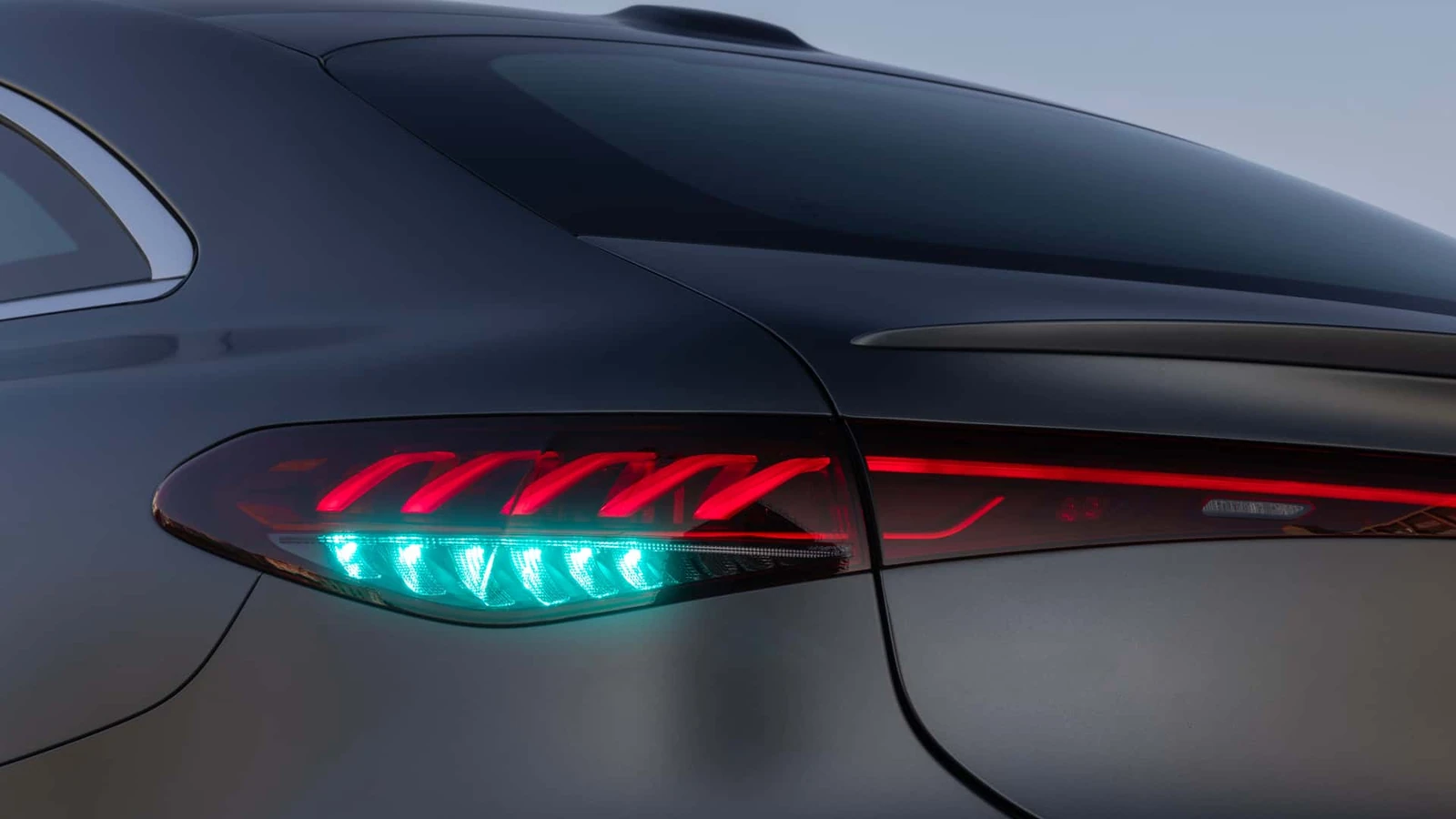
NHTSA has drafted a rule that would let self-driving cars display steady cyan lights to signal when an automated driving system is in control, updating Federal Motor Vehicle Safety Standard 108, the federal lighting regulation. The proposal is aimed partly at vehicles such as Tesla's Cybercab that are designed without a steering wheel or pedals.
Cyan lamps would be optional, not mandatory
Nothing in the draft compels an automaker to install the lamps. The filing would standardise cyan as the colour and set mounting and visibility requirements for any manufacturer that chooses to use them, and a driverless car without them would still be legal under the same proposal.
That voluntary structure leaves room for divergent approaches across the industry: a robotaxi fleet could adopt the lights for public recognition while another manufacturer skips them entirely, and both would comply with the same federal lighting rules NHTSA is rewriting. The catch is that a colour meant to tell pedestrians and other drivers a car is driving itself only works if the public can rely on seeing it, and an optional marker cannot carry that guarantee.
How the lights would work
The lamps would switch on only when the automated system is driving with nobody expected to monitor the road, then turn off the moment human monitoring is expected again. The filing is specific: the lights illuminate steadily rather than flash, and every lamp on the vehicle switches on and off together.
Placement is tightly defined. Automakers could mount one or two lamps at the front, one or two on each side and one or two at the rear, for a total of four to eight per vehicle, each at least 15 inches off the ground and kept visually separate from other lights. A single front or rear lamp must sit on the vehicle's centreline, while a pair needs matching height and even spacing, and the draft bars automakers from stringing extra cyan lights along the body beyond the specified arrangement.
Mercedes-Benz tested the idea first
The concept traces back to Mercedes-Benz, which tested turquoise lights on vehicles running its Drive Pilot system in California and Nevada between 2023 and 2025. NHTSA Administrator Jonathan Morrisson said the new rules would cut "unnecessary regulatory burdens" for vehicles built without manual controls while setting clear standards for marker lamps. China is studying similar identification ideas for higher level driving systems.
The same filing would also drop the 12.8-volt test requirement for integrated headlamps, letting manufacturers certify lighting at voltages suited to LED systems. It follows NHTSA's earlier decision to drop the manual brake pedal requirement for vehicles that an automated system controls on its own, while the agency's Cybercab certification investigation remains open.
Comments on the plan are due 30 days after the notice appears in the Federal Register, before regulators decide whether to finalise anything. Until then, the cyan marker is a proposal rather than a requirement, and no date has been announced for a final rule.