INDEPENDENT AUTOMOTIVE NEWSGLOBAL PERSPECTIVE / AUSTRALIAN EDITION
TDCNTHE DAILY
CAR NEWS.

The road ahead.
Every day.

RSS ↗
Latest/Australia

227 original articles

Australia / TDCN ORIGINAL

Bendix brake maker FMP Group enters voluntary administration in Australia

The Ballarat manufacturer that supplied Holden, Ford and Toyota has appointed administrators less than a year after marking its 70th anniversary.

FMP Group (Australia) Pty Limited, the company behind the Bendix brake brand, has entered voluntary administration, with Grant Thornton's Tianne Nagy-Jones and Philip Campbell-Wilson reportedly appointed joint administrators on October 26, 2026.

The first creditors' meeting is scheduled for Thursday, November 5, 2026. The administration comes less than 12 months after the business celebrated its 70th anniversary.

A Ballarat manufacturer with deep roots in Australian car making

FMP Group, whose name stands for Friction Materials Pacific, was established in Ballarat, Victoria, in 1955 as Mintex Limited by Britain's BBA Group. In 1963 the United States Bendix Corporation acquired a 51 per cent stake, creating Bendix Mintex, and the business took its current name in November 2002 while keeping Bendix as its product brand.

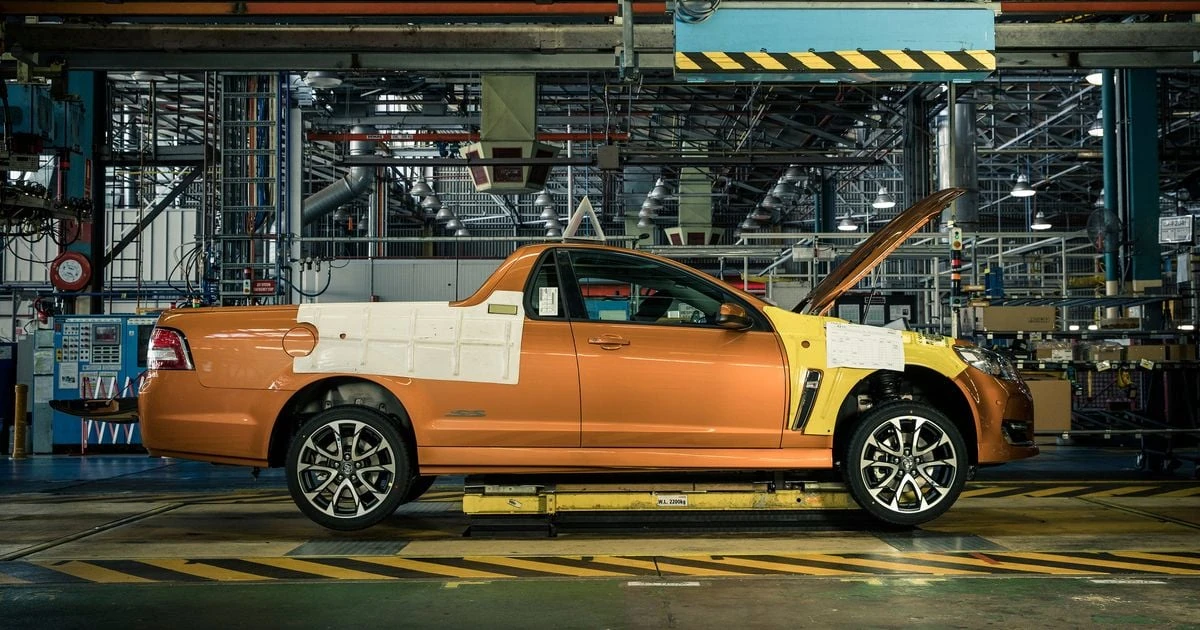
Bendix became the sole supplier of brake linings to Holden in 1967 and also supplied Chrysler, Ford, Mitsubishi, Nissan and Toyota's Australian manufacturing operations. That role shrank as local car production ended, with Ford closing its plants in 2016 and Toyota and Holden following in 2017.

The company's product range now extends beyond brake pads and friction materials to brake rotors, electric trailer-brake controllers, and braking components for four-wheel drives and motorcycles. FMP Group also promotes Trico windscreen wipers in Australia, although Trico Products Pty Ltd is a separate legal entity.
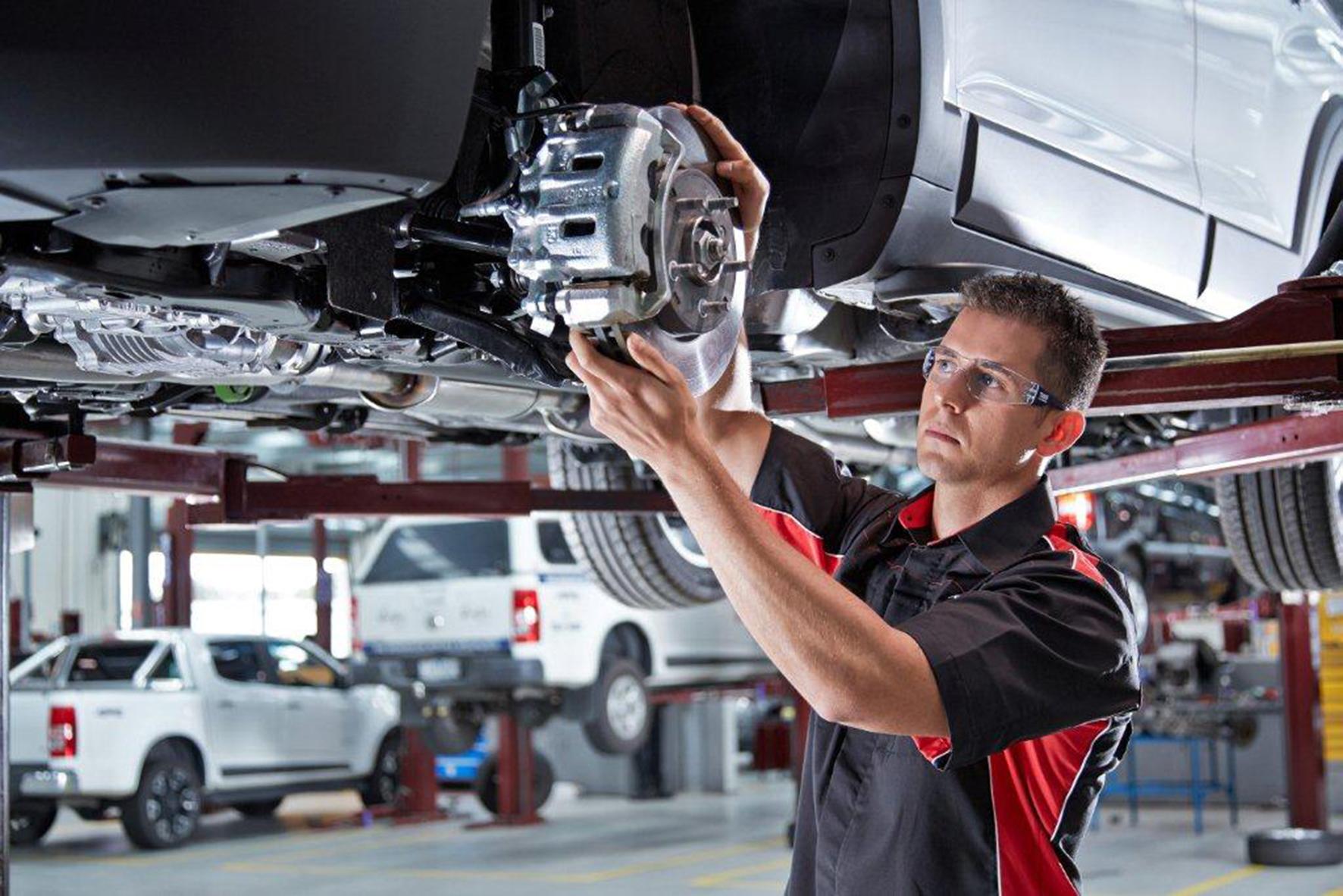
A workshop technician services a brake assembly, illustrating the aftermarket demand that underpins Bendix's business.
A workshop technician services a brake assembly, illustrating the aftermarket demand that underpins Bendix's business., Image: CarExpert

Ballarat output and recent investment

In November 2025 the Ballarat factory reportedly employed around 120 people and produced more than 1.3 million sets of brake pads annually, with roughly 70 per cent of the brake pads it sold in Australia made locally. It also has a sales and marketing office in Melbourne and lists manufacturing and sales facilities in Thailand and a sales office in Malaysia.

In a June 2025 statement, Bendix outlined recent investment in Ballarat including specialised grinding equipment, expanded warehouse capacity, additional tooling and robotics, and an automated boxing system. It said plans were well advanced to expand capacity for low-volume, made-to-order products.

The administration follows the collapse of US automotive parts group First Brands Group, which acquired the FMP/Trico Australia business in 2024. For Australian drivers, the practical question is what happens to local brake pad supply and to the Ballarat workforce; neither has been addressed in the information released so far, and no statement on the plant's future or on continued parts availability has been announced.
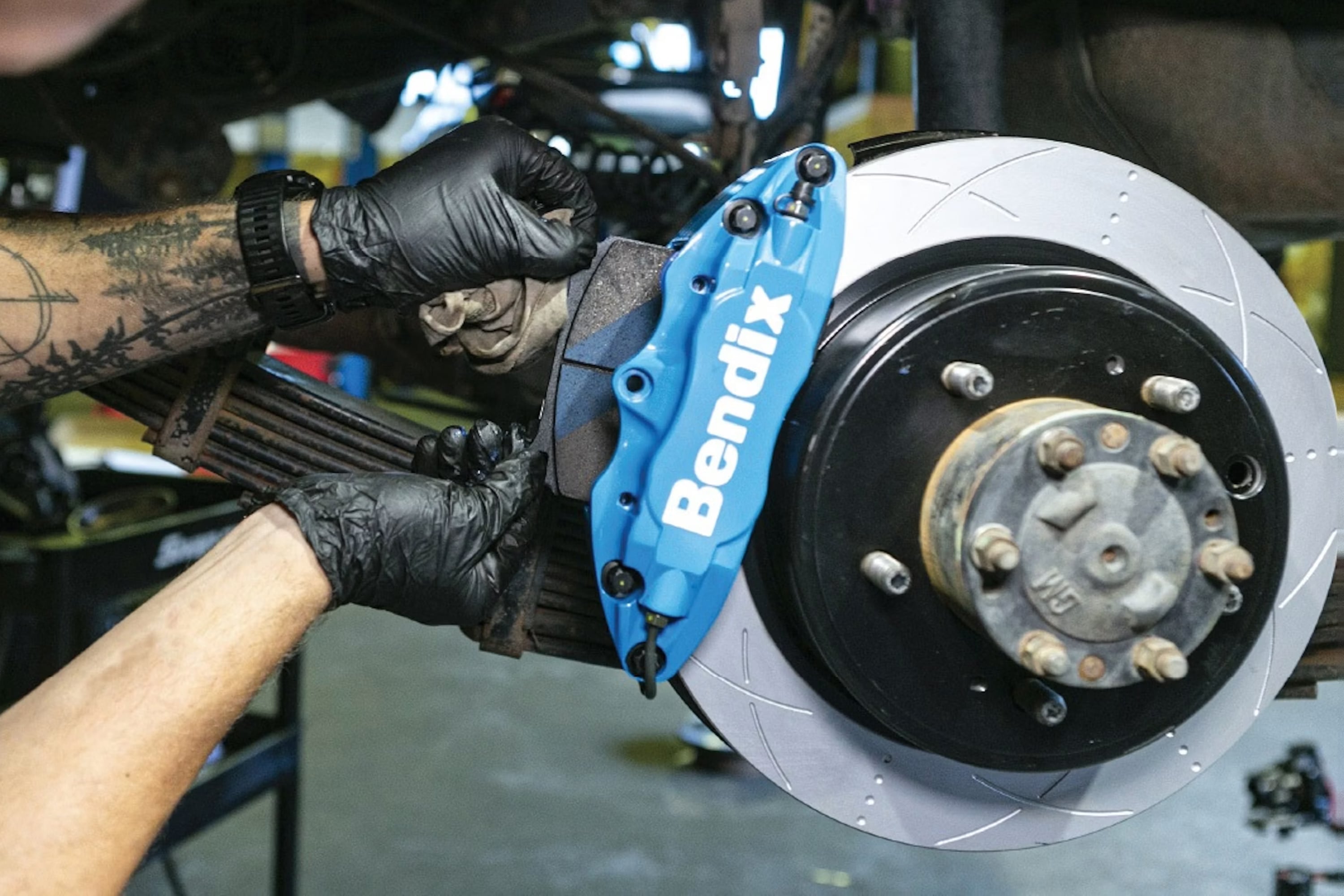
A technician fits a Bendix brake caliper and rotor, the kind of product at the centre of FMP Group's Australian operations.
A technician fits a Bendix brake caliper and rotor, the kind of product at the centre of FMP Group's Australian operations., Image: CarExpert

Motorsport profile and what comes next

Bendix sponsored the Chevrolet Camaro driven by Zach Bates to pole position at this month's Bathurst 1000, before he and co-driver Aaron Seton finished third.

The immediate milestones are procedural: the joint administrators' appointment on October 26 and the creditors' meeting on November 5. Voluntary administration puts control of the company in the hands of administrators while options such as a sale or restructure are assessed, and creditors typically learn more about the business's position at that first meeting.

What has not been announced is whether the Ballarat factory will keep operating through the process, whether a buyer has been identified, or what the administration means for warranties and parts supply to workshops and motorists. Those answers will shape how much of Australia's remaining brake manufacturing capacity survives the collapse of its parent.
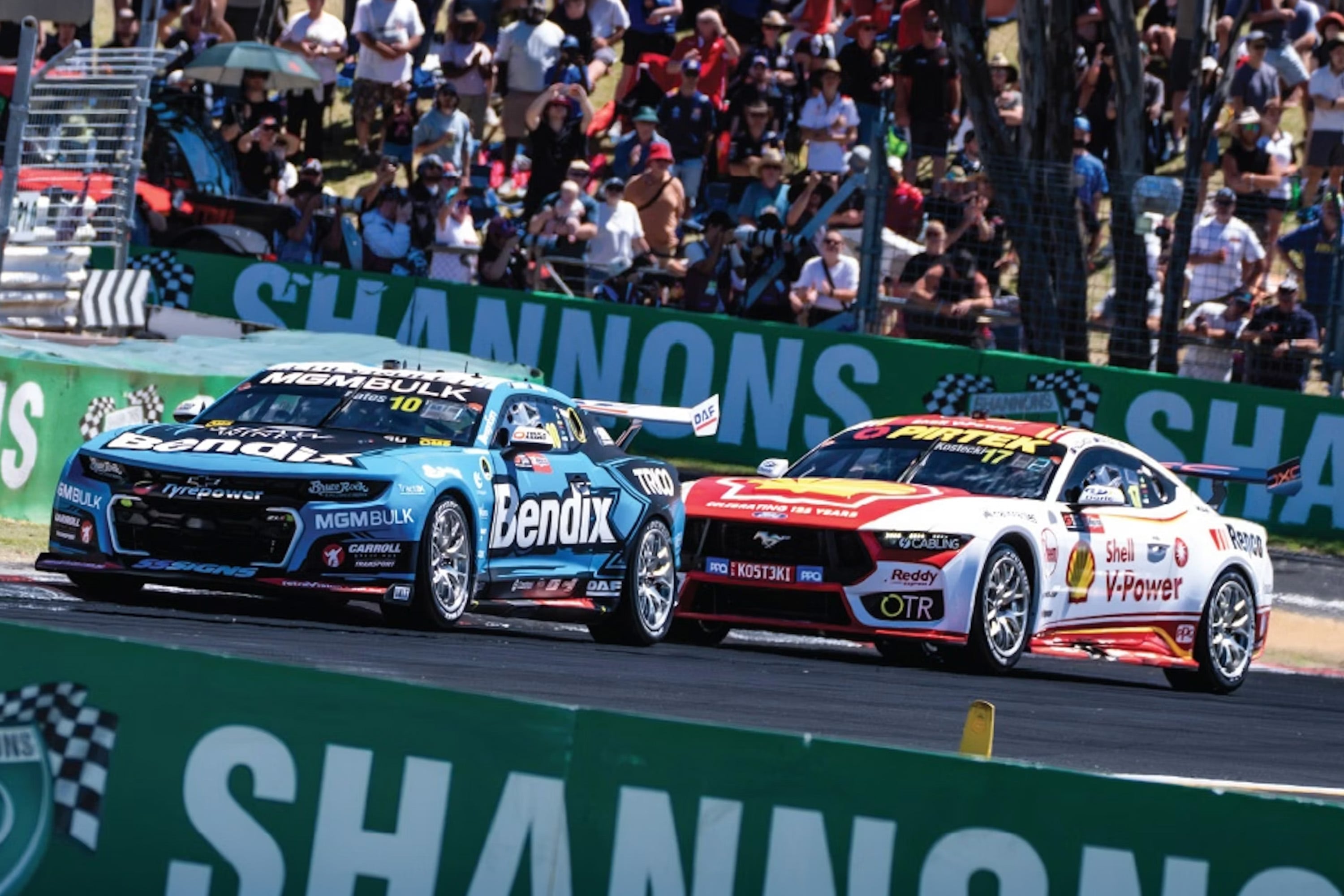
The Bendix-backed Supercar leads a rival through a corner, underlining the brand's motorsport presence.
The Bendix-backed Supercar leads a rival through a corner, underlining the brand's motorsport presence., Image: CarExpert
Open this article ↗
Electric / TDCN ORIGINAL

EU electric car sales overtook petrol and diesel combined in Q3

Fully electric cars outsold pure combustion models across the EU last quarter, with 13 of 27 member states setting their own records.

Battery-electric cars outsold petrol and diesel cars combined across the European Union in the third quarter, a first for the bloc. Buyers took home 710,580 full EVs against 655,540 pure combustion cars over the same period.

The figures come from Transport & Environment, the climate advocacy group and research firm that tracks European powertrain sales. Its data shows the shift is broad rather than confined to a handful of enthusiastic markets: 13 of the 27 EU member states posted their highest EV sales on record, and in ten of them battery-electric is now the best-selling powertrain type.

Where the growth is coming from

Norway remains the outlier at 97.9% EV market share, helped by tax treatment and incentives that make electric cars cheaper to buy. Sweden and the Netherlands also sit high for similar reasons.

France, Germany, Belgium, the UK, Portugal and Ireland have all pushed past 25% market share for new electric sales. Croatia is the laggard at 4.2%, but its EV sales are up 244% while pure combustion sales there have fallen 19%, so the direction of travel matches the rest of the bloc.

Product choice is doing much of the work. Chinese brands Leapmotor, Geely and BYD have arrived with budget models such as the Leapmotor B10 and BYD Dolphin Surf, while Renault, Stellantis, Hyundai, Kia and Volkswagen have launched affordable hatchbacks and crossovers with more planned. Europe's advantage over the US is largely one of selection: there are simply more low-cost electric models on showroom floors.

Hybrids are the next target

Hybrids still lead battery-electric cars, at 892,380 units in the third quarter, leaving a gap of roughly 180,000 sales. That is a narrow margin given the trajectory, and upcoming budget models such as the Citroën 2CV and Dacia Spring are aimed squarely at the value end of the market where hybrids currently hold sway.

When EVs will actually overtake hybrids has not been announced by T&E or anyone else, and no date has been put on it. The source material only notes the trend and the size of the current gap.

The milestone matters beyond bragging rights. When electric becomes the default choice in a market as large as the EU, it changes what manufacturers build, where they send their limited battery supply and how quickly charging infrastructure gets funded. It also puts pressure on brands that have leaned on hybrids as a compliance bridge.

What it does not tell us

The Q3 result covers the EU, not Europe as a whole, and the source figures are quarterly sales rather than a full-year tally. Pricing for the budget models named has not been disclosed in the material, and no Australian availability or pricing is implied by any of it.

The US comparison in the data is directional only: slower adoption there is attributed to weaker subsidies and a thinner choice of cheap models, without figures to quantify the gap.

Open this article ↗

Keep scrolling to read the next story.

Older articles →