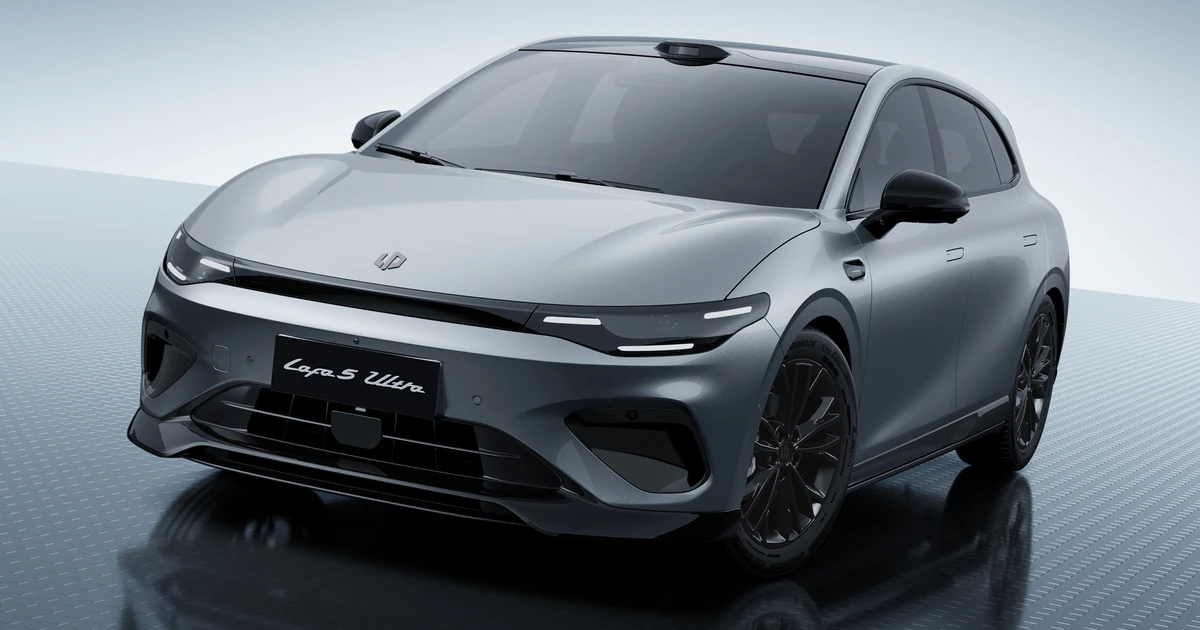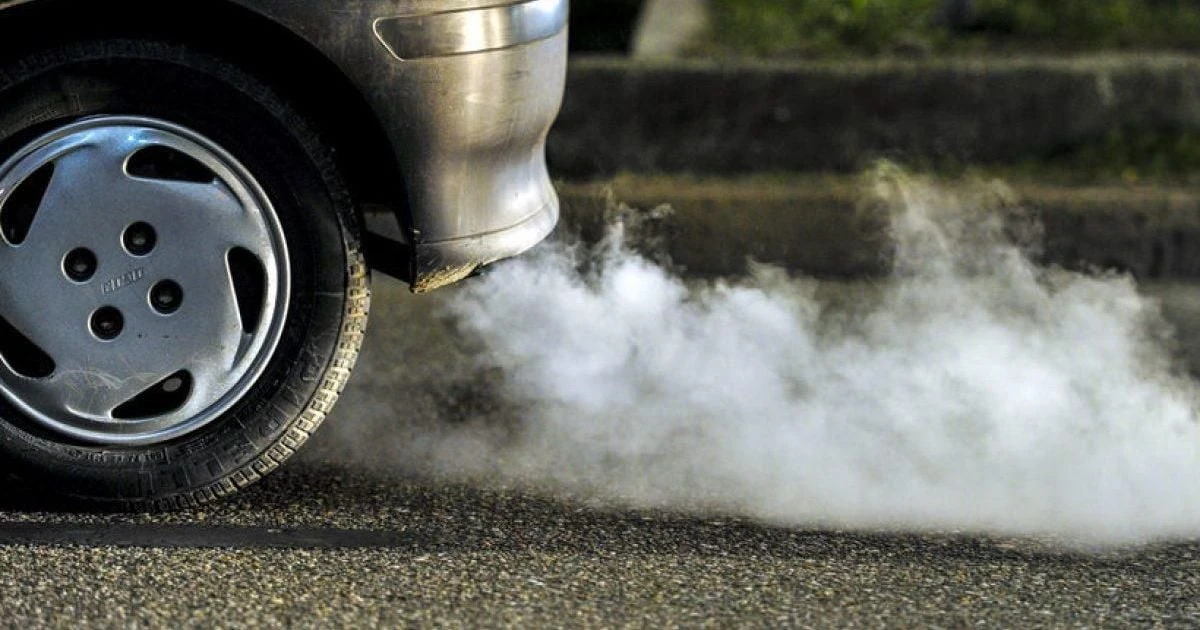
Voting blocs in the European Parliament accounting for 55 per cent of the chamber have agreed to a deal that would replace the EU's 2035 ban on new combustion-engined cars with an 87.5 per cent CO2 reduction target, according to a document seen by Bloomberg.
The proposal would leave the remaining 7.5 per cent of new-vehicle emissions to be offset by purchases of green steel, rather than requiring a full 100 per cent cut. It is not yet law: the Parliament, European Commission and European Council must agree, and each member state must then pass the legislation.
What Parliament's bloc has agreed
The reported coalition runs from the centre-right to the centre-left and covers 55 per cent of the European Parliament, enough to carry a position if it holds. Under the current rules, automakers must cut CO2 from new cars by 100 per cent by 2035, which in practice ends sales of new petrol, diesel, hybrid and plug-in hybrid models.
The Parliament's stance is not the same as the Commission's. In December 2025 the Commission resolved to set the 2035 target at 90 per cent, with the remaining emissions offset through synthetic fuels and green steel production. That gap between 87.5 per cent plus green steel and 90 per cent plus e-fuels is the space where the final negotiation will happen.
France and Germany line up behind 90 per cent
This week French president Emmanuel Macron and German chancellor Friedrich Merz agreed a common position on the question. Following Germany's preference, they propose a 90 per cent reduction in new-car CO2 by 2035 with no further offsets required.
In return, Germany has agreed to push for made-in-Europe public procurement rules. For vehicles bought by government agencies, 10 per cent of high-voltage batteries would have to come from European sources and 70 per cent of other components would have to be made in Europe.
That trade is the most telling part of the story. The two largest member states are not simply arguing over a percentage; they are trading a softer emissions target for local-content rules that would steer public fleet money toward European supply chains. For drivers, the practical effect of any of these versions is that new petrol, diesel and hybrid cars could remain on sale past 2035, which changes what is likely to be on forecourts in the 2030s.
Why the target is being softened
The Commission came under pressure from automakers and some member states to lower the reduction target. The stated reasons are slower-than-expected uptake of electric vehicles, stiff competition from Chinese manufacturers and the high cost of developing new EV architectures.
Those pressures explain why three different numbers are now in play at once. A 100 per cent cut is the law as it stands, 90 per cent is the Commission's and the Macron-Merz position, and 87.5 per cent plus green steel offsets is where the parliamentary majority has landed. Each figure implies a different volume of combustion-engined cars still being sold in 2035, and a different amount of investment pushed toward e-fuels, green steel or battery-electric platforms.
What is still unresolved
No final figure has been agreed between the EU's institutions, and it is not settled what the various arms of the EU and its largest member states will sign up to for the 2035 new-vehicle emissions target. Until the Parliament, Commission and Council converge and member states pass the legislation, the 100 per cent reduction remains the rule on paper.
The sources do not say when a trilogue agreement or a vote might happen, and no timetable for member-state transposition has been announced.