INDEPENDENT AUTOMOTIVE NEWSGLOBAL PERSPECTIVE / AUSTRALIAN EDITION
TDCNTHE DAILY
CAR NEWS.

The road ahead.
Every day.

RSS ↗
Latest/Electric

175 original articles

Electric / TDCN ORIGINAL

Seattle will install up to 200 curbside EV chargers by 2030, with residents choosing sites

The Level 2 chargers will be prioritised in areas with apartment buildings and few charging options, funded mainly by the city's 2024 transportation levy.

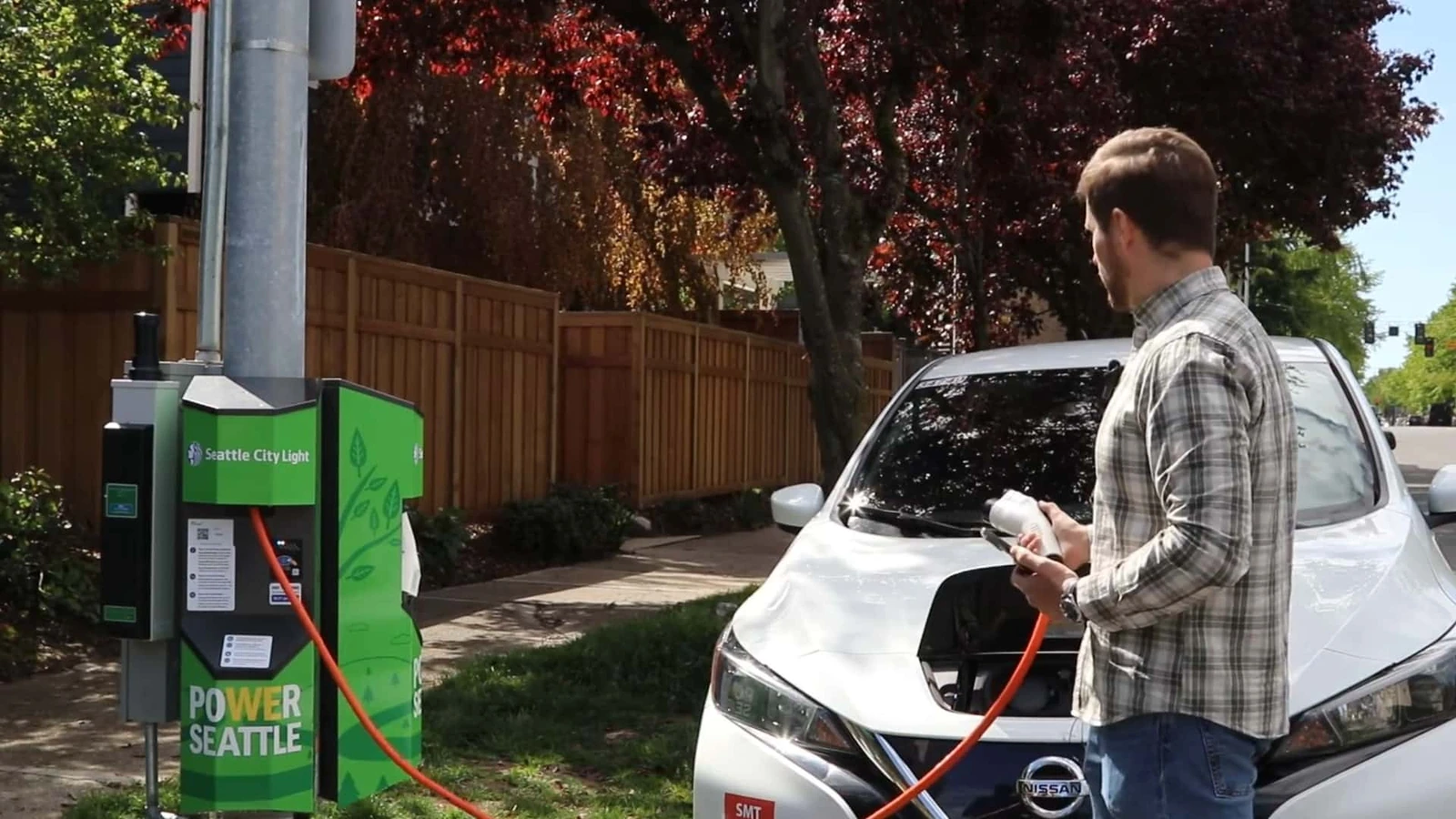
Seattle plans to install up to 200 new curbside Level 2 EV chargers across the city by 2030, with residents invited to apply for sites where the chargers should go. The project is aimed at electric car owners who live in multifamily buildings and who often lack off-street parking.

Applications for new locations are open now on the Seattle City Light portal and will remain open until fall 2027, when installation is scheduled to begin.

How the sites will be chosen

Seattle City Light and the Seattle Department of Transportation will review resident applications and select locations in batches of 40 to 50 at a time, on an ongoing basis. Design work and permitting for the sites will start in spring 2027, followed by the first installations in fall 2027. Each site is expected to see about two weeks of active construction, and all locations are due to be online by 2030.

The city has not yet named specific streets or neighbourhoods for the chargers; those will be determined through the application and review process. Areas near multifamily housing that are not already served by curbside chargers will be prioritised. The programme will also use a "walk score" metric to place new sites near businesses and parks, which the city says leads to higher utilisation rates, and communities that suffer from pollution and have experienced underinvestment will also be on the priority list.

Pilot results and funding

The programme follows a pilot that deployed 58 chargers at 31 locations across Seattle in 2023 and 2024. In the last year alone, those chargers were used 45,000 times, according to SDOT spokesperson Mariam Ali, quoted by The Seattle Times.

The new chargers will be paid for by the $1.55 billion Seattle Transportation Levy approved by voters in 2024. Of the $32 million dedicated to electrification in the levy, roughly $21 million will go to the 200 curbside chargers, with an additional $2 million from Seattle City Light. Charging at the city's existing curbside chargers currently costs $0.21 per kilowatt-hour, with a peak power output of 9.6 kilowatts.

Why curbside charging matters in Seattle

Over half of all homes in Seattle are apartments or condominiums, which often do not have off-street parking. That makes charging inconvenient for EV owners, who sometimes have to rely on costlier DC fast chargers near shopping centres or major traffic corridors. Curbside charging addresses the problem because the stalls are closer to home and a car can stay connected for multiple hours without affecting other drivers.

The approach is widespread in Europe, and American cities are slowly adopting it too: besides Seattle, New York City, Detroit and San Francisco are deploying more EV chargers in residential areas.

The catch is that curbside Level 2 charging is slower than DC fast charging, so it suits overnight or long-stay parking rather than quick top-ups on a journey. For apartment dwellers, though, a charger within walking distance of home is the difference between owning an EV and not. The city's decision to let residents nominate sites is a practical way to direct limited levy money to the blocks where the need is greatest, though the 2027 start means the first new stalls are still years away.
Open this article ↗
New cars / TDCN ORIGINAL

GM revives OnStar name for its own in-car AI assistant, debuting in the 2027 Cadillac Lyriq

The vehicle-trained assistant sits alongside Google Gemini and can control cabin functions, diagnose warning beeps and hand conversations to a live advisor.

General Motors is bringing back the OnStar name, this time for an in-house AI assistant that will debut in the US in the 2027 Cadillac Lyriq before spreading to other GM models. The system was announced at the company's GM Forward event.

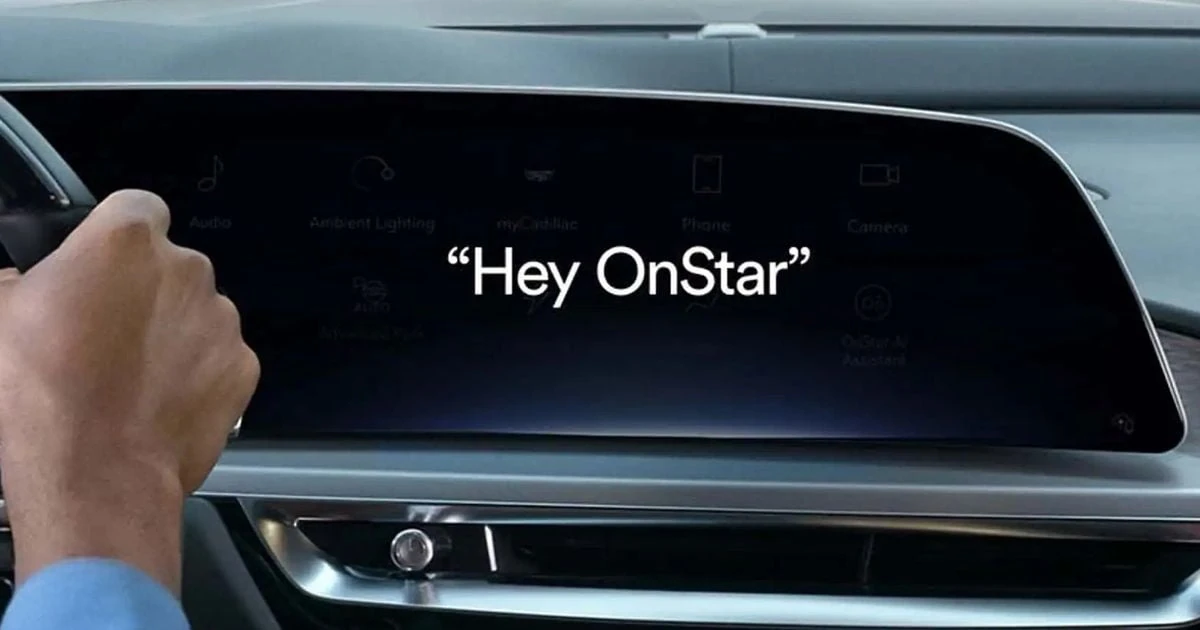
OnStar AI is GM's own assistant, trained specifically on its vehicles, and it will sit alongside Google Gemini, which GM began rolling out to cars last year, including over-the-air updates to models dating back to 2022.

What OnStar AI can do

GM chief product officer Sterling Anderson drew a clear line between the two systems. "OnStar AI is different than Gemini," he said. "OnStar AI is trained for our vehicles, so the AI in your car will understand your car deeply. Not just understand it – it'll be able to control it."

Anderson said GM did not need to build its own large language model from scratch, instead layering vehicle-specific functionality on top of existing models. In demonstrations at the event, GM's director of product management for voice and vehicle AI, Anna Santos, asked OnStar AI to play a song from a half-remembered lyric, switch on a cabin light she could not name, and explain a "double beep" she had heard earlier in the drive. The assistant identified the sound as a speed limit warning.

She also asked it to stop her dogs opening the doors, which engaged the child locks, then added "the windows as well" without repeating the wake word. The assistant can hand a conversation to a live OnStar advisor without losing context, and owners will be able to upload a photo, of a boat for example, and ask whether their specific vehicle can tow it.

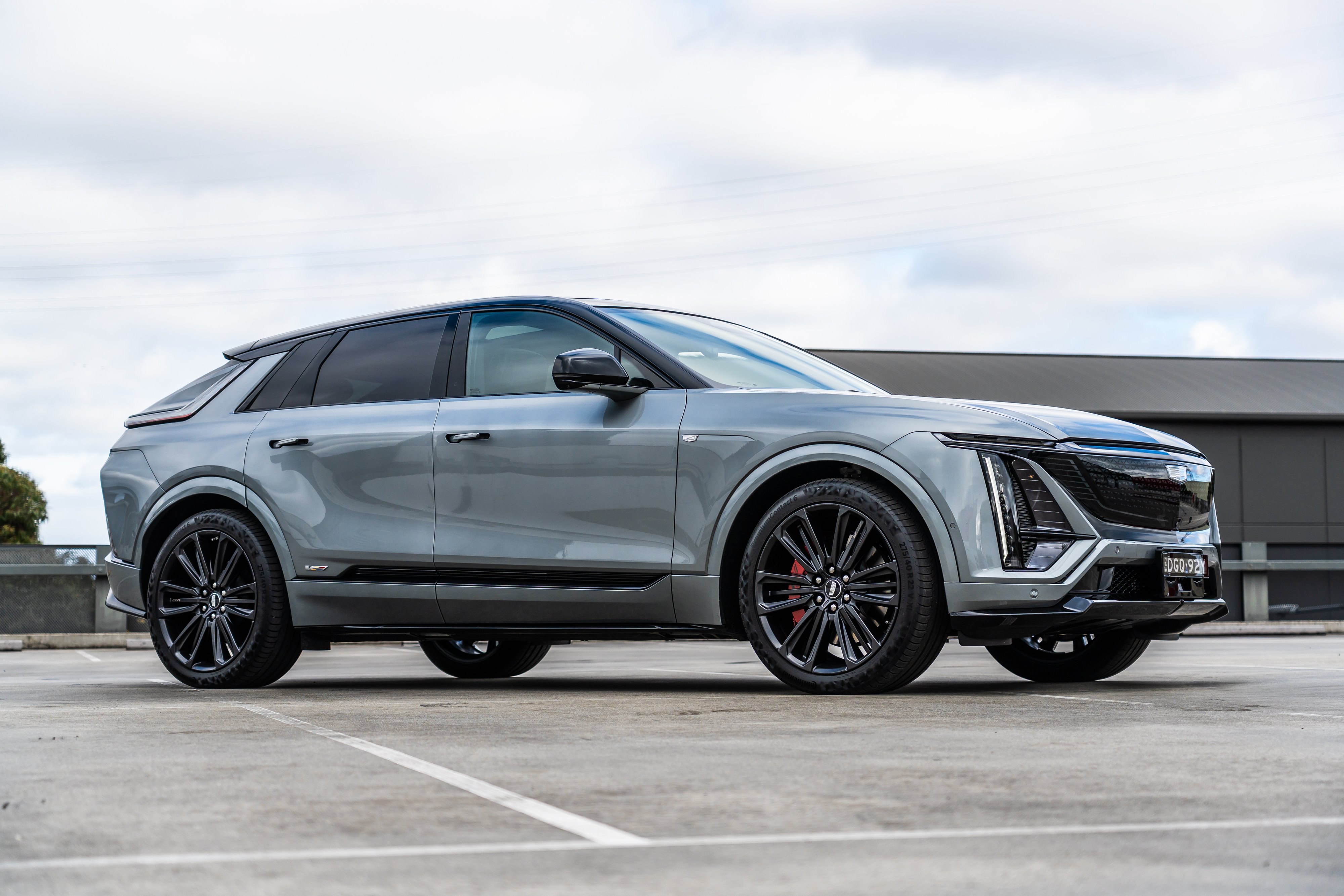
The 2027 Cadillac Lyriq, the debut vehicle for GM's revived OnStar AI assistant.
The 2027 Cadillac Lyriq, the debut vehicle for GM's revived OnStar AI assistant., Image: CarExpert

One app for four brands

GM is also folding its separate Chevrolet, GMC, Buick and Cadillac apps into a single OnStar app from the northern summer of 2027, between June and August. Ed Nightingale, the company's vice president of digital products and infrastructure and a former Microsoft and Apple executive, said the app will combine vehicle controls, family members' vehicles and proactive alerts, such as a warning when other GM vehicles detect slippery roads ahead.

GM repeatedly stressed that features are opt-in and governed by "plain language controls", a point worth reading as a response to the scrutiny the automaker has faced over data-sharing in the US. The company did not say whether OnStar AI would require a paid subscription.

A single app spans GM's four brands, putting OnStar AI controls and vehicle data in one place.
A single app spans GM's four brands, putting OnStar AI controls and vehicle data in one place., Image: CarExpert

Fleet tools and the open questions

GM also detailed OnStar Fleet Intelligence for small and medium businesses. Its fleet AI assistant, launched earlier this year, will be trained to diagnose vehicle problems like a technician and to advise when.

Several details remain unannounced. GM has not specified which other models will get OnStar AI beyond the Lyriq, nor when the rollout outside the US will begin. Pricing, including whether the assistant is bundled with an OnStar subscription, is also unanswered.

The naming is a deliberate piece of brand recycling. OnStar built its reputation on human advisors and emergency response, and attaching that name to an AI assistant trades on familiarity while signalling that the service is changing shape. The practical test for buyers will be whether the assistant's vehicle-level control, the ability to act on the car rather than just talk about it, proves more useful than the general-purpose Gemini already in the dash. GM's emphasis on opt-in controls suggests it knows trust is the constraint here, not capability.

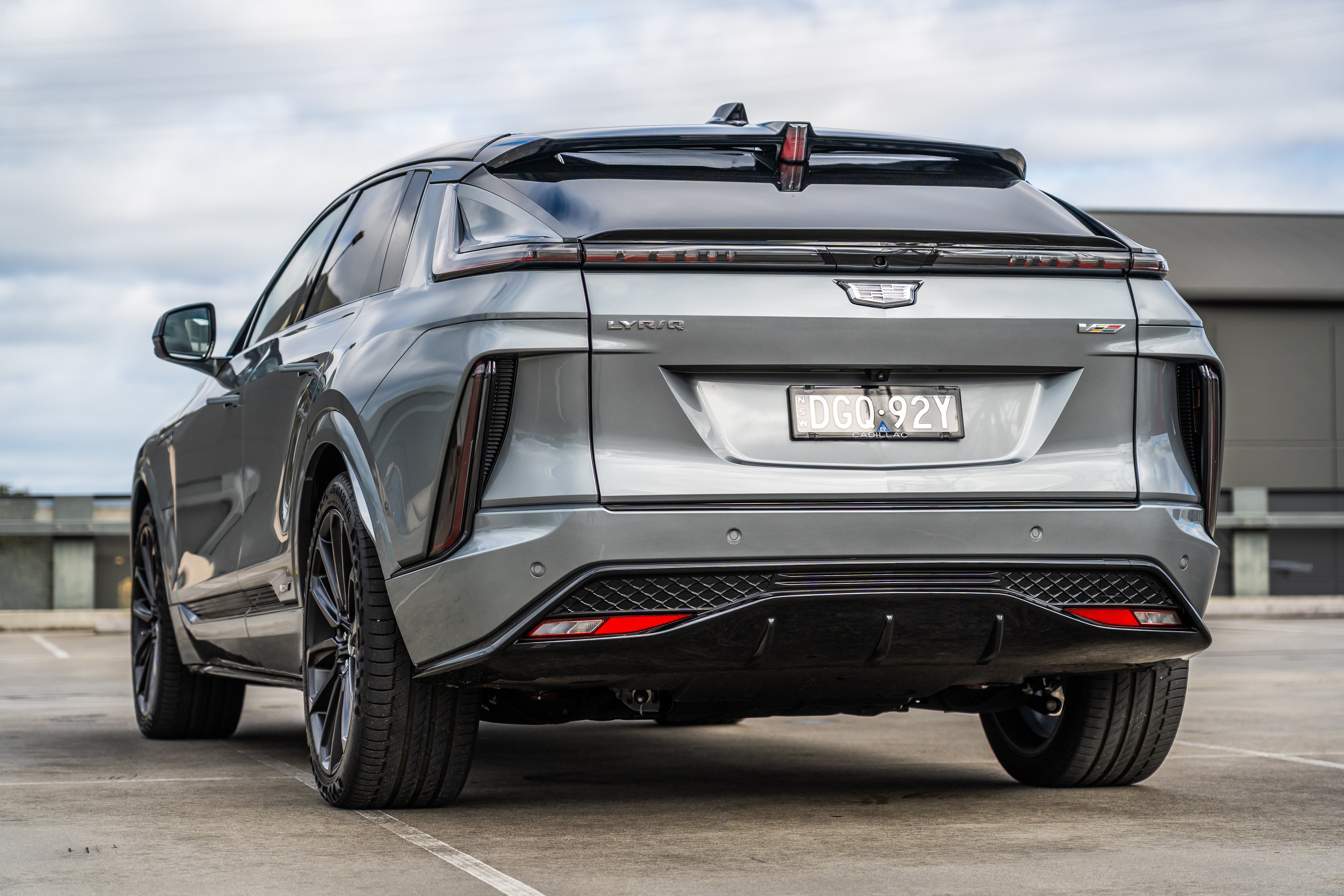
The Lyriq's rear styling, with the OnStar AI assistant arriving in the 2027 model year.
The Lyriq's rear styling, with the OnStar AI assistant arriving in the 2027 model year., Image: CarExpert
Open this article ↗

Keep scrolling to read the next story.

Older articles →