INDEPENDENT AUTOMOTIVE NEWSGLOBAL PERSPECTIVE / AUSTRALIAN EDITION
TDCNTHE DAILY
CAR NEWS.

The road ahead.
Every day.

RSS ↗
Latest/Australia

200 original articles

Australia / TDCN ORIGINAL

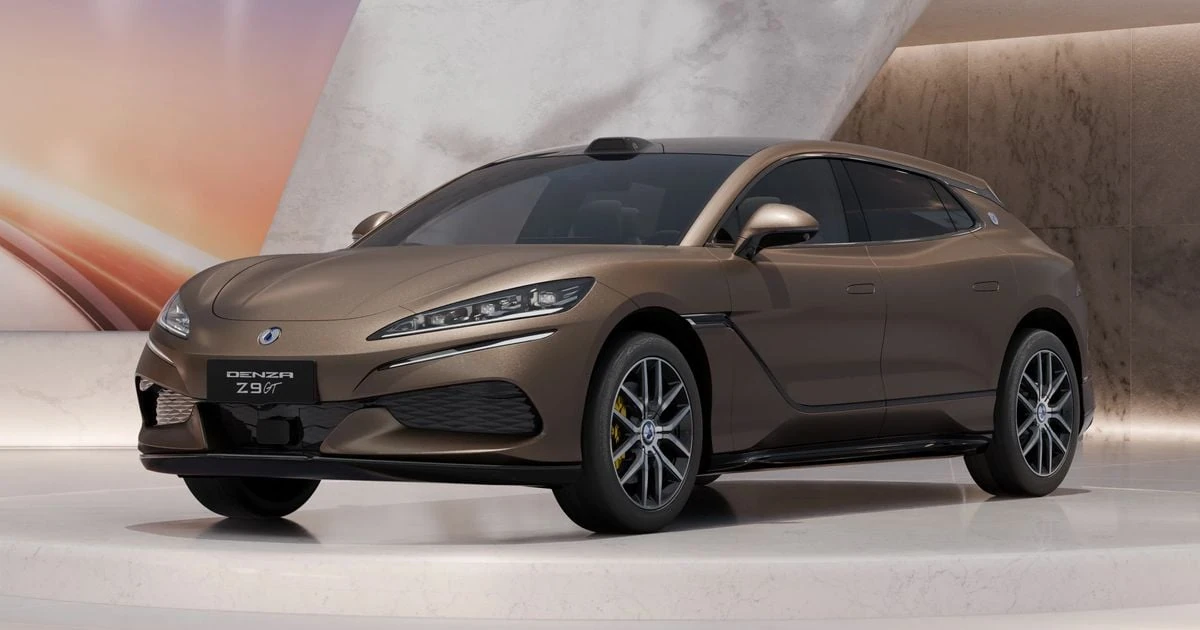
Denza pushes Australian launch of Z9 GT electric wagon into first half of 2027

The BYD premium brand had targeted a July-September 2026 arrival, but says it would rather launch the tri-motor shooting brake in an "optimal environment" than hit a date.

Denza has moved the Australian launch of its Z9 GT electric shooting brake to the first half of 2027, after an earlier plan to have it on sale in the third quarter of 2026 slipped past without a launch.

A Denza Australia spokesperson said the brand is "juggling priorities" and does not want to launch the car simply to meet a date, describing the Z9 GT as an important brand builder that needs an "optimal environment".

Why the timetable moved

The spokesperson pointed to "lots of moving pieces across the business" as both the BYD and Denza lineups keep expanding. Denza only began customer deliveries in Australia this year, starting with the large B5 and B8 plug-in hybrid off-road SUVs and then adding the D9 luxury electric people mover, a much lower-volume model.

The delay is not a sign the car has been dropped. It reflects a young brand still building out its local range and choosing where to spend its launch effort. For buyers, the practical effect is that the Z9 GT will not be in showrooms during 2026 as originally promised.
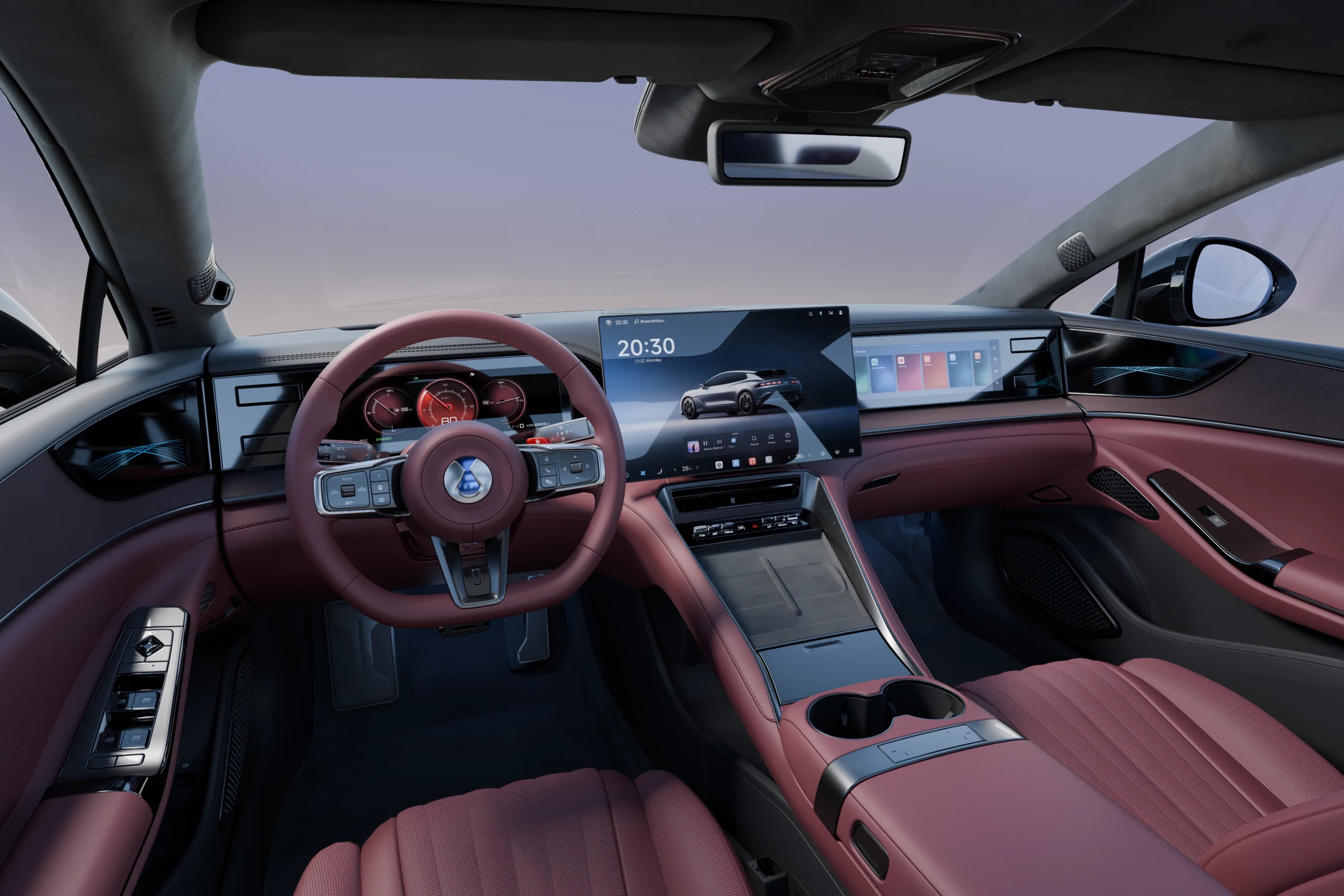
Inside the Z9 GT: a wide digital cockpit and burgundy leather trim
Inside the Z9 GT: a wide digital cockpit and burgundy leather trim, Image: CarExpert

What the Z9 GT packs

The Australian car is set to use a tri-motor all-wheel drive electric powertrain: one 230kW motor at the front and two 310kW units at the rear, for a combined 850kW. Power comes from a 122.5kWh lithium iron phosphate (LFP) battery.

Denza quotes 1036km of electric range, but that figure is measured on the more generous CLTC cycle rather than WLTP or EPA, so it should not be read as a like-for-like number against cars tested under other protocols. Denza also claims a 0-100km/h time of 2.7 seconds.

The Z9 GT will be the first electric vehicle in Australia with BYD's next-generation Blade Battery 2.0 technology, and it will support peak DC fast-charging of 1500kW, making it compatible with BYD's new Flash ultra-fast chargers that the company plans to roll out to selected dealers. That charging claim is a manufacturer figure and depends on those chargers actually being installed.
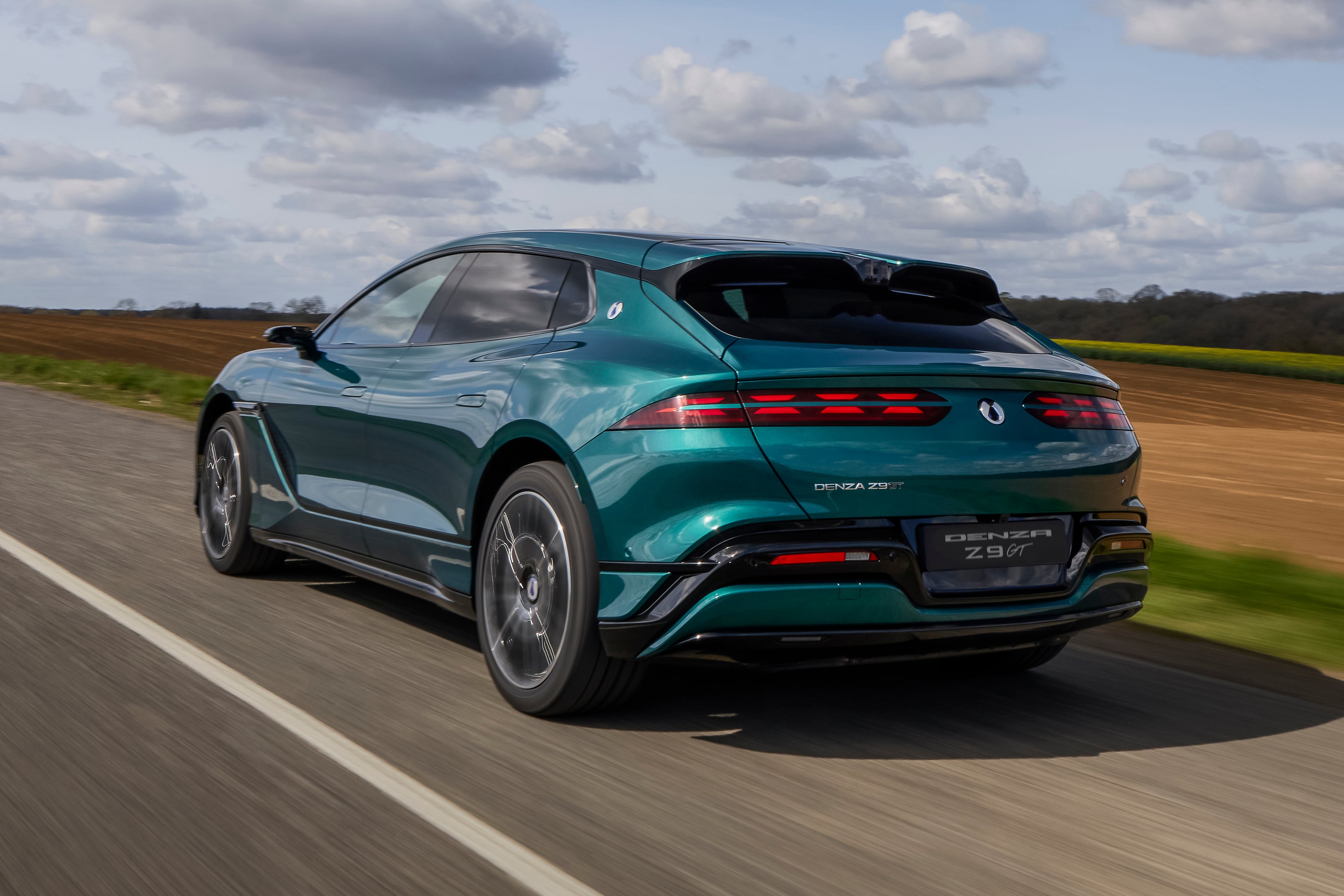
The Z9 GT electric wagon on the move ahead of its delayed Australian launch
The Z9 GT electric wagon on the move ahead of its delayed Australian launch, Image: CarExpert

Pricing, variants and rivals

Pricing for Australia has not been announced. The Z9 GT is being positioned as a rival to the Porsche Taycan and joins a small group of electric sports wagons heading here, alongside the Zeekr 7GT and Exlantix ES GT.

The 370kW single-motor rear-wheel drive version sold in China has not been confirmed for Australia. Denza has said it is open to bringing the plug-in hybrid version, which pairs three electric motors with a turbocharged 2.0-litre four-cylinder engine and a 63.8kWh LFP battery for a claimed 400km of CLTC range, if there is customer demand.

In the UK the car is fitted with air suspension, rear-wheel steering, a 17.3-inch touchscreen infotainment system flanked by two smaller 13.2-inch screens, and a refrigerated compartment that can both cool and heat. Australian specification has not been confirmed.
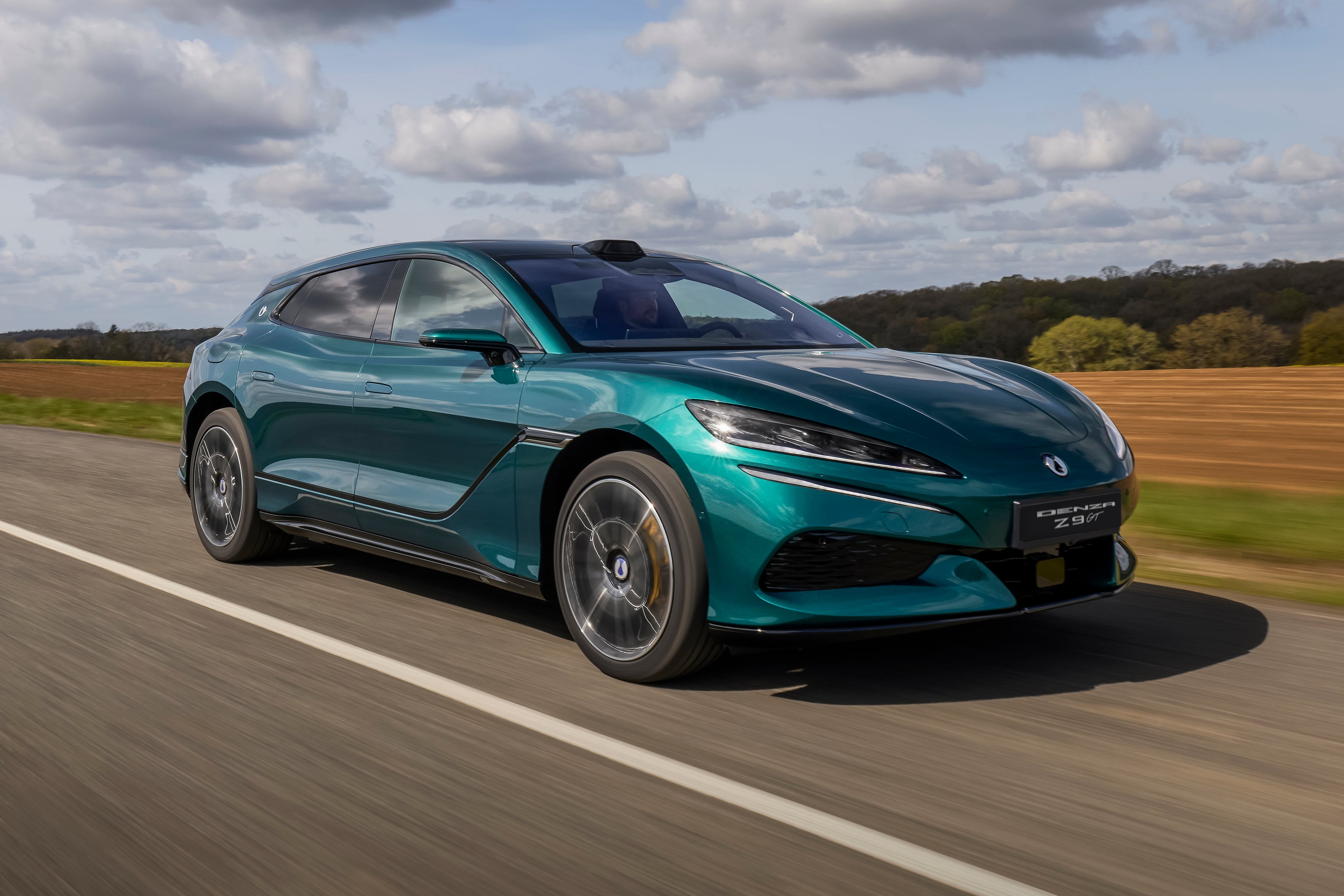
The Z9 GT's shooting-brake profile, seen from the front on the road
The Z9 GT's shooting-brake profile, seen from the front on the road, Image: CarExpert

The wider Denza rollout

The N9, a full-size plug-in hybrid crossover SUV, has now received Australian Design Rule certification, though its launch timing has not been announced.

As an electric wagon, the Z9 GT is likely to sell in lower volumes than the B5 and B8, which suggests Denza is treating it more as a halo model than a volume seller. That makes the wait easier to justify commercially, even if it frustrates buyers who were expecting the car in late 2026.
Open this article ↗
New cars / TDCN ORIGINAL

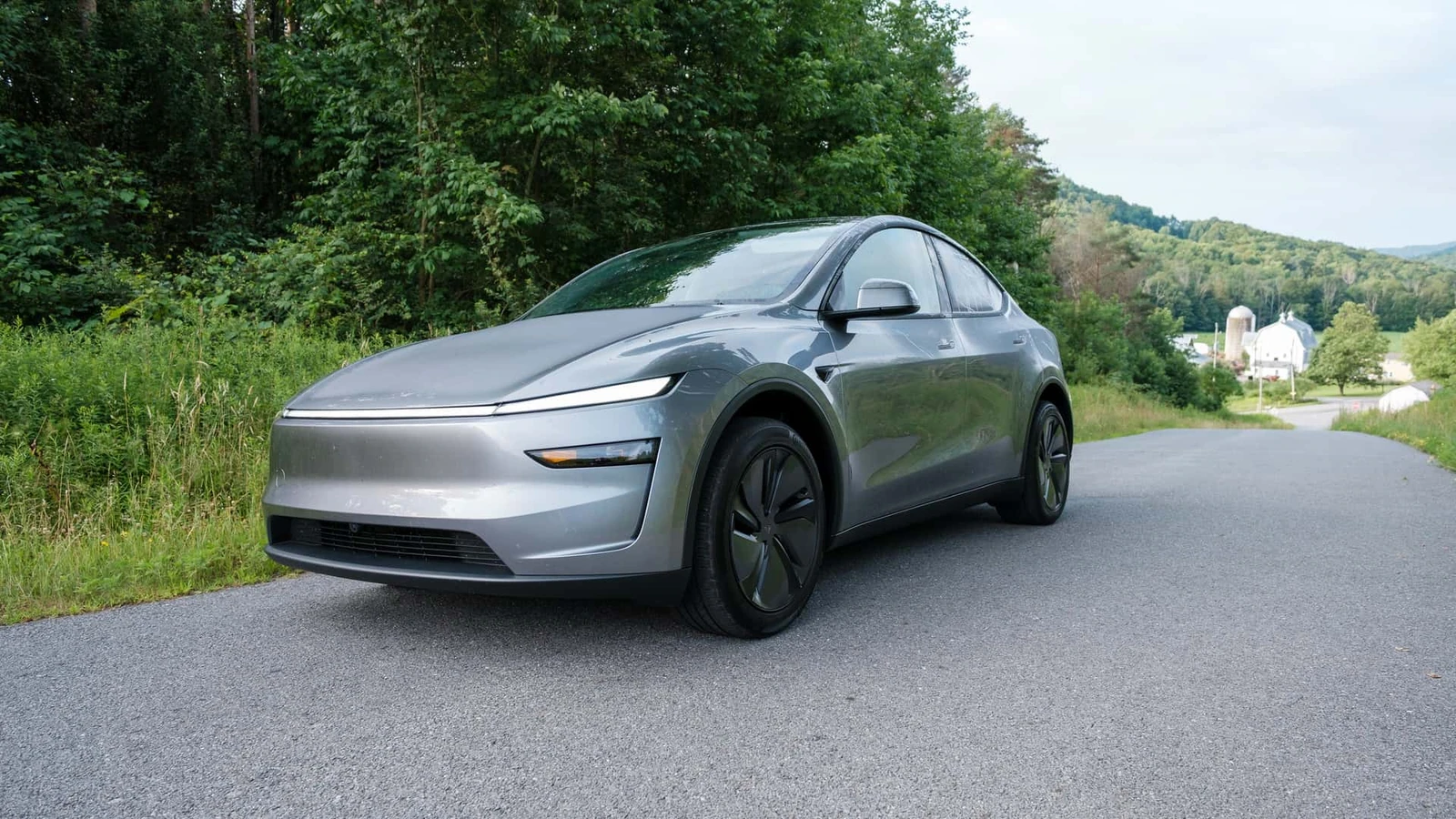
Turo and Tesla launch verified FSD rental listings and a free month for hosts

From October 28, Turo hosts can link their Tesla account so renters can see which cars have Full Self-Driving (Supervised), with a one-month trial offered to hosts who don't subscribe.

Image: InsideEVs

Turo hosts can now link their Tesla account to their Turo account, letting the rental platform confirm which of their cars are equipped with Full Self-Driving (Supervised) rather than relying on the host's description. A revised Turo interface that flags Teslas with guaranteed FSD goes live on October 28.

Tesla models that are capable of running FSD but do not currently have it equipped will be eligible for one month of the service free, under the arrangement.

What changes for renters

Until now, renters had to take the owner's word, or read the listing description, to know whether a Turo Tesla actually had FSD enabled. Linking the Tesla account to Turo lets the platform verify the feature directly from the car's own data.

Renters who book an FSD-enabled car will get a Turo-created disclaimer telling them they must supervise the vehicle at all times. That wording matters: FSD (Supervised) is a driver-assistance system, not a fully autonomous, eyes-off, hands-off one.

The free month and who qualifies

The free trial is aimed at hosts, not renters: Turo hosts who are not paying for FSD can get a one-month trial of the software for a Tesla that is FSD-capable but not yet equipped. The sources do not specify which Tesla models are eligible beyond saying the offer covers models that qualify for FSD but do not have it equipped, and they do not state whether Model S, Model X, Cybertruck or older Model 3 and Model Y variants are included.

Nor have Turo or Tesla announced what an FSD-equipped Turo rental costs, or whether the FSD subscription is folded into the daily rate or charged separately. Those details have not been announced.

Why Turo is pushing FSD

Turo says people are very interested in "driverless" vehicles but have not had exposure to them. In its press release the company cited survey figures showing 55% of Americans are interested in driverless technology for travel, rising to 71% among Gen Zers.

The pitch rests on a loose use of the word driverless. FSD (Supervised) still requires an attentive driver ready to take over, so the rental is a taste of assisted driving rather than a robotaxi experience. That gap between what customers say they want and what the software actually does is the space Turo is trying to occupy: exposure without the promise of autonomy.

Tesla rentals already rank high on Turo

Tesla models are already among Turo's most popular rentals, with the Model 3 and Model Y its third and fourth most-rented cars. FSD-enabled Teslas have been listed on the platform before this change; what is new is the verified badge rather than the concept.

For renters, the practical gain is certainty before booking: a verified listing removes the guesswork that came with host descriptions. For Turo, tying listings to Tesla account data gives it a feature it can market to travellers who want to try the software before buying a car or subscribing themselves.

Open this article ↗

Keep scrolling to read the next story.

Older articles →