INDEPENDENT AUTOMOTIVE NEWSGLOBAL PERSPECTIVE / AUSTRALIAN EDITION
TDCNTHE DAILY
CAR NEWS.

The road ahead.
Every day.

RSS ↗
Latest/New cars

216 original articles

New cars / TDCN ORIGINAL

NRMA Insurance fined $479,500 over NSW CTP overcharges

SIRA imposed eight civil penalties after pricing errors overcharged green slip customers, with the most serious matter affecting about 41,564 policies.

NRMA Insurance has been fined $479,500 by the New South Wales regulator after pricing errors led to customers being overcharged on compulsory third-party (CTP) insurance, the green slip required to register a vehicle in NSW. The State Insurance Regulatory Authority (SIRA) imposed eight civil penalties on Insurance Australia Limited, which trades as NRMA Insurance, and the insurer is refunding affected customers.

The address-data error behind the largest overcharge

The most serious of the eight matters involved an address-data error that caused incorrect rating districts to be applied, producing premiums inconsistent with the insurer's approved pricing. SIRA estimated that about 41,564 policies were affected, with customer overcharges totalling $12.17 million.

SIRA described it as the most serious matter for which NRMA Insurance was penalised, citing the substantial affected population, significant estimated customer detriment and failures in core pricing and data controls. The regulator said the departure from the premiums filed with the Authority also affected the integrity of the regulated premium framework.

That matters beyond the individual refunds: CTP premiums in NSW are set within a regulated framework, so an insurer charging outside its filed rates undermines the system the regulator uses to keep green slip pricing consistent across the market.
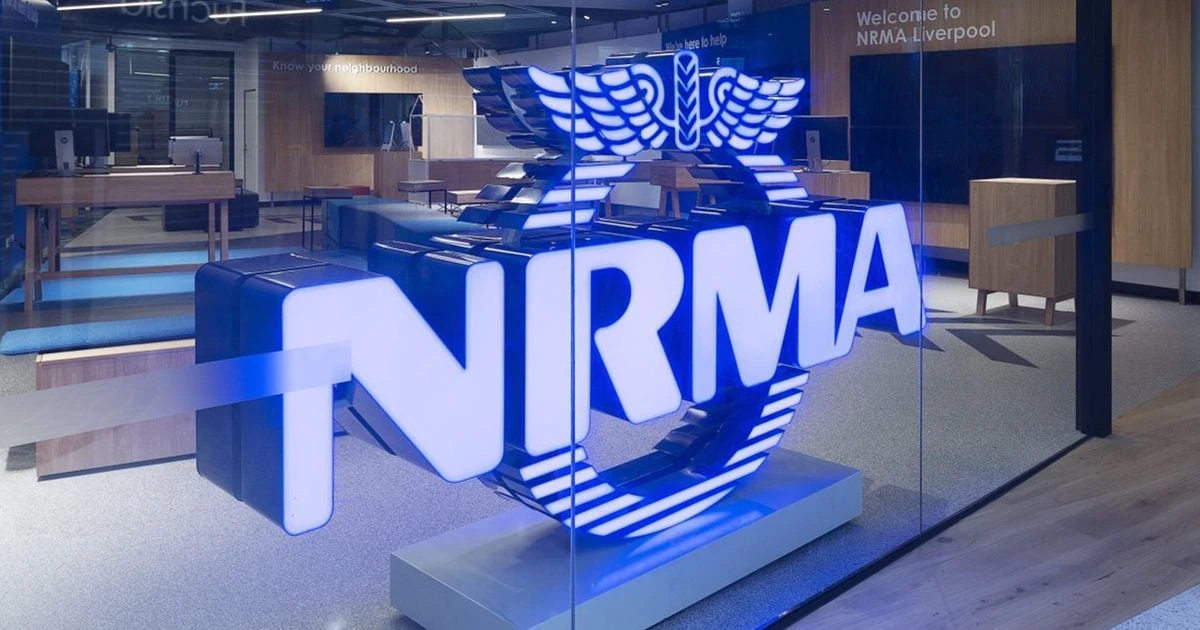
NRMA Insurance's Sydney headquarters, where the CTP overcharging penalty was handed down
NRMA Insurance's Sydney headquarters, where the CTP overcharging penalty was handed down, Image: CarExpert

The other seven matters

Across the eight matters, NRMA Insurance was found to have breached requirements of the Motor Accident Injuries Act 2017, the Motor Accident Guidelines and its insurer licence.

SIRA found the insurer underpaid cancellation refunds by an estimated $118,421. It also failed to apply a discount to eligible customers, resulting in estimated overcharges of almost $662,000, and incorrect risk-state mapping led to estimated overcharges of $70,320.

SIRA said the issues exposed significant weaknesses in NRMA Insurance's pricing, data and system controls, resulting in incorrect premiums, customer overcharges and under-refunds. The regulator noted that NRMA Insurance cooperated throughout the investigation and is undertaking remediation for affected motorists, including refunds for identified overcharges.
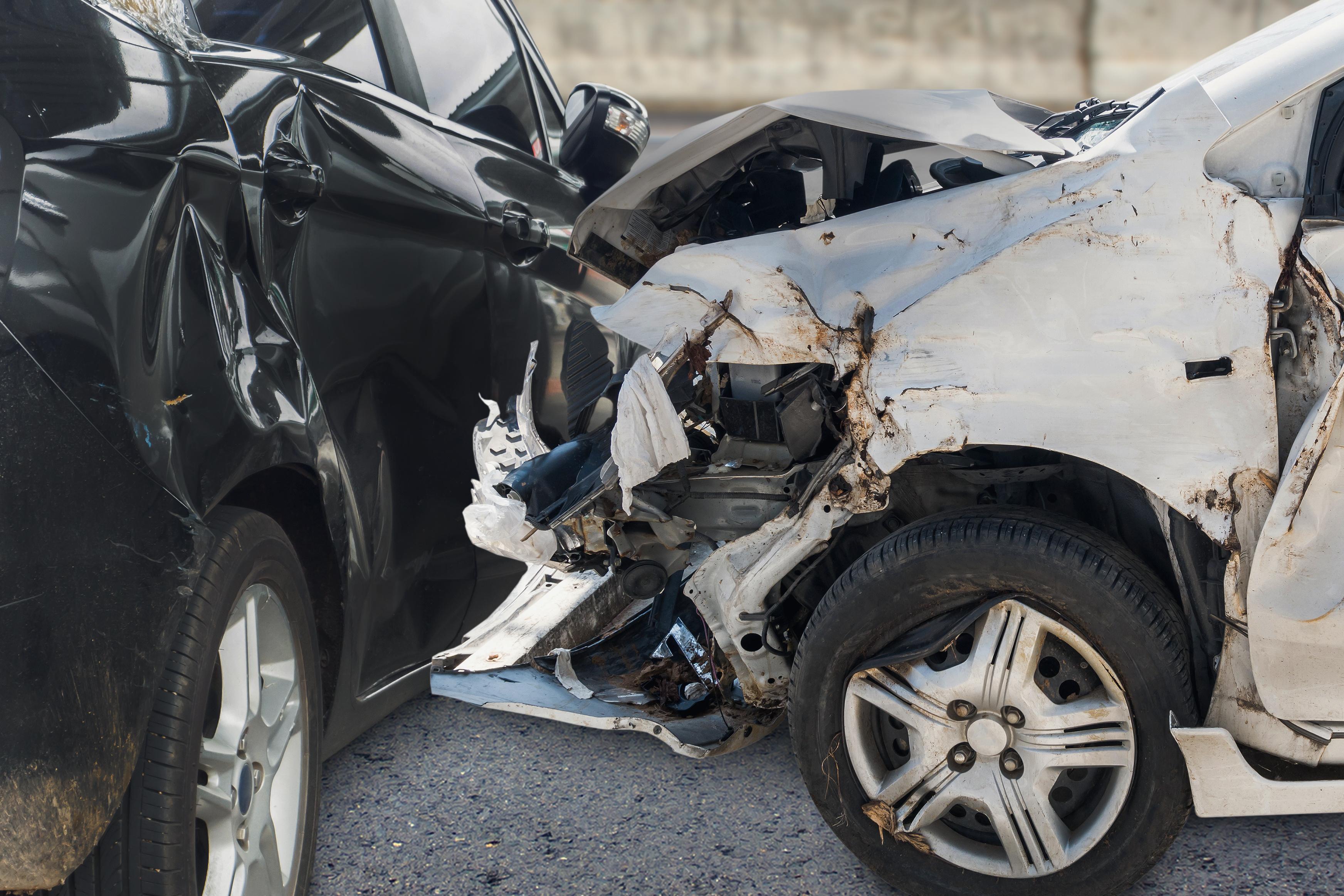
Serious crash damage underscoring why CTP premiums matter to NSW motorists
Serious crash damage underscoring why CTP premiums matter to NSW motorists, Image: CarExpert

Refunds and who is covered

NRMA Insurance is refunding affected customers, but SIRA has not announced a timetable for when those refunds will be paid, and no total refund figure across all eight matters has been published. The penalties cover CTP policies in NSW only; the sources do not indicate any effect on drivers in other states or territories, and no such impact has been announced.

The fine is the latest in a series against the insurer. SIRA previously fined NRMA Insurance $10,000 in December 2024, announcing the penalty in January 2025, for failing to disclose demerit-point loadings on CTP renewal policies and incorrectly applying those loadings. Insurance Australia Limited was also fined $40 million in 2023 over promised loyalty discounts that were not delivered.

IAL sits within Insurance Australia Group, Australia's largest insurer, which also owns 90 per cent of RACQ Insurance among other brands. For green slip buyers, the practical lesson is to check that the district and discount details on a renewal match their circumstances, since the errors here were corrected only after the regulator stepped in.
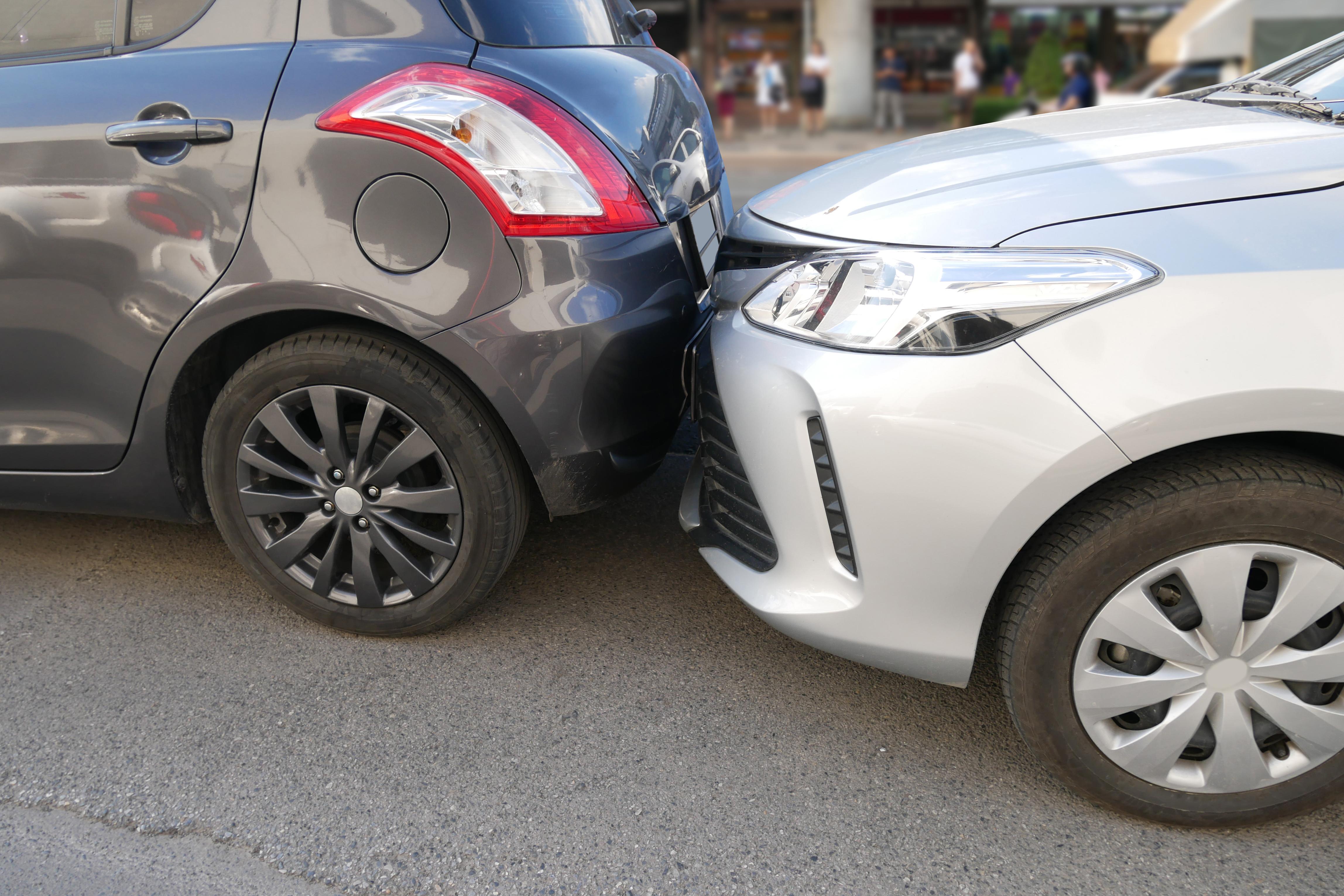
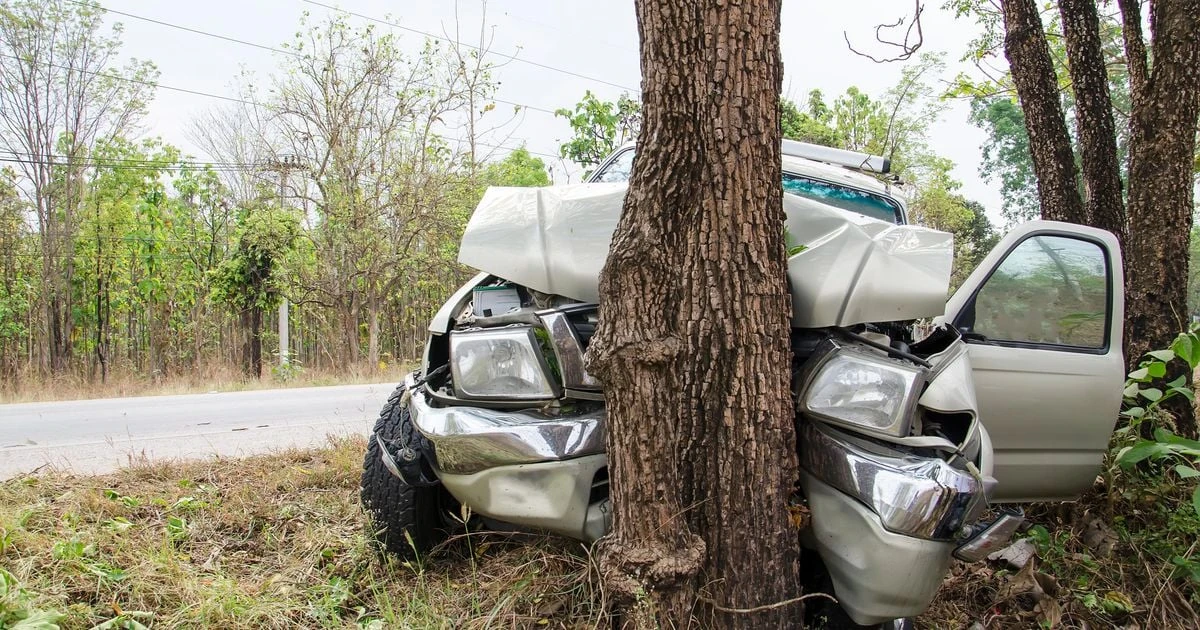
A minor collision of the kind that triggers a NSW CTP claim
A minor collision of the kind that triggers a NSW CTP claim, Image: CarExpert
Open this article ↗
Australia / TDCN ORIGINAL

Australian road toll climbs 25.5 per cent in September as annual deaths head for worst year since 2010

National figures show 123 deaths in September 2026 and 1001 for the year to date, with vulnerable road users and cyclists accounting for a growing share.

Australia's road toll is running at its highest level in more than a decade, with 123 deaths recorded nationwide in September 2026, a 25.5 per cent increase on the same month a year earlier.

Figures from the National Road Safety Data Hub show 1001 deaths between January and September, up from 973 over the same period in 2025. The September result was also 17.8 per cent above the five-year average for that month.

Vulnerable road users bear the brunt

Deaths per 100,000 people over the 12 months to September fell 1.3 per cent to 4.8, but the toll among vulnerable road users moved the other way, rising 1.8 per cent to 516. Cyclist deaths alone climbed 35 per cent over the previous 12 months.

The Australian Automobile Association's managing director, Michael Bradley, told the ABC that the trend defies the usual explanations. "Cars have never been safer, we're spending a huge amount of money on roads, yet more people are dying," he said, describing the pattern as "pretty confounding" and one not seen for decades.

Bradley's argument is less about vehicle engineering than about how safety money is allocated. He called for more transparent data so that funding goes where it actually works, warning that without evidence-based policy, "there's too much speculation and not enough evidence-based policy". That matters because Canberra is distributing billions of dollars, and the AAA's point is that spending without measurement is spending blind.

A roadside memorial marks a life lost on an Australian highway, as the September toll climbs 25.5 per cent.
A roadside memorial marks a life lost on an Australian highway, as the September toll climbs 25.5 per cent., Image: CarExpert

A decade of worsening numbers

Australia's annual road toll has risen every year since 2020, climbing from 1097 that year to 1306 in 2025. Last year's figure was the worst since 2010, when 1353 people were killed.

Road deaths nationally are up 21.6 per cent since January 2021, which puts Australia further off course for the National Road Safety Strategy target of fewer than 571 deaths annually by 2030, a reduction of at least 50 per cent from the 2018 to 2020 average.

The ABC report pointed to drug-impaired driving and heavier vehicles as factors behind the rise in vulnerable road user deaths. University of Melbourne associate professor Milad Haghani told the ABC that without regulation and incentives for people to buy more reasonably sized cars, the trend will continue.

That framing puts vehicle size alongside driver behaviour as a safety question, not just a matter of consumer preference. For buyers, it suggests the market's shift toward larger vehicles carries a cost that shows up in the national statistics rather than in any individual crash report.

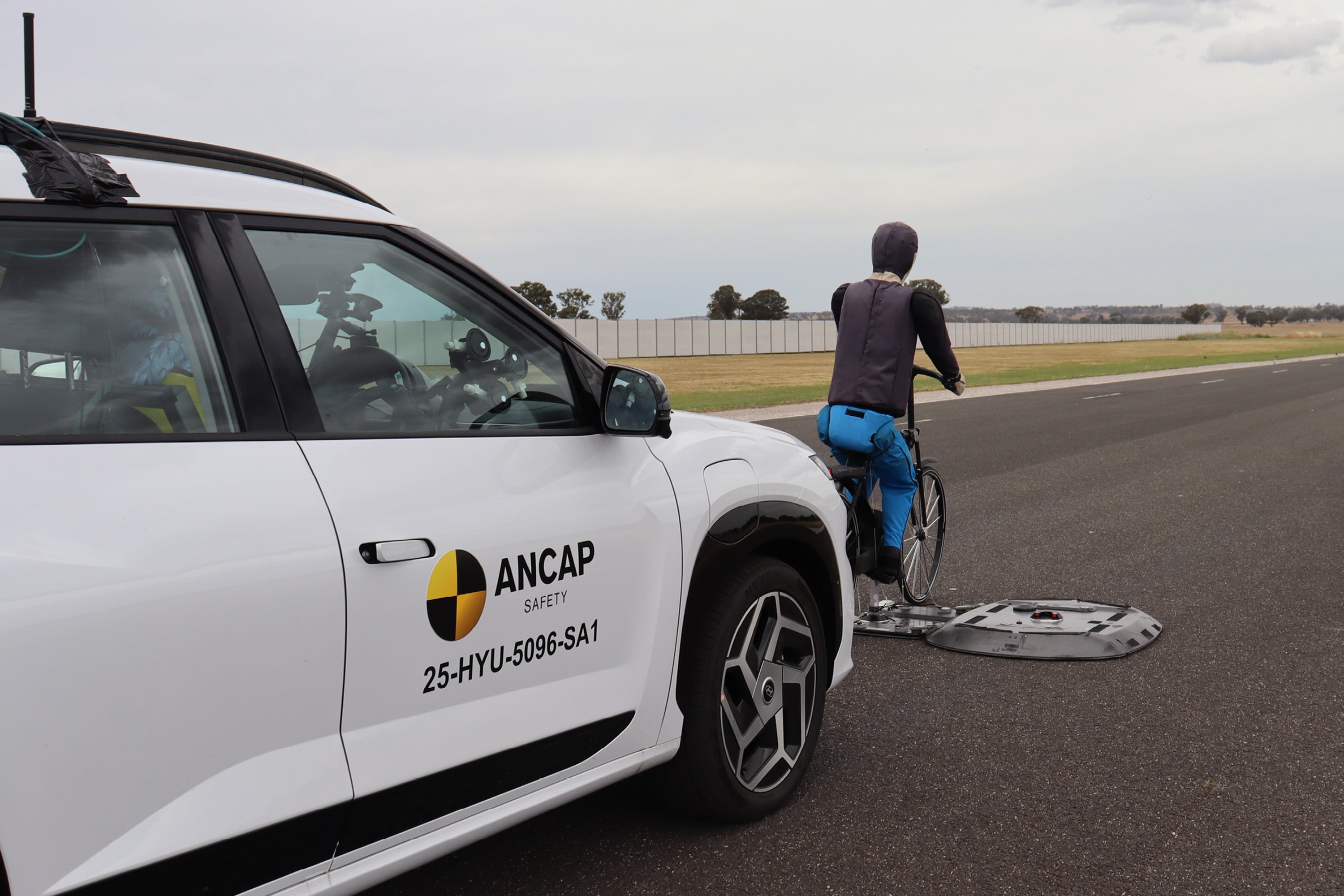
ANCAP testing highlights the risks to vulnerable road users, who bear the brunt of the rising toll.
ANCAP testing highlights the risks to vulnerable road users, who bear the brunt of the rising toll., Image: CarExpert

What the figures do not settle

The data hub numbers establish the scale of the increase but not its causes, and the AAA's call for better data reflects that gap. The sources do not break down the toll by state, road type or vehicle class, and no specific policy or funding change has been announced in response to the September figures.

What is clear is the direction of travel. With the year-to-date toll already above the same point in 2025 and the 2030 target receding, the pressure is on for interventions that can be shown to work, rather than assumed to.

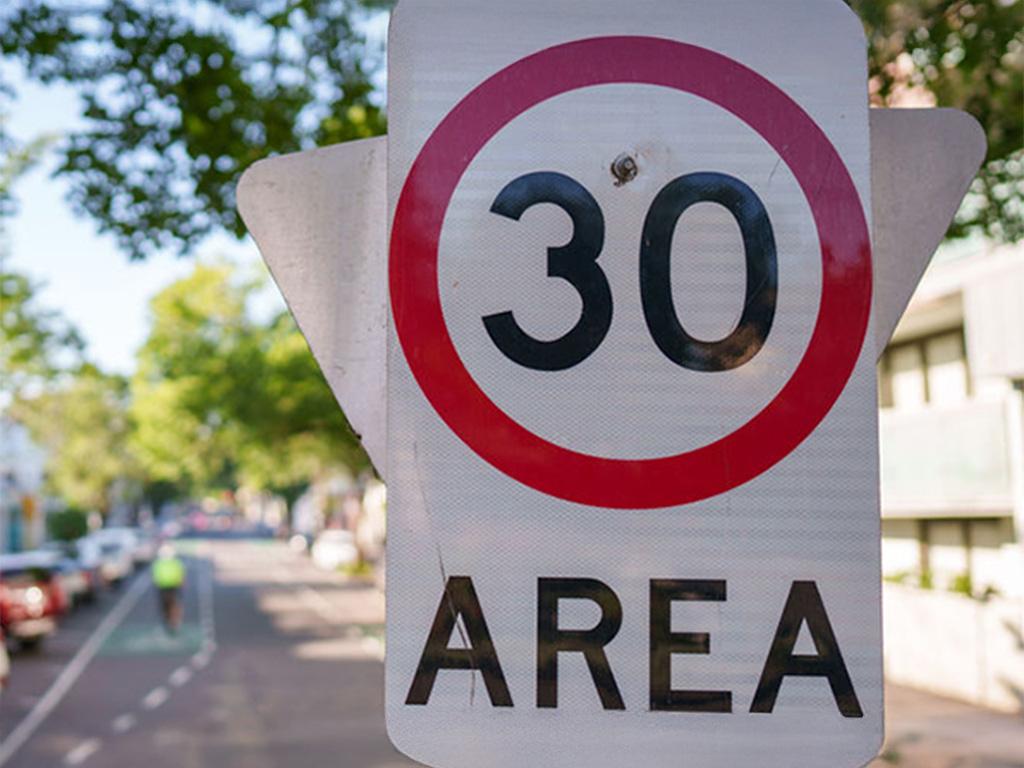
Lower urban speed limits are one measure aimed at protecting cyclists and pedestrians as deaths climb.
Lower urban speed limits are one measure aimed at protecting cyclists and pedestrians as deaths climb., Image: CarExpert
Open this article ↗

Keep scrolling to read the next story.

Older articles →