Porsche has widened a US safety recall to cover a further 548 vehicles from the 2024 model year, all fitted with centre-lock wheels that could fracture and let a wheel come loose. Affected owners are being told not to drive their cars until dealers have inspected and, where necessary, replaced the suspect components.
The expansion adds to an original recall issued in October 2024 covering 2,251 vehicles, which also carried a do-not-drive warning. The latest round carries the same instruction.
Which models are affected
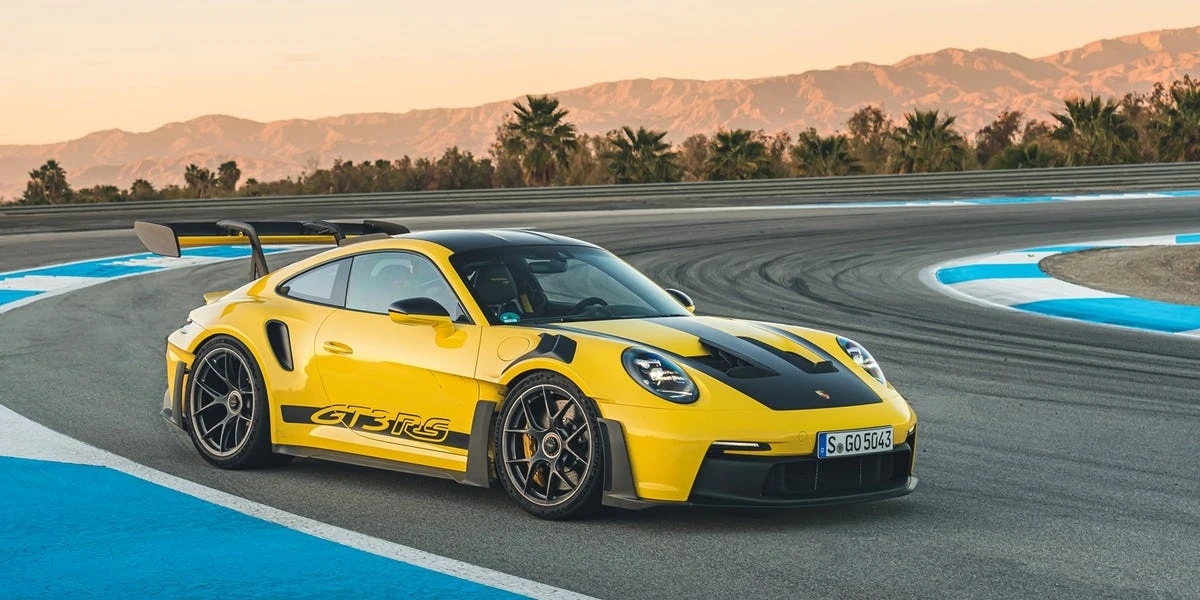
The additional vehicles include the 911 GT3, 911 GT3 RS, 911 Turbo, 911 Turbo S, 911 S/T, 911 Carrera GTS, 718 Cayman GT4 RS and 718 Spyder RS. These are the models on which Porsche reserves centre-lock wheels, typically its fastest and grippiest cars.
The recall is being administered by the National Highway Traffic Safety Administration, and vehicle identification numbers became searchable on the agency's website on October 20. Owners are urged to check their VIN promptly and, if their car is covered, to leave it parked until repairs are completed.
Why the recall grew
The expansion follows two further reports of fractured centre-lock components, one in May and one in August of this year. Porsche investigated with its parts supplier and found that the original process for identifying defective parts had missed some potentially affected components. A deeper investigation showed that additional vehicles could have received parts from the same out-of-specification material batch.
What owners should do
Porsche plans to contact owners by phone, email and the My Porsche app, advising them not to drive their vehicles. Authorised dealers will inspect the centre-lock wheel fastening systems and replace any improperly manufactured components at no charge.
The sources do not say how long inspections or replacements will take, nor whether the recall extends beyond the United States. Neither point has been announced.
Why a loose wheel matters more on these cars
A wheel detaching is dangerous on any vehicle, but on a high-performance Porsche built for track use and high cornering loads the consequences are more severe. The do-not-drive instruction is unusually blunt for a manufacturer, and it reflects the fact that the failure mode can appear without warning.
For owners, the practical effect is that some of Porsche's most expensive and specialised sports cars are grounded until parts are checked. The recall also shows how a supplier batch problem can escape an initial screening process, which is why the scope was widened rather than closed.