INDEPENDENT AUTOMOTIVE NEWSGLOBAL PERSPECTIVE / AUSTRALIAN EDITION
TDCNTHE DAILY
CAR NEWS.

The road ahead.
Every day.

RSS ↗
Latest/Industry

202 original articles

Industry / TDCN ORIGINAL

Jeep adds factory 35-inch tire package to 2027 Gladiator

The Launch Edition brings a 1-inch lift, 12.9 inches of clearance and bronze detailing to Willys, Rubicon and Rubicon X, with pricing still unannounced.

Image: Motor1

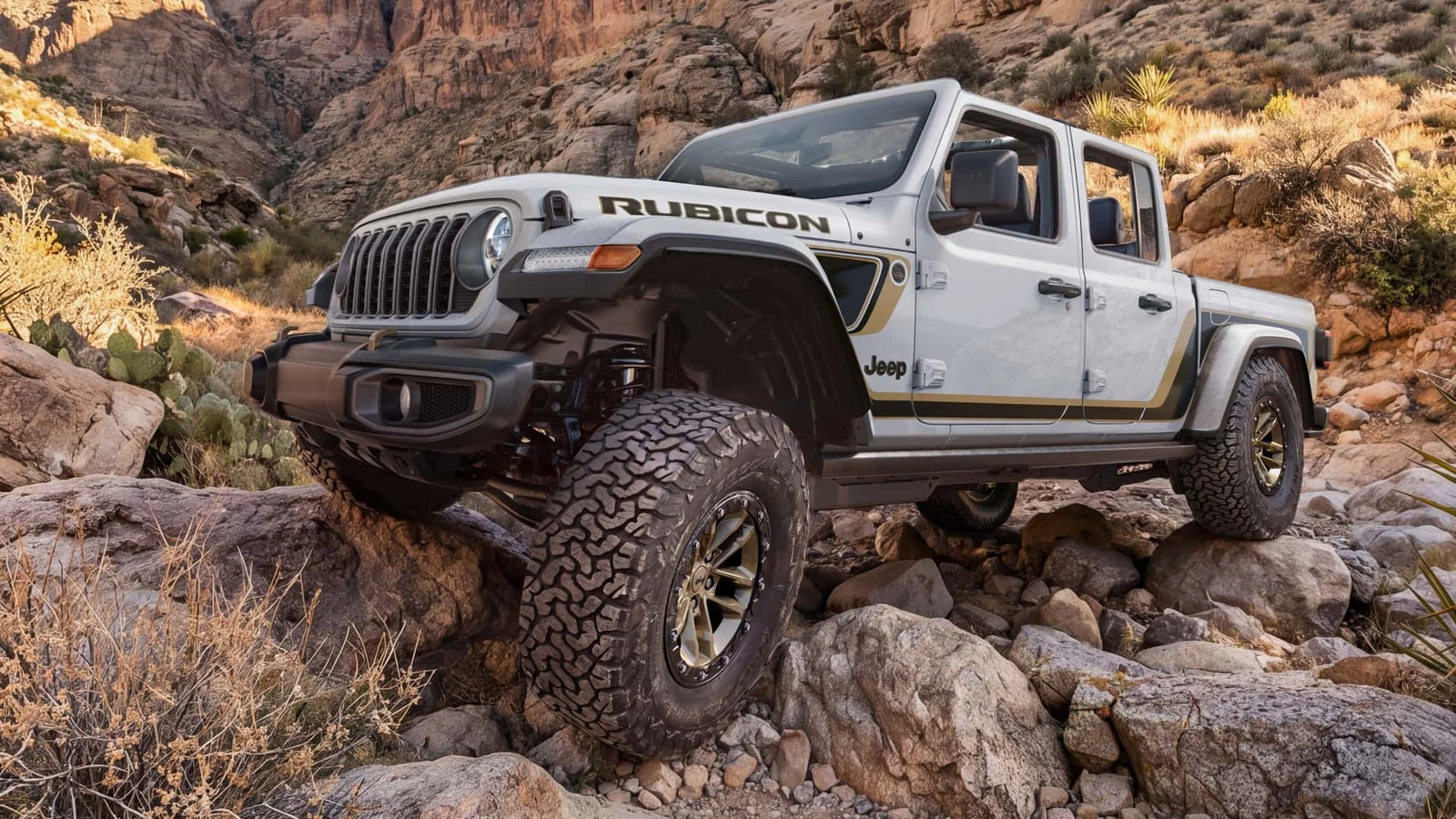
Jeep will offer its most popular aftermarket modification straight from the Auburn Hills assembly line on the 2027 Gladiator. The 35-inch Tire Launch Edition ships with 35-inch all-terrain tires fitted at the factory, a first for Gladiator buyers who until now have had to source and install the larger rubber themselves.

The limited-production package is available on the Willys, Rubicon and Rubicon X trims and pairs the bigger tires with bronze-accented styling and off-road hardware built around the larger footprint.

What the package changes

The tires wrap around bronze-painted 17-inch beadlock-capable wheels, and the package adds a 1-inch factory suspension lift to make room for them. Jeep pairs that lift with a 4.56 final-drive ratio, heavy-duty Dana axles and performance brakes to keep the Gladiator composed at low speed on rough terrain.

Ground clearance rises to 12.9 inches, while approach, breakover and departure angles improve to 46.7, 23.3 and 26.7 degrees respectively. A full-time 4:1 transfer case completes the mechanical changes, giving the truck a factory-calibrated setup rather than a mix of aftermarket parts.

Highline fender flares and wheel-flare extensions cover the larger tires, while bronze badging, tow hooks and hood, side and tailgate graphics mark the truck as a Launch Edition. Rubicon and Rubicon X models get extra hood and vent graphics, and the Rubicon X adds a unique side-door graphic plus a performance hood with its own decal.

Pricing, availability and open questions

Jeep has not released pricing for the package or confirmed how many units it plans to build. The package is not yet listed on the Gladiator configurator, despite being open for order across North America.

The cheapest compatible trim is the Willys, which starts at $47,630 (a $45,635 MSRP plus a $1,995 destination fee) before the package is added. That figure covers the truck, not the 35-inch tire option, so buyers will need to wait for Jeep to publish the package price before they can work out a full total.

Jeep CEO Branden Coté tied the package directly to owner behaviour. "Gladiator customers continue to personalize their vehicles to tackle bigger adventures, and 35-inch tires have consistently been one of the most popular modifications," Coté said, adding that the edition delivers "the capability, confidence and distinctive look they want straight from the factory".

Why it matters below Rubicon

Putting the upgrade on the Willys changes more than the base price. The hardware and locker setup that makes the package work has historically lived mainly on Rubicon models, so extending it down the lineup gives budget-focused buyers access to the same off-road geometry as the flagship trim.

The clearance figure also puts the Gladiator ahead of direct rivals running similarly sized rubber. The Ram 1500 BackCountry and Chevrolet Colorado ZR2 Bison both compete in the same off-road truck space, and the Bison's 12.2 inches of clearance on its own 35-inch tires sits just below what Jeep's new package delivers.

The Gladiator keeps its removable doors and open-air layout regardless of trim, a configuration no other midsize pickup currently offers, and that stays unchanged with the 35-inch package. The appeal for buyers who want a true pickup with convertible-like flexibility is that the capability arrives without the guesswork of matching a lift, gearing and axles to bigger tires after purchase.
Open this article ↗
Industry / TDCN ORIGINAL

Audi names Q7, Q8 and Q9 as first models for its planned Georgia factory

The German brand's $4 billion US plant would build only combustion and plug-in hybrid large SUVs, with production not due until the early 2030s.

Image: Motor1

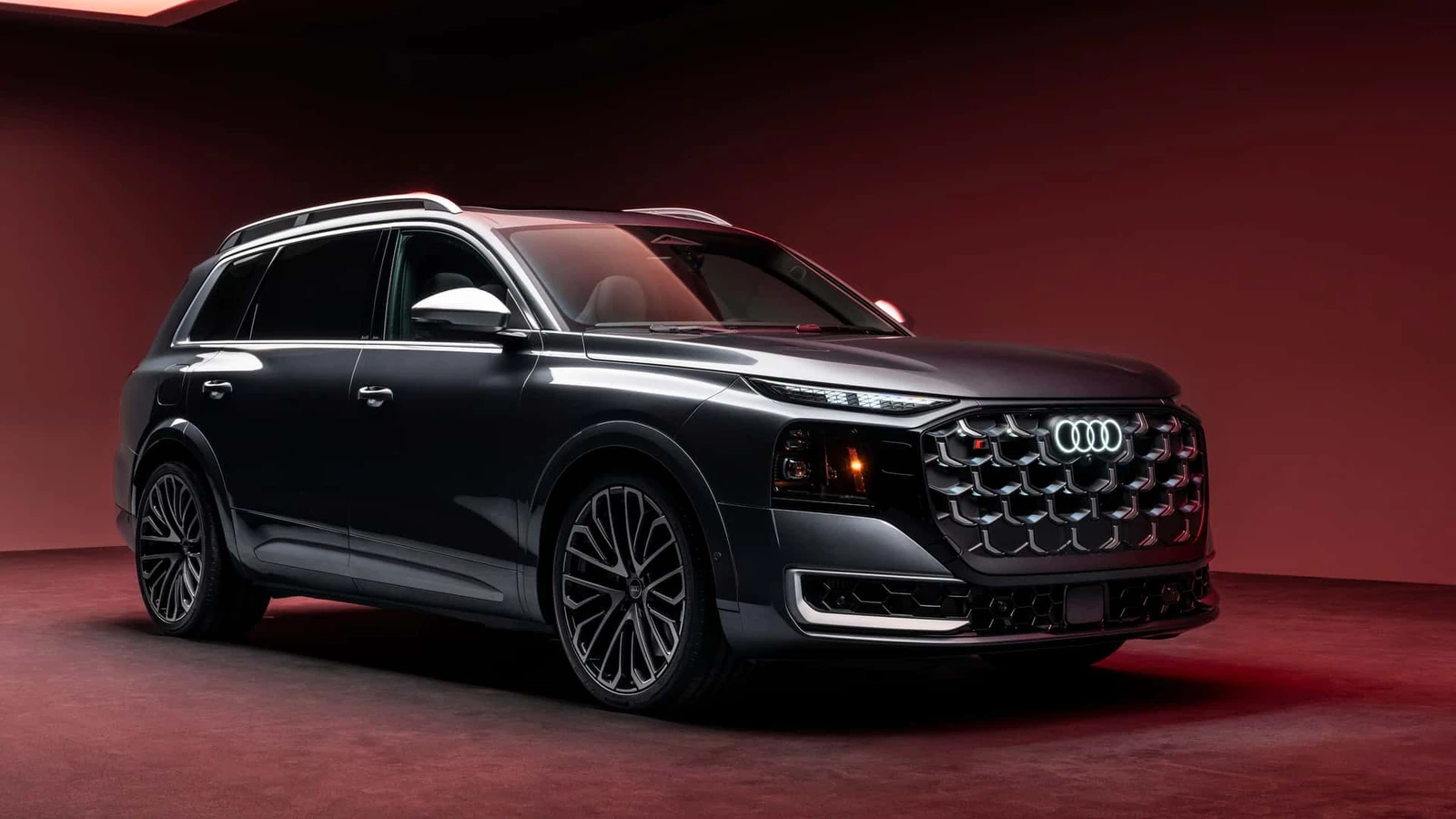
Audi plans to build the Q7, Q8 and Q9 at its proposed $4 billion factory near Macon, Georgia, CEO Gernot Döllner has said in an interview with Automotive News. The site would be Audi-only, with roughly half of its output staying in the US market.

The investment has not been signed off. It still needs approval from Volkswagen Group's supervisory board, and Döllner expects a decision by the end of the year. Construction is scheduled to start in 2027, with vehicle production in the early 2030s.

Three large SUVs, no electric models

The Q7, Q8 and Q9 form the backbone of the Georgia line-up. All three will have combustion engines, and plug-in hybrids are part of the plan; fully electric SUVs are not. The Q9, the first ever, is aimed at full-size luxury SUVs such as the BMW X7 and Mercedes GLS, giving Audi a belated entry at the top of that segment.

The plant is designed for up to 200,000 vehicles a year and around 4,500 jobs. Audi considered building at Volkswagen's Chattanooga, Tennessee, factory and at Scout Motors' upcoming Blythewood, South Carolina, site before deciding to start from scratch.

Choosing large petrol and plug-in hybrid SUVs rather than EVs is a pragmatic bet on where Audi's American volume sits today. It also leaves the brand's electric range dependent on imports for longer, which is the exposure the factory is meant to reduce.

Timing puts a facelift in between

The schedule is long. Audi has already revealed the next-generation Q7 and the Q9, and by the time Georgia production begins in the early 2030s both will likely have had a mid-cycle facelift. Until then, the Q7 and Q9 will be sourced from Audi's Bratislava plant in Slovakia.

The Q8 will also get a second generation, announced earlier this year, and will eventually be assembled in Georgia; until then it continues to come from Bratislava. The next-generation Q8 has not been revealed, though Döllner has said it will break cover in the "nearer future". A Q8 successor was not part of the plan until Audi's new top management changed course.

Smaller models stay imported. Audi USA will keep bringing the Q5 from San José Chiapa in Mexico, and Q3 production for the US continues at Győr in Hungary at least during the Georgia plant's initial phase. That leaves open the possibility of a US-built Q3 later, but no decision has been finalised.

Tariffs are the backdrop

Audi currently serves American buyers with vehicles shipped from Europe and Mexico, which leaves it exposed to import tariffs that have weighed on Volkswagen Group's finances. Local assembly should help it sidestep duties on imported finished vehicles, though the real benefit will depend on sourcing, supply chains and the trade rules in force when the plant opens.

That caveat matters more than the headline number. A factory only shields a brand from tariffs if enough of the value in each vehicle is created locally, so where batteries, motors and components come from will shape the saving as much as the assembly line does.

For buyers, the practical effect is a long wait: the models earmarked for Georgia are already on sale or revealed, and the US-built versions will arrive a generation later. The plant's approval, expected by year-end, is the next milestone to watch.

Open this article ↗

Keep scrolling to read the next story.

Older articles →