INDEPENDENT AUTOMOTIVE NEWSGLOBAL PERSPECTIVE / AUSTRALIAN EDITION
TDCNTHE DAILY
CAR NEWS.

The road ahead.
Every day.

RSS ↗
Latest/New cars

171 original articles

New cars / TDCN ORIGINAL

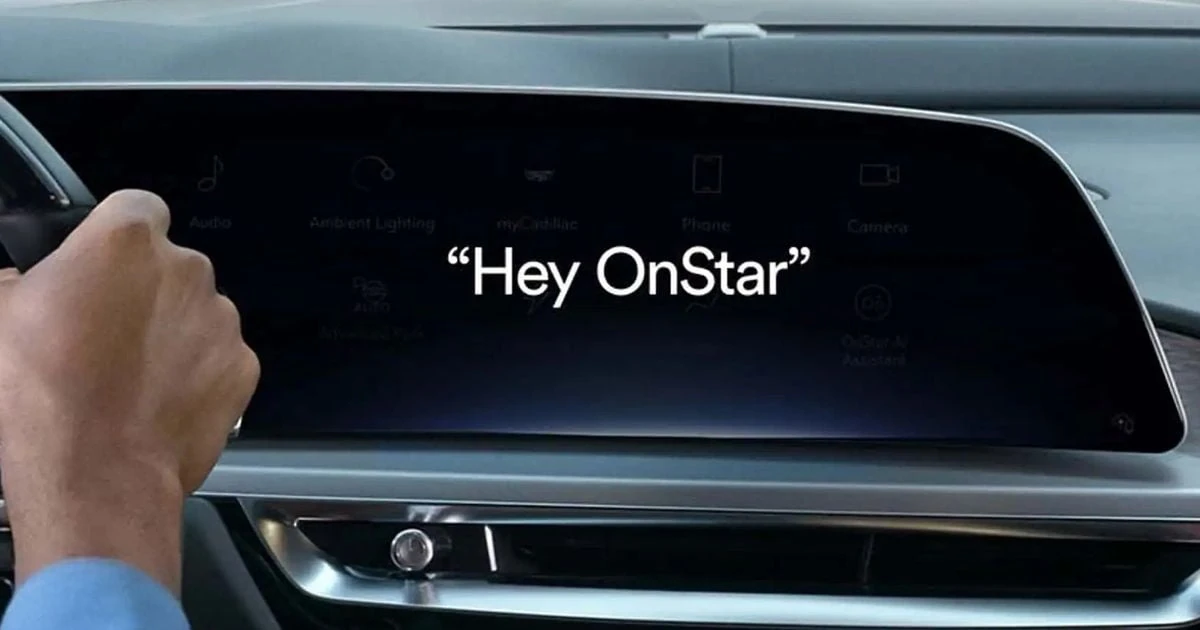
GM revives OnStar name for its own in-car AI assistant, debuting in the 2027 Cadillac Lyriq

The vehicle-trained assistant sits alongside Google Gemini and can control cabin functions, diagnose warning beeps and hand conversations to a live advisor.

General Motors is bringing back the OnStar name, this time for an in-house AI assistant that will debut in the US in the 2027 Cadillac Lyriq before spreading to other GM models. The system was announced at the company's GM Forward event.

OnStar AI is GM's own assistant, trained specifically on its vehicles, and it will sit alongside Google Gemini, which GM began rolling out to cars last year, including over-the-air updates to models dating back to 2022.

What OnStar AI can do

GM chief product officer Sterling Anderson drew a clear line between the two systems. "OnStar AI is different than Gemini," he said. "OnStar AI is trained for our vehicles, so the AI in your car will understand your car deeply. Not just understand it – it'll be able to control it."

Anderson said GM did not need to build its own large language model from scratch, instead layering vehicle-specific functionality on top of existing models. In demonstrations at the event, GM's director of product management for voice and vehicle AI, Anna Santos, asked OnStar AI to play a song from a half-remembered lyric, switch on a cabin light she could not name, and explain a "double beep" she had heard earlier in the drive. The assistant identified the sound as a speed limit warning.

She also asked it to stop her dogs opening the doors, which engaged the child locks, then added "the windows as well" without repeating the wake word. The assistant can hand a conversation to a live OnStar advisor without losing context, and owners will be able to upload a photo, of a boat for example, and ask whether their specific vehicle can tow it.
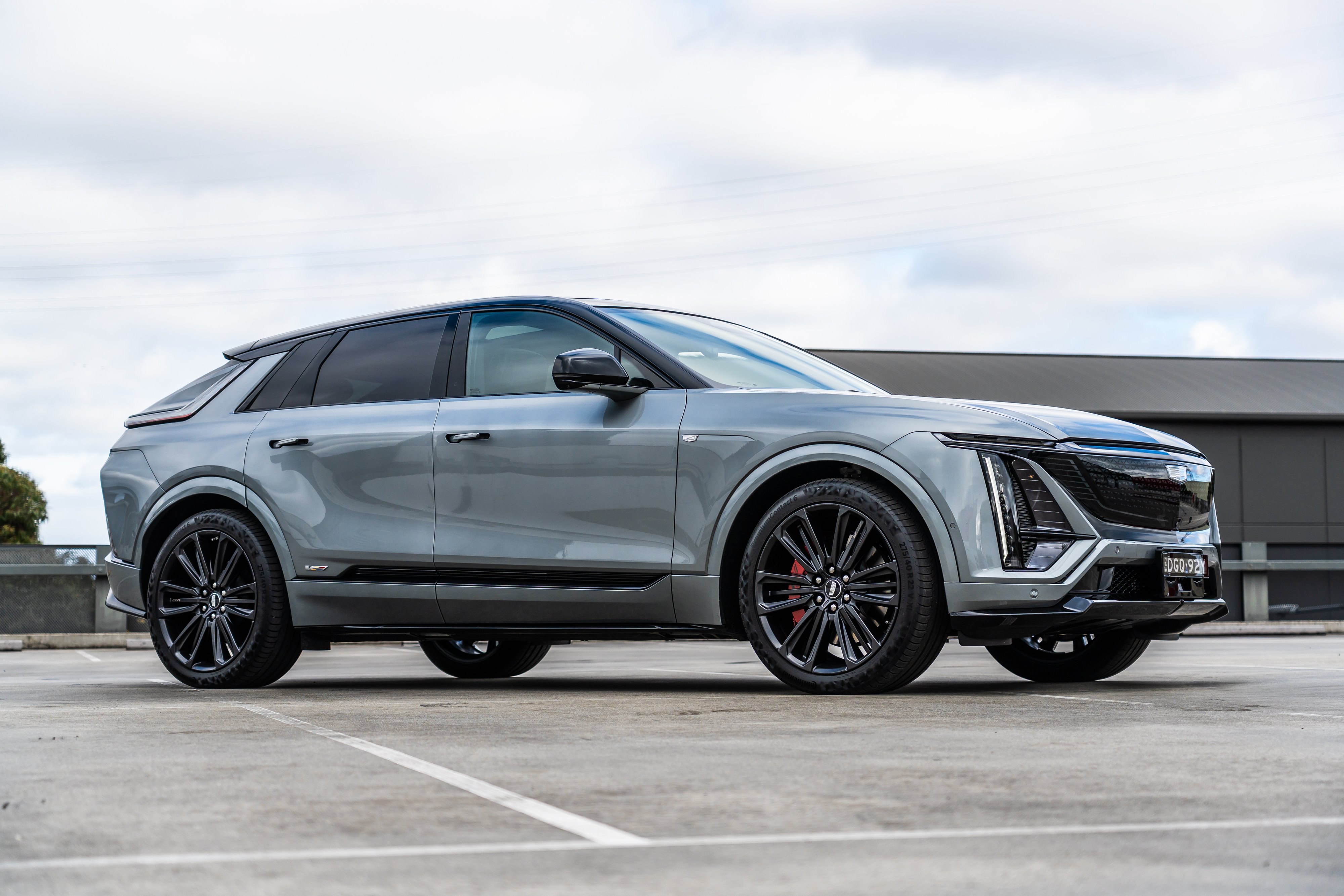
The 2027 Cadillac Lyriq, the debut vehicle for GM's revived OnStar AI assistant.
The 2027 Cadillac Lyriq, the debut vehicle for GM's revived OnStar AI assistant., Image: CarExpert

One app for four brands

GM is also folding its separate Chevrolet, GMC, Buick and Cadillac apps into a single OnStar app from the northern summer of 2027, between June and August. Ed Nightingale, the company's vice president of digital products and infrastructure and a former Microsoft and Apple executive, said the app will combine vehicle controls, family members' vehicles and proactive alerts, such as a warning when other GM vehicles detect slippery roads ahead.

GM repeatedly stressed that features are opt-in and governed by "plain language controls", a point worth reading as a response to the scrutiny the automaker has faced over data-sharing in the US. The company did not say whether OnStar AI would require a paid subscription.

A single app spans GM's four brands, putting OnStar AI controls and vehicle data in one place.
A single app spans GM's four brands, putting OnStar AI controls and vehicle data in one place., Image: CarExpert

Fleet tools and the open questions

GM also detailed OnStar Fleet Intelligence for small and medium businesses. Its fleet AI assistant, launched earlier this year, will be trained to diagnose vehicle problems like a technician and to advise when.

Several details remain unannounced. GM has not specified which other models will get OnStar AI beyond the Lyriq, nor when the rollout outside the US will begin. Pricing, including whether the assistant is bundled with an OnStar subscription, is also unanswered.

The naming is a deliberate piece of brand recycling. OnStar built its reputation on human advisors and emergency response, and attaching that name to an AI assistant trades on familiarity while signalling that the service is changing shape. The practical test for buyers will be whether the assistant's vehicle-level control, the ability to act on the car rather than just talk about it, proves more useful than the general-purpose Gemini already in the dash. GM's emphasis on opt-in controls suggests it knows trust is the constraint here, not capability.
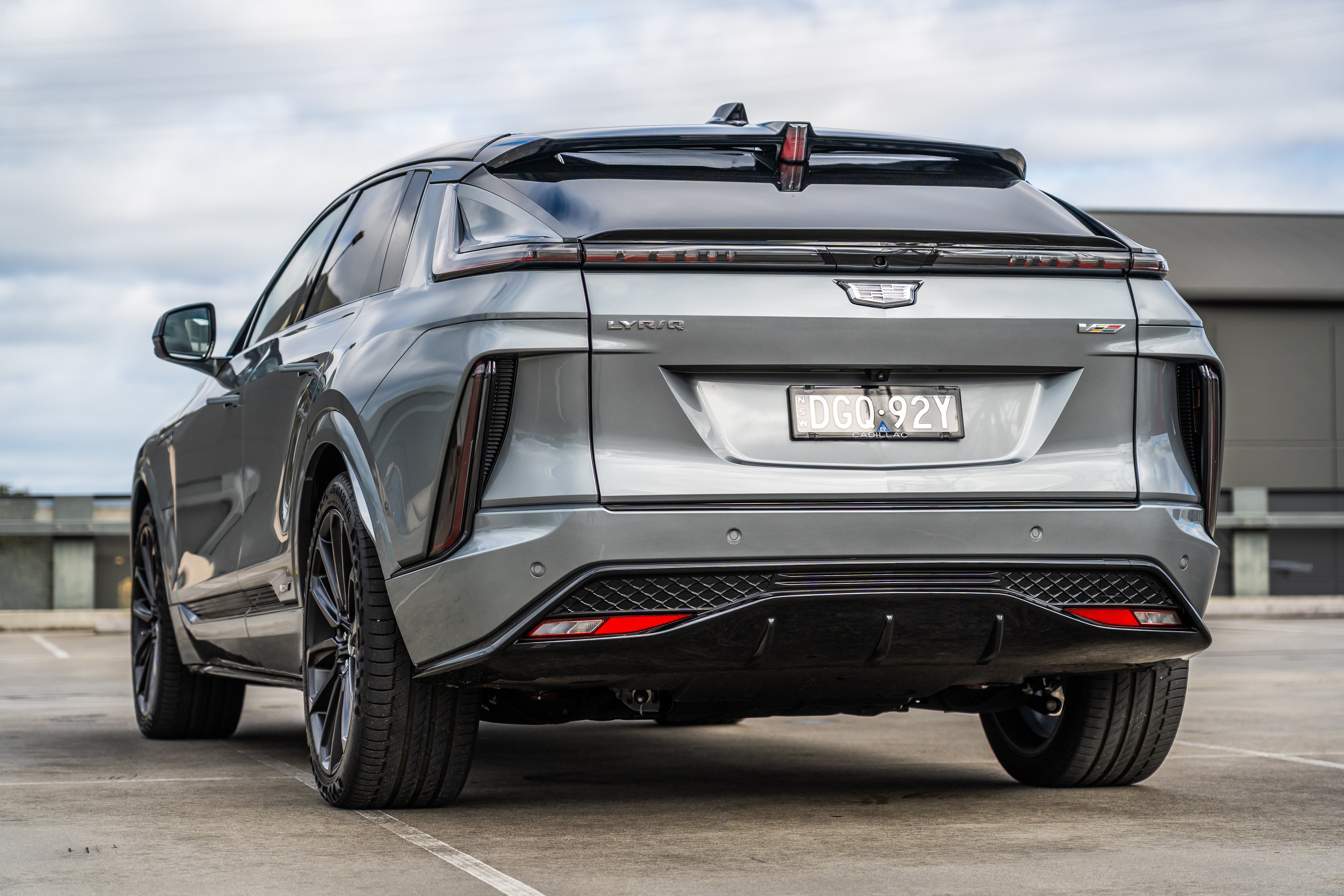
The Lyriq's rear styling, with the OnStar AI assistant arriving in the 2027 model year.
The Lyriq's rear styling, with the OnStar AI assistant arriving in the 2027 model year., Image: CarExpert
Open this article ↗
Electric / TDCN ORIGINAL

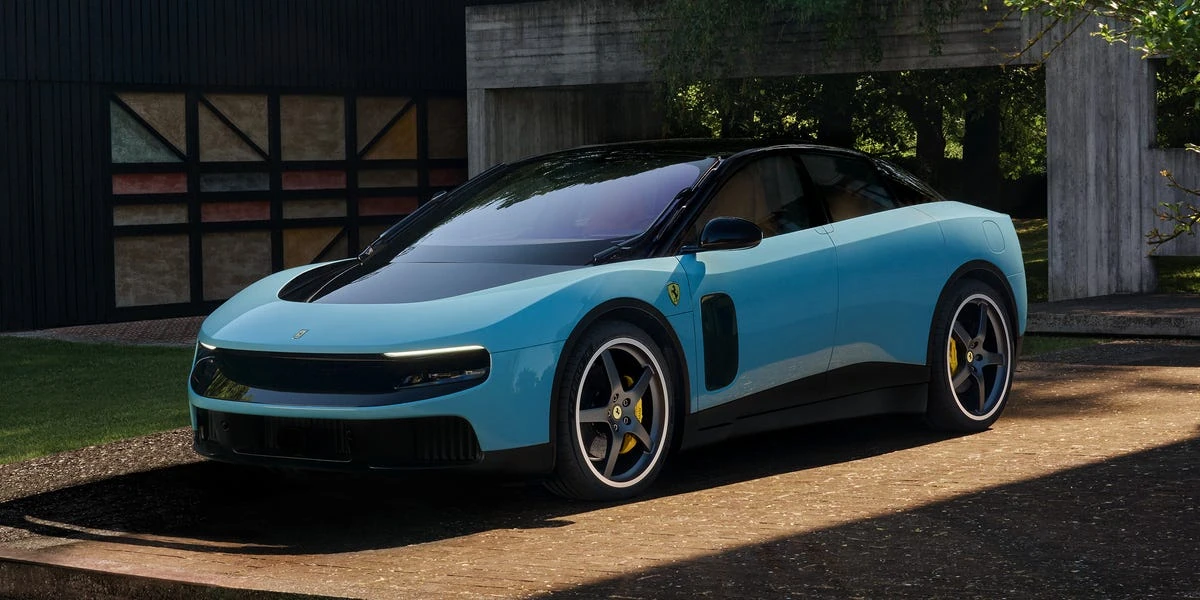
Ferrari Luce EV priced from $560,800, about $80,000 below earlier estimates

Ferrari's first electric car, a five-seat four-motor flagship, undercuts early European-derived pricing expectations and is expected in the US in the second quarter of 2027.

Ferrari has set a starting price of $560,800 for the Luce, its first electric car, roughly $80,000 less than the figure Car and Driver had estimated from European pricing when the model was revealed earlier this year.

The five-seat Luce uses four electric motors, one per wheel, for a combined 1035 horsepower, and Ferrari expects it to reach the United States in the second quarter of 2027.

Why the price came in lower

The gap between the early estimate and the official figure is explained in the source only as a comparison with European pricing used at reveal time; Ferrari has not published a breakdown of the difference, and no reason for the lower US number has been announced.

What the sources do support is the arithmetic: the earlier expectation was around $640,000, and the confirmed starting point is $560,800, a difference of about $80,000. That matters because the Luce was being discussed as a car well above half a million dollars before any US price existed, and the final number lands at the bottom of that range rather than the top.

What the Luce packs for the money

Each of the four motors drives a single wheel, and although the car has paddle shifters there is no transmission; the paddles adjust on-demand torque and regenerative braking instead.

Ferrari claims a 0-62 mph time of 2.5 seconds, and the 122-kWh battery is expected to deliver about 280 miles of range on the EPA cycle. The company says the Luce has a lower drag coefficient than its other road cars, and the car is about two inches longer and two inches lower than the Purosangue SUV.

The model also brings a run of firsts: the largest wheels ever fitted to a roadgoing Ferrari, the marque's first bench seat with three abreast in the rear, and a patented sound system that amplifies noise from the rear axle rather than piping in a synthetic combustion soundtrack.

Design and positioning

The Luce was designed with former Apple designer Jony Ive and industrial designer Marc Newson, and it introduces a new visual language for the brand.

At $560,800 it is still the most expensive five-seater production car on the market, exceeding the Rolls-Royce Cullinan in its highest trim by about $50,000. For buyers weighing a five-seat ultra-luxury car, that positions the Luce above the established SUV benchmark rather than alongside it, even after the price came in below early expectations.

Timing and open questions

US deliveries are expected in the second quarter of 2027. Ferrari has not announced a launch date for other markets, a full options list, or charging figures for the 122-kWh pack, and those details are not in the source material.

Open this article ↗

Keep scrolling to read the next story.

Older articles →