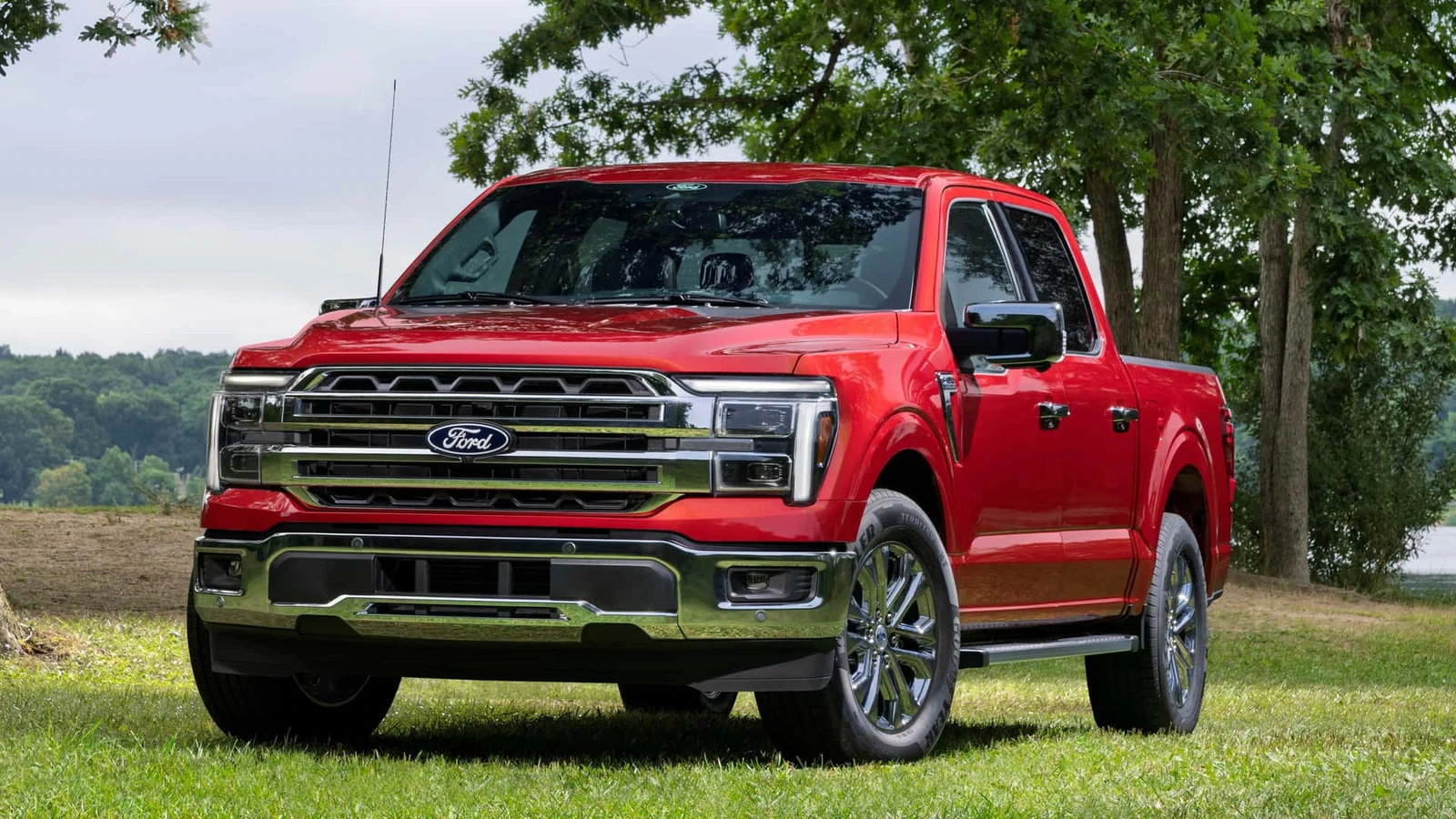
Ford earned $2.0 billion in net income in the third quarter of 2026, a decline of roughly $400 million, or about 16 percent, from the same quarter a year earlier, even as demand for the F-150 held up with petrol prices near multi-year highs.
Revenue for the quarter came to $49.5 billion, down about 2 percent year on year, while adjusted earnings before interest and taxes rose to $2.7 billion, a gain of 3 to 4 percent. The gap between the two figures reflects accounting charges and other below-the-line items that can move reported profit without appearing in the operating measure.
Guidance narrowed upward, not cut
Ford tightened its full-year outlook rather than reducing it. The company had guided to 2026 adjusted EBIT of $10.0 billion to $11.0 billion and now expects $10.5 billion to $11.0 billion.
That shift points to a finance team that sees the remainder of the year tracking close to plan, with the reported profit decline sitting outside the operating result the company uses to describe underlying performance. For buyers, the operating figure is the more telling signal: it suggests Ford is not bracing for a sudden collapse in demand over the coming quarters.
Truck buyers shrug at the pump
The F-Series kept the highest retail market share among full-line truck brands this quarter, a position it has held for years. Ford's finance chief addressed the apparent contradiction between fuel costs and truck sales directly on the earnings call.
"Consumers have not shied away from buying pickups as gasoline prices remain high," the CFO said.
The pattern is not confined to Ford. Gasoline prices and V8 truck demand have moved together across the segment, suggesting buyers of large pickups treat pump prices as a running cost rather than a reason to switch. That matters for anyone weighing a truck purchase: fuel economy is unlikely to be the deciding factor in this part of the market, so resale, capability and financing terms carry more weight.
F-150 inventory runs below target
F-150 stock stood at 49 retail days of supply at the end of the quarter, below Ford's target range of 55 to 65 days, even as gross stocks across the lineup rose about 6 percent from the second quarter.
Ford plans some production downtime next year while plants finish retooling for the updated F-150, with additional Super Duty output from the Oakville plant expected to cover most of the gap. Tight F-150 supply into a model changeover is worth watching for buyers: thin inventory tends to firm up transaction prices just as a refreshed truck reaches showrooms.