INDEPENDENT AUTOMOTIVE NEWSGLOBAL PERSPECTIVE / AUSTRALIAN EDITION
TDCNTHE DAILY
CAR NEWS.

The road ahead.
Every day.

RSS ↗
Latest/Australia

216 original articles

Australia / TDCN ORIGINAL

Rox Motor plans Australian launch with Defender-style EREV SUVs

The Chinese startup, formerly Polestones, says it will enter the market around late 2025 or early 2026, but its lineup, pricing and retail model are still unconfirmed.

Rox Motor, a Chinese brand that describes itself as a premium new-energy SUV maker, has confirmed plans to enter the Australian market. The company told CarExpert via a marketing agency that it aims to launch around the end of this year or early next year.

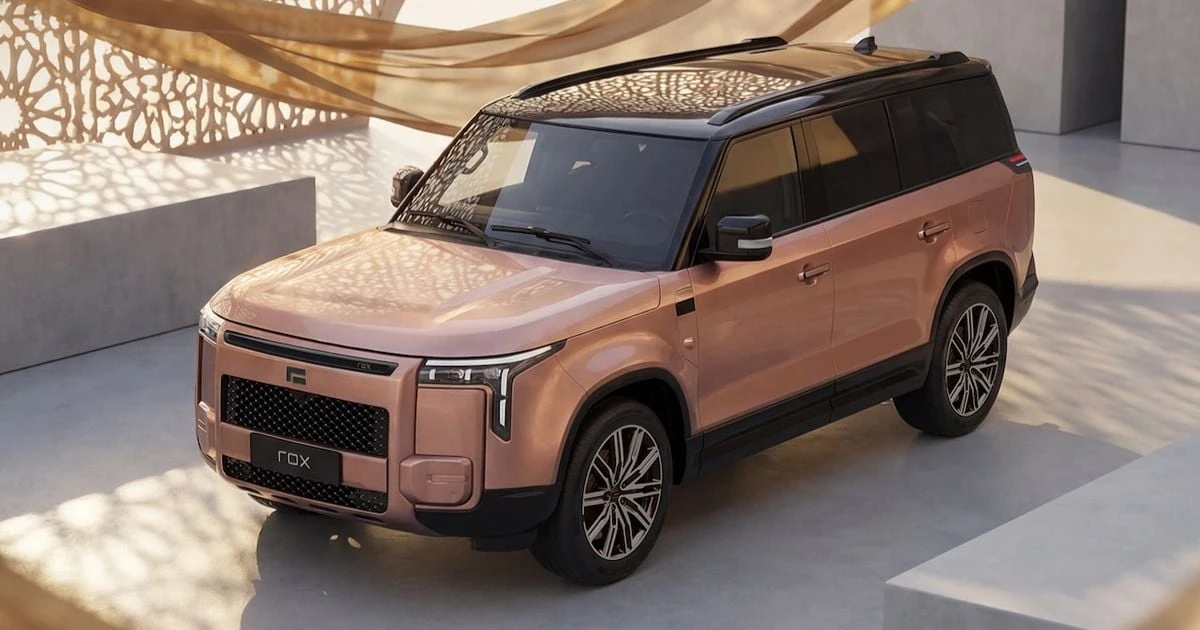
Rox Motor, founded by entrepreneur Chang Jing and previously known as Polestones, calls Australia a strategically important market. The brand currently sells just two models, both large SUVs with extended-range electric powertrains and styling that echoes the Land Rover Defender.

What Rox Motor sells

The lineup consists of the 01 and a plusher variant called the Adamas. Both are large SUVs with unibody construction, like the current Defender, and are available in six- or seven-seat configurations.

The 01 was revealed in 2023 and designed by Pininfarina. It measures 5295mm long, 1980mm wide and 1869mm tall on a 3010mm wheelbase. That makes it 100mm longer, 14mm narrower and 36mm lower than a Denza B8, with a 90mm longer wheelbase.

Power comes from a turbocharged 1.5-litre four-cylinder petrol engine that acts only as a range-extender, with dual electric motors driving the wheels. Total system output is 350kW and 740Nm. A 56.01kWh ternary lithium battery provides 235km of electric range on the WLTC cycle and 1115km of combined range.

The 01 has double-wishbone front and multi-link rear suspension with adaptive dampers. Inside, there is a 15.7-inch touchscreen infotainment system, a 12.3-inch digital instrument cluster and a 15.6-inch rear entertainment screen. Luxury features include a heated steering wheel, heating, massage and power adjustment for first- and second-row seats, ventilation for the front seats, and a panoramic sunroof with a power sunshade.

The Adamas is slightly longer, wider and lower but has the same wheelbase. It uses the same battery and powertrain but offers slightly more combined range at 1226km on the WLTC cycle. It adds closed-chamber air suspension with up to 140mm of travel.

Both models come with a full suite of active safety and driver-assist technology, including front cross-traffic alert, lane-centring and semi-autonomous parking.

Australian details remain unconfirmed

Rox Motor has not confirmed which models will come to Australia, nor their pricing, specifications or how the vehicles will be sold and serviced. The company has not announced any local retail partners, warranty terms or servicing arrangements.

The launch timing is also approximate. The email to CarExpert said the brand plans to enter the market around the end of this year or early next year, but no firm date has been set.

For now, Australian buyers have no confirmed models, prices or dealership network to consider. The two SUVs are sold in China, and any local launch would require homologation and distribution arrangements that Rox Motor has not detailed.

A crowded segment

Rox Motor would join a growing field of Chinese brands offering large, family-oriented SUVs in Australia. Its Defender-inspired styling and extended-range electric powertrains set it apart from pure-electric rivals, but the brand is unknown locally and has no established dealer footprint.

The extended-range layout, with a petrol engine generating electricity rather than driving the wheels, could appeal to buyers who want electric motoring without relying on charging infrastructure. However, the WLTC range figures quoted for the 01 and Adamas are not directly comparable to the WLTP or EPA cycles used in Australia, so real-world electric range would likely be lower.
Open this article ↗
Safety / TDCN ORIGINAL

Allianz crash study finds 67% of Australian drivers want physical controls over touchscreens

The insurer's review of 34,000 collisions found distraction featured in two-thirds of Australian crashes, with 29% of drivers reporting a critical moment caused by a touchscreen.

Two-thirds of Australian drivers surveyed want physical buttons back in their cars, according to research from insurance giant Allianz that links touchscreen controls to distraction and crashes. The Allianz Centre for Technology (AZT) analysed 34,000 vehicle crashes and surveyed drivers internationally for its report, titled Swipe. Tap. Crash. Driver distraction in the digital car.

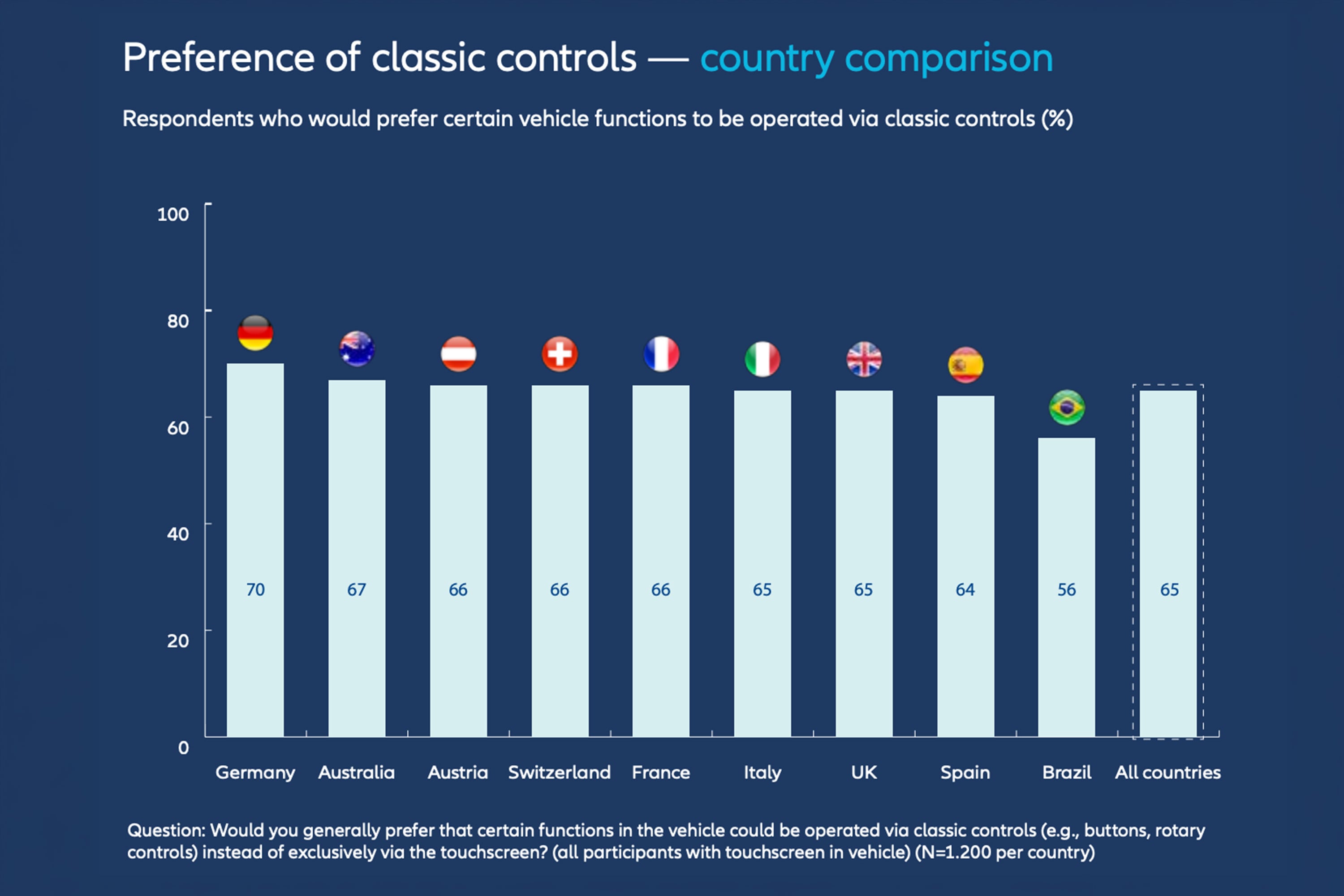
The study found 67 per cent of Australian drivers who had been in a collision identified distraction as a factor in the incident, and 29 per cent said they had experienced a critical moment while driving because of a touchscreen. The same 67 per cent figure of Australian respondents said they preferred physical buttons over digital icons.

What the Allianz study measured

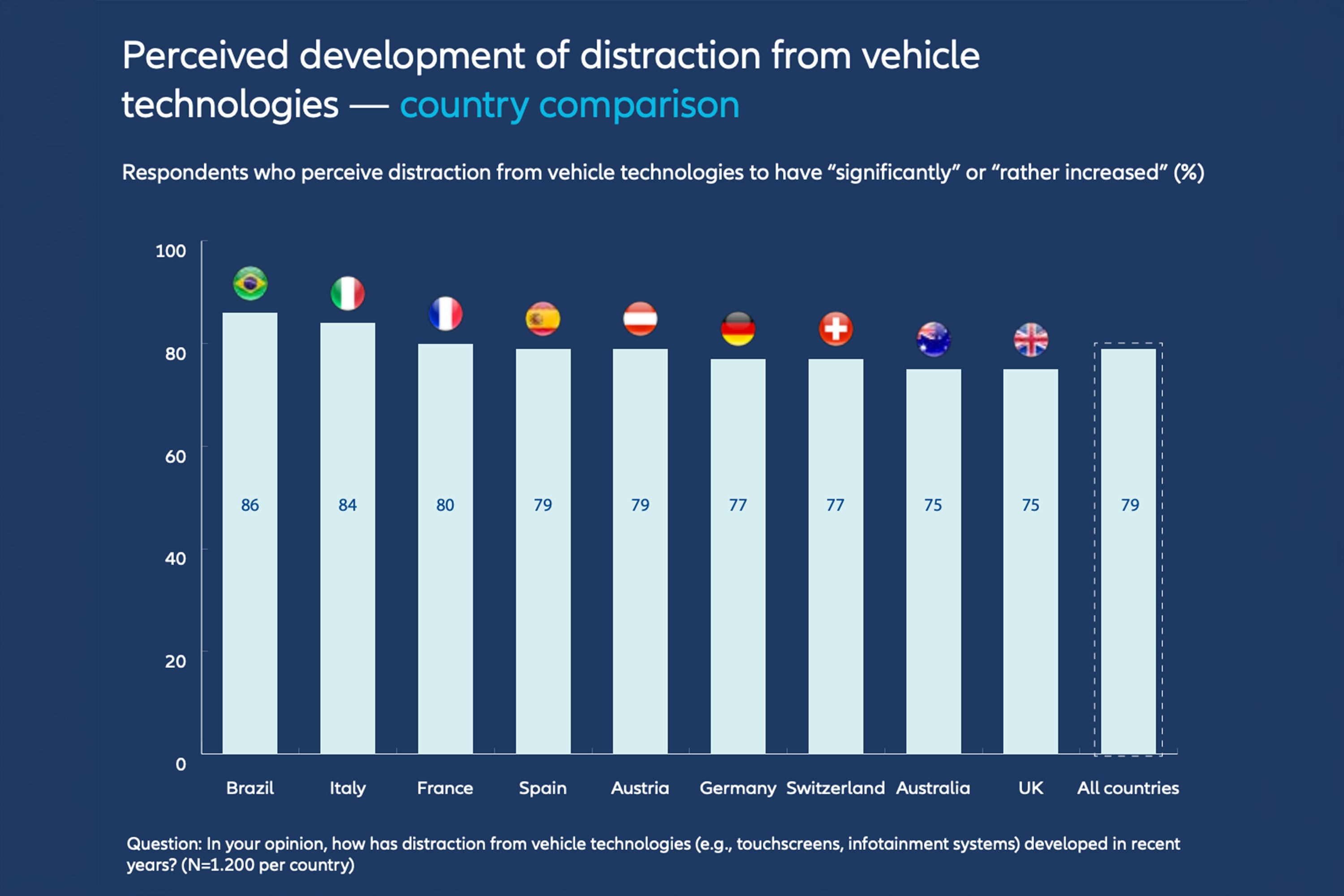
AZT surveyed motorists across several countries and found Australians near the top of the list for preferring physical controls over touchscreens. Three-quarters of Australian respondents (75 per cent) agreed that in-car distraction had increased in recent years, matching sentiment in the UK, while Germany, Austria, Spain, Italy and France recorded higher proportions and Brazil the highest at 86 per cent.

Dr Klaus-Peter Röhler, writing in the report's foreword, said distraction appears far more often in the crash record than official statistics suggest, and that the same everyday task is markedly more dangerous in one car than in another. He added that a glance of only a couple of seconds can, at the wrong moment, be as dangerous as driving over the drink-drive limit.

AZT traffic psychologist Michael Praxenthaler said not all touchscreens are equally distracting, and that well-designed in-car controls can significantly reduce the time drivers spend looking away from the road. He framed distraction as a design challenge rather than simply a driver problem.

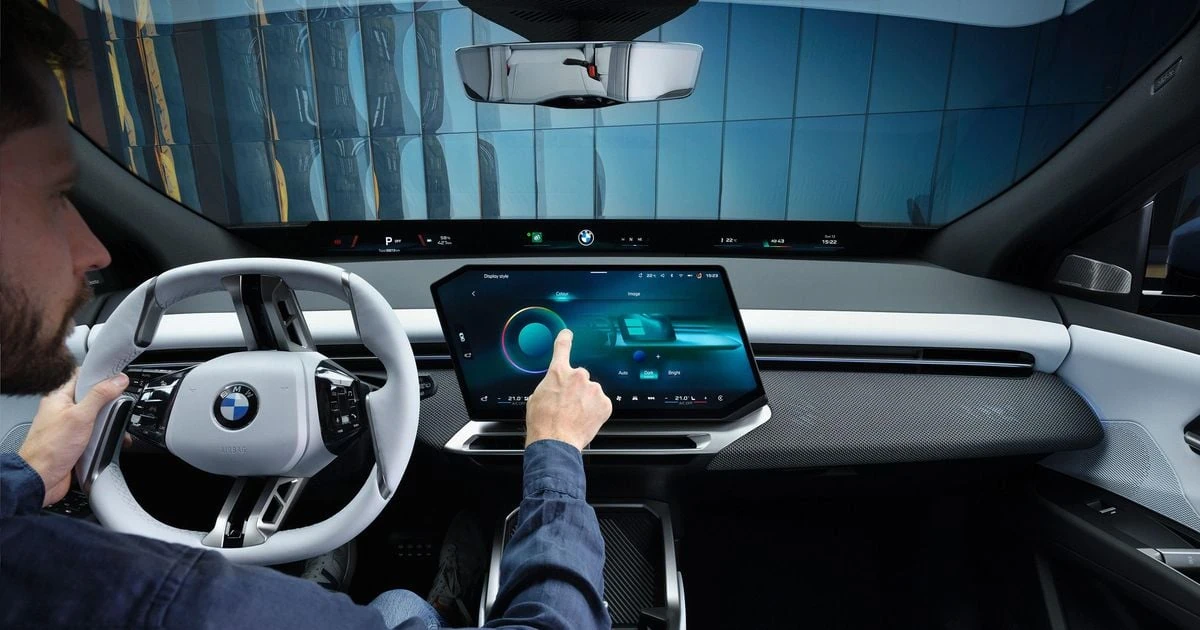
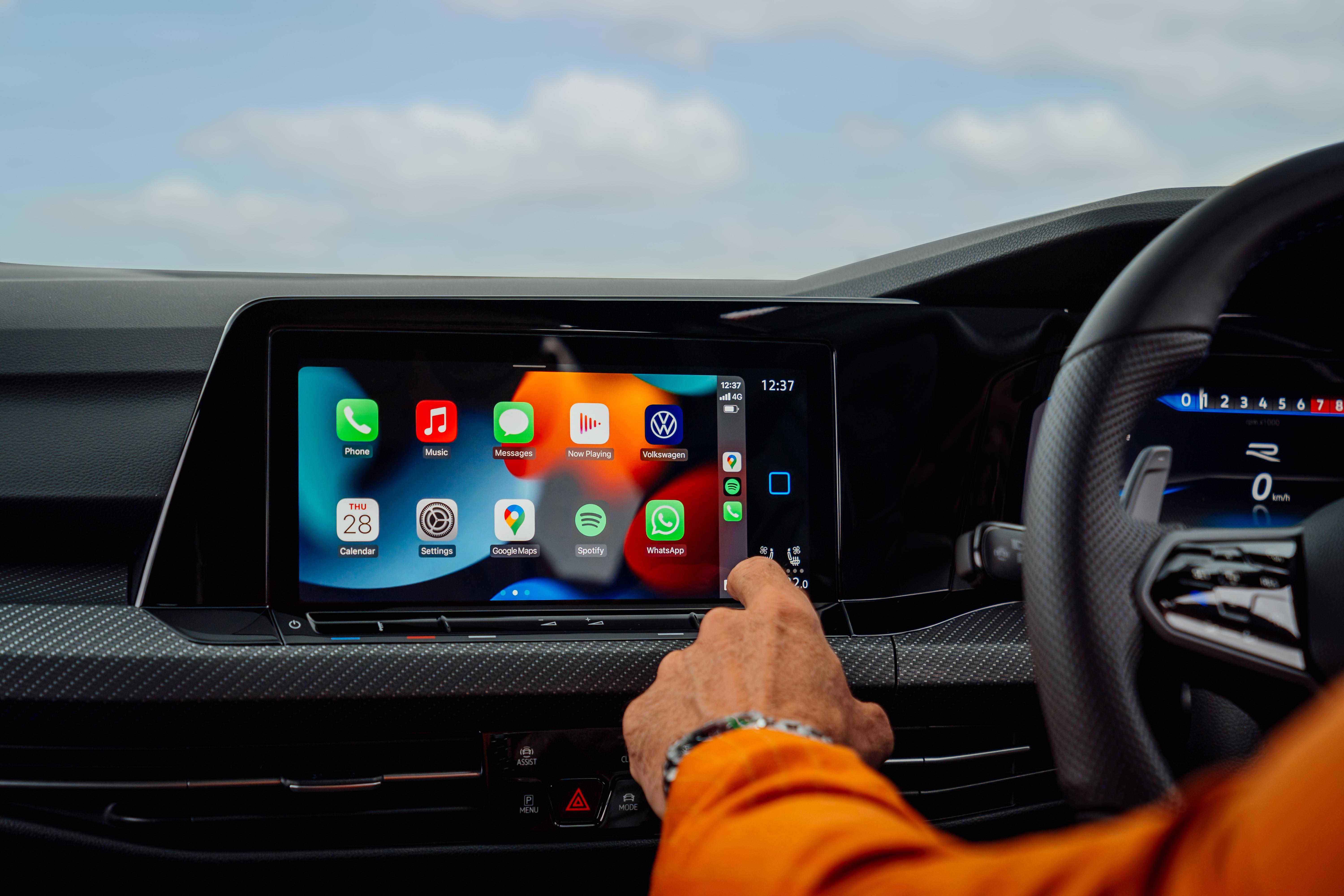
A driver taps through apps on a touchscreen — the kind of interface Allianz respondents say they'd rather replace with physical controls.
A driver taps through apps on a touchscreen, the kind of interface Allianz respondents say they'd rather replace with physical controls., Image: CarExpert

ANCAP's push for buttons

The findings echo calls from Australian safety watchdog ANCAP for automakers to avoid burying critical vehicle functions in touchscreen menus. ANCAP CEO Carla Hoorweg said the organisation wants carmakers to bring back buttons for the functions drivers use every day, arguing that adjusting windscreen wipers, switching on headlights or clearing a fogged-up windscreen should be simple, intuitive and achievable without taking attention off the road.

Hoorweg's comments followed crash tests of the Xpeng X9 electric people mover and GAC Aion UT electric hatchback. The sources do not name any other specific models or carmakers as being affected by the distraction findings, and Allianz's report is presented as a study of driver behaviour and crash records rather than a model-by-model ranking.

No new Australian rules on in-car controls have been announced. ANCAP's position is a call to manufacturers rather than a regulatory change, and the sources do not indicate whether any government body is drafting requirements for physical controls.

That matters because ANCAP's voice carries weight with buyers and with manufacturers chasing its ratings, but a call from a safety body is not the same as a mandate. Drivers who want knobs and stalks back are, for now, reliant on carmakers choosing to reverse the touchscreen trend themselves.

Allianz's country-by-country data on perceived distraction from in-car tech, with Australia among the higher readings.
Allianz's country-by-country data on perceived distraction from in-car tech, with Australia among the higher readings., Image: CarExpert

Why the numbers are worth watching

The gap between the 67 per cent of collision-involved Australian drivers citing distraction and the 29 per cent who reported a touchscreen-related critical moment is a reminder that distraction has many sources, not just screens. Still, the preference figure is striking: a clear majority of Australian respondents say they would rather have buttons than icons.

For buyers, the practical takeaway is to treat control design as a purchase consideration alongside range, price and safety rating. The AZT research suggests the layout of a cabin can change how much time a driver spends looking away from the road, which is a safety variable that spec sheets rarely capture.

The sources do not give a breakdown of the survey sample size by country, a publication date for the report, or a list of which vehicles were judged better or worse for control design. Those details have not been announced.

The headline finding: a majority across markets, including Australia, prefer classic buttons and dials over touchscreens.
The headline finding: a majority across markets, including Australia, prefer classic buttons and dials over touchscreens., Image: CarExpert
Open this article ↗

Keep scrolling to read the next story.

Older articles →