INDEPENDENT AUTOMOTIVE NEWSGLOBAL PERSPECTIVE / AUSTRALIAN EDITION
TDCNTHE DAILY
CAR NEWS.

The road ahead.
Every day.

RSS ↗
Latest/Australia

182 original articles

Australia / TDCN ORIGINAL

Chery to open Australian R&D centre to tune its cars for local roads

The Chinese group says the facility will adapt models across its brands to Australian conditions, though no site, opening date or budget has been disclosed.

Chery will set up a research and development centre in Australia to adapt vehicles from across its growing brand line-up to local roads, weather and driving habits. Chery International president Zhang Guibing told Australian media, including CarExpert, in China that the company wants more local input because Australian conditions differ from those in China.

Asked whether the centre would focus on the group's incoming premium brands, Zhang said local R&D would cover any brand Chery is willing to launch in Australia, with analyses carried out before each launch. The executives did not disclose a location, an opening date or the size of the investment, and they did not confirm whether Chery would build its own Australian proving ground.

What the centre will work on

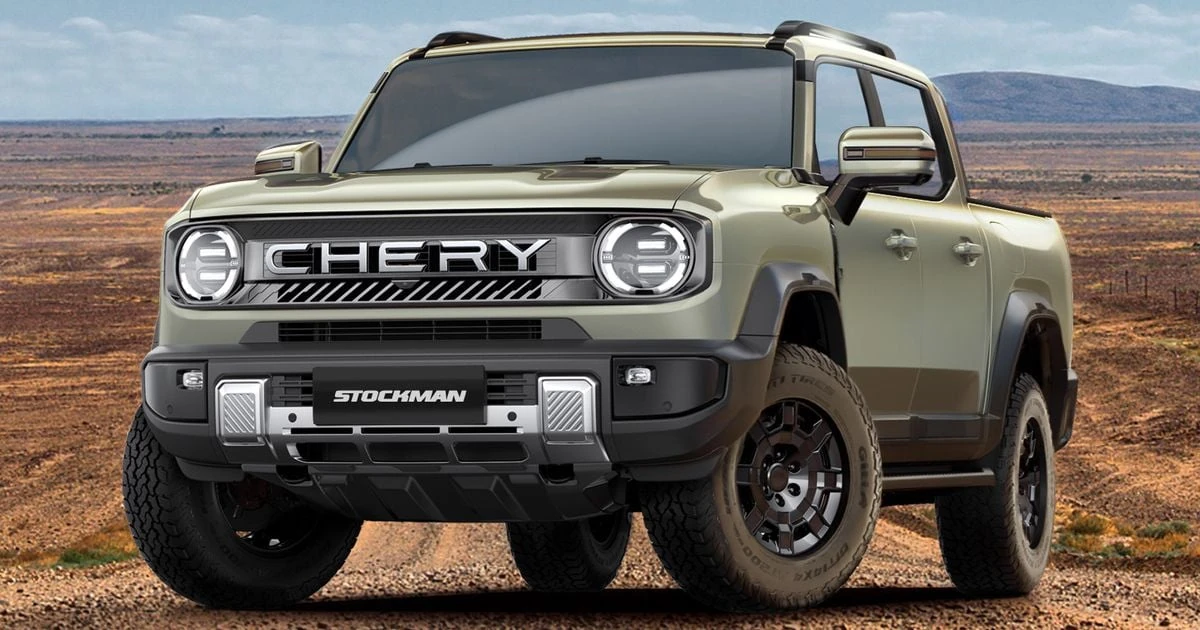
Chery International executive vice president Chen Chunqing said the planned centre would work on new products, including utes such as the Stockman. The Stockman is a diesel plug-in hybrid (PHEV) and remains on track for Australian deliveries from February 2027.

Chery is already working with Melbourne-based engineering firm Premcar on testing and validation of the Stockman's ride and handling. Premcar also handles Nissan's Navara and Patrol Warrior models, and the partnership was announced in August. Chery Motor Australia chief operating officer Lucas Harris said at the time that the partnership was another example of Chery investing locally to develop vehicles specifically for Australian drivers.
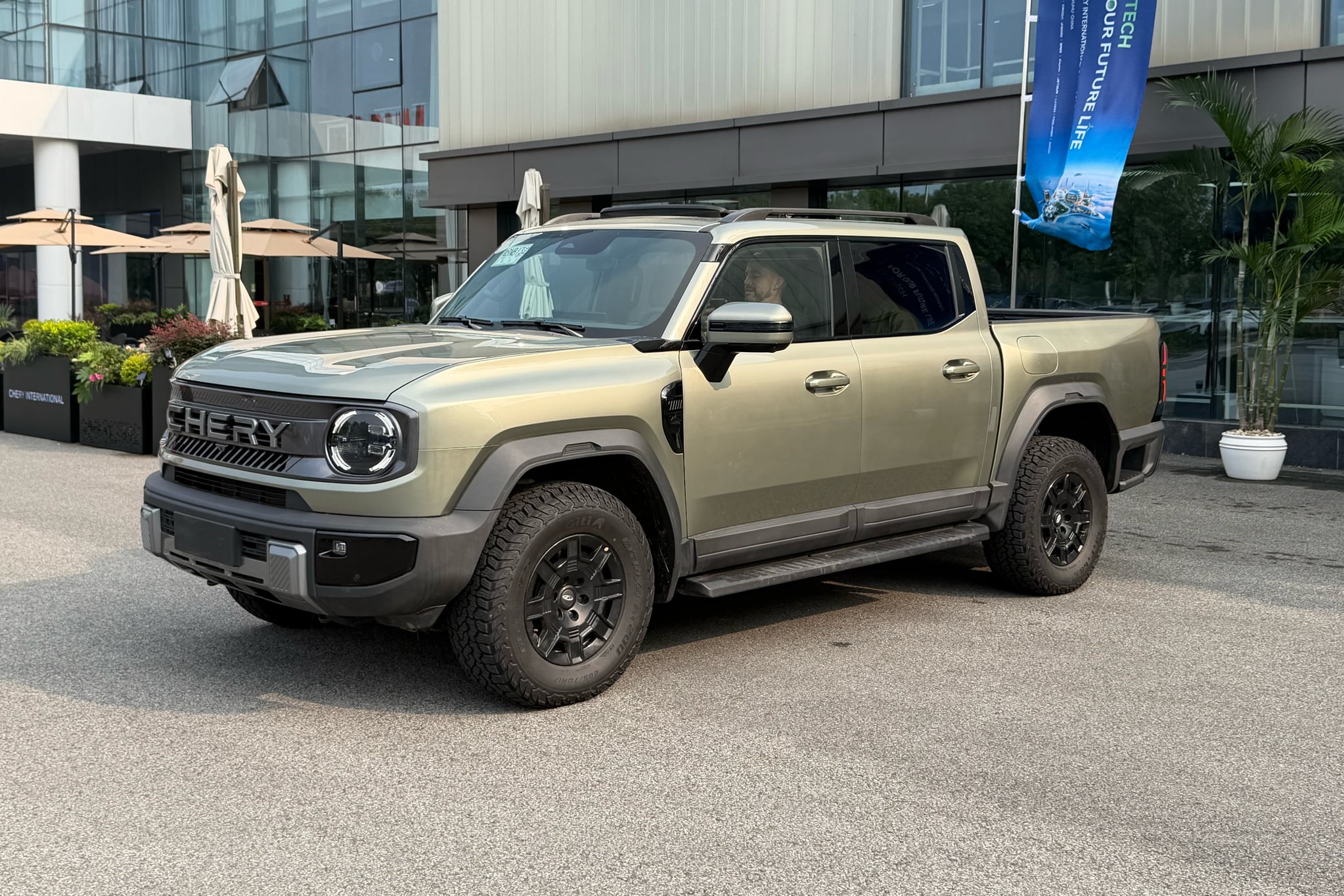
Chery's rugged ute line is among the models the new Australian R&D centre will tune for local roads.
Chery's rugged ute line is among the models the new Australian R&D centre will tune for local roads., Image: CarExpert

Software and safety tuning

Stockman chief product manager Mark Qi recently told CarExpert that further local testing would focus largely on software, including driver-assistance systems and electric power steering. Qi said he had told the engineers working on the advanced driver assistance systems (ADAS): "For the ADAS, I told our engineers: don't use your Chinese way of thinking. Think about Australian people's habits and the road conditions in Australia".

Chery's local development work has also addressed criticism of the active safety systems in its SUVs. In May 2025, CarExpert joined the Tiggo 7 PHEV's Australian validation program, where engineers were refining how its lane-support functions responded to different road widths and markings.
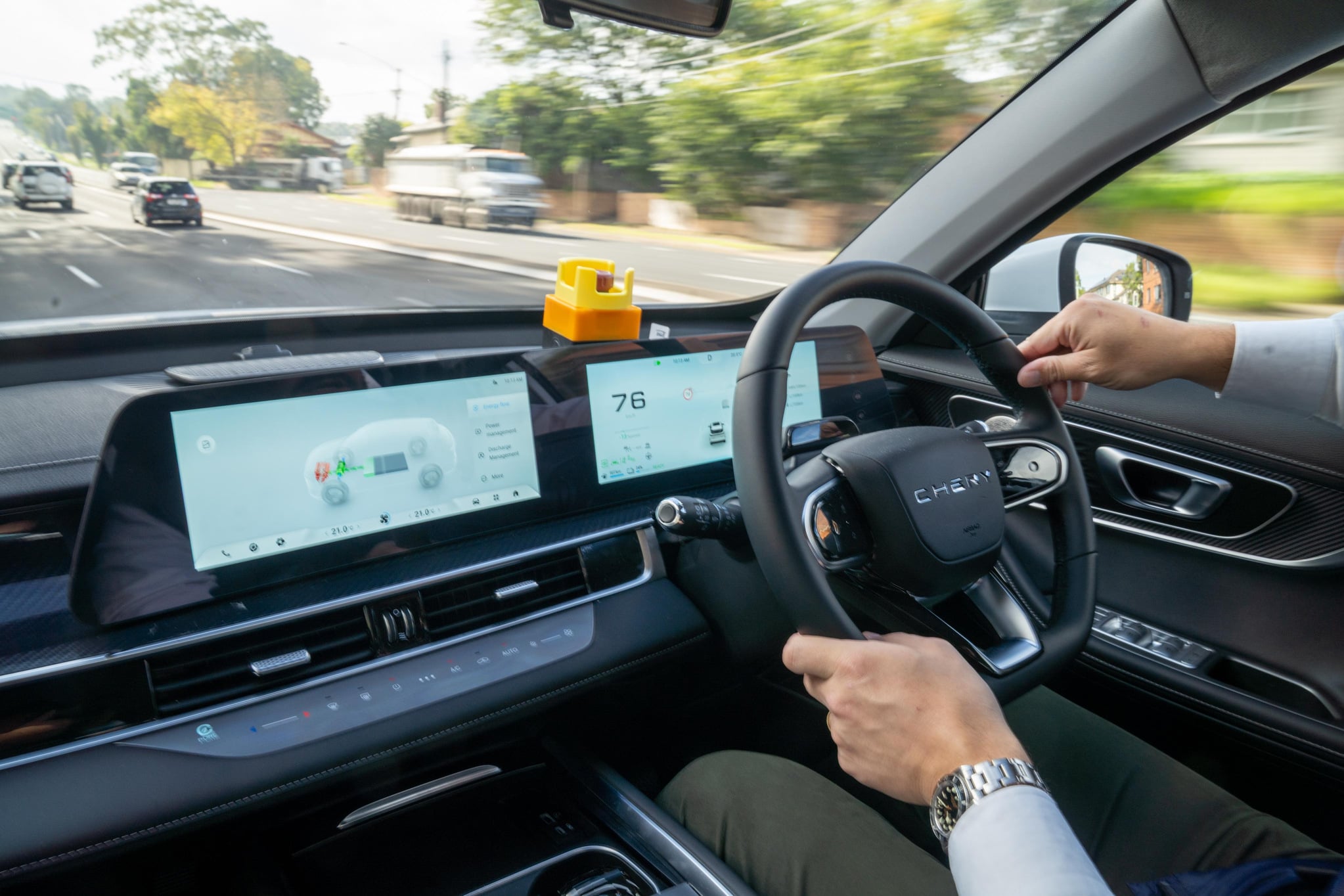
Software and driver-assistance calibration will be a core focus of the Australian engineering team.
Software and driver-assistance calibration will be a core focus of the Australian engineering team., Image: CarExpert

What is still unknown

The location of the centre, its opening date and the level of investment have not been announced. Chery has also not confirmed whether it will establish its own Australian proving ground, like Ford's You Yangs facility or Holden's former Lang Lang site, which was subsequently used by rival Chinese automaker GWM before its sale to a defence contractor.

The absence of those details makes it hard to judge how much of the work will be genuine local engineering rather than validation outsourced to partners such as Premcar. The Premcar tie-up already covers ride and handling for the Stockman, and the new centre's remit appears to overlap with that work. Until Chery sets out a budget and a headcount, the announcement is a statement of intent rather than a committed programme.
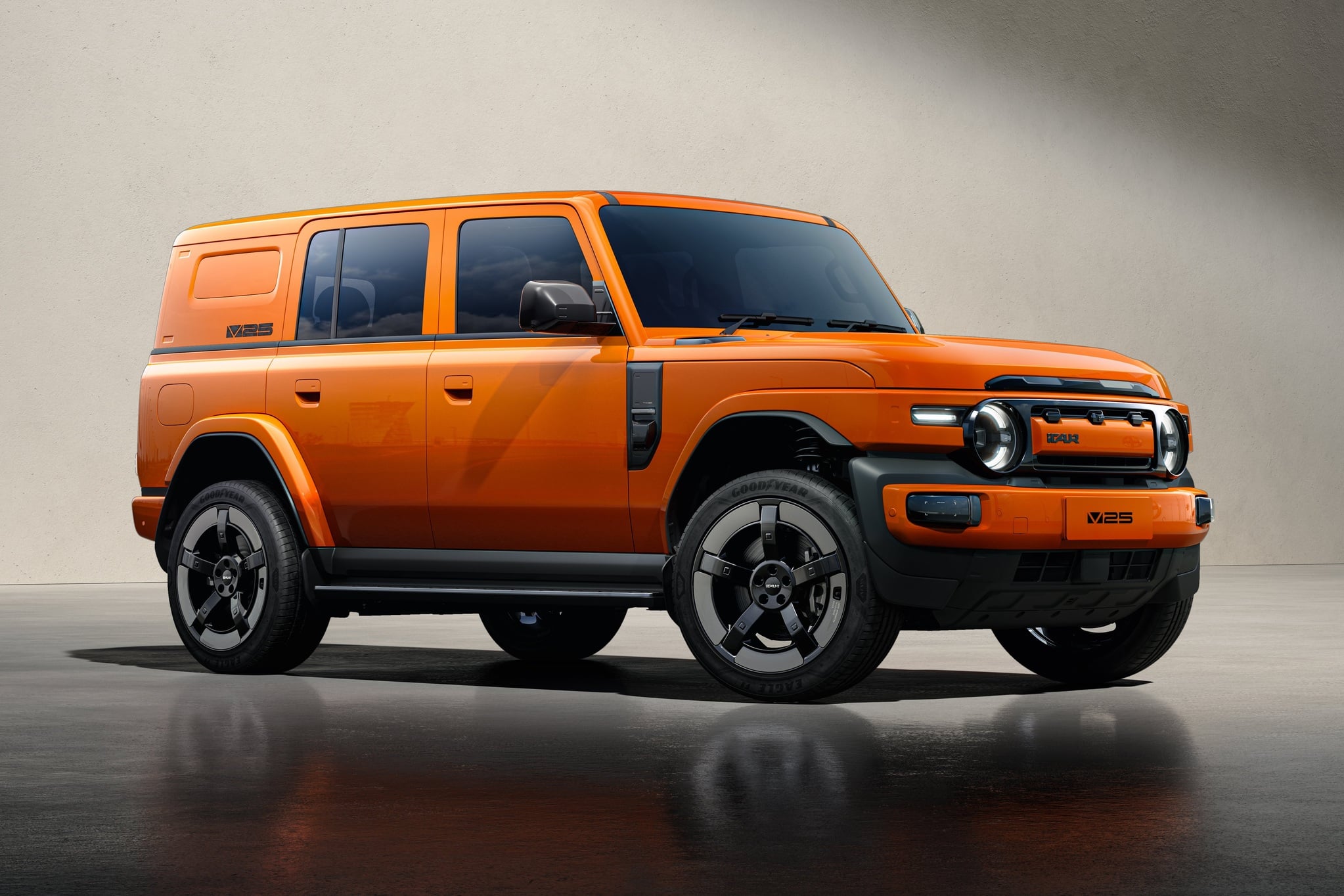
Chery's boxy off-road SUV shows the design direction its local tuning work will support.
Chery's boxy off-road SUV shows the design direction its local tuning work will support., Image: CarExpert
Open this article ↗
Australia / TDCN ORIGINAL

Denza N9 plug-in hybrid SUV gains Australian certification, launch timing unconfirmed

The 545kW three-row PHEV has cleared ADR approval, but Denza Australia has not announced an on-sale date or local pricing.

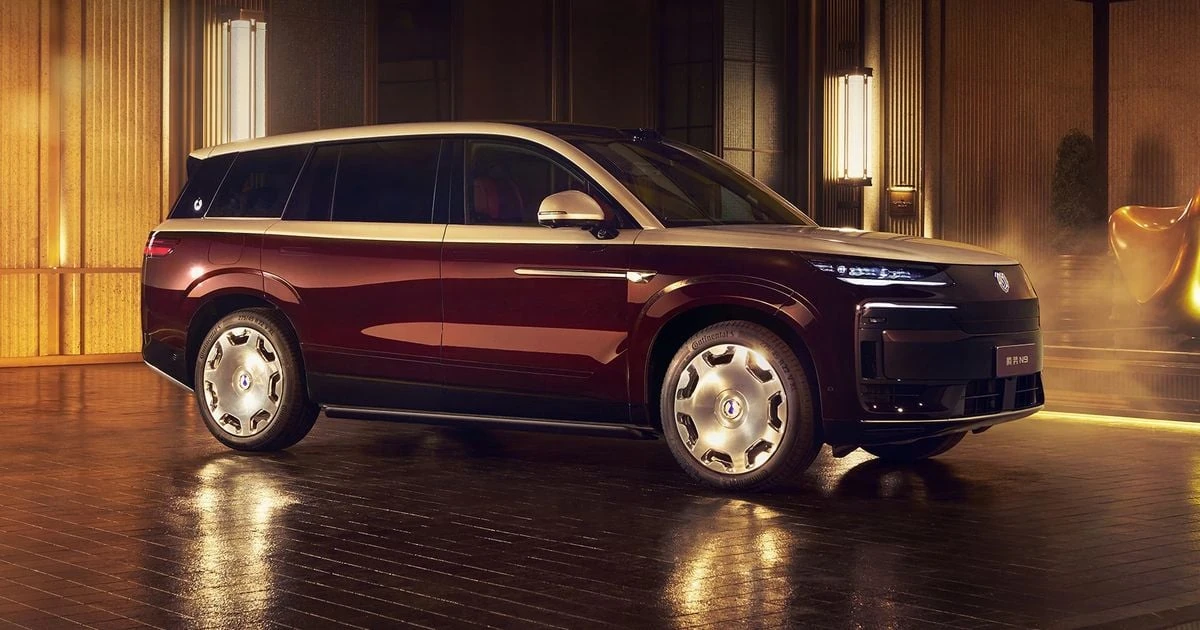
The Denza N9, a large three-row plug-in hybrid SUV from BYD's premium brand, has received Australian Design Rule (ADR) certification, a step toward a local launch. Denza Australia has not announced when the N9 will go on sale in Australia, and no local pricing has been released.

What the certification documents show

The approval documents list a turbocharged 2.0-litre four-cylinder tri-motor plug-in hybrid powertrain with a total system output of 545kW. The engine produces 150kW, the front electric motor 200kW and each of the two rear motors 220kW.

Tare mass is listed at 3320kg with a gross vehicle mass of 3894kg, indicating a payload of 574kg, and the N9 is rated to tow 2500kg on 22-inch alloy wheels. The documents list a choice of six- or seven-seat layouts.

The N9 measures 5258mm long, 2030mm wide and 1830mm tall on a 3125mm wheelbase, with car-like unibody construction rather than the ladder frames of Denza's existing Australian models.

Chinese-market specifications

No battery capacity appears in the Australian documents, but the N9 was recently upgraded in China from a 46.9kWh lithium iron phosphate battery to a 75.3kWh pack supporting BYD's Flash Charging, which allows a 10-70 per cent DC fast-charge in as little as five minutes and a 10-97 per cent charge in nine.

The Chinese-market N9 has an AC charge rate of 6.6kW, a claimed 420km of electric range on the CLTC cycle and 1520km of combined range. With a depleted battery it consumes fuel at a claimed 5.9L/100km on the NEDC cycle. Denza claims a 0-100km/h time of 3.7 seconds and total system torque of 1035Nm.

Suspension is four-wheel independent, with double wishbones up front and a five-link setup at the rear, plus dual-chamber air suspension and adaptive dampers. Those figures are Chinese-market claims on Chinese test cycles; Australian specifications and range ratings have not been confirmed.

Where it fits in Denza's Australian range

Denza customer deliveries began in Australia early this year, with the large B5 and B8 off-road SUVs followed shortly afterwards by the D9 people mover. Denza has also confirmed the Z9 GT electric shooting brake for a local launch before the end of 2026.

The N9 would sit apart from those models as a luxury unibody SUV. Plug-in hybrid SUVs of this size are common in China, but the N9 would effectively have no direct competitor in Australia. It is larger and more luxurious than PHEV versions of the Kia Sorento and Mazda CX-80, and larger than BYD's own Sealion 8. The closest comparison is the Volvo XC90, which offers PHEV power and a third row but is significantly shorter at 4953mm.

That gap in the market is the reason the N9 matters locally. Buyers wanting a three-row plug-in hybrid currently choose between smaller, less premium models or the ageing XC90, so a 5.2-metre SUV with this much power would occupy a category of one. The catch is that size and complexity rarely come cheap, and without local pricing there is no way to judge whether Denza can convert that empty space into sales.

What remains unconfirmed

Denza Australia has been contacted to confirm local launch timing. Until pricing and a date are announced, the N9's Australian position is set by certification alone, and buyers should treat the Chinese range, charging and performance figures as indicative rather than final.

Open this article ↗

Keep scrolling to read the next story.

Older articles →