INDEPENDENT AUTOMOTIVE NEWSGLOBAL PERSPECTIVE / AUSTRALIAN EDITION
TDCNTHE DAILY
CAR NEWS.

The road ahead.
Every day.

RSS ↗
Latest/Australia

190 original articles

Australia / TDCN ORIGINAL

Chery to launch Exlantix and Luxeed in Australia in 2027, but prices remain unannounced

The Chinese giant will add two more premium brands to its local lineup, with Exlantix due in the first half of 2027 and Luxeed in Q2, though Australian pricing has not been revealed.

Chery will expand its Australian brand portfolio with Exlantix and Luxeed in 2027, but pricing for both has not been announced. Exlantix is expected in the first half of 2027, initially with the ES GT shooting brake and new ET SUV, while Luxeed is due in the second quarter of 2027, led by the LLounge people mover.

The launches follow Chery's existing local brands, Chery and Omoda Jaecoo, and the upcoming Lepas, which is priced from $47,990 before on-road costs for the L6 BEV Signature.

Exlantix and Luxeed timing and models

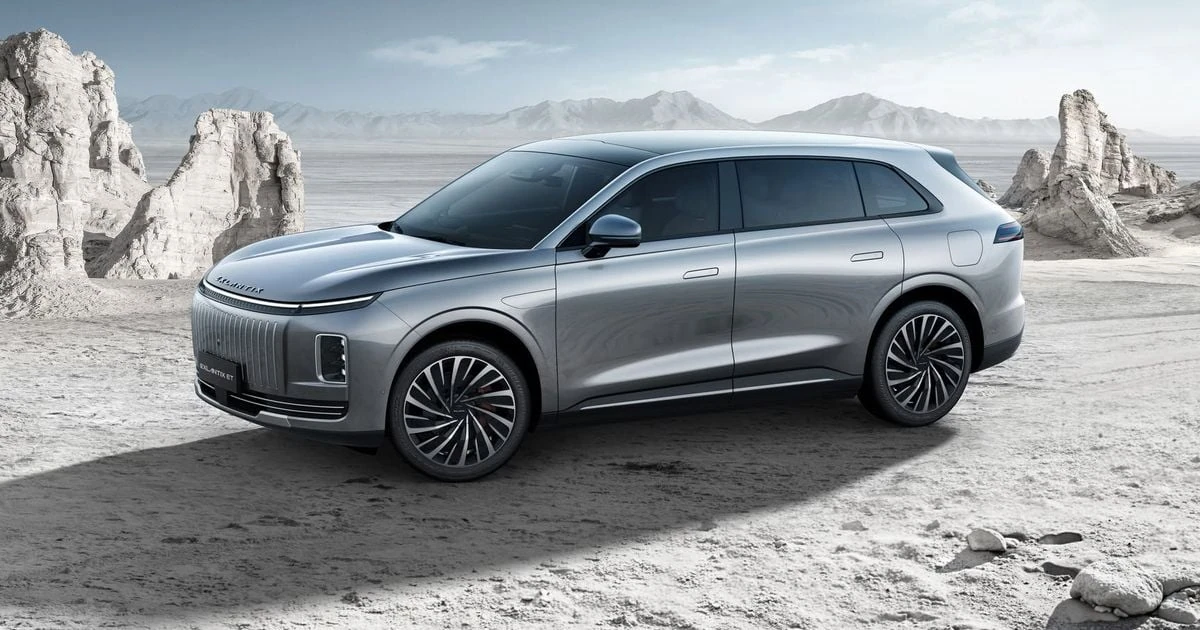
Exlantix will arrive in Australia in the first half of 2027, starting with the ES GT shooting brake and the new ET SUV. Right-hand drive examples of both were shown to CarExpert in Shanghai. The Exlantix name is used locally instead of Exeed, the brand name in markets such as China and the Middle East. In Australia, Exlantix plans to offer electric vehicles and plug-in hybrids, with powertrain choices for each model still to be confirmed.

Luxeed is scheduled for the second quarter of 2027, led by the LLounge people mover, with the Stormax electric SUV to follow later. The LLounge's Chinese-market counterpart, the V9, uses a range-extender powertrain in which electric motors drive the wheels and a petrol engine generates electricity. Australian pricing and final specifications for both Exlantix and Luxeed have not been announced.
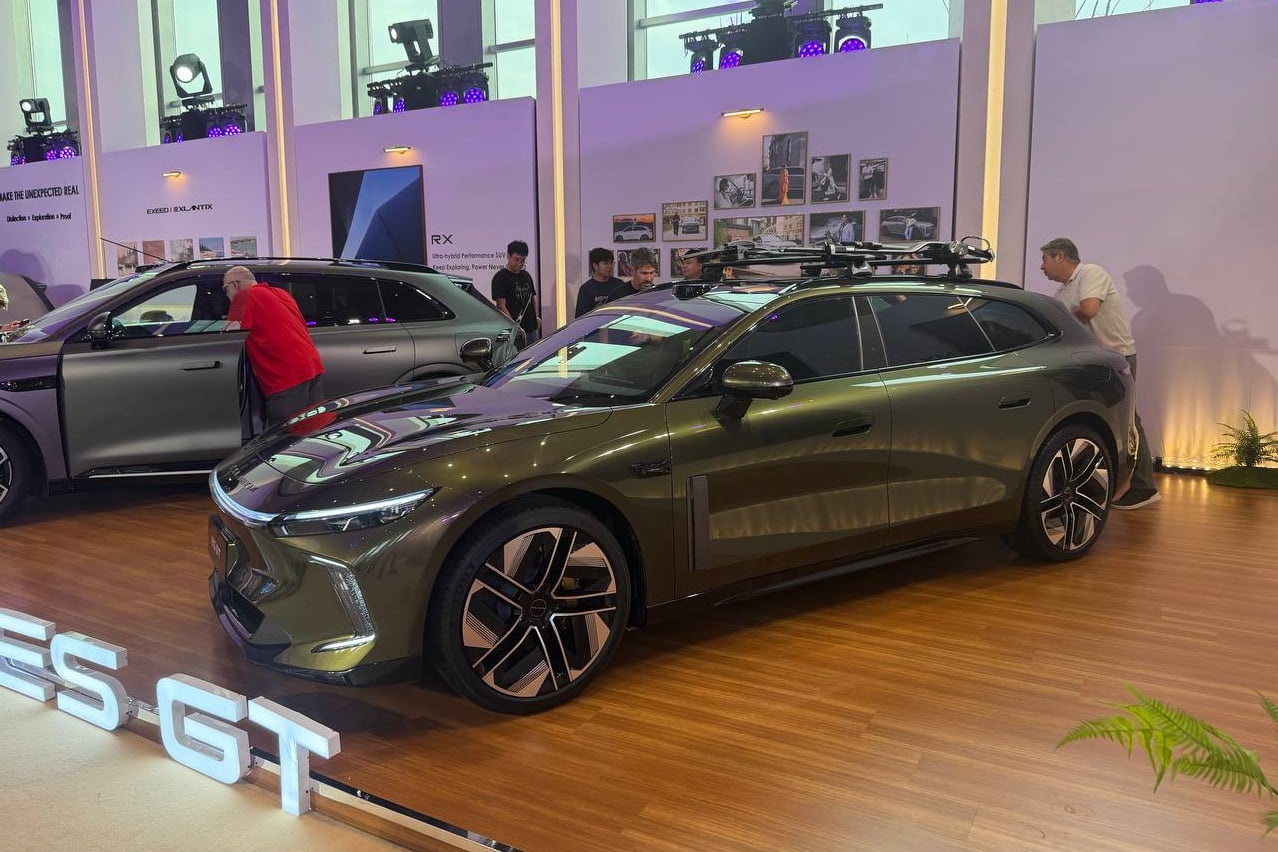
Chery's Exlantix-badged electric sedan makes its public debut ahead of a planned Australian launch in 2027
Chery's Exlantix-badged electric sedan makes its public debut ahead of a planned Australian launch in 2027, Image: CarExpert

Lepas sets the benchmark

Chery's next Australian brand launch is Lepas, whose L6 BEV Signature electric SUV is priced from $47,990 before on-road costs, with customer deliveries due to begin in November 2026. Lepas is positioned above Chery and Omoda Jaecoo on price, though not as high as luxury players such as BMW and Mercedes-Benz. The mid-size L6 has a 65kWh lithium iron phosphate battery and a claimed WLTP range of 440km. A plug-in hybrid version is scheduled to follow in 2027.
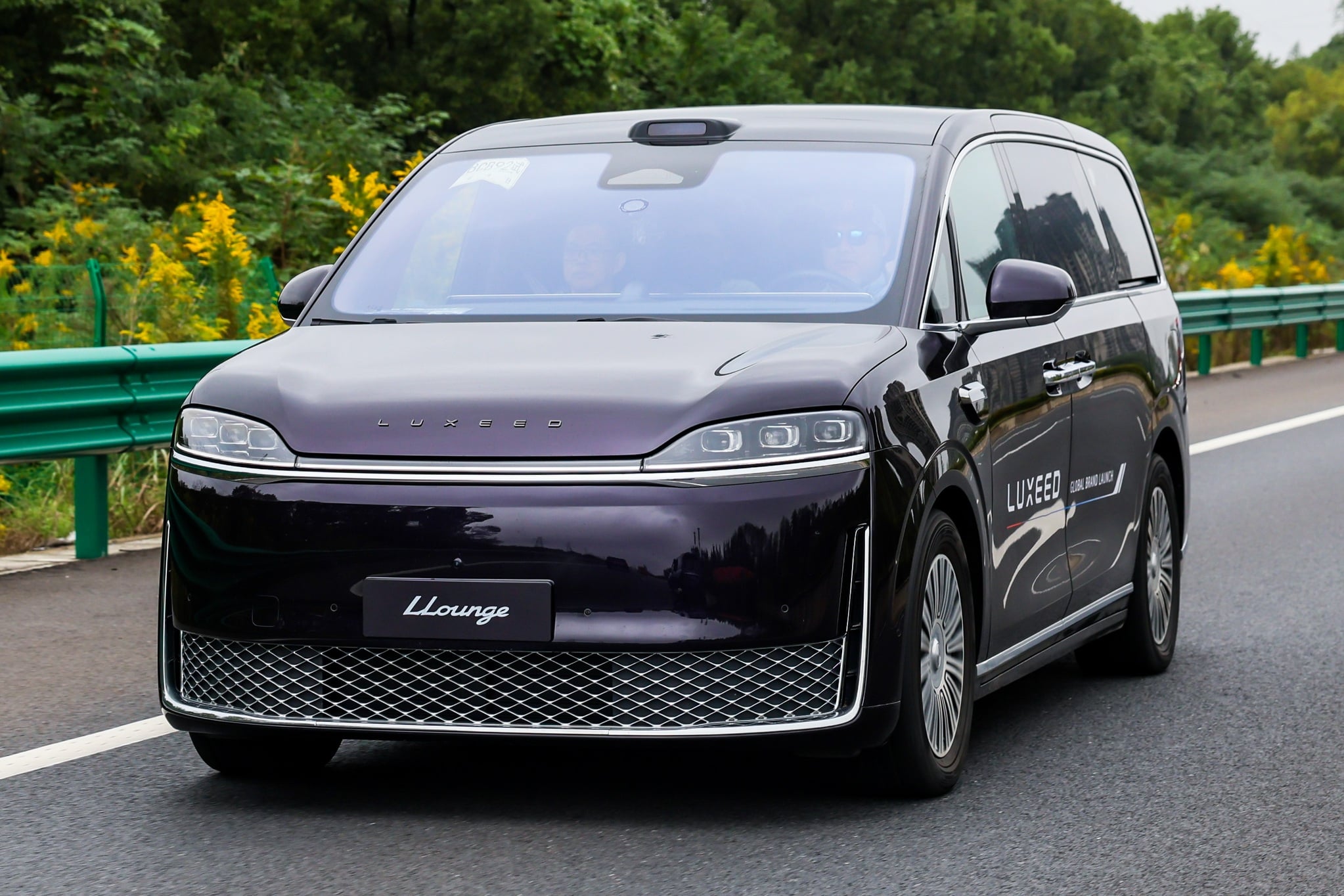
The Luxeed people mover, one of the models Chery plans to bring to Australia in 2027
The Luxeed people mover, one of the models Chery plans to bring to Australia in 2027, Image: CarExpert

Why Chery sees an opening

Chery International president Zhang Guibing said established premium brands are slow to adopt new technology, creating opportunities for Chinese newcomers. "Because I think now with car technology there are big changes. But too many of the international premium brands, I think they are changing from the technology side, their speed is still slow," he said. He added that many premium brands still keep internal combustion engines as the main powertrain, while high-level customers are more willing to try new technologies.

Zhang suggested that new premium brands can succeed if they offer something different, but warned that without genuine technological change, it will be very difficult to compete against established premium brands.
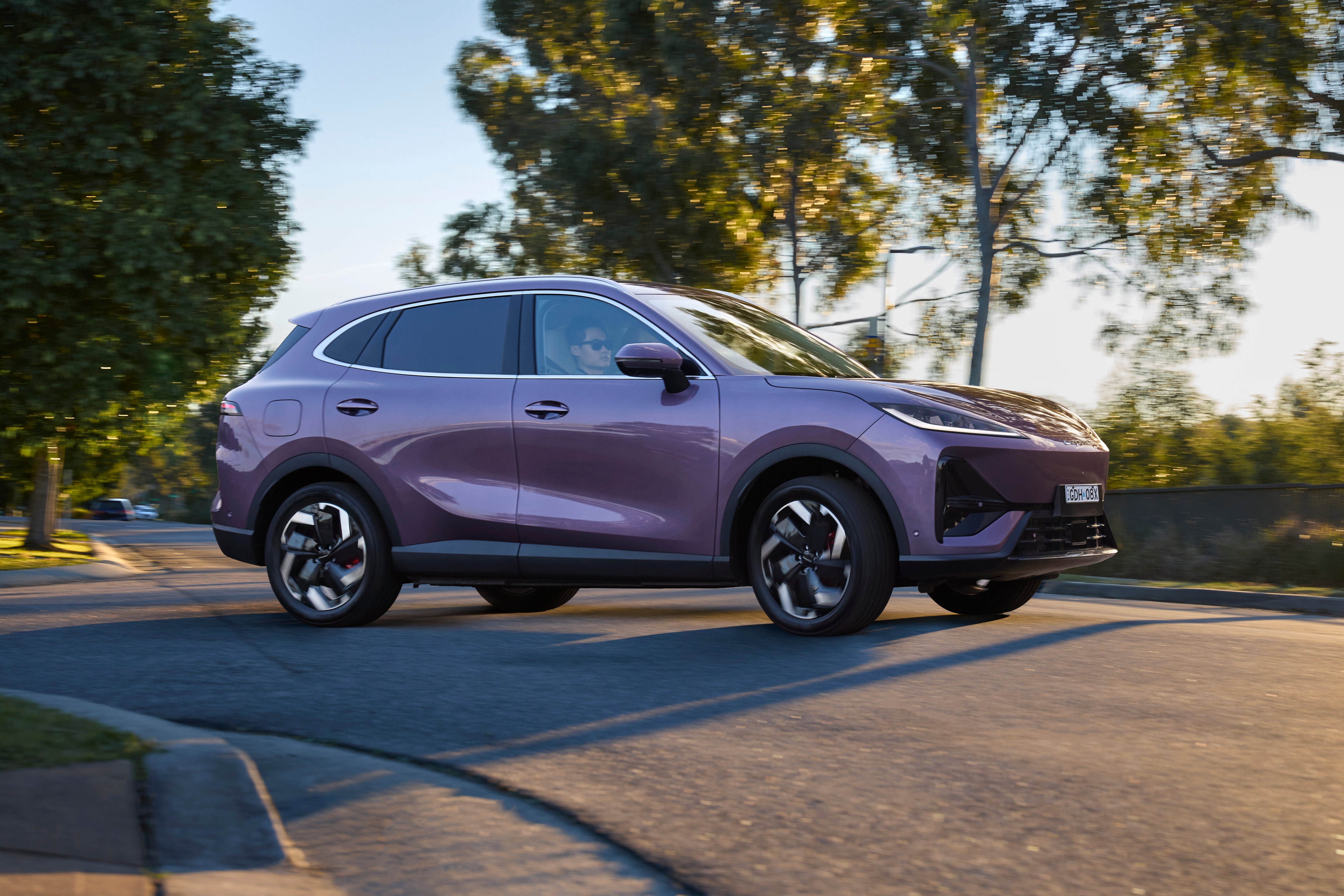
A Chery-badged SUV on the road, the kind of mainstream model the brand will build its Australian expansion on
A Chery-badged SUV on the road, the kind of mainstream model the brand will build its Australian expansion on, Image: CarExpert
Open this article ↗
Electric / TDCN ORIGINAL

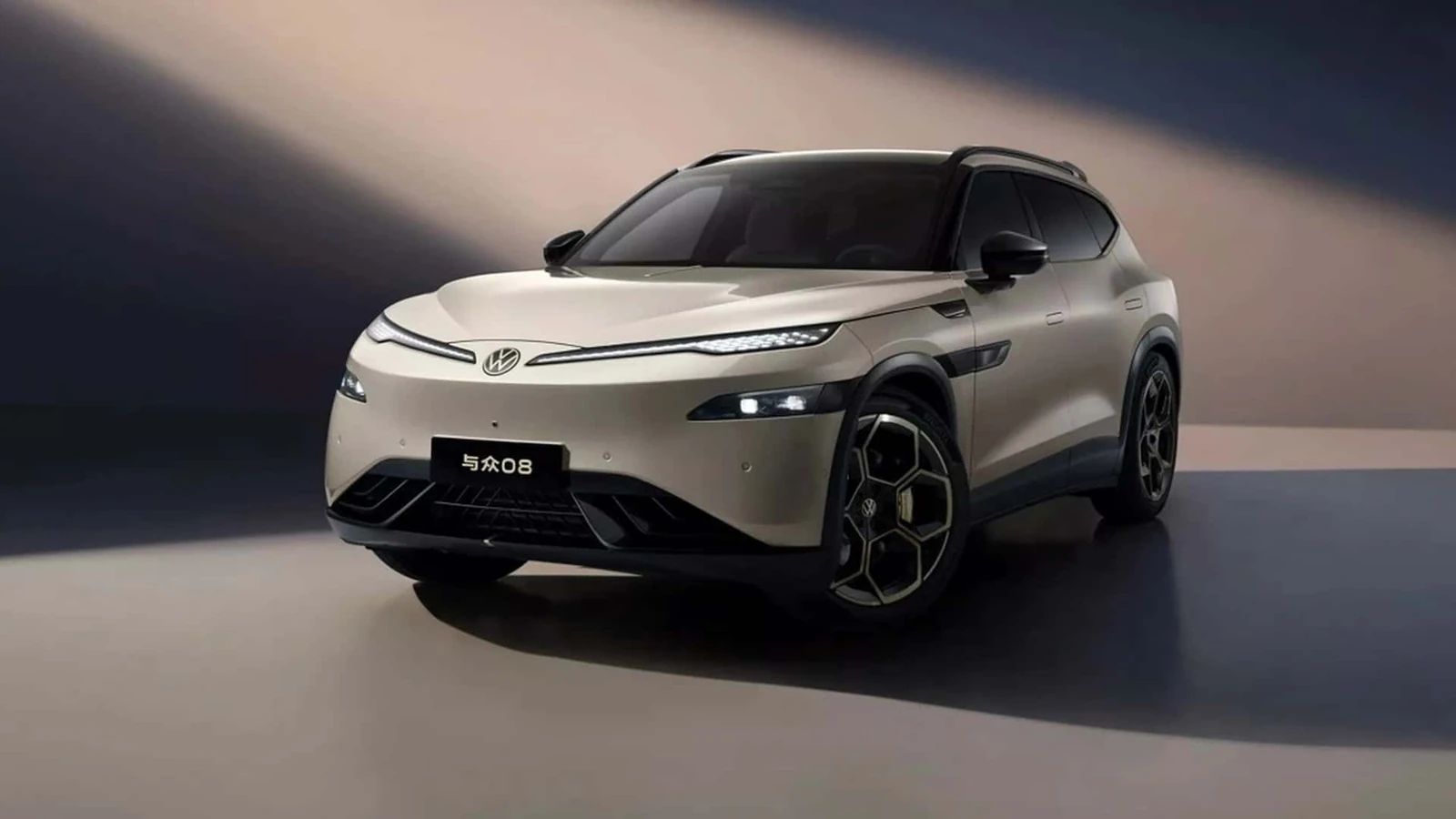
VW's Xpeng-built ID. Unyx 08 sells about 267 units a month in China

The co-developed midsize EV is running far below an internal target of 3,622 monthly sales, and VW is weighing selling the ID. Unyx line outside China.

Volkswagen's first car co-developed with Xpeng, the ID. Unyx 08, is selling at roughly 267 units a month in China, a fraction of the pace the company had planned. The midsize electric crossover has been on sale since April and is built at Volkswagen's Anhui plant.

Internal company documents seen by Reuters set an original target of about 3,622 units per month, and Volkswagen did not comment on those goals when the outlet contacted it. The figures, drawn from ThinkerCar data cited by Reuters and covering sales through August, land as VW tries to rebuild a China business that once sold a record 4.2 million vehicles a year there.

A G9 under the skin, priced against Xiaomi and Zeekr

The ID. Unyx 08 shares much of its mechanical basis with the Xpeng G9 and competes in China's premium crossover segment. Pricing starts at around $35,000, which reads as a bargain in Western terms but is ordinary for the Chinese market.

Its two closest rivals, the Xiaomi YU7 and Zeekr 7X, are slightly cheaper and easier to buy. The Xiaomi brings an advanced sensor package and tight integration with the company's consumer electronics, while the Zeekr 7X stands out for strong DC fast charging speeds.

Distribution may be doing as much damage as the product. The ID. Unyx is retailed only through dedicated Volkswagen ID. Unyx dealerships, whereas Xiaomi and Zeekr models sit in accessible stores found in nearly every higher-end mall in China. Volkswagen is working to expand its ID. Unyx dealer network, and it has cut the ID. Unyx 08's price to about $28,500.

Pedro Pacheco, vice president of research at Gartner, framed the problem for Reuters bluntly: Chinese customers ask why they should buy an expensive German car when they can get the technology much cheaper. That is the heart of it. Building a car quickly and cheaply gets a brand onto the market, but it does not make the car desirable next to local rivals that bundle software and charging advantages the ID. Unyx does not match.

The next Xpeng-based model has a bigger target

Volkswagen is pressing on with the Xpeng tie-up, which covers platform and software development and mirrors its Rivian partnership in the United States. The next model from the collaboration, the ID. Unyx 09 sedan, carries an even more aggressive internal goal of 4,900 units per month.

Whether the ID. Unyx models will be sold outside China has not been announced. Volkswagen is considering selling the Xpeng-based ID. Unyx cars in markets beyond China, but no export timetable, destination markets or pricing have been confirmed.

The stakes are visible in the numbers. Volkswagen Group's China sales fell from a record 4.2 million in 2019 to 2.69 million last year, as Chinese buyers moved en masse to EVs from homegrown brands. The ID. Unyx 08 was meant to be part of the answer, and at roughly 267 units a month it is not yet one.

Toyota shows the joint-venture route can work

The strategy itself is not doomed. Toyota's partnership with GAC has produced BZ models using GAC mechanicals and software, and the BZ3X crossover, which shares much of its design with the GAC Aion V, became China's best-selling joint-venture EV earlier this year with a record 10,000 sales in April alone.

The difference is execution rather than concept. Toyota's joint-venture EV found a price and a product mix Chinese buyers wanted. Volkswagen has the speed of development that the Xpeng deal bought it, but the ID. Unyx 08 suggests speed alone does not move metal when the competition is cheaper, better connected and easier to find in a showroom.

Open this article ↗

Keep scrolling to read the next story.

Older articles →