INDEPENDENT AUTOMOTIVE NEWSGLOBAL PERSPECTIVE / AUSTRALIAN EDITION
TDCNTHE DAILY
CAR NEWS.

The road ahead.
Every day.

RSS ↗
Latest/New cars

621 original articles

New cars / TDCN ORIGINAL

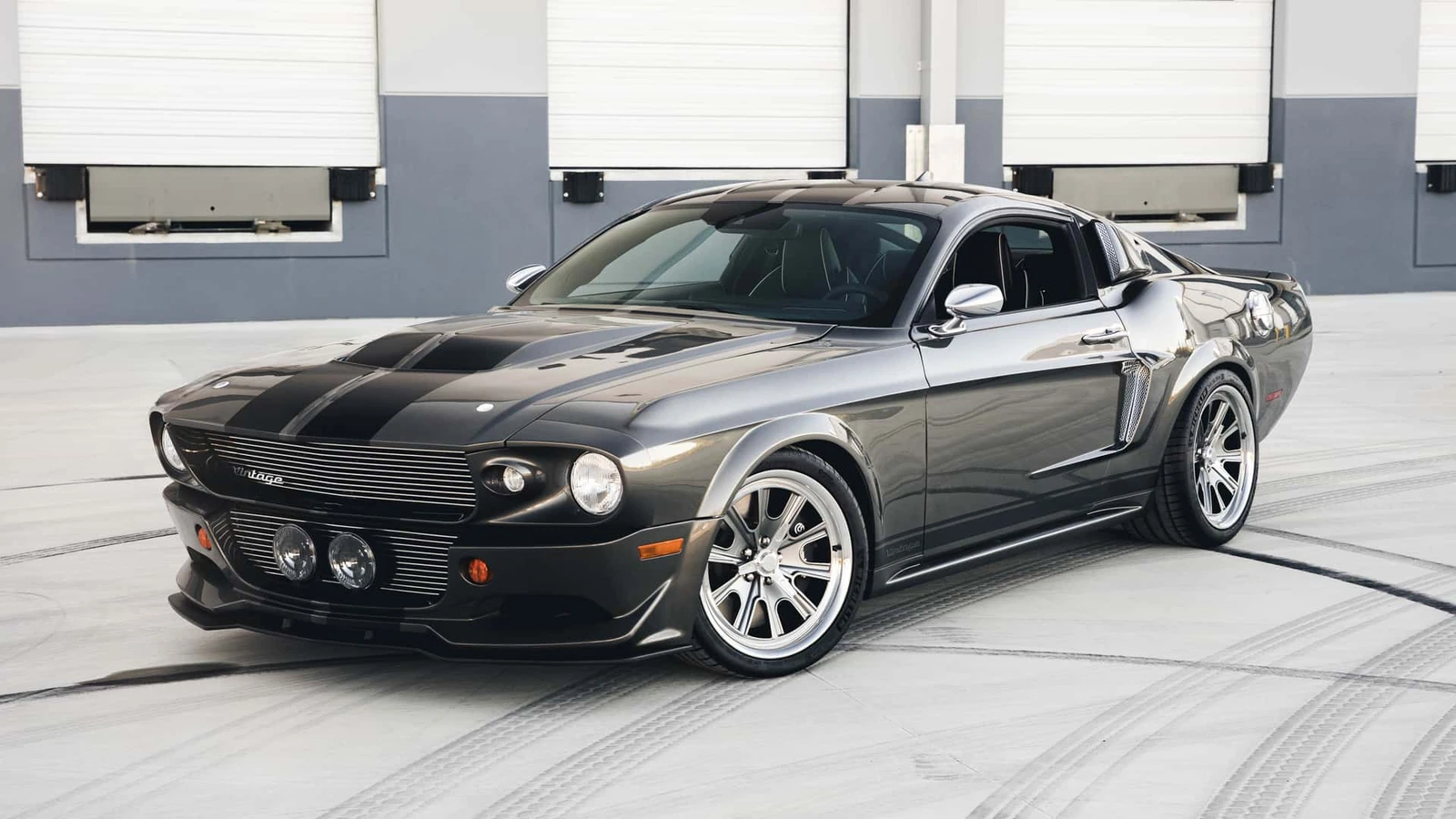
Vintage Modern reveals 840hp carbon-bodied Mustang Fastback tribute

Atlanta builder pairs an Eleanor-style carbon body with a current S650 Mustang chassis, offering up to 840hp from a supercharged 5.0-litre V8.

Image: Motor1

Vintage Modern has unveiled the Vintage Fastback, a carbon-bodied tribute to the Eleanor-style 1967 Shelby GT500 that is built on a current seventh-generation S650 Ford Mustang platform rather than a restored original chassis. The car made its debut at an invitation-only preview on November 18 before going public at Retromobile New York, which ran from November 19 to 22.

A modern Mustang under a classic silhouette

The Fastback is the Atlanta company's first non-truck build, following the Modern Classic truck that established its reputation. Founder and CEO Chau Nguyen said the car blends classic-inspired design with modern safety, technology and performance.

Each car begins as a hand-laid carbon-fibre body built in Detroit, then is assembled and finished at Vintage Modern's Atlanta facility, a process the company says takes more than 900 hours per vehicle. First-year output is expected to be around 100 cars.

Powertrain and performance

The standard engine is a 5.0-litre V8 producing 486 horsepower and 418 pound-feet of torque, matching the regular Coyote output in the current Mustang range. The optional 3.0-litre Whipple supercharger lifts output to 840 horsepower and 615 pound-feet of torque on 93-octane fuel.

Media reports cite a 0-to-60-mph estimate of roughly 2.8 to 2.9 seconds for the supercharged car, a figure supplied by Vintage Modern that has not been independently verified. US pricing is reportedly $295,000, well above any factory Mustang trim.

Buyers choose between a six-speed manual with rev matching or a 10-speed automatic with steering-wheel paddle shifters, the same gearbox setup Ford uses across the current Mustang lineup. The car runs MagneRide adaptive suspension and Brembo brakes, with an active-valve exhaust offering Quiet, Normal, Sport and Track modes and six drive modes: Normal, Sport, Slippery, Track, Drag Strip and Custom.

Safety testing and personalisation

Safety hardware includes eight airbags, crumple zones, side-impact beams, electronic stability control, traction control and anti-lock brakes. Vintage Modern says the Fastback will meet applicable Federal Motor Vehicle Safety Standards and will undergo physical crash testing, which separates it from typical low-volume restomods that skip federal testing.

Owners commission their cars personally, choosing from more than 40 standard paint colours plus paint-to-sample finishes and stripe options, along with interior and performance configurations. Interior choices include pleated, diamond-quilted or woven seating, with leather, Alcantara and billet-aluminium trim.

The Fastback's pitch rests on combining a recognised silhouette with a factory-fresh chassis and a crash-test commitment. That matters for buyers who want restomod looks without the safety and refinement compromises of a restored original.
Open this article ↗
Industry / TDCN ORIGINAL

Alpitronic to build $33.94m fast charger plant in South Carolina

The Italian company's Fort Mill facility will assemble its 400 kW and 1,000 kW DC fast chargers and is due to start production in early 2027.

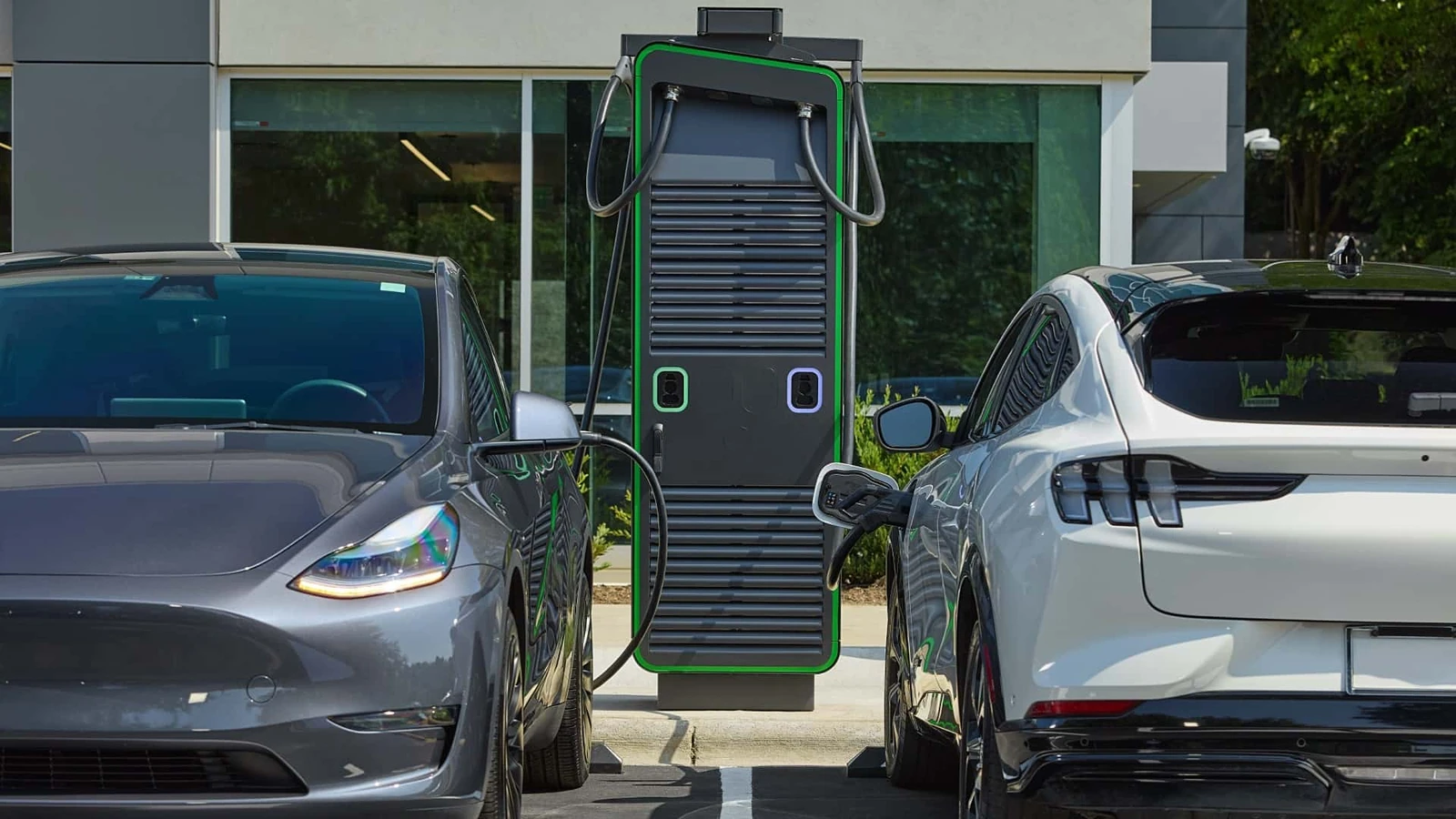
Alpitronic is building a $33.94 million factory in Fort Mill, South Carolina, to assemble its 400-kilowatt and 1,000-kilowatt DC fast chargers for the U.S. market. The Italian charging equipment maker says production at the 173,315-square-foot site is scheduled to begin in early 2027, with the plant due to go online in February of that year.

What the Fort Mill plant will do

The facility will assemble the HYC400 and HYC1000 stalls, the hardware used by operators including Ionna, Walmart, Mercedes-Benz and BP Pulse. Beyond assembly, Alpitronic says the site will serve as a testing lab, repair centre, logistics hub and warehouse, and it is expected to create 70 jobs.

Alpitronic will put $33.94 million into the project, with $200,000 coming from York County's Coordinating Council for Economic Development as a Set-Aside grant toward building improvements. The company's North American headquarters is in Charlotte, North Carolina, while its global base is in Bolzano, Italy.

Alpitronic has not announced how many chargers the Fort Mill plant will produce each year. The company has only said the facility will boost output of its 400 kW and 1,000 kW stalls.

The hardware and why efficiency matters

The HYC400 is an all-in-one dispenser that can deliver up to 400 kW to a single connected EV without a separate power cabinet, and it is the current charger of choice for Ionna and Walmart. The HYC1000 pairs a 1,000 kW power cabinet with up to four stalls, each able to deliver up to 600 kW to a single EV, with two ports per stall and dynamic allocation of power between vehicles.

Alpitronic says its use of silicon carbide components sets its dispensers apart from most competitors, lowering energy losses and, by extension, what drivers pay for a top-up. The company claims SiC modules enable 97.5% efficiency and allow for smaller, quieter and cooler stalls.

That efficiency claim is a manufacturer figure rather than an independently measured result, but it points at where charging operators feel the difference: less energy lost in conversion means more of what a site pays for reaches the car, which feeds directly into the price of a fast-charging session.

A U.S. footprint that is still taking shape

The South Carolina announcement follows Alpitronic's first local manufacturing facility, opened in Wisconsin in 2024. Patrik Herrnegger, CEO of Alpitronic Americas, said North America is central to the company's next phase of growth and that Fort Mill will put U.S. production under its direct control, bringing it closer to customers.

Alpitronic's stalls are a common sight in Europe, and its U.S. presence has so far been built on imported hardware sold to network operators. Local assembly shortens the supply line to those operators and gives Alpitronic a repair and logistics base on the same continent as its customers, which matters for uptime as much as for unit cost.

The plant is not the only U.S. charging factory in play, and its early-2027 timing means Alpitronic will be assembling chargers in America roughly three years after its Wisconsin site opened. For drivers, the practical effect depends on how quickly operators such as Ionna and Walmart expand their networks with the hardware it builds.

Open this article ↗

Keep scrolling to read the next story.

Older articles →