INDEPENDENT AUTOMOTIVE NEWSGLOBAL PERSPECTIVE / AUSTRALIAN EDITION
TDCNTHE DAILY
CAR NEWS.

The road ahead.
Every day.

RSS ↗
Latest/Electric

621 original articles

Electric / TDCN ORIGINAL

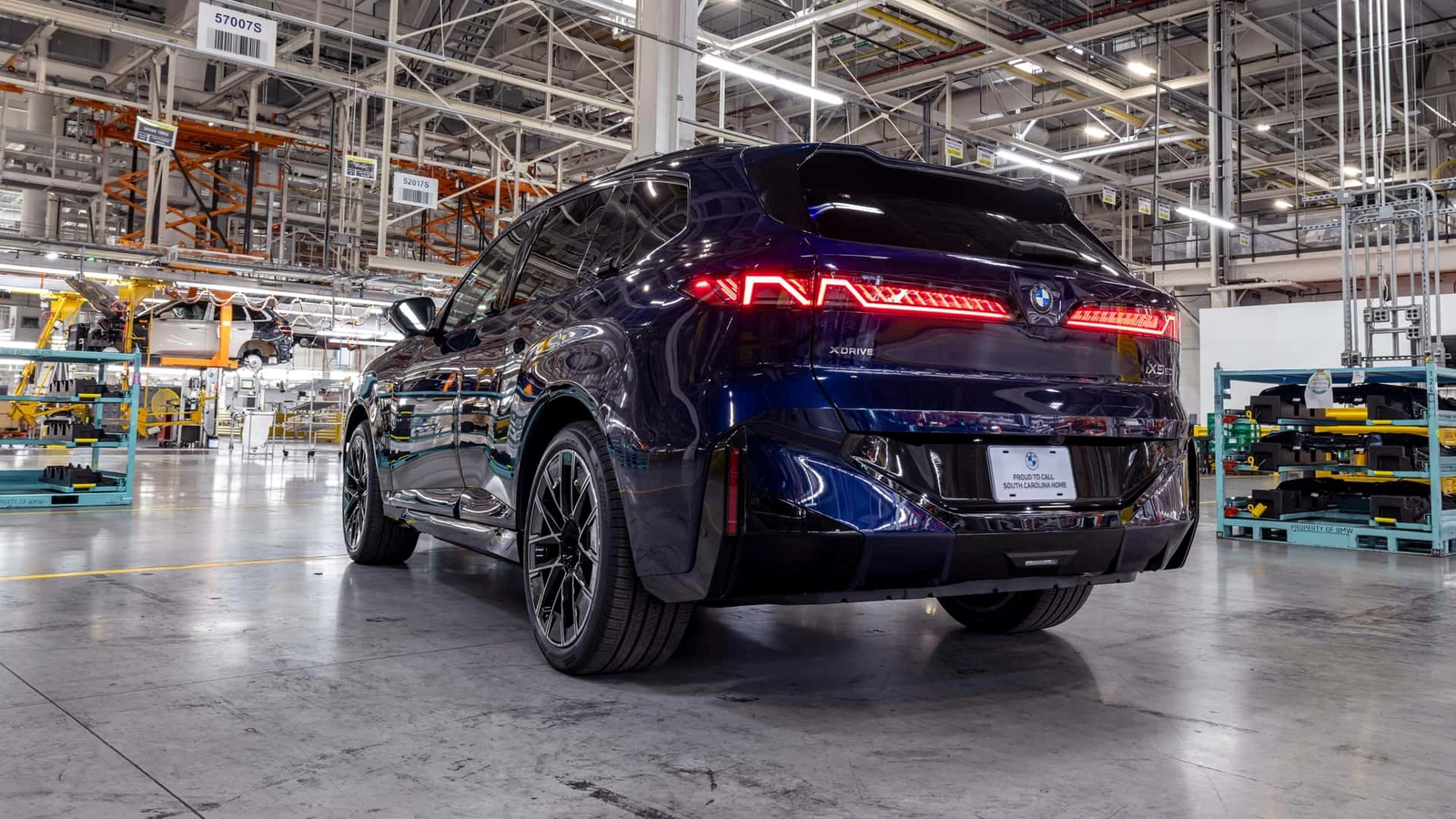
BMW begins US assembly of iX5 electric SUV in South Carolina

The first US-built BMW EV is rolling off the Spartanburg line at around 70 units a day, with five more American-built EVs planned by 2030.

BMW has started series production of the iX5 electric SUV at its Spartanburg plant in South Carolina, the first mass-produced EV the company has built in the United States. Around 70 iX5s are being assembled each day alongside petrol, diesel and hybrid X5s, which share the same architecture and therefore the same line.

Production targets and the electric share of X5 output

BMW originally aimed to build at least 100,000 iX5s at Spartanburg in 2027, but that target has reportedly been cut to 60,000, according to Automotive News. BMW has not published its own volume estimate for the model; a company representative said roughly one in four X5s would be electric in the near term.

"Currently, the market is looking like 20-25 percent EVs for the immediate three months," said Kavit Antani, general manager of vehicle assembly. "As the market sees these vehicles come through, it might shift".

Suppliers have reportedly been given a target of 175,000 EVs for 2028 and 2029, a figure that could move again given the swings in the US electric car market over the past two years. The gap between the original 2027 plan and the revised number is the clearest signal yet that BMW is matching output to demand rather than to a fixed rollout schedule.

Battery supply starts in Woodruff

The packs for the iX5 come from a new BMW plant 15 miles away in Woodruff, South Carolina, where the first mass-produced packs began reaching Spartanburg for fitting to finished chassis earlier this week.

The first Gen6 cylindrical cells in completed packs will be sourced from AESC in China, BMW confirmed to Automotive News, with a supplier switch planned toward the end of the decade. LG Energy Solution will supply BMW's US facilities with locally made cells, while Samsung SDI will supply its European factories.

iX5 specifications and price

The 2027 iX5 uses a 144-kilowatt-hour battery that can charge from 10% to 80% in 22 minutes. BMW estimates range at 450 miles, and the dual-motor powertrain produces 570 horsepower and 594 pound-feet of torque. Pricing starts at $79,800.

BMW has not stated which test cycle the 450-mile figure comes from, so it should be treated as a manufacturer estimate rather than a directly comparable EPA or WLTP result. On paper the combination of a 144 kWh pack and 570 hp puts the iX5 in the same conversation as the largest electric SUVs on sale, at a price below six figures.

Five more US-built EVs to follow

BMW says it is not backing away from plans to build six EVs in America by 2030. The iX5 is the first, and it will likely be followed by the iX7, iX6 and a performance-oriented iX5 M, according to BMW Blog. Those model names come from a single outlet's reporting and have not been confirmed by BMW.

Building EVs on the same line as combustion and hybrid X5s lets BMW adjust the mix as demand moves, which is the practical advantage behind the shared architecture. It also means the electric share of Spartanburg output can rise or fall without a dedicated line sitting idle.
Open this article ↗
New cars / TDCN ORIGINAL

Mercedes-Benz given December 1 deadline to answer US House China Committee questions

Lawmakers want documents and a meeting with Mercedes-Benz North America CEO Jason Hoff over Chinese shareholders, tech sharing and Chinese-made parts.

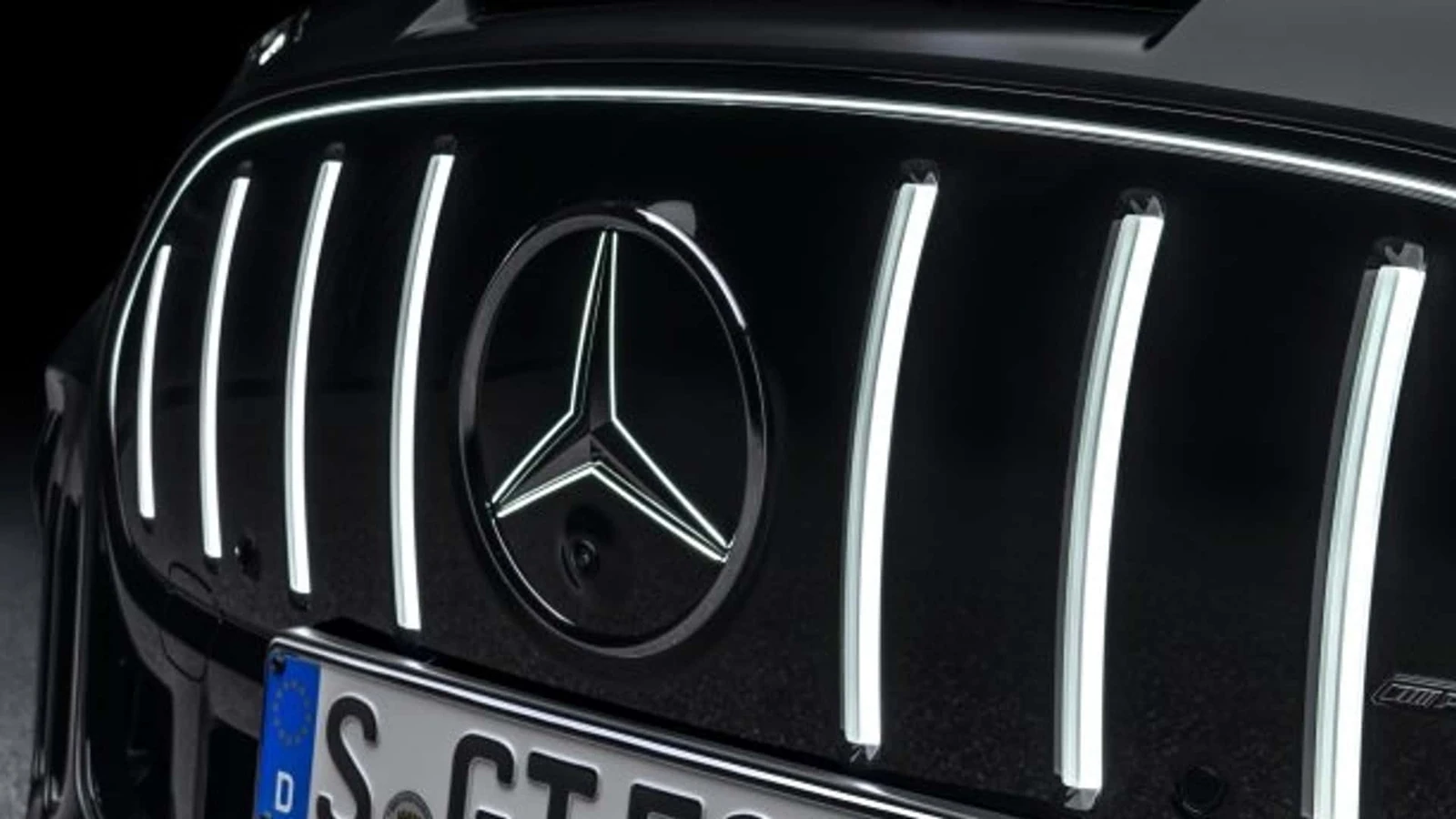
Image: Motor1

Mercedes-Benz has until December 1 to answer roughly two dozen questions from the US House Select Committee on China about its Chinese shareholders, technology partnerships and the Chinese-made components in vehicles sold in the United States. The bipartisan request was sent on November 17 by Republican chair John Moolenaar and top Democrat Ro Khanna, who also asked for documents and a meeting with Mercedes-Benz North America CEO Jason Hoff.

The automaker said it had received the letter and would cooperate, and maintained that it operates independently under its management board, noting that "our shareholders have no management board seats and no management authority".

What the committee is asking for

The letter sets out specific categories of information. Lawmakers want to know whether Beijing could influence strategic decisions, how technology sharing arrangements work, and how much access Chinese parties have to Mercedes-Benz research and development.

They also asked for details on Chinese-made components used in vehicles built or sold in the US, and on any dealings between the automaker and Chinese government officials. Mercedes-Benz was told to preserve relevant documents and electronic communications ahead of the deadline.

The committee framed the stakes bluntly, writing that "this ownership concern is compounded both by the specific nature of the shareholders, as well as the operational influence they appear to exert over your company".

The ownership behind the scrutiny

Chinese investors hold close to 10 percent of Mercedes-Benz through state-owned Beijing Automotive Group, while Geely chairman Li Shufu holds nearly 10 percent through his own stake. The committee treats those twin holdings as a significant national security concern.

That scrutiny feeds a wider legislative push. The Senate Commerce Committee approved a bill in July that would bar companies with more than 15 percent Chinese ownership from selling vehicles in the US, a threshold Mercedes-Benz currently crosses.

Mercedes-Benz looks likely to escape a ban under the Senate's current language. Republican Senator Bernie Moreno has said he expects the final bill to include an exemption, which is why the automaker keeps surfacing in this debate despite its dual ownership; Moreno said similar protection is being discussed for Volvo Cars, which Geely majority owns.

The December 1 deadline is the near-term pivot. If lawmakers are unsatisfied with the answers, they can tighten the draft ban, which would raise compliance costs for Mercedes-Benz and shape which Chinese-built parts end up in US-market cars and trucks.

A wider Washington backdrop

The request sits against a broader set of US restrictions. A Biden-era rule from early 2025 already bars Chinese automakers from selling or building passenger vehicles in the US over concerns about driver data reaching China, and Washington keeps tariffs above 100 percent on Chinese EVs.

The committee's questions cover Mercedes-Benz's Chinese shareholders, its technology partnerships and the Chinese-made parts in US-market vehicles. The sources do not name individual Mercedes-Benz models or variants as being affected, so which specific cars the inquiry touches has not been announced.

Open this article ↗

Keep scrolling to read the next story.

Older articles →