INDEPENDENT AUTOMOTIVE NEWSGLOBAL PERSPECTIVE / AUSTRALIAN EDITION
TDCNTHE DAILY
CAR NEWS.

The road ahead.
Every day.

RSS ↗
Latest/Australia

621 original articles

Australia / TDCN ORIGINAL

Ford Australia says Bronco EREV will take emissions pressure off Mustang pricing

Ford's marketing director says a broader electrified lineup will spread the CO2 burden, as the $138,888 Mustang Dark Horse T8-Spec Pack arrives in showrooms.

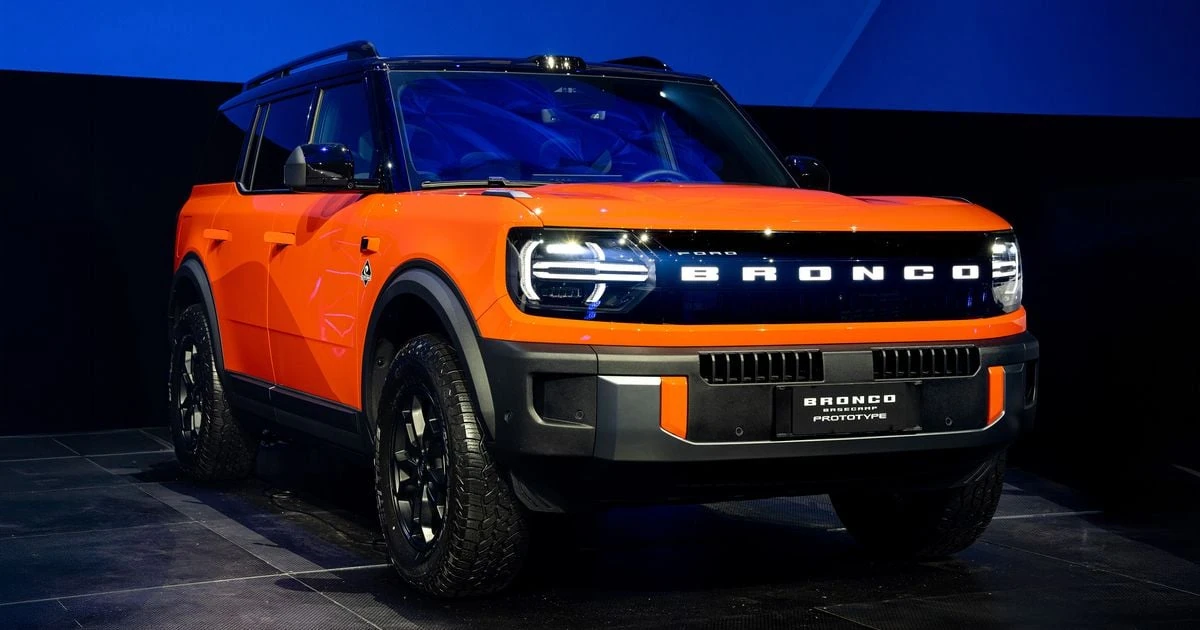
Ford Australia expects the Bronco Basecamp's mid-2027 arrival to relieve the emissions-driven pricing pressure that has pushed the Mustang to new heights, with the most expensive Mustang yet offered locally, the 2026 Dark Horse T8-Spec Pack, reaching showrooms this month at $138,888 before on-road costs.

The company's marketing director, Ambrose Henderson, said the extended-range electric Bronco will help spread the CO2 burden across the brand's lineup, reducing the need for the Mustang to carry that load alone.

The T8-Spec Pack and the emissions math

Ford has said the T8-Spec Pack's price factors in the New Vehicle Efficiency Standard, the emissions laws it previously blamed for a $5000 increase across the Mustang range in 2025, the year the standard was introduced. The same rules played a role in a mid-2025 price rise for the Ranger ute, Australia's top-selling vehicle. Most T8-Spec Pack cars are already sold ahead of first customer deliveries.

NVES measures average carbon dioxide emissions across each automaker's covered fleet against its targets. Brands that exceed their targets can face penalties, which they can avoid or reduce using credits carried forward or bought from automakers below their targets, such as electric-only brands Tesla and Polestar. Toyota, Mazda and Ram are among the brands that have warned showroom prices will inevitably rise as penalties are passed to customers.

Ford Australia beat its 2025 NVES targets and generated credits it can carry into future reporting periods, with the next results due in February 2027. That gives the brand room to absorb emissions costs rather than loading them onto individual models, which is the logic behind pointing to a wider electrified portfolio rather than a single hero car.

Mustang pricing sits at the heart of Ford Australia's emissions strategy.
Mustang pricing sits at the heart of Ford Australia's emissions strategy., Image: CarExpert

What Henderson said about pricing

Henderson framed NVES as one input among many, citing global exchange rates and commodity prices alongside the emissions rules. "Clearly, NVES has an impact on this product. We're not shying away from that, but we have a broader portfolio strategy of how we're going to address NVES," he said at the T8-Spec Pack media launch.

That strategy includes the Bronco Basecamp, scheduled for Australia in mid-2027 with an extended-range electric powertrain. It was announced alongside the electric Transit City one-tonne commercial van, due in showrooms this month, and joins the existing Mustang Mach-E electric SUV in Ford's local electrified lineup.

The catch for buyers is timing. The Bronco does not land until mid-2027, so it cannot soften the Mustang's emissions arithmetic in the near term, and the T8-Spec Pack's price is already set. Ford's credit surplus from beating its 2025 targets is what bridges the gap until then.
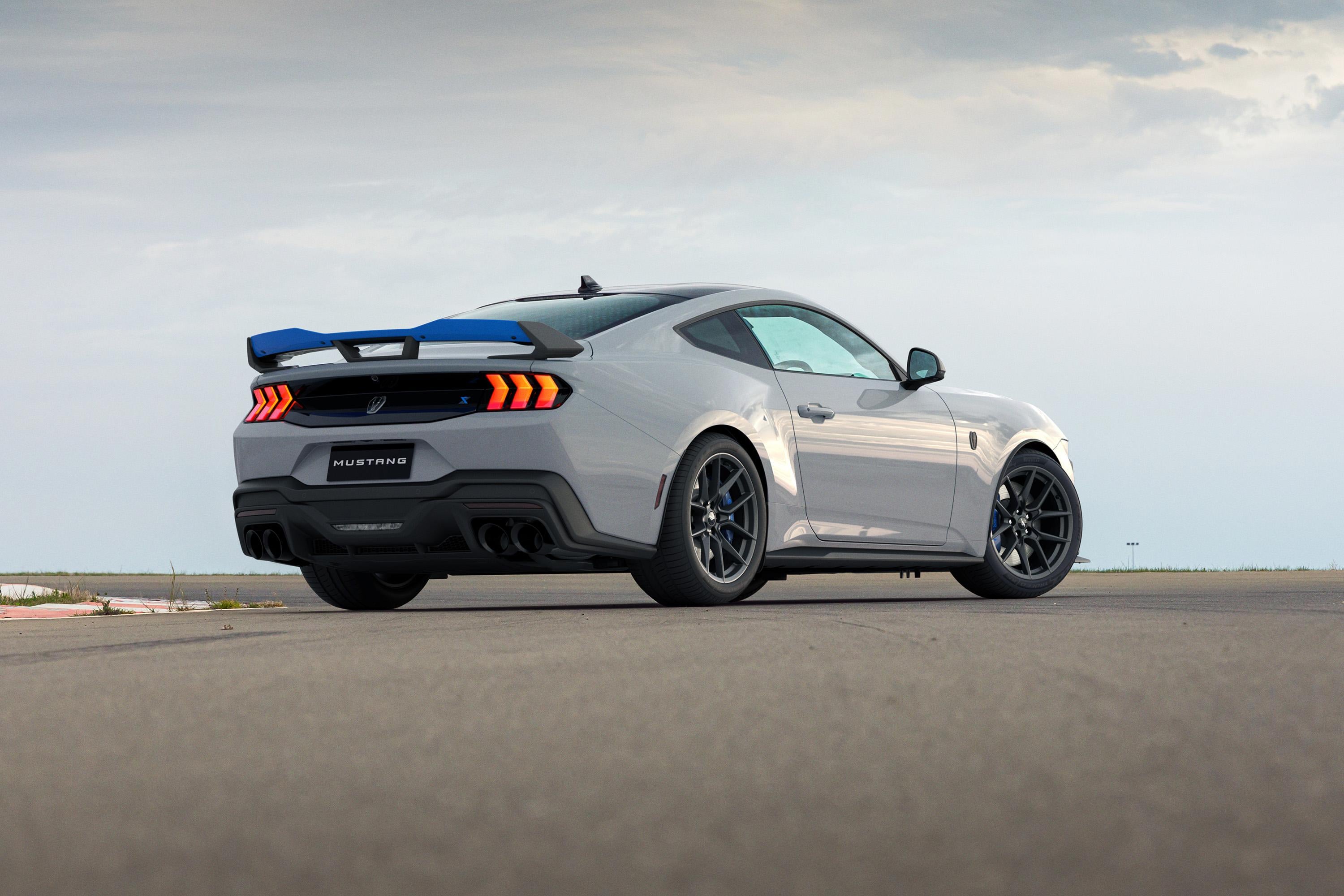
The Mustang remains the model whose pricing could shift under emissions pressure.
The Mustang remains the model whose pricing could shift under emissions pressure., Image: CarExpert

What Ford has not announced

Ford has not published Australian pricing for the Bronco Basecamp, so whether it undercuts or exceeds the Mustang's positioning is not yet known. Nor has the company detailed the EREV's battery size, electric-only range or combined range figure, or which test cycle those numbers will be quoted on.

How much the Bronco's arrival actually lowers Mustang prices is also unquantified. Ford has said only that a broader electrified lineup reduces the need to raise the Mustang's price, not that the sports car will get cheaper. The next NVES results, due February 2027, will be the first clear test of whether the strategy holds.
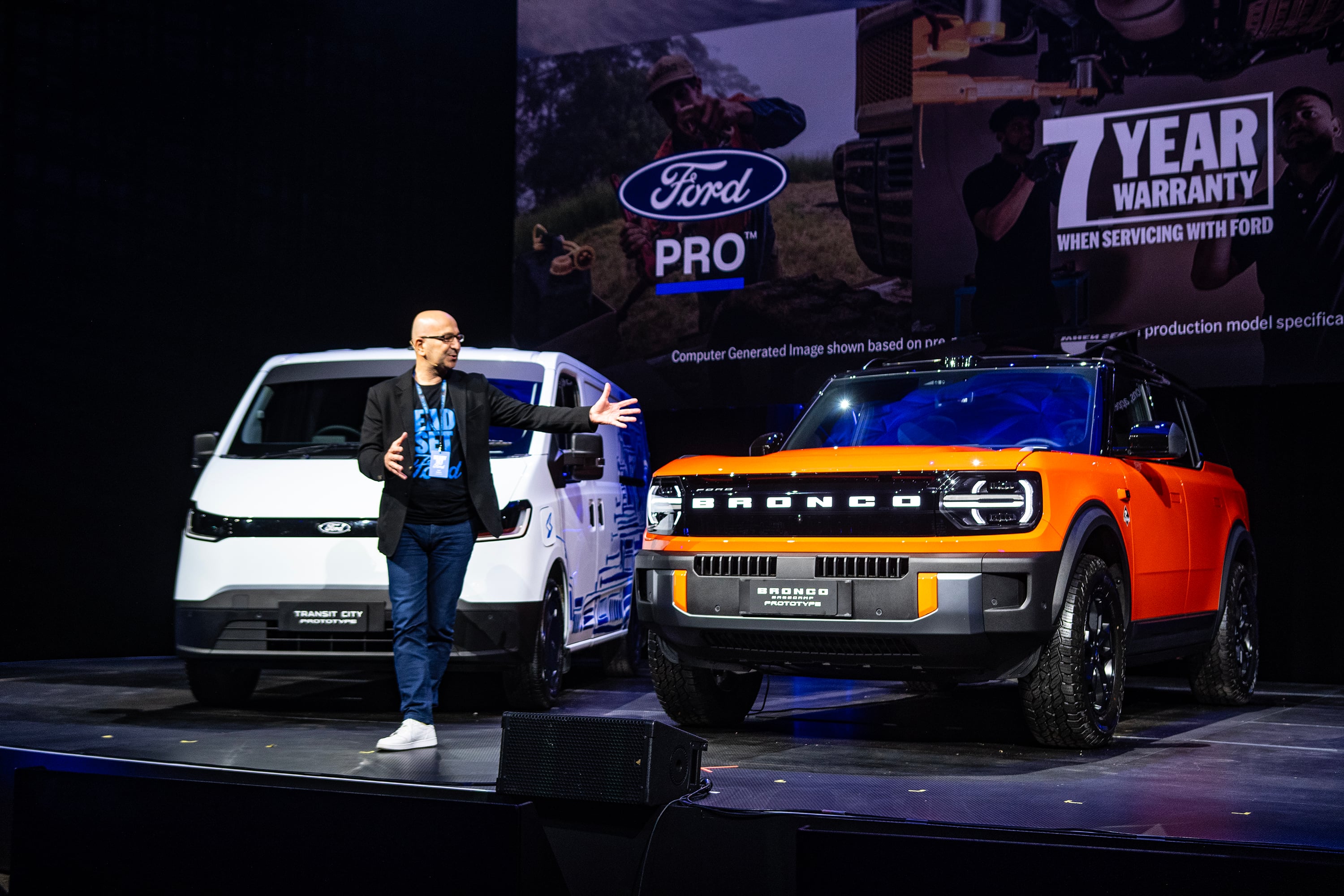
Ford's Bronco EREV messaging was front and centre at the brand's presentation.
Ford's Bronco EREV messaging was front and centre at the brand's presentation., Image: CarExpert
Open this article ↗
Electric / TDCN ORIGINAL

GM adds Electrify America to Energy Pass Plug and Charge

Chevrolet, GMC and Cadillac EV drivers can now start a charge at Electrify America's CCS sites by plugging in, with NACS vehicles due in early 2027.

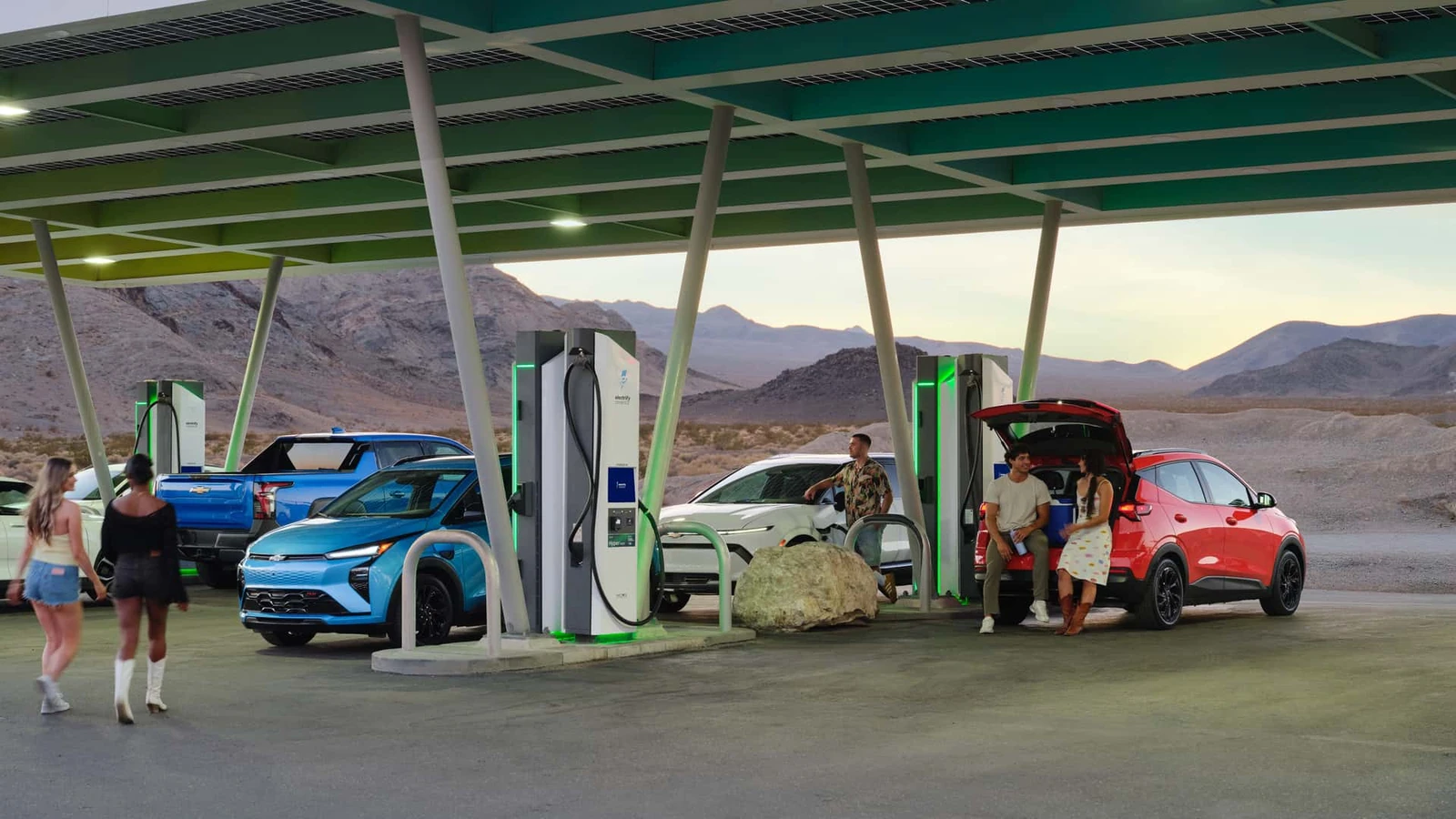
General Motors has extended Plug and Charge support to Electrify America, letting Chevrolet, GMC and Cadillac EV owners start a charging session at the network by simply plugging in. The addition brings Electrify America's 6,200 chargers, capable of speeds up to 350 kW, into GM's Energy Pass system.

The capability applies to CCS-equipped GM electric vehicles, with NACS-equipped models to follow in early 2027. GM says power should begin flowing within about 45 seconds of plugging in on average.

How the Energy Pass setup works

Drivers need to be registered with GM's Energy Pass inside the MyChevrolet, MyGMC or MyCadillac app. The pass links the vehicle to a default payment method, so the charger can start the session and bill the driver directly without a third-party app or on-screen menus.

The Energy Pass section of those apps also shows past charging history and lets drivers locate and navigate to stations. Participation is optional: owners who prefer not to use it can still start charges through the individual network apps.

Electrify America president and CEO Robert Barrosa framed the change around convenience, saying it "removes friction from the charging experience and lets customers focus on what matters: plugging in, charging, and getting back on the road".

Where GM's Plug and Charge already works

GM first announced Plug and Charge support in 2022, beginning with EVGo. The Energy Pass now covers ChargePoint, Ionna and EVGo alongside Electrify America.

Tesla Supercharger Plug and Charge was announced in summer 2026 but has not yet arrived in the Energy Pass app; it is expected in 2027.

The practical effect is that GM's largest EVs, models such as the Chevrolet Silverado EV and Cadillac Escalade IQ, can take advantage of Electrify America's fastest hardware. Those vehicles advertise their charging times when connected to ultra-fast chargers, so access to 350 kW sites is the difference between a headline figure and one a driver can actually reach on a road trip.

Charging ease has become a selling point in its own right. Automakers have argued that adoption depends not just on how many plugs exist or whether they work, but on how painless the whole stop feels, and removing app-switching is one of the few levers a manufacturer controls directly.

What is still missing

The rollout covers CCS vehicles first, which leaves newer GM models on the NACS standard waiting until early 2027 for the same one-step experience at Electrify America. GM has not said whether the 45-second average applies across all four networks or only to Electrify America.

Open this article ↗

Keep scrolling to read the next story.

Older articles →