INDEPENDENT AUTOMOTIVE NEWSGLOBAL PERSPECTIVE / AUSTRALIAN EDITION
TDCNTHE DAILY
CAR NEWS.

The road ahead.
Every day.

RSS ↗
Latest/Electric

621 original articles

Electric / TDCN ORIGINAL

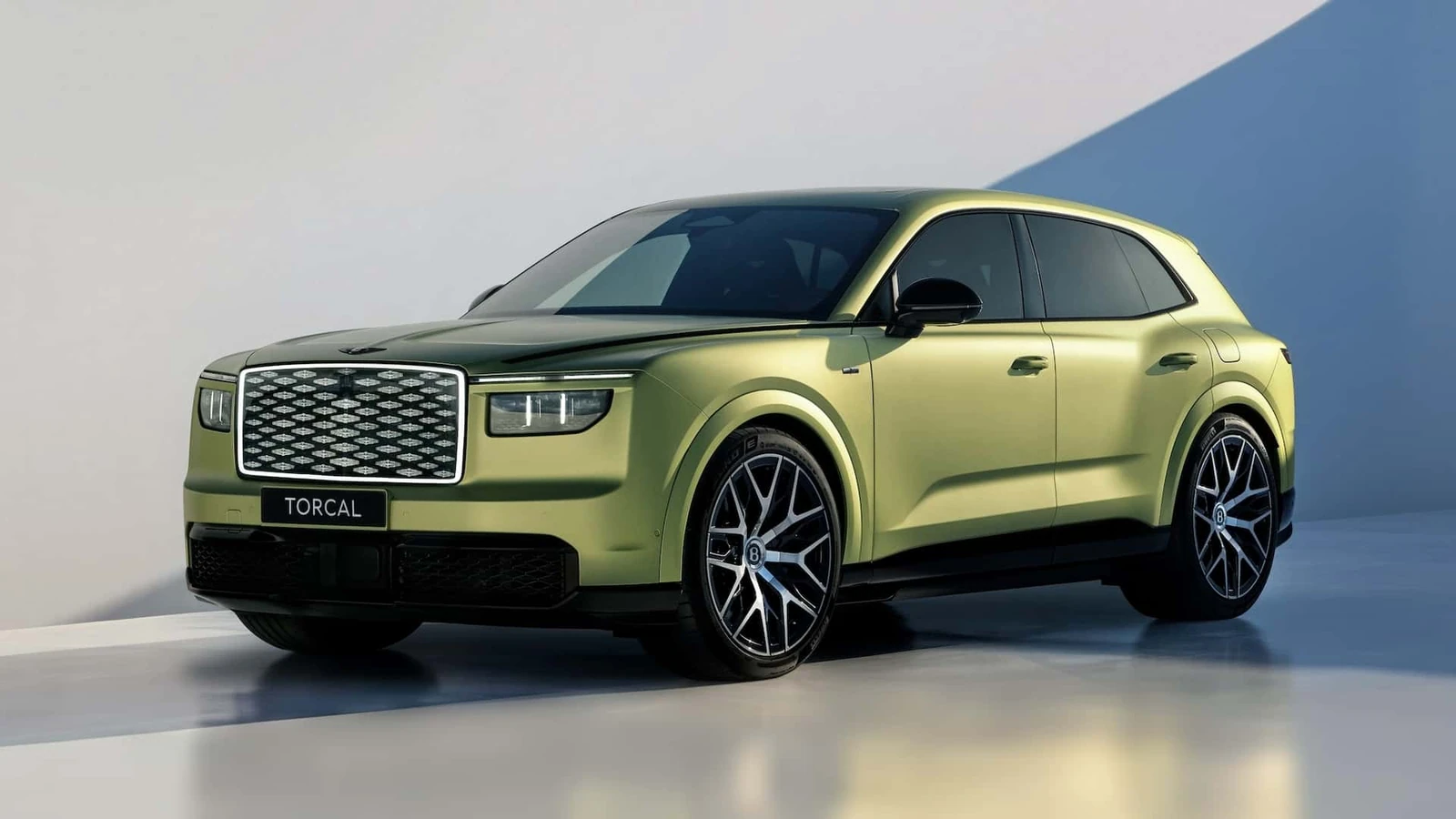
Bentley's first EV, the Torcal, is sold out for 2027 before production begins

Order books for the electric SUV have moved on to 2028 deliveries, though Bentley has not said how many it will build next year.

Bentley's first electric vehicle, the Torcal SUV, is sold out for 2027 even though production has not started, with customers ordering now facing delivery in 2028. All available production slots for next year have been allocated, according to comments from Bentley chief executive Frank-Steffen Walliser quoted by Automotive News.

The British marque has not disclosed how many Torcals it plans to build in 2027, so the size of that first-year allocation remains unannounced. A company spokesperson told Automotive News the brand is "very pleased with the response and position we're in".

Pricing spans three versions, with the S proving the favourite

In the US the Torcal starts at $222,495, rising to $262,695 for the more powerful Torcal S and $300,995 for the Torcal First Edition. The S is the most popular variant so far, and buyers are spending well beyond the base figures: Walliser said cars are being specified north of £300,000 ($397,086).

That appetite for expensive options is notable because some observers had questioned whether EV buyers would keep paying for personalisation. Walliser's answer was blunt: "Individual content does not stop in case of an electric car".

The Torcal undercuts Bentley's existing line-up, with the Bentayga from $231,150, the Flying Spur from $254,850 and the Continental GT from $288,750. Walliser said the smaller footprint and lower price relative to the Bentayga have drawn new and younger customers to the brand.

Cayenne-related underpinnings and 876 hp in the S

The Torcal uses the same Premium Platform Electric architecture as the electric Porsche Cayenne. It carries a 113-kilowatt-hour battery capable of charging at up to 400 kilowatts, taking a 10% to 80% top-up in under 20 minutes, and Bentley estimates EPA range above 300 miles.

Output is 810 horsepower and 881 pound-feet of torque in the standard Torcal, and 876 hp and 996 lb-ft in the S. At its September debut Bentley described the model as the most powerful and quietest car to come out of its Crewe factory.

Bringing it to market was not cheap: Bentley put $463 million into upgrading the English plant, plus at least a matching sum for supply chain preparation and research and development, according to Walliser.

A bright spot in a difficult sales year

The early demand arrives at a useful moment. Bentley sold 5,970 cars globally from January through September, 17% down on the same period a year earlier, while profit fell by more than half to $54.1 million across those nine months.

Bentley is not abandoning combustion or plug-in hybrid power, and the Bentayga stays in the range. "We have a very good combination with Torcal and Bentayga," Walliser said. "The segment definitely has space for two cars".

For buyers, the practical consequence is a longer wait than the launch timing might suggest: a Torcal ordered today is a 2028 car, and the S, the version most customers want, is the one driving that queue. Bentley has confirmed demand, not volume, so the number behind the sell-out stays unknown for now.
Open this article ↗
New cars / TDCN ORIGINAL

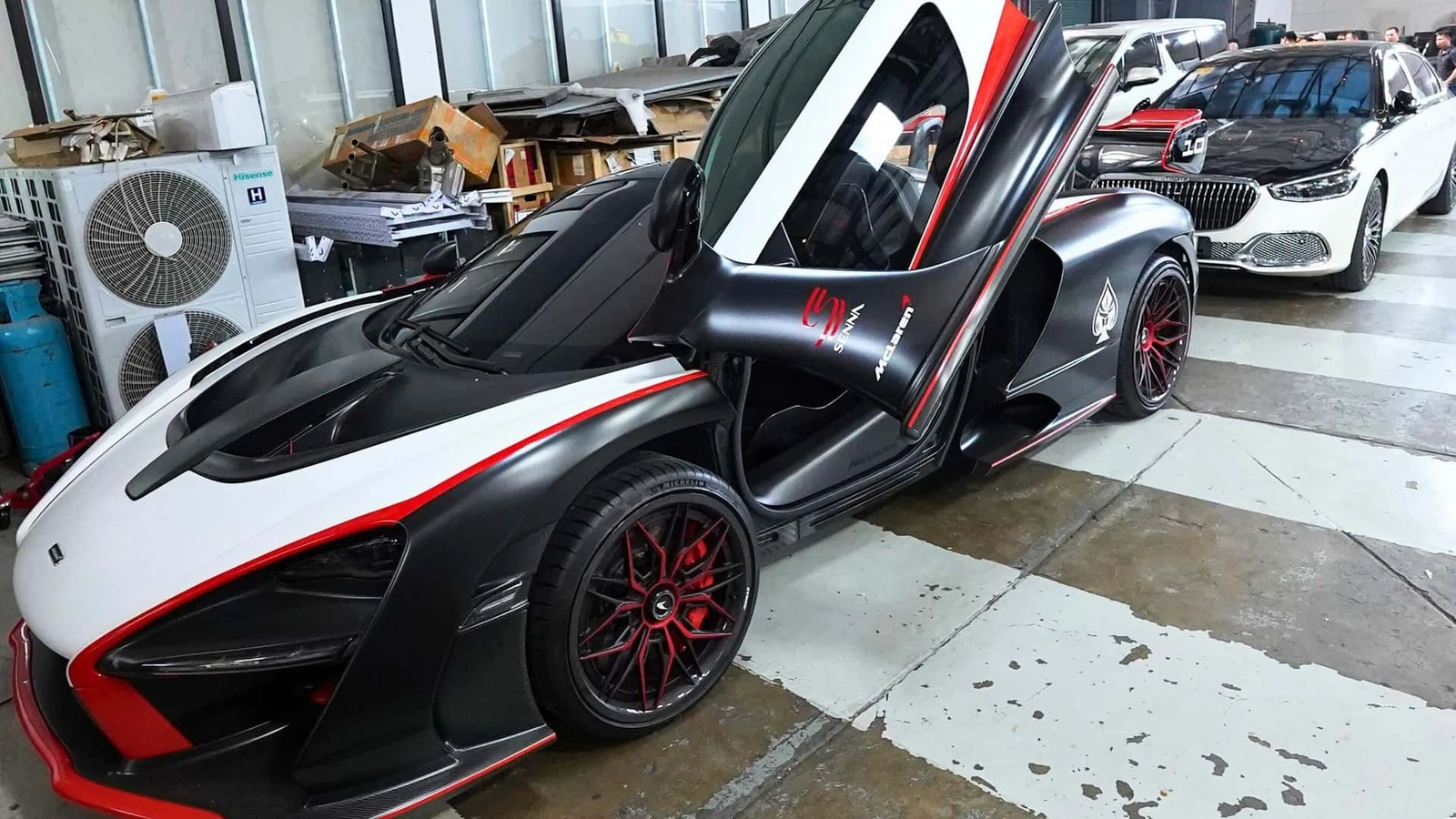
Philippine customs cuts McLaren Senna auction floor to $1.37 million after no bids

The seized 2021 Senna, one of 500 built, has now failed to sell at two sealed-bid auctions and remains in a Manila customs yard beside a confiscated LaFerrari.

Image: Motor1

A seized 2021 McLaren Senna has failed to find a buyer at auction in the Philippines, prompting the country's Bureau of Customs to cut its asking price by 15 percent for a second attempt. The car was offered at a sealed-bid auction at the Port of Manila on April 28, 2026 with a floor price of 102,042,250.95 Philippine pesos, about $1.61 million, and drew no bids.

Customs relisted the Senna for a May 29 auction at 86,735,913.31 pesos, roughly $1.37 million, according to figures compiled by PortCalls. The car went back on the block in an October 30, 2026 sealed-bid sale alongside 10 other luxury vehicles and is still unsold in Bureau of Customs custody.

One sale from twelve cars on the block

The April auction offered 12 seized vehicles in total. Only one found a taker: a 2023 Rolls-Royce Phantom that sold for 25,548,050 pesos, about $402,000, according to reporting attributed to the Philippine News Agency.

A limited-run supercar is a thin market at the best of times, and the Senna was built in a run of 500, named for the three-time Formula 1 champion Ayrton Senna. A government sealed-bid process works very differently from a specialist auction house, which is where a Ferrari Daytona SP3 set its record.

Why the cars were seized

The Senna and a LaFerrari coupe held in the same Manila customs yard are part of a larger group of seized luxury cars that Customs links to alleged illegal importation and tax evasion. In a separate 2025 operation, the agency reported finding around 1.4 billion pesos (about $21.9 million) of smuggled high-end vehicles, including Ferrari, Lamborghini, Maybach and Maserati models, in warehouses in Pasay and Parañaque.

Owners of seized cars typically get 15 days to prove taxes have been paid. Whatever paperwork surfaced was not enough to release either the Senna or the LaFerrari, and both ended up on the auction block instead.

The LaFerrari, found at the Pasay site, is parked outdoors next to a Rolls-Royce Cullinan and still carries no auction price at all. It is one of 499 built.

Rolls-Royces have sold where the McLaren has not

Customs has moved other confiscated ultra-luxury metal. A 2023 Cullinan brought in about 29 million pesos ($453,000) at a February 2026 auction, and a separate 2021 Cullinan sold for roughly 23 million pesos ($360,000) through a negotiated sale after an auction failed to attract bidders.

Those results suggest the agency can turn seized cars into serious revenue when the price lines up with what buyers expect. The Senna's repeated failure points to something beyond the sticker: local coverage has reported that some wealthy bidders worry about title, registration and long-term legal risk on confiscated cars still tied to tax and corruption investigations, even when the hammer price looks tempting.

For a buyer weighing a discounted Senna against a clean car from a dealer, that paperwork risk is the catch. A 15 percent markdown is only a bargain if the title comes with it.

What is still unknown

Customs has not announced a further auction date for the Senna following the October 30 sale, and no floor price has been assigned to the LaFerrari. Neither car's fate beyond continued government custody has been set out.

Open this article ↗

Keep scrolling to read the next story.

Older articles →