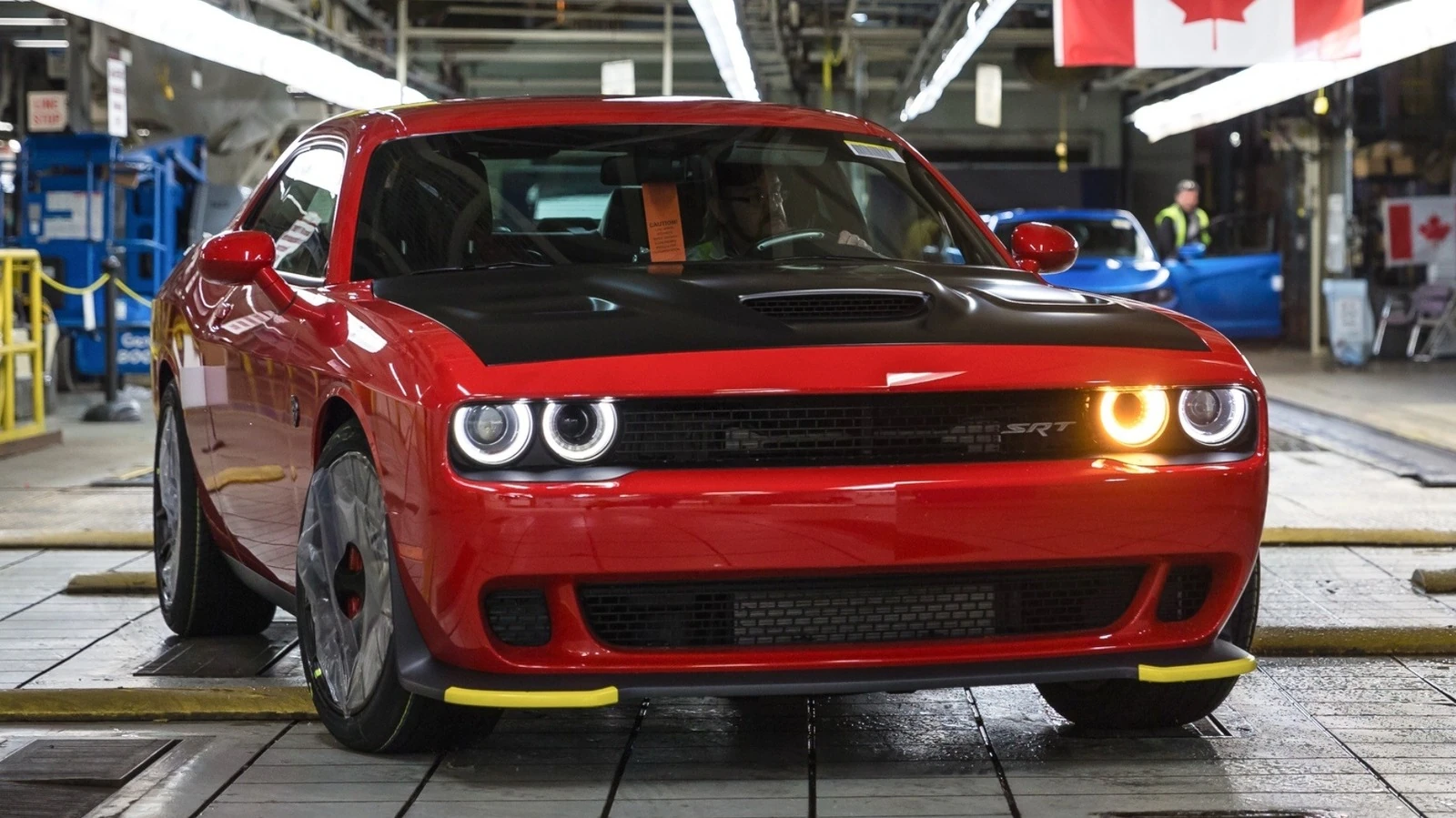
Canada has formally accused Stellantis of defaulting on a federal funding agreement after the automaker agreed to sell its Brampton Assembly Plant in Ontario to Roshel, a Canadian defence technology company. Industry Minister Mélanie Joly said the government sent a notice of default giving Stellantis 30 days to respond before Ottawa sues.
Prime Minister Mark Carney called the sale "unacceptable," saying it breaks the commitments Stellantis made when it accepted public money, and vowed to "fully enforce our rights in protection of those workers and the protection of Canadian funds".
What Ottawa says Stellantis owes
Federal records show Ottawa has paid out roughly CA$220 million (about US$154 million) to help Stellantis retool its Brampton and Windsor plants. Canada says those commitments were broken when Stellantis moved Jeep Compass production out of Ontario.
Joly put the exposure in blunt terms: "Stellantis is on the hook for hundreds of millions of dollars. Stellantis knows how much it owes". She told WardsAuto that "patience has its limits" and that she, Canadians and workers were "fed up".
Stellantis has offered to voluntarily return CA$24 million (about US$17 million) in federal support it received for Brampton, a fraction of what Ottawa is claiming. Federal and Ontario officials are expected to meet Stellantis chief executive Antonio Filosa in a bid to "secure a more acceptable solution".
The Roshel deal and the workers left behind
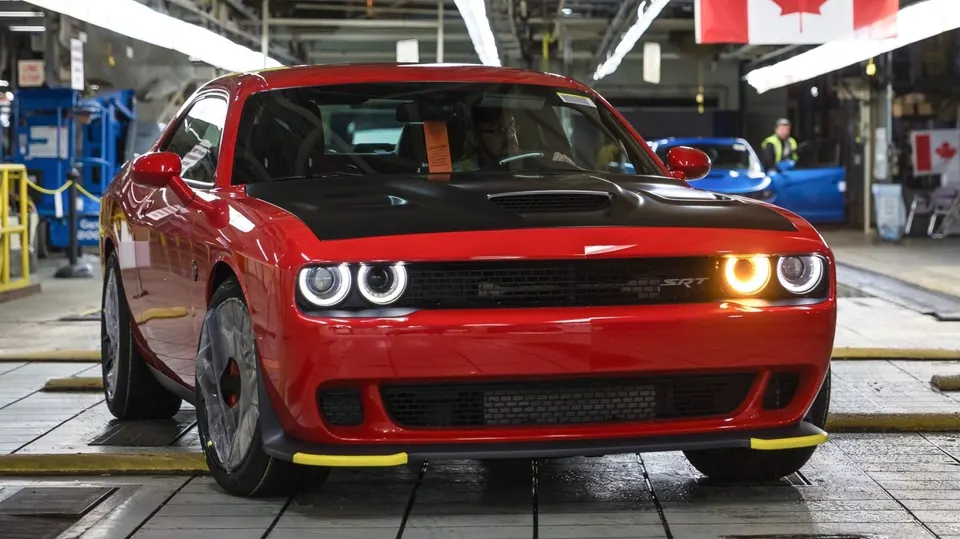
Stellantis confirmed last week that it had reached an Asset Purchase Agreement with Roshel covering the plant and associated production equipment, with the deal set to close by the end of the year. The sale followed months of reporting that a Brampton disposal was imminent.
Filosa said the company is "committed to working with Unifor on a fair resolution" for workers represented by the union and wants to negotiate a settlement. Unifor has threatened strikes over the sale.
Stellantis Canada chief executive Trevor Longley framed the sale as a way to keep the site industrially active: "While our decision to sell the plant represents a change from the original plans for Brampton, the agreement we have advanced with a Canadian manufacturer provides a path to return the facility to productive industrial use, create new jobs with priority hiring consideration for Brampton workers and secure a long-term future for the site".
Joly met Stellantis, Unifor and Ontario government officials late last week. The 30-day clock on the default notice now runs alongside those talks.
Why the dispute matters beyond Brampton
The standoff turns on what strings come attached to public money. Canada tied its retooling contribution to production commitments, and the Compass move is the trigger Ottawa is using to reclaim funds. The size of the gap between CA$220 million paid out and CA$24 million offered back shows how far apart the two sides are.
For Brampton workers, the Roshel agreement offers priority hiring consideration at the site under new ownership, while the federal claim is about recovering money rather than saving the plant itself. For Stellantis, the dispute lands as it tries to close the sale by year end and settle with Unifor at the same time.
What has not been announced is the final figure Stellantis will end up repaying, or whether the Filosa talks produce a compromise before the 30-day deadline expires.