BMW is pressing the US federal government for tariff relief, pointing to the $1.7 billion it has committed to electric vehicle and battery production in South Carolina. Robert Engelhorn, chief executive of BMW Manufacturing, said the company is in close contact with officials in Washington and is looking toward free trade and lower tariffs.
No amount of relief has been agreed or announced. The company is making the case while it continues to import vehicles into the US and export from its South Carolina plant, leaving how much, if anything, the government will offer still open.
The investment behind the argument
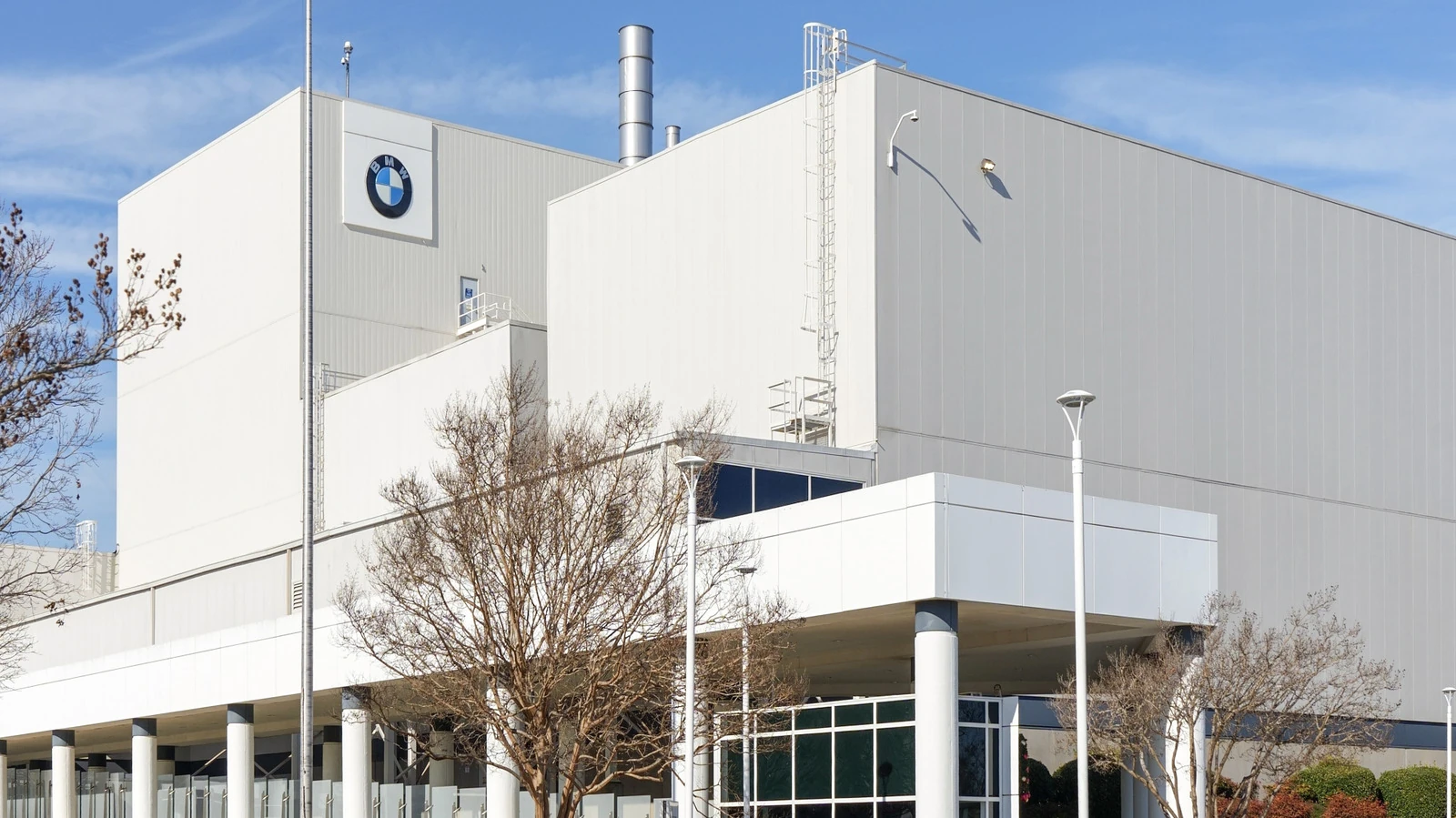
BMW's Spartanburg site is its largest assembly plant, building more than 400,000 cars a year and exporting roughly half of them, which makes it the largest automotive exporter in the US by value. Of the $1.7 billion, $700 million went to the Woodruff battery assembly facility, which has just opened, with the remainder preparing Spartanburg for EV production under a plan BMW announced back in 2022.
The plant's export-heavy model is central to BMW's pitch. Engelhorn framed the business as one built on exporting, which is why the company is pushing for lower tariffs rather than simply reshoring more output.
BMW also brought about 215,000 cars into the US last year from plants in Germany and other countries, so tariffs on imports hit the brand directly even as it expands American production. That split between what it builds in South Carolina and what it ships in from elsewhere is the gap relief would address.
A wider push from foreign automakers
BMW is not alone in lobbying Washington. In late October, the Trump administration promised Audi some tariff relief if it began US production, and Toyota is now seeking a similar arrangement after paying more than $8 billion in tariffs in its last fiscal year.
South Carolina's governor, Henry McMaster, said he has discussed the matter with people in Washington and expects it to be resolved, though he acknowledged that nothing moves quickly.
For buyers, the practical effect is that the cost of imported BMWs depends partly on negotiations the company does not control. The EV expansion in South Carolina is underway regardless, but tariff relief is the piece still missing.