INDEPENDENT AUTOMOTIVE NEWSGLOBAL PERSPECTIVE / AUSTRALIAN EDITION
TDCNTHE DAILY
CAR NEWS.

The road ahead.
Every day.

RSS ↗
Latest/Performance

621 original articles

Performance / TDCN ORIGINAL

BMW i3 to get simulated gear shifts on M Performance versions after Hyundai Ioniq 5 N test

BMW engineers dismissed Hyundai's N e-Shift as a gimmick until they drove it, and the feature will now appear as Stages on the i3 M60.

Image: Carscoops

BMW will fit simulated gear shifts to performance versions of the new i3 when the car goes on sale next year, and the idea came from driving Hyundai's Ioniq 5 N rather than from BMW's own engineering brief. The feature will be called Stages and will be offered on M Performance grades, which for now means the i3 M60.

BMW dynamics engineer Christian Heiss described the sequence to CarSale.com.au: when Hyundai launched the Ioniq 5 N during the i3's development, BMW's engineers initially thought the simulated eight-speed dual-clutch transmission was a gimmick unsuited to an electric world. Driving the car changed their minds.

What Stages does and why BMW built it

Hyundai's system, branded N e-Shift, mimics the feel of an eight-speed dual-clutch transmission in the Ioniq 5 N, which launched in 2023. BMW's version arrives under a different name and, according to Heiss, a different internal approach. "We've ended up with something close to a gearbox simulation, but we don't call it a gearbox simulation. It's thought out a bit differently, but everyone hoping for a gear shift simulation will be happy with this, hopefully even more than happy," he said.

Heiss framed the case for the feature around driving dynamics rather than nostalgia. BMW's dynamics team argued that paddle shifters bring advantages in drivability and feedback, particularly on track. That reasoning lands on the weakest point of fast electric cars: straight-line pace is easy to deliver, but the interaction between driver and machine that combustion performance models trade on is harder to fake. A staged shift gives the driver something to do and something to feel, which is why BMW's engineers moved from scepticism to signing off on it.

M Performance only, and the hardware explains why

Stages will not be rolled out across the i3 range. Heiss says it is limited to M Performance grades, currently the i3 M60. The reason is physical: those versions get paddle shifters behind the wheel and the cheaper models do not, so the feature follows the hardware rather than a software paywall.

That distinction matters for buyers weighing up an i3. Anyone who wants the simulated shifts will need to step up to the M Performance variant, so the engagement argument BMW is making doubles as a reason to spend more. It also means the standard i3 will drive like a conventional single-speed EV, with no staged soundtrack or paddle interaction at all.
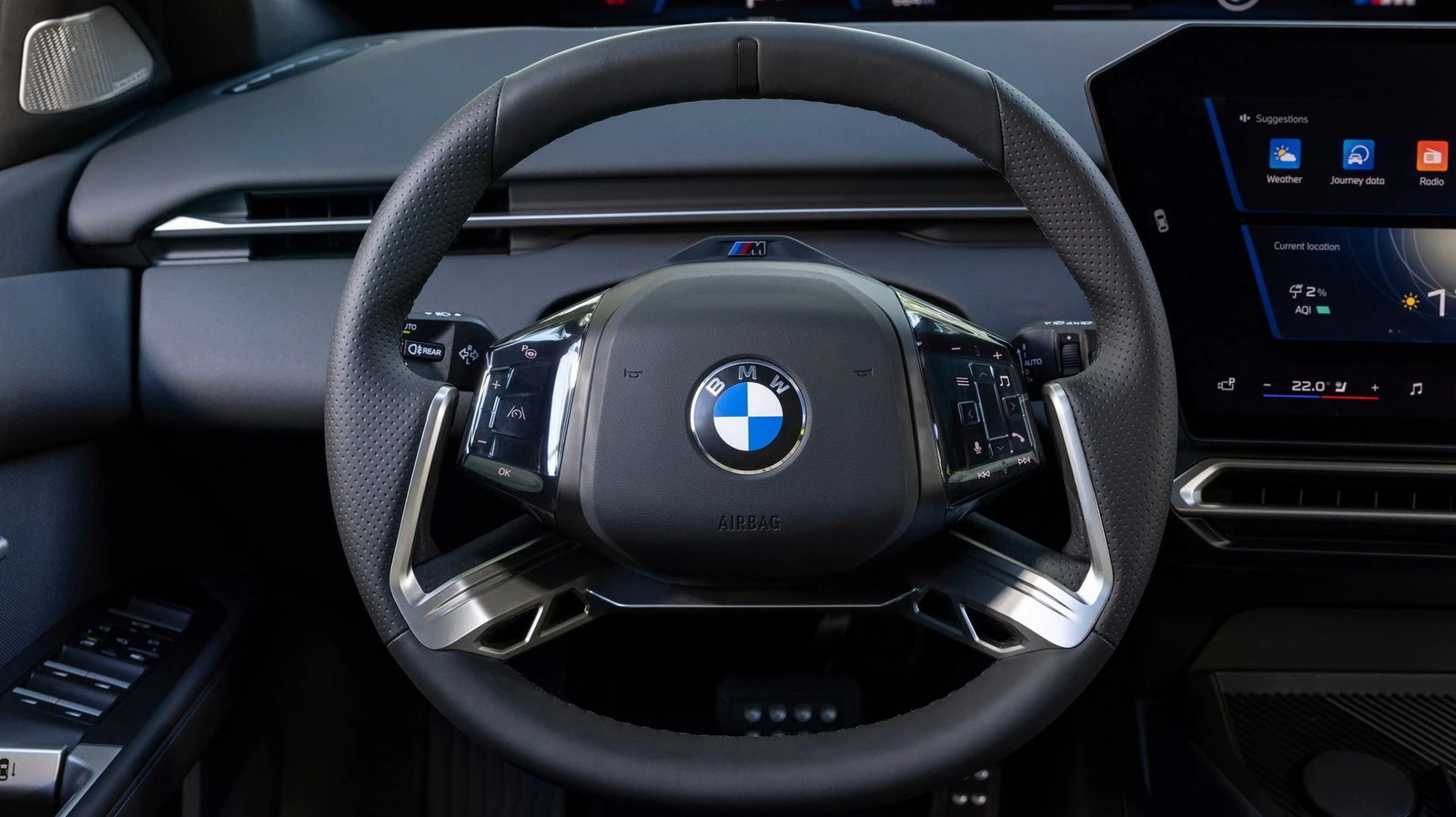
The i3's steering wheel-mounted paddles are the hardware that will let M Performance drivers trigger simulated gear shifts.
The i3's steering wheel-mounted paddles are the hardware that will let M Performance drivers trigger simulated gear shifts., Image: Carscoops

What BMW has not announced

BMW has not published pricing for the i3 or for the Stages feature, and the sources do not give a figure for either. The i3's on-sale date is given only as next year, with no month confirmed. Output, battery size, range and charging figures for the i3 M60 are also absent from the material, so the car's test cycle and range claims are still to come.

What is clear is the competitive read. A mainstream German maker has publicly credited a Korean rival with pushing it toward a feature it had already dismissed, and the result is a performance EV that leans on theatre as well as torque. For drivers, the practical question is whether that theatre is worth the jump to an M Performance model. For BMW, the bet is that engagement, not just acceleration, is what keeps buyers interested in fast electric cars.
Open this article ↗
New cars / TDCN ORIGINAL

Triple Eight says GM snub drove its Ford Mustang road-car switch

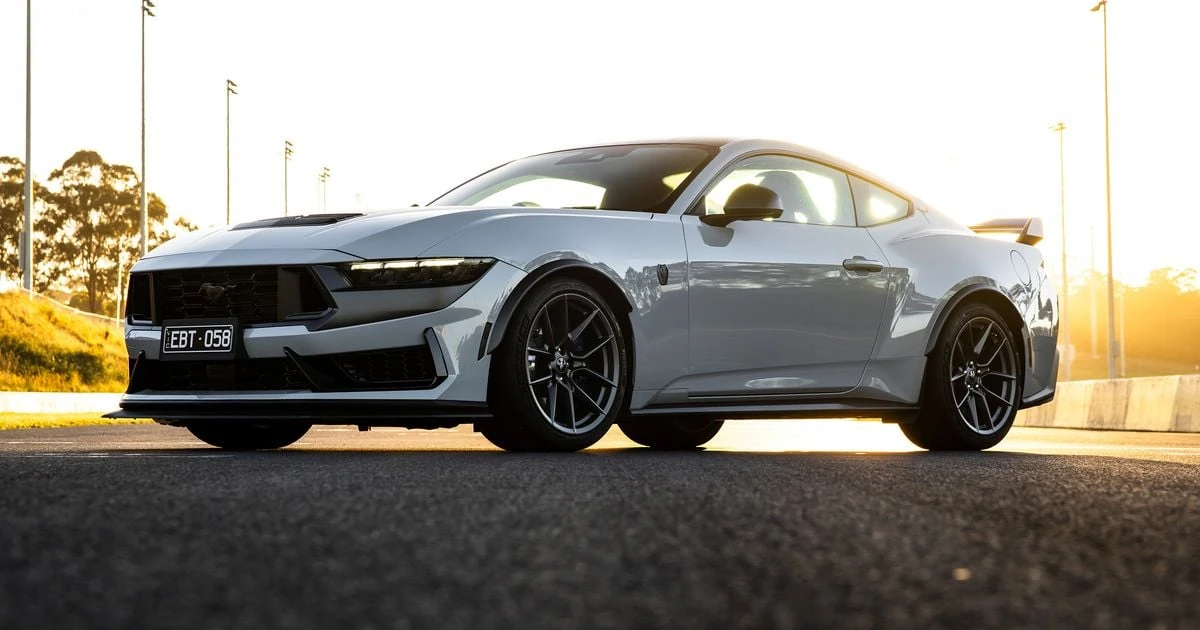
Jamie Whincup says GMSV passed on a road-car program, pushing the Supercars team toward Ford and the limited-run Mustang Dark Horse T8-Spec Pack.

Triple Eight Race Engineering's move back to Ford for the 2026 Supercars season was driven in part by General Motors Specialty Vehicles declining to build road-going performance cars with the team, according to four-time Bathurst 1000 winner Jamie Whincup. The switch came with an agreement to work on limited-edition production programs, the first of which is the Ford Mustang Dark Horse T8-Spec Pack.

Whincup, now a seven-time Supercars champion, said Triple Eight approached GMSV about customer programs built around its Chevrolet Camaro, Corvette and Silverado. He confirmed the rejection plainly: "We did, we did, 100 per cent we did".

Why Triple Eight left GM behind

Triple Eight had raced GM products from Holden and Chevrolet for 16 seasons, and before that campaigned Ford Falcons from 2003 to 2009. Whincup said Triple Eight itself started the conversations about moving from GMSV to Ford, framing the decision around shared direction rather than results.

"That was part of the reason why we looked for an alternative manufacturer to align our values with, and what we wanted to do," he said. He added that the team wanted every corporate partner aligned with where it was heading, and that Ford matched that direction.

Whincup also described the team's self-image in engineering terms, saying Triple Eight Race Engineering treats its race cars as a marketing product that showcases its engineering. That framing explains why a road-car program mattered: a limited-edition production car gives the team a commercial outlet its racing operation alone does not.

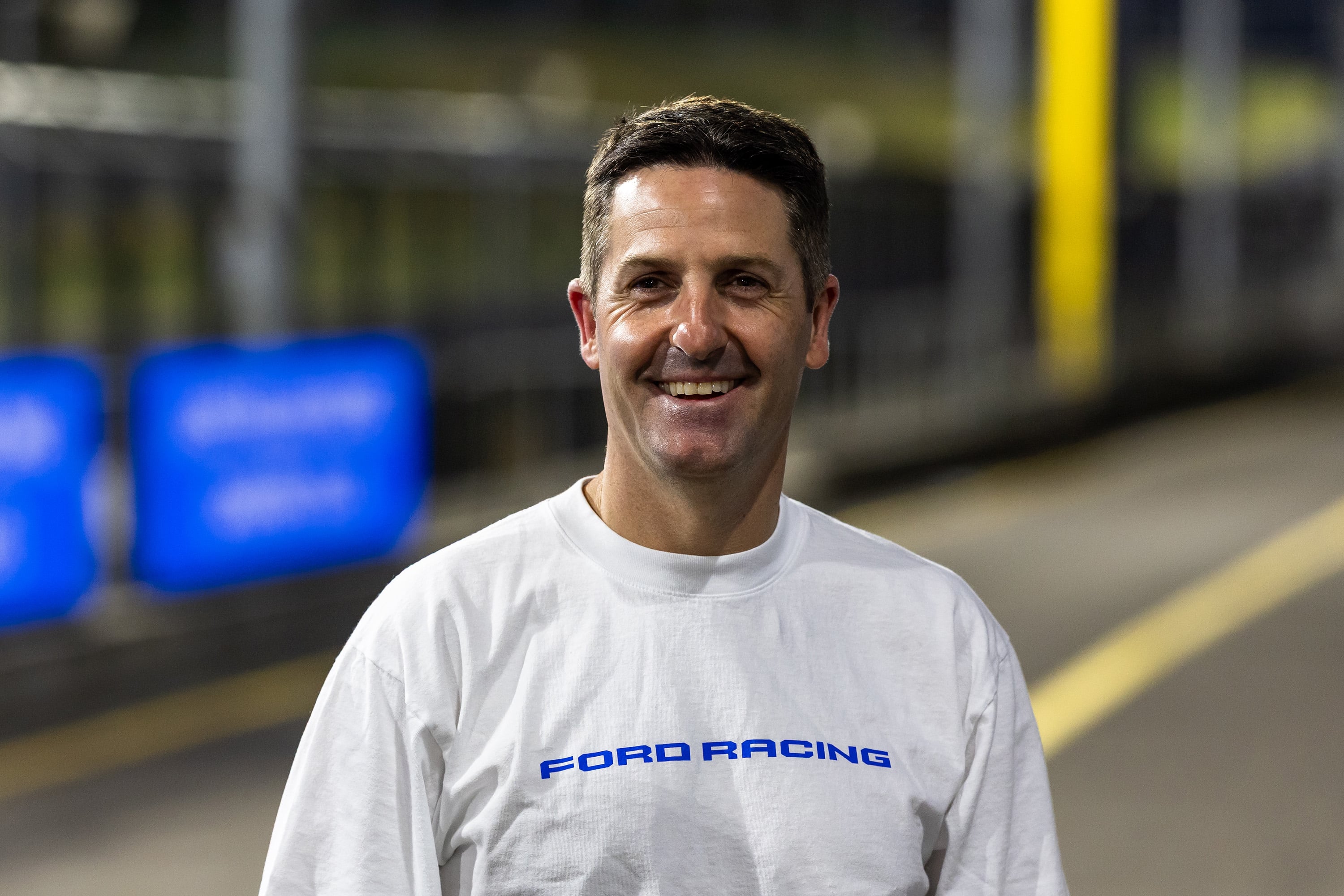
Triple Eight's Ford Racing future begins with a smile after the GM split.
Triple Eight's Ford Racing future begins with a smile after the GM split., Image: CarExpert

The T8-Spec Pack and what comes next

The Mustang Dark Horse T8-Spec Pack is Ford Australia's new limited-run Mustang flagship, and it formed part of the Ford deal. Whincup spoke to CarExpert at the recent media launch of the car.

Ford and Triple Eight have not confirmed any further road-car programs, though Whincup said more opportunities are there to be explored. Pricing for the T8-Spec Pack has not been announced in the source material, so what buyers will pay for the limited-run Mustang is still unknown.

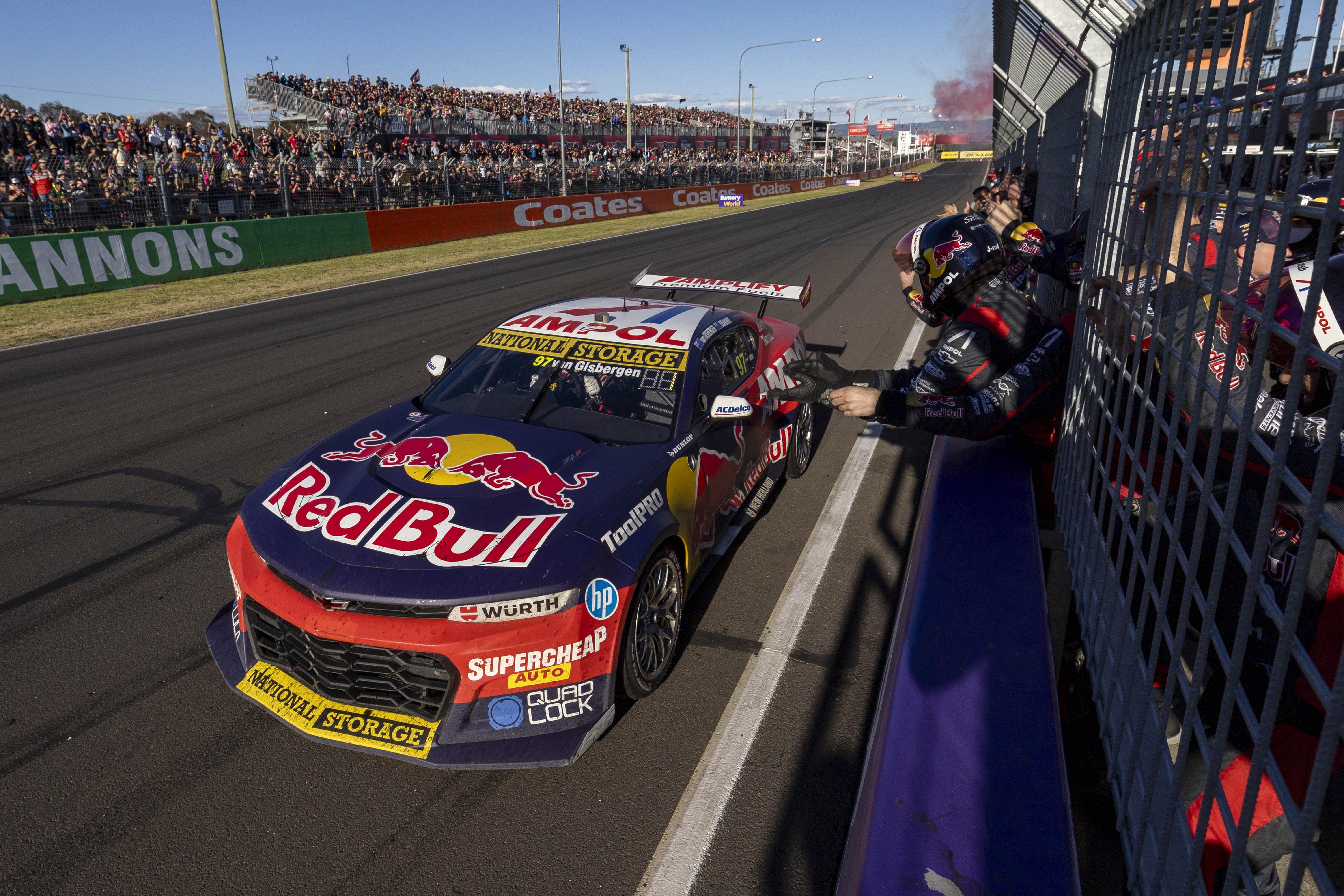
The GM era: Triple Eight's Red Bull-backed Camaro before the Mustang switch.
The GM era: Triple Eight's Red Bull-backed Camaro before the Mustang switch., Image: CarExpert

Walkinshaw had the same idea

Triple Eight is not the only Supercars outfit to see value in Ford road cars. Walkinshaw Andretti United, now Walkinshaw TWG Racing, raised the prospect when it announced its switch to racing Mustangs for the 2023 Supercars championship after campaigning Holden Commodores.

Ryan Walkinshaw, director of the broader Walkinshaw Group, said at the time that expanding the business with new customers would be "a pretty obvious answer", pointing to the group's position as a leading Australian automotive design, engineering and manufacturing business. He was careful to note the road-car angle was not the reason for the racing switch.

For drivers and buyers, the significance sits less in the racing politics than in what it produces: manufacturer-backed, engineering-led limited editions. Ford now has one such car on the table with Triple Eight, and the team's GM exit shows how quickly a road-car ambition can redirect a racing partnership.

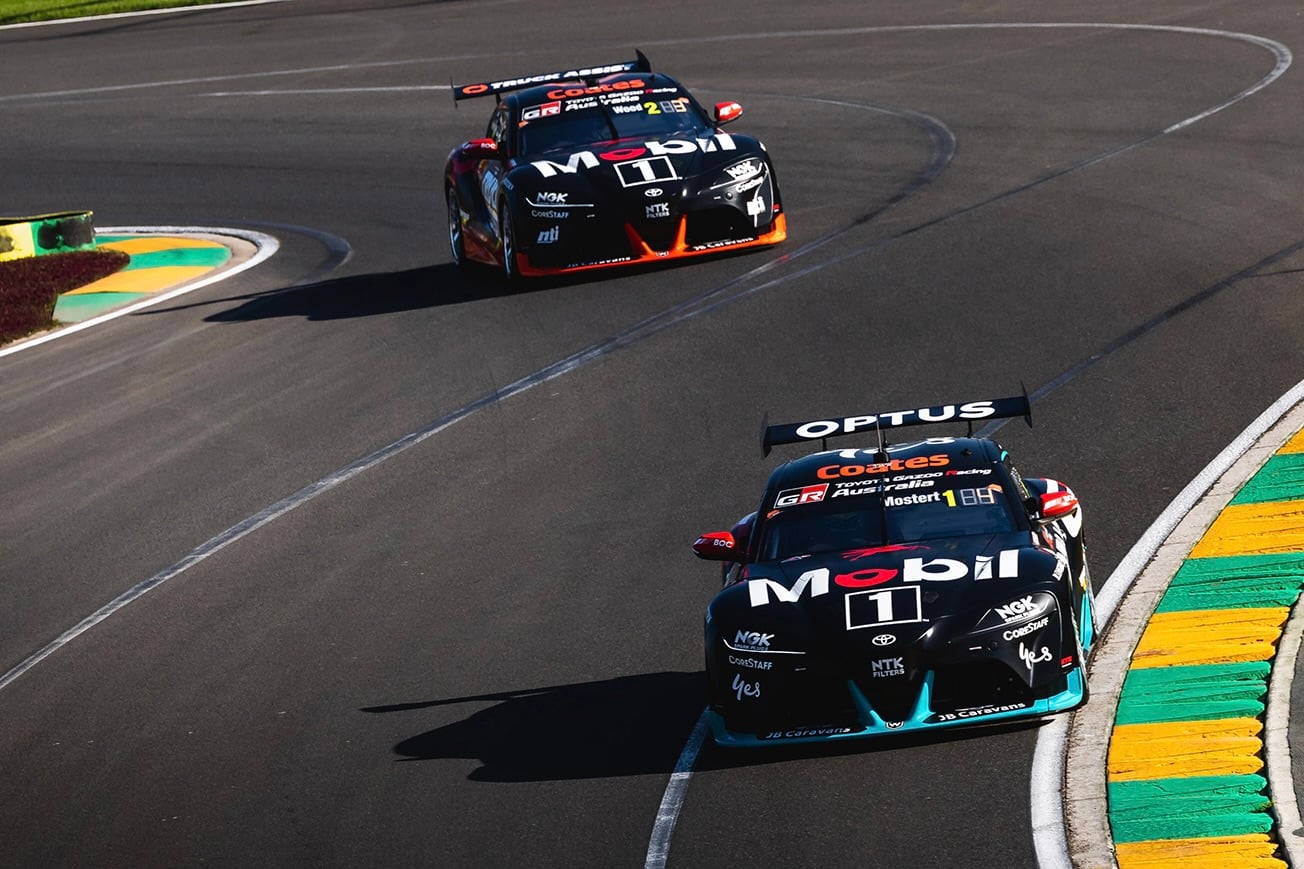
On-track action underlines the machinery Triple Eight will campaign next.
On-track action underlines the machinery Triple Eight will campaign next., Image: CarExpert
Open this article ↗

Keep scrolling to read the next story.

Older articles →