INDEPENDENT AUTOMOTIVE NEWSGLOBAL PERSPECTIVE / AUSTRALIAN EDITION
TDCNTHE DAILY
CAR NEWS.

The road ahead.
Every day.

RSS ↗
Latest/New cars

621 original articles

New cars / TDCN ORIGINAL

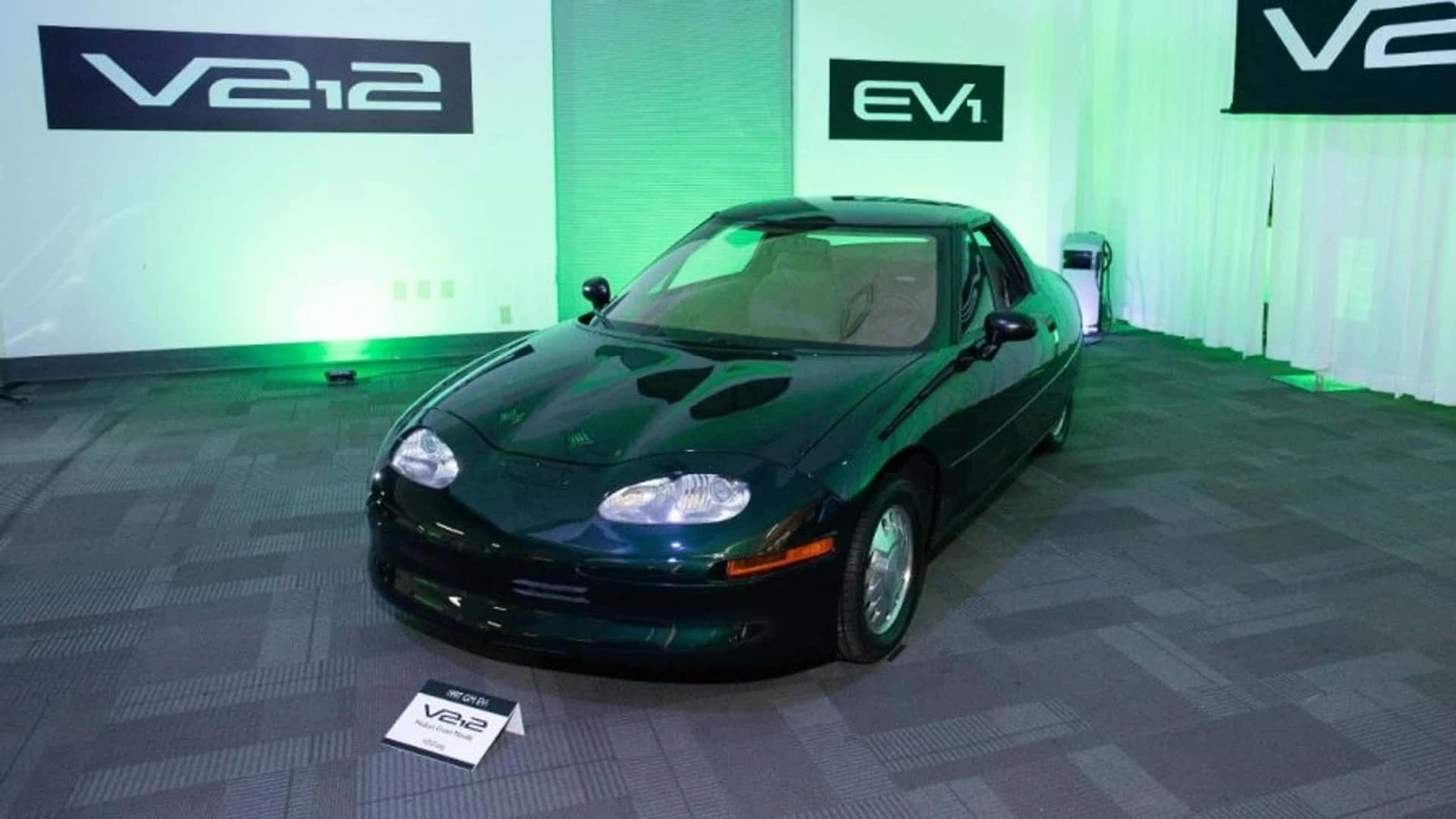
Restored GM EV1 returns to the road after nearly 20 years off it

The car known as V212, the 212th EV1 built, was bought out of a Georgia impound lot for $104,000 and rebuilt with help from former GM engineers.

A General Motors EV1 that sat abandoned in a Georgia impound lot is running again, roughly two decades after it last moved under its own power. The car, nicknamed V212 after the portion of its VIN confirming it as the 212th EV1 built, was finished and shown at Kettering University in Flint, Michigan, 30 years to the day after the first EV1 left the assembly line.

Apple employee Billy Caruso, who owns several early electric vehicles, bought the car at the impound lot for $104,000 despite its sun-faded, tired condition and its status as legally abandoned. The rebuild took about 12 months and was carried out by Caruso, Jared Pink of The Questionable Garage and GM itself.

Former GM engineers supplied parts from a donor car

Engineers and designers who worked on the original EV1 programme backed the project and provided components from an old donor car. At Kettering, Caruso interviewed some of the people behind the original programme, including Linda Ludek Brouns, a former propulsion system engineer on the EV1, who called her time on the car the favourite role of her career.

The work was thorough rather than cosmetic. V212 was stripped to bare metal, its interior was completely removed and its glass came out. It received a refreshed interior, all-new glass and fresh paint, leaving it close to how it looked in 1996.

That matters because the EV1 was never a high-volume model for GM, and survivors are scarce. A car this rare coming back to running condition, rather than decaying further in the Georgia sun, preserves a piece of EV history that predates today's electric market by decades.

Range and total cost have not been announced

The sources do not give a range figure for V212 after its restoration, and no test cycle is quoted for it, so its driving range cannot be stated beyond what the original car was rated at. Likewise, no total restoration cost has been announced. The only figure disclosed is the $104,000 purchase price at the impound lot, which does not cover the strip-down, paint, glass, interior work and parts.

What is confirmed is the milestone: the first privately owned running EV1 in two decades, back on the road three decades after the model's production began.
Open this article ↗
New cars / TDCN ORIGINAL

Tesla takes $29,990 Cybercab orders from consumers, but autonomy plan required

The robotaxi undercuts the Model 3 on price, but a mandatory autonomy subscription and city-by-city service limits shape who can actually use it.

Image: Carscoops

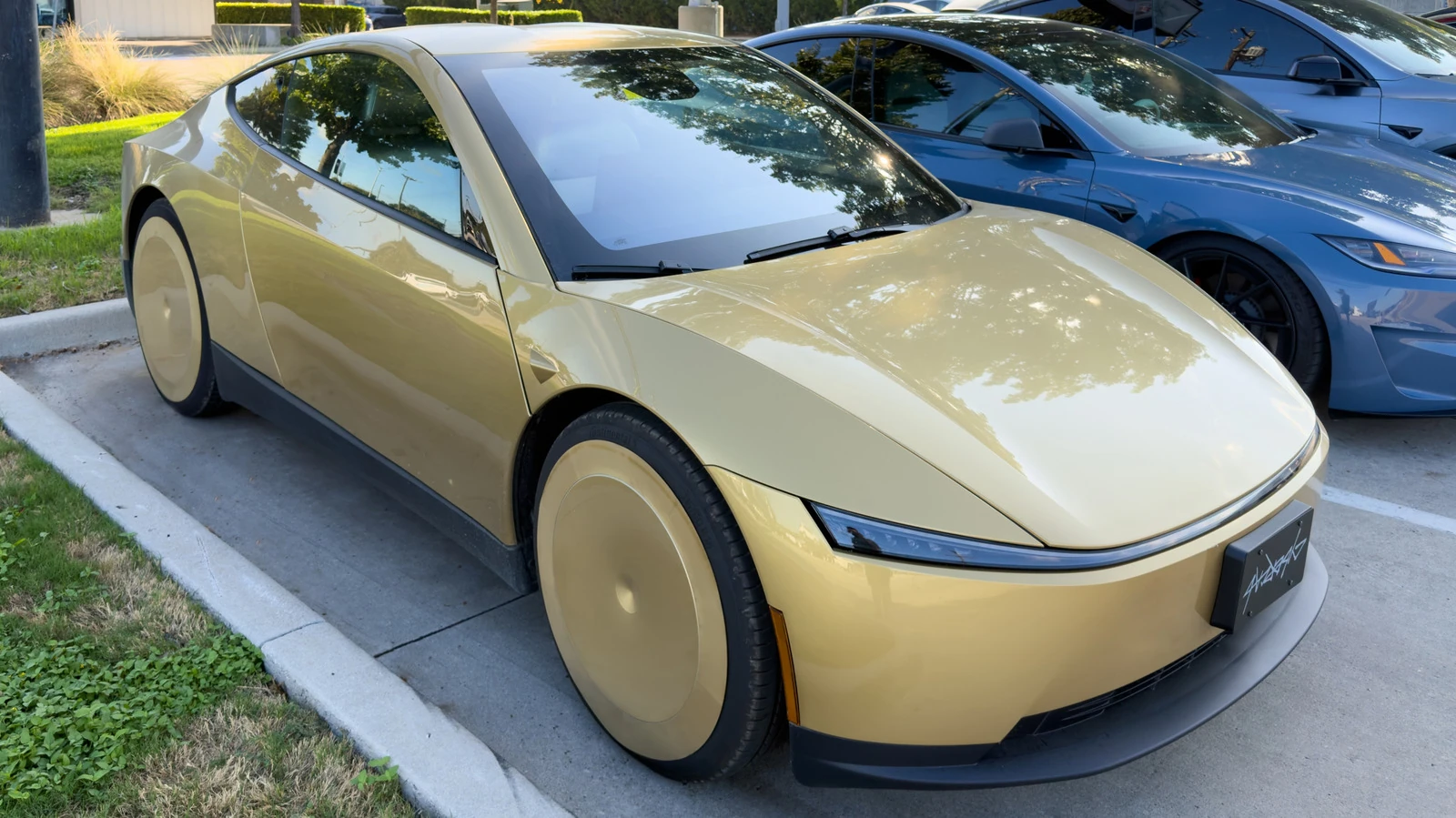
Tesla has begun inviting private customers to order the Cybercab, the two-seat robotaxi it has so far offered only through its own ride-hailing service, at a starting price of $29,990. The company says deliveries will begin next month.

That figure puts the small two-seater below the Model 3 on price, but the fine print sets conditions that matter more than the sticker. The car needs an active autonomy subscription to operate at all, and it only works inside supported service areas.

The catch is a subscription and a postcode

Tesla's terms state that the autonomy subscription is required for operation, so a Cybercab without it will not drive. The car is also restricted to supported service areas, which match the cities where the Robotaxi service already runs. Buyers outside those areas would find the car effectively unusable.

Tesla can change those operating areas at any time, and it can change the monthly subscription price with one month's notice. That subscription already costs three times as much as Tesla's subscription-only Full Self-Driving product. The exact monthly figure for the Cybercab subscription has not been announced.

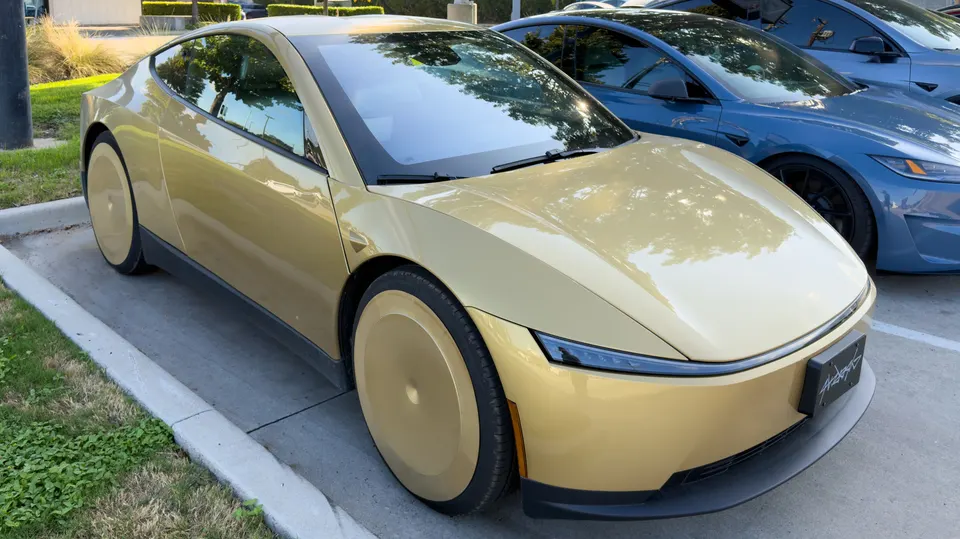
The gold Cybercab prototype: the $29,990 order book is open, but the autonomy subscription is not optional.
The gold Cybercab prototype: the $29,990 order book is open, but the autonomy subscription is not optional., Image: Carscoops

No ride-hailing income, no factory insurance

Owners cannot rent their Cybercab out for ride-hailing, and they cannot add it to Tesla's own Robotaxi fleet, according to Electrek. Tesla does not insure the car itself, so buyers must arrange their own policy. Which insurers will cover a vehicle with no pedals or steering wheel is not yet clear.

Tesla has not said who it will invite to buy the Cybercab for personal use. Early invitations going mainly to established brand loyalists would be a sensible way to keep the first wave of feedback friendly, though Tesla has given no such indication.

A launch that outran a safety query

The opening of private orders comes about two months after the National Highway Traffic Safety Administration asked Tesla to explain how the Cybercab is street legal. Until now the Cybercab has been available only through Tesla's Robotaxi service in Texas, while the wider fleet, built on the Model Y, also operates in Miami, Orlando and Tampa.

Reports on the car's performance have been mixed: Jeremy Clarkson wrote in his Sunday Times column that a Cybercab he rode in seemingly ran some red lights and would not drop him at the right place. Tesla has pressed on regardless.

For a buyer, the price is the least complicated part of the deal. The Cybercab is a city car tied to a subscription and a service map, not a conventional purchase that works anywhere. Drivers who live outside a Robotaxi city, or who want to earn from their car, get much less than the $29,990 headline suggests.

Open this article ↗

Keep scrolling to read the next story.

Older articles →