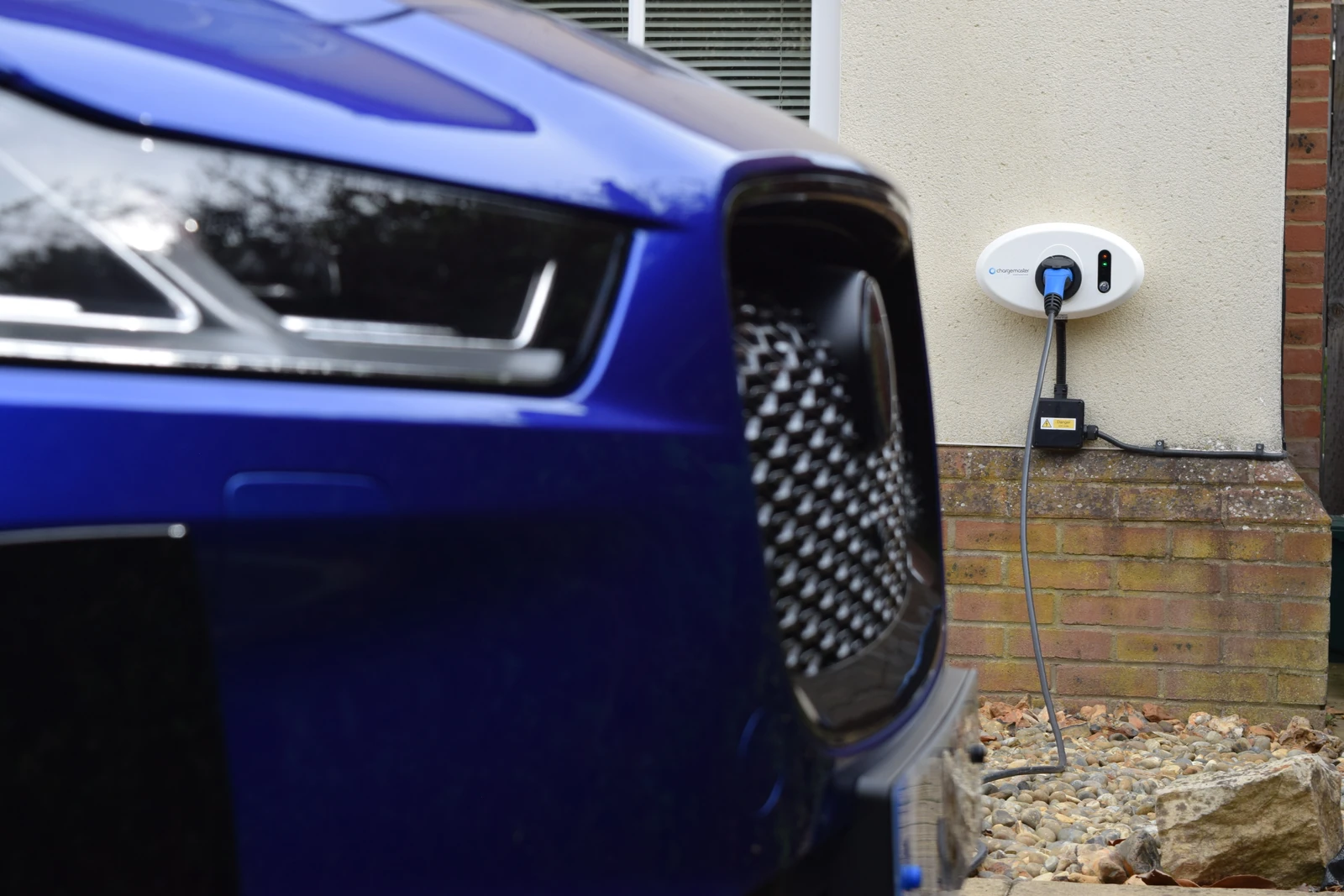
Thousands of residential and workplace electric vehicle chargers in the UK have gone years without inspection because no legislation requires it, according to the maintenance company Safer Charging. Public chargers must meet the Public Charge Point Regulations (PCPR), which require them to work 99% of the time, but private units sit outside that regime.
Where the rules stop
The PCPR is enforced by the government's Office for Product Safety and Standards, and it explicitly excludes workplace and residential charge points that are "not accessible to the general public at any time". Safer Charging founder Chris Cheetham said the only law covering such devices is the Electricity at Work Regulations, which require electrical appliances in a workplace to be safe and assessed through an Electrical Installation Condition Report.
For offices and public buildings an assessment is recommended every five years, and without an EICR a business could find itself uninsured. Cheetham called the prospect of a charger going uninspected for five years "staggering" given the current passing through the units, and said day-to-day care often falls to a facilities manager or managing agent with neither the knowledge nor the time.
A Department for Transport spokesman said the PCPR are designed to protect drivers using public networks and that the department is not currently considering extending them to private chargers. That leaves the gap intact for now: the rules that force public chargers to keep working simply have no private equivalent.
Warranties that outlive the supplier
Cheetham also warned that charger manufacturers and suppliers can go out of business, voiding warranties and ending aftersales support. Andersen EV, which went into administration in 2022, is the example: its new owner did not take on its liabilities, and its warranty terms state that chargers bought before 24 October 2022 no longer have "contractual warranty support".
A spokesperson for a major charger manufacturer said consumers should satisfy themselves as to the long-term viability of a supplier or installer, and that the industry would encourage businesses investing in charge points to do due diligence.
For drivers, the practical lesson is that the hardware in a home or office car park can outlast the company that sold it. A charger is a long-term fixture, so the strength of the company behind it matters as much as the specification on the box.
Why it matters for the switch to electric
Safer Charging says the inspection gap risks undermining users' faith in EV chargers generally and slowing the transition to electric mobility. Cheetham stressed that his aim is not to alarm private charger owners but to reassure them that his company can provide back-up, round-the-clock monitoring and inspection if their supplier or installer fails, so "they're not on their own".
The company's estimate of the scale is its own: it believes there are hundreds of thousands of ageing private chargers that are not being inspected or maintained because no legislation requires them to work. The DfT's position means that estimate is unlikely to be tested by regulation any time soon, which puts the burden on owners and facilities managers to schedule checks themselves.