INDEPENDENT AUTOMOTIVE NEWSGLOBAL PERSPECTIVE / AUSTRALIAN EDITION
TDCNTHE DAILY
CAR NEWS.

The road ahead.
Every day.

RSS ↗
Latest/Safety

547 original articles

Safety / TDCN ORIGINAL

BMW recalls 720,796 US vehicles; water pump short can cause fire

The campaign replaces an earlier recall for the same connector that failed to stop the short circuits, and no repair exists yet.

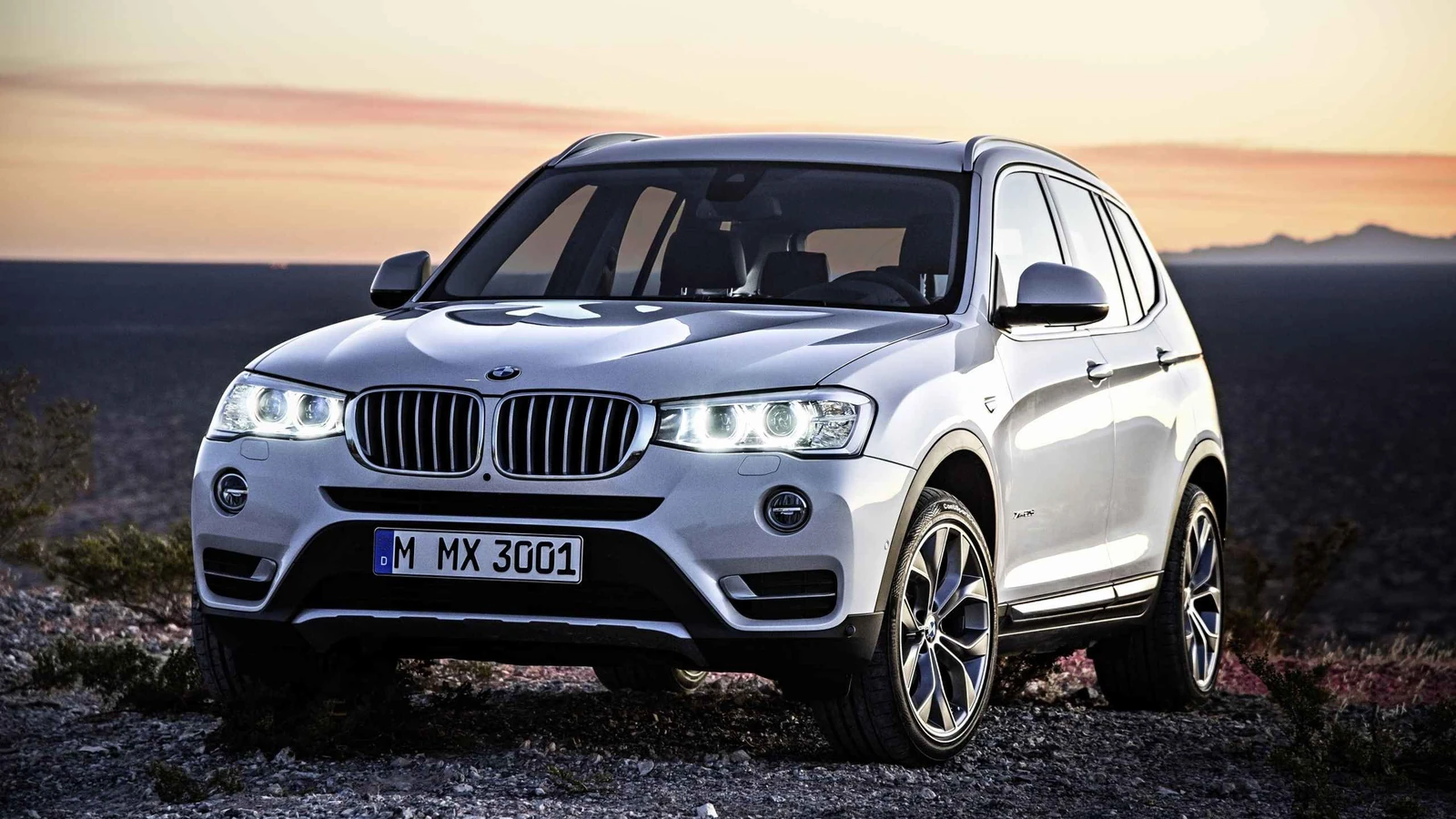
Image: Motor1

BMW is recalling 720,796 vehicles in the United States because a water pump electrical connector can short-circuit and start a fire even when the car is parked and switched off, and federal regulators have told owners to park affected cars outside until a fix is ready.

The recall was filed with the National Highway Traffic Safety Administration on November 4, 2026, and covers 2012 through 2018 model year vehicles across a wide spread of the brand's line-up. Owner notification letters are due to go out in December.

Which BMW models and model years are affected

The campaign takes in older 3 Series, 5 Series, Z4, X1, X3, X4 and X5 models, along with several 2 Series and 4 Series body styles, all from the 2012 to 2018 model years. It is registered with NHTSA as recall 26V733000.

The recall is confined to the United States, and BMW has not announced whether cars in other markets are covered.

The defect sits in the water pump's electrical connector. BMW says the seal on that connector can fail, allowing water to reach the terminals and short-circuit them, and that short can ignite a fire while the vehicle is sitting parked and turned off.

A second attempt at the same fault

This is not a new problem. The campaign replaces an earlier recall, 24V608, which targeted the same connector but did not stop the failures. BMW opened the second campaign because vehicles already repaired under the first one can still short-circuit.

In its Part 573 filing for 26V733, BMW describes additional testing that found problems including embrittlement and cracking of the connector material, and the company now says the earlier remedy did not resolve the underlying issue.

Anyone who had the connector serviced under the 2024 campaign still needs the new fix once it is available. That matters because owners who believe the matter is already closed could ignore the December paperwork and leave a live fire risk unaddressed.

No repair yet, and two letters coming

There is no remedy in place. BMW says the fix is still in development, so dealers cannot schedule work until the automaker finalises it and parts become available.

Until then, NHTSA's instruction stands: park the car outside, away from garages, carports and other vehicles, whether or not a vehicle shows obvious symptoms.

Owners will receive two separate notices. The first, due in December 2026, confirms whether a specific vehicle is part of the recall. A second letter follows once the free dealership repair becomes available, and affected VINs become searchable on NHTSA.gov from December 25, 2026. BMW customer service can be reached at 1-800-525-7417 in the meantime.

The park-outside advice has become a recurring theme for the brand. BMW issued a similar warning in August tied to a separate fire recall, and a starter relay defect prompted another one in September covering 3, 5 and 7 Series sedans. For owners of older BMWs, the practical takeaway is to treat any recall notice on a car of this era as urgent rather than paperwork to file away.
Open this article ↗
Electric / TDCN ORIGINAL

Porsche recycles end-of-life EV batteries into new cathode material

The carmaker is testing cells made entirely from recovered raw materials, with a goal of feeding them into new cell production from 2028.

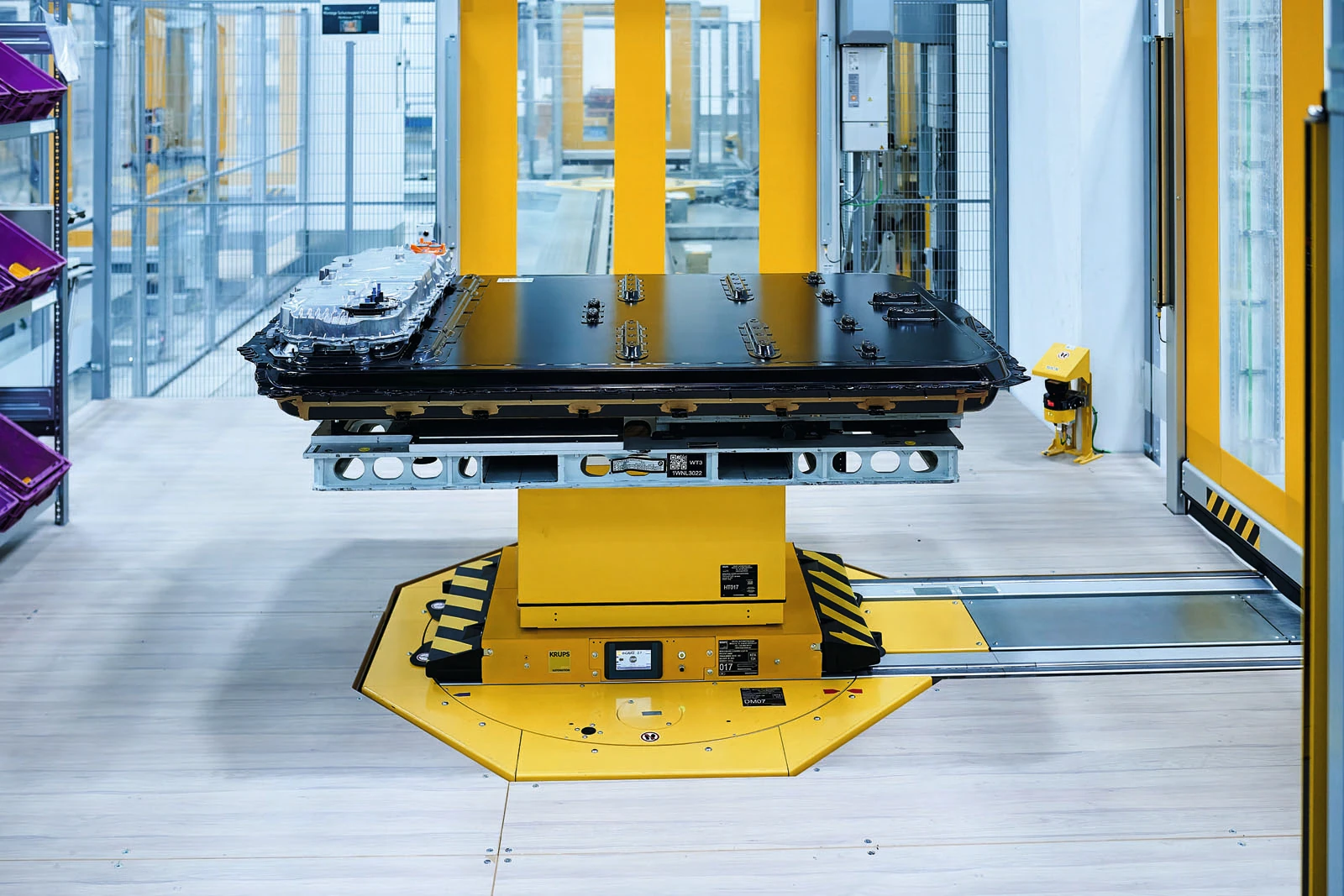
Porsche has reached a battery recycling milestone, producing cathode active material from entirely recycled raw materials and moving to test the resulting cells in real-world conditions. End-of-life high-voltage batteries from Porsche Centres in Germany have been recycled since May 2026 using a water-based process, run with partners including recycling specialist Cylib.

The carmaker's stated aim is for recovered raw materials to be available for new cell production from 2028. Cells comprising 100 per cent recycled materials have already been made and are undergoing testing in Porsche EVs.

How the recycling process works

Porsche describes three stages: recover, refine and reuse. End-of-life batteries are dismantled and mechanically processed into a black mass containing raw materials, which is then refined and separated into nickel, cobalt, manganese and lithium for future cell production.

Porsche stresses quality and traceability, tracking recovered materials through a dedicated material account. The caveat is that at this stage the company says only that the materials "could be" used in its high-voltage batteries, so recycled content in production packs is not yet confirmed. That distinction matters for buyers weighing how green an EV really is: a recycling loop that works in a lab and a pilot line is not the same as one feeding the cars on a dealer forecourt.

BMW's Gen6 battery wins an award in China

BMW became the first foreign car maker to win an Innovative Technology Award at the World New Energy Vehicle Congress in China, recognised for its Gen6 battery. The Gen6 pack is a key technology of the Neue Klasse architecture, which BMW says lays the foundation for greater range and faster charging in its EVs.

The design is flat, with cylindrical cells fitted directly into the main housing rather than split into separate modules, and is intended to fit within an 800V electrical architecture. Its cell-to-pack construction makes more efficient use of space and delivers higher energy density than conventional designs, according to the company. The concept also combines Energy Master hardware and software, a central control unit developed in-house that acts as the brain of the EVs.

For drivers, the 800V architecture is the more consequential detail: it is the hardware basis for the faster charging BMW is promising, though the sources do not give charging times or range figures for Gen6-equipped cars.

Leapmotor pushes cells into the chassis

Leapmotor announced its CTC 3.0 High-Low Fusion Battery in September, taking the cell-to-pack idea further with cell-to-chassis construction. The company describes it as a "package-less battery and power supply system" and claims a sevenfold increase in low-voltage capacity and function over its previous-generation battery.

That allows the battery to match the 12V supply delivered by a traditional 12V car battery, which EVs usually carry for ancillary systems. Leapmotor claims vehicles equipped with CTC 3.0 will be the first in more than, though the source material cuts off before completing the claim.

The three announcements point in the same direction: battery innovation is spreading beyond range and charging figures into manufacturing, materials and packaging. Porsche's loop is about what happens at the end of a pack's life, BMW's about how tightly cells can be packed into a car, and Leapmotor's about removing the distinction between battery and chassis altogether. None of the three has yet been translated into published range or charging numbers for a production model in these sources.

Open this article ↗

Keep scrolling to read the next story.

Older articles →