INDEPENDENT AUTOMOTIVE NEWSGLOBAL PERSPECTIVE / AUSTRALIAN EDITION
TDCNTHE DAILY
CAR NEWS.

The road ahead.
Every day.

RSS ↗
Latest/Industry

621 original articles

Industry / TDCN ORIGINAL

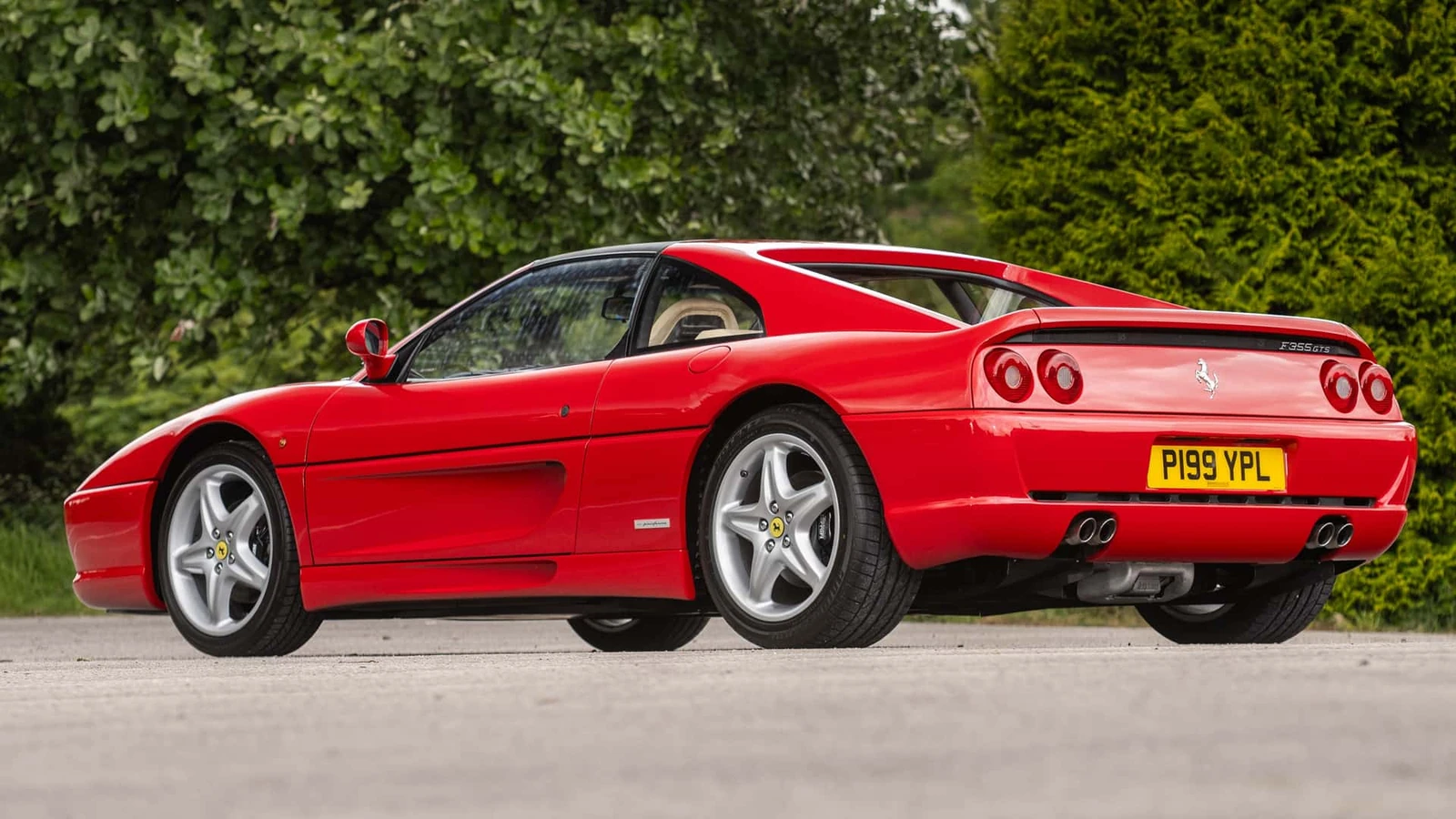
Jeremy Clarkson's Ferrari F355 GTS sells for £405,000 in live-auction record

The 1996 car, showing 15,200 miles and documented back to Clarkson's original factory order, nearly doubled its pre-sale estimate at Iconic Auctioneers' Birmingham sale.

Image: Motor1

Jeremy Clarkson's 1996 Ferrari F355 GTS sold for £405,000 (about $533,000) at Iconic Auctioneers' NEC Classic Motor Show sale in Birmingham, a live-auction world record for the model. The hammer price closed on November 14, 2026 and came in well above the auction house's pre-sale estimate of £200,000 to £250,000 (about $263,000 to $329,000).

The result reverses a stalled attempt to sell the same car the previous year, when it failed to find a buyer against an estimate of £180,000 to £220,000 (about $237,000 to $290,000) in July 2025. A comparable 1997 F355 GTS changed hands for just £120,375 (about $158,500) in August 2025, which puts the Clarkson car's premium into sharp relief.

What the paperwork shows

Iconic Auctioneers' listing carried Clarkson's original order correspondence alongside a Warranty Card naming him as the car's first owner, with delivery taken in August 1996 through Maranello Sales. The car carries VIN ZFFXR42C000106175 and shows approximately 15,200 miles, a low figure for a 1996 build.

It retains its original V8 engine and six-speed gated manual transmission, wears factory Rosso Corsa paint over Crema leather, and was fitted with carbon-backed sports seats from new. Clarkson later gave the car away as a Sunday Times reader prize, a detail that extends its ownership chain beyond his time with it.

Rob Hubbard, managing director and principal auctioneer at Iconic Auctioneers, said the car's documented history was the draw, describing it as a particularly good example with a history buyers could follow right back to the original order. That paper trail is the difference between this result and an ordinary F355 GTS sale: celebrity ownership is common, but a file tracing the car to the factory order is not, and bidders paid accordingly.

Other records on the night

Clarkson-connected lots were not limited to the Ferrari. Three of his former Grand Tour cars sold together for £160,312 (about $206,802), and a 1982 Lancia Montecarlo Spider from his collection brought £69,188 (about $91,100), setting its own live-auction world record for the model.

A 1986 Porsche 911 Turbo SE Flachbau formerly owned by Sir Ron Dennis sold for £382,500 (about $504,000), a UK live-auction record, while Noel Gallagher's 1978 Rolls-Royce Silver Shadow II made £65,250 (about $86,000), also a record for that model. Even a Reliant Supervan III found a record price at £70,875 (about $93,300).

Iconic Auctioneers reported total sales of £14.2 million (about $18.7 million) across the event, with 81 percent of consigned cars finding new owners. The buyer's premium on the Ferrari sale ran 12.5 percent before VAT and 15 percent inclusive.

The F355 GTS record lands in a strong autumn for Ferrari auctions, alongside model records set by the Michael Jordan-owned Ferrari 550 Maranello and a Ferrari F50 at separate sales. For buyers watching the classic market, the takeaway is that provenance a buyer can verify, rather than a famous name alone, is what moves prices at this level.
Open this article ↗
Electric / TDCN ORIGINAL

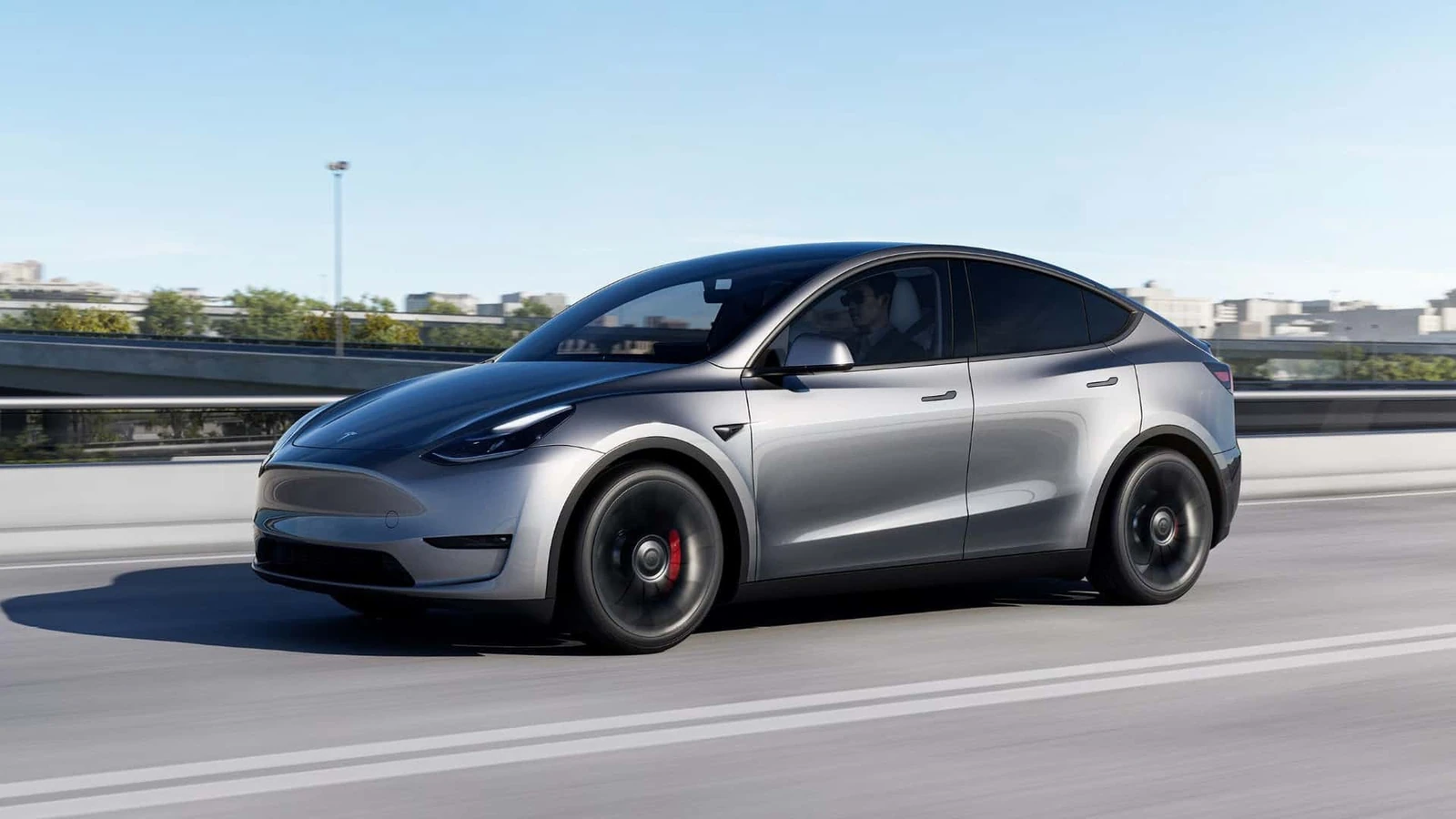
Tesla Model Y ranks last in German roadworthiness report as 18.5% fail first inspection

TÜV inspectors flagged worn suspension joints 24 times as often as on comparable cars, while the Mazda MX-30 EV placed third overall with a 3% failure rate.

The Tesla Model Y finished last out of 109 models in Germany's latest TÜV roadworthiness report, with major defects found on 18.5% of examples brought in for their first mandatory inspection. That is nearly triple the 6.4% average for cars of the same age and up from 17.3% a year earlier, the second consecutive year the Model Y has placed bottom of the ranking.

The findings come from TÜV's analysis of 9.7 million mandatory inspections carried out between July 2025 and June 2026, with the sharpest comparisons drawn among roughly three-year-old cars coming in for their first check.

What inspectors found on the Model Y

Worn suspension joints were flagged on Model Ys 24 times as often as on comparable cars, and defective brake discs turned up on 3.4% of the electric SUVs against a 1% average for the age group. Front lighting also drew more complaints than usual.

No model in that age group has recorded a worse first-inspection result since the 2015 edition of the report.

Mileage offers only part of an explanation. The Model Ys had covered an average of 36,000 miles (58,000 km) by the time they were inspected, against 29,200 miles (47,000 km) for the average car in the group. That is higher than typical, but not enough on its own to account for a failure rate nearly three times the norm.

The Mazda MX-30 and MG4 results

The Mazda MX-30 recorded a 3% failure rate, placing third overall behind the Mazda CX-60 and Mercedes-Benz GLA. Its average mileage of 16,200 miles (26,000 km) was less than half the Model Y's, so the two results are not a like-for-like durability comparison.

The MG4 became the first car from a Chinese automaker to appear in the report and finished second from the bottom with a 16% failure rate, despite averaging only 23,000 miles (37,000 km). Inspectors flagged brake discs on 10.3% of MG4s, about ten times the average, and suspension defects were unusually common. The Tesla Model 3 sat just ahead of the MG4 at 12.5%, on an average of 34,200 miles (55,000 km).

EVs took three of the six vehicle classes in the report, yet also filled the bottom three places in the overall ranking. That split is the more useful signal for buyers: electric powertrains are not the problem, but wear items such as suspension components and brakes deserve a close look on a used EV.

Why the German result sits awkwardly with US reliability data

The Model Y's showing runs against its reputation in the United States, where Consumer Reports ranked it the most reliable new EV. That survey rests on owners reporting problems they have encountered, whereas TÜV inspectors can detect play in a suspension joint a driver has not noticed.

Consumer Reports' own data also separates new from used: Tesla finished last as a brand in its survey of five- to ten-year-old cars. For anyone shopping a three-year-old Model Y, the German inspection record is the more directly relevant evidence.

Which Model Y the results cover

The TÜV findings apply to the Model Y built before the Juniper refresh. The updated car's softer suspension and new frequency-selective dampers made it noticeably more comfortable on test, but whether that setup wears better will only become clear as those cars accumulate miles and reach their own first inspections.

What buyers should take from it

The practical lesson is that a pre-Juniper Model Y warrants a proper suspension and brake inspection before purchase, particularly given how far some examples have travelled in three years. The report does not establish that the Model Y is an unreliable car in the round; it shows that a specific set of wear components has been failing at an unusually high rate on German roads.

TÜV has not published a breakdown of how the Juniper cars are faring, since they are not yet old enough to appear in meaningful numbers.

Open this article ↗

Keep scrolling to read the next story.

Older articles →