INDEPENDENT AUTOMOTIVE NEWSGLOBAL PERSPECTIVE / AUSTRALIAN EDITION
TDCNTHE DAILY
CAR NEWS.

The road ahead.
Every day.

RSS ↗
Latest/Safety

621 original articles

Safety / TDCN ORIGINAL

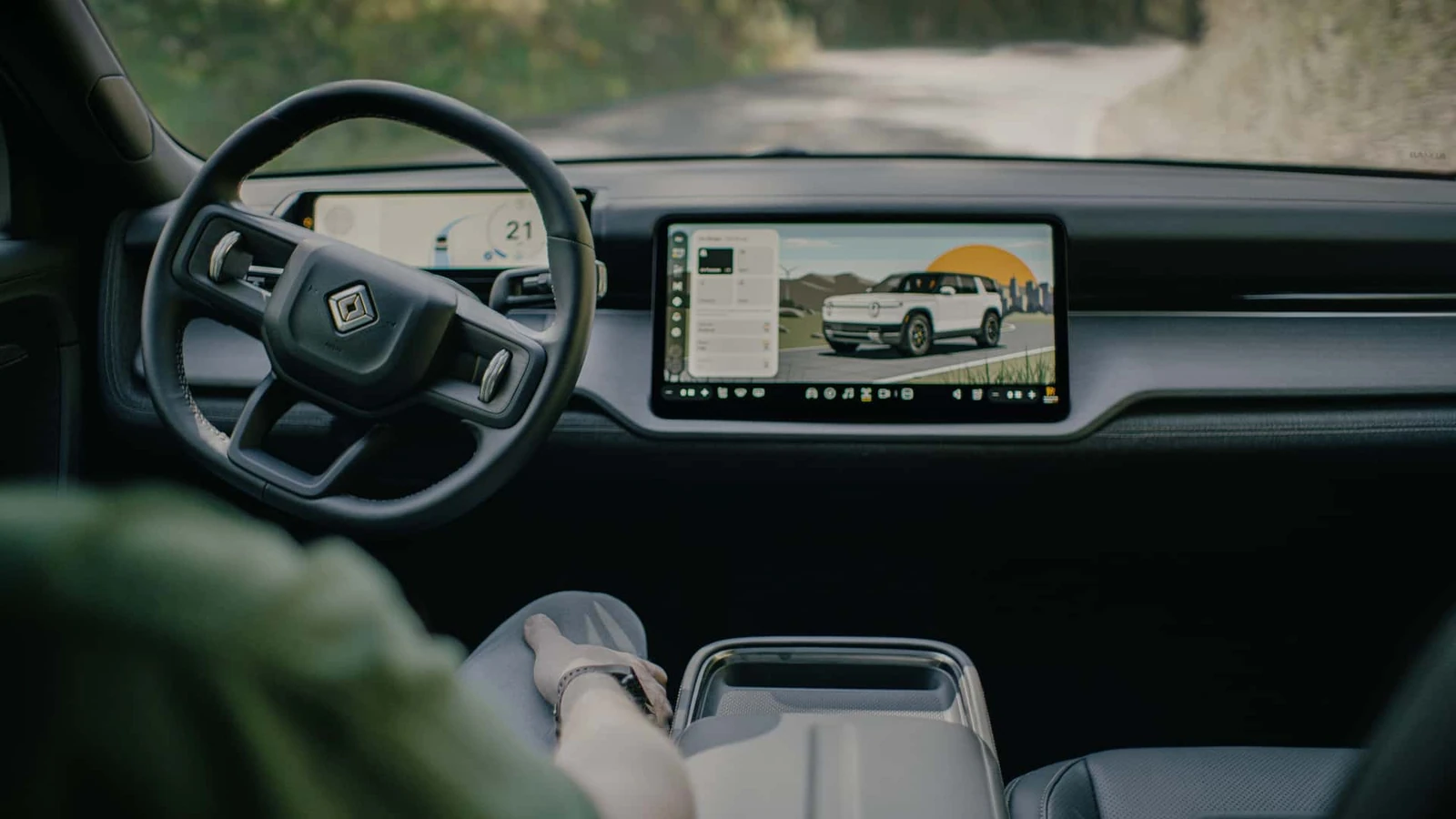
Rivian opens Autonomy Early Access Program to R2 and Gen 2 R1 owners in two states

Applicants must live in California or Florida, hold a paid Autonomy+ subscription and pass a driving safety review to beta test point-to-point assisted driving.

Rivian has started inviting owners to join its Autonomy Early Access Program, a selective beta for its point-to-point assisted driving software, and will begin reviewing applicants this week. The program is limited to owners in California and Florida for now, and access depends on vehicle generation, subscription status and driving record rather than a simple sign-up.

A Rivian spokesperson confirmed to InsideEVs that the Early Access Program is focused entirely on the company's Point to Point autonomy system. Rivian has not set a deadline for how many owners it will enroll, or how long the program will run, but says it plans to scale rapidly and later make the features available for new vehicle test drives.

Who qualifies for the beta

Rivian is accepting applicants only from California or Florida at the outset, though that is expected to change later. Owners in other states can still register interest so the company can decide where to expand next.

On the vehicle side, testers need one of Rivian's new R2 electric SUVs or an R1 vehicle built on the Gen 2 platform. Gen 1 R1 owners are excluded. A paid Autonomy+ subscription is also required, and Rivian says it will weigh how frequently an owner uses its existing autonomy features.

Safety screening goes further than most beta programs. Rivian says it will review an owner's driving safety score, which evaluates in-car events including forward collision warnings, true collision events and other safety-related metrics. According to RivianTrackr, the program terms also let the company examine driving history for DUI, reckless driving, license suspension, major moving violations or at-fault accidents.

Once enrolled, participants are expected to use the point-to-point features weekly, provide feedback through surveys, log any issues and share certain data under a non-disclosure agreement. RivianTrackr reports that the agreement covers location and camera data.

The catch is that paying for Autonomy+ gets an owner no closer to a place in the program on its own. Rivian is choosing testers on behaviour and hardware, which should give it feedback from drivers already using its assistance features regularly rather than from anyone who happens to subscribe.

Point-to-point driving and what comes next

The system is a point-to-point, eyes-on assisted driving setup in the same category as Tesla's Full Self-Driving. Rivian has kept most details of the program and the point-to-point features under wraps so far.

More should be confirmed soon: Rivian's AI & Autonomy Day is scheduled for December 9, and the company says the event is "all about" Autonomy+. That is roughly three weeks away, so owners and onlookers should get key details then.

Rivian began gauging interest in the program last month, asking owners to signal whether they wanted to be among the first to try the point-to-point software. Owners who meet the criteria can register their interest through their Rivian account for a chance to be selected.

Rivian has not announced how much the program costs beyond the required Autonomy+ subscription, and it has not said how many owners it will accept. For now, the practical step for an eligible owner in California or Florida is to register interest and let the safety score and subscription history do the rest.
Open this article ↗
Industry / TDCN ORIGINAL

Volkswagen ID. Polo waits stretch to 21 months as cheap grades slip down the build order

A German report says the ID. Polo's 2027 allocation is largely sold out, with entry-level Trend versions pushed to the back of the Martorell production schedule.

Volkswagen's ID. Polo is facing delivery waits of up to 21 months in Europe, according to a report from German publication EDISON, as demand for the group's new small electric car family outruns production at the Martorell plant in Spain. Official communications quote seven to nine months, but insiders cited by the publication say the real figure runs past a year depending on which variant a buyer orders.

The bottleneck follows a surge in orders. At the Paris motor show last month, the Volkswagen Group said it had taken close to 150,000 orders across its Electric Urban Car Family, which spans the Cupra Raval, Volkswagen ID. Polo, ID. Cross and Skoda Epiq. Cupra says the Raval alone accounts for 50,000 orders since it went on sale in April, while EDISON reports the ID. Polo's order bank has nearly doubled from the 30,000 reported in mid-September.

Cheaper trims bear the brunt

The longest waits fall on the least expensive cars. According to EDISON, the plant will prioritise higher-grade variants because they carry better margins, with an unnamed Volkswagen manager telling the publication that more affordable versions "just clog up the line". The entry-level ID. Polo Trend grades have reportedly been pushed to the very bottom of the production schedule, stretching delivery to as much as 21 months, while the ID. Polo GTI is said to be around seven months.

That gap matters more than a single waiting time suggests. Buyers chasing the cheapest ID. Polo are the ones most exposed to the delay, and in Germany the timing is not neutral: the country's electric car subsidy of up to €6000 (about A$9800) is only guaranteed if the vehicle is registered in 2027. With almost all of the ID. Polo's allocated 2027 production reported as sold out, some German customers risk losing the incentive that made the car's entry price work for them.

Volkswagen is not presenting the situation as a forecasting triumph. "We clearly planned too conservatively," an unnamed company representative told EDISON.

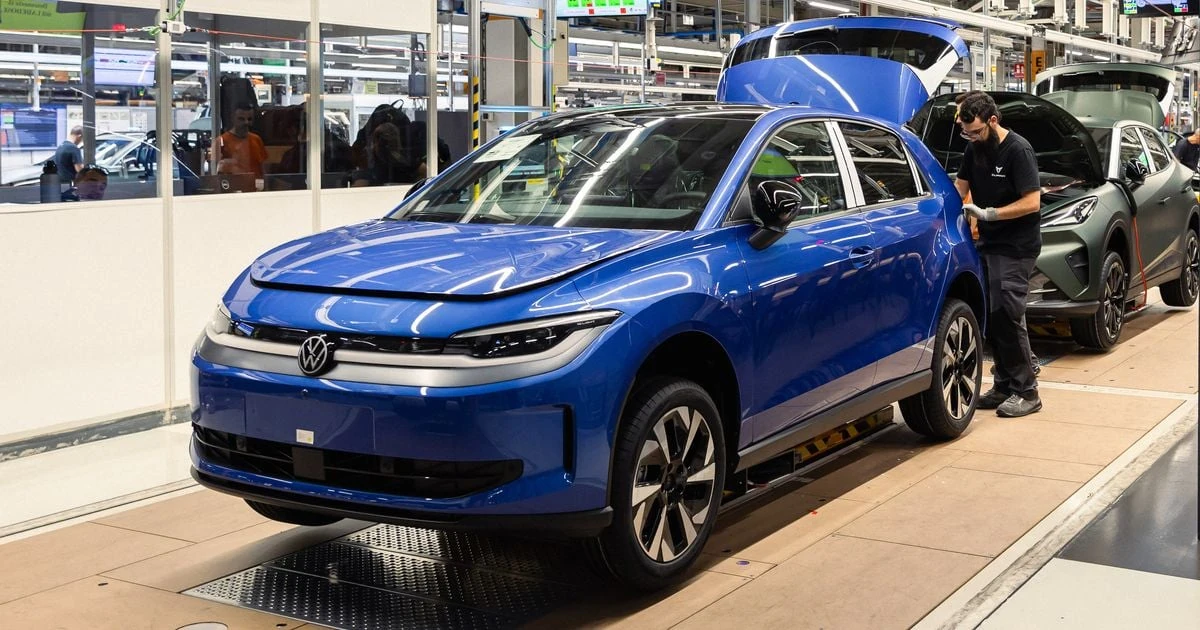
The ID. Polo in showroom guise — the cheap grades buyers are waiting longest for
The ID. Polo in showroom guise, the cheap grades buyers are waiting longest for, Image: CarExpert

A plant split down the middle

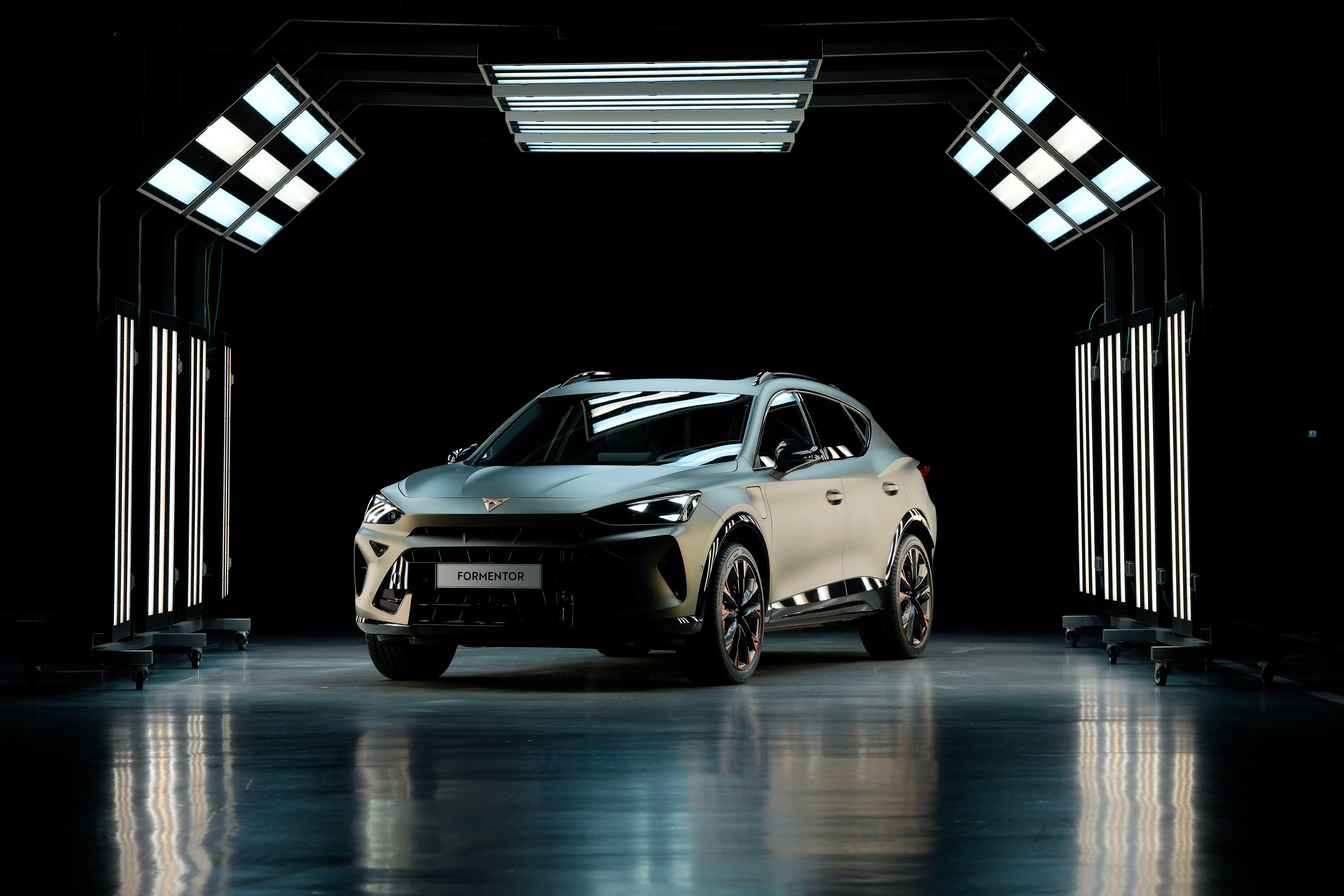
Martorell currently has capacity for 600,000 units a year, with roughly half reserved for electric vehicles and the rest given over to the Cupra Leon and Formentor and the SEAT-badged Leon, Arona and Ibiza. EDISON reports that the 50:50 split may have to shift next year in favour of EVs, at the expense of the combustion and hybrid lines, to bring delivery times down.

Cupra, for its part, is quoting a maximum of "only" 25 weeks for the Raval. The contrast with the ID. Polo's reported waits is a reminder that these are sibling models built under the same roof, and that the queue a buyer joins depends on the badge on the nose and the trim level underneath it.

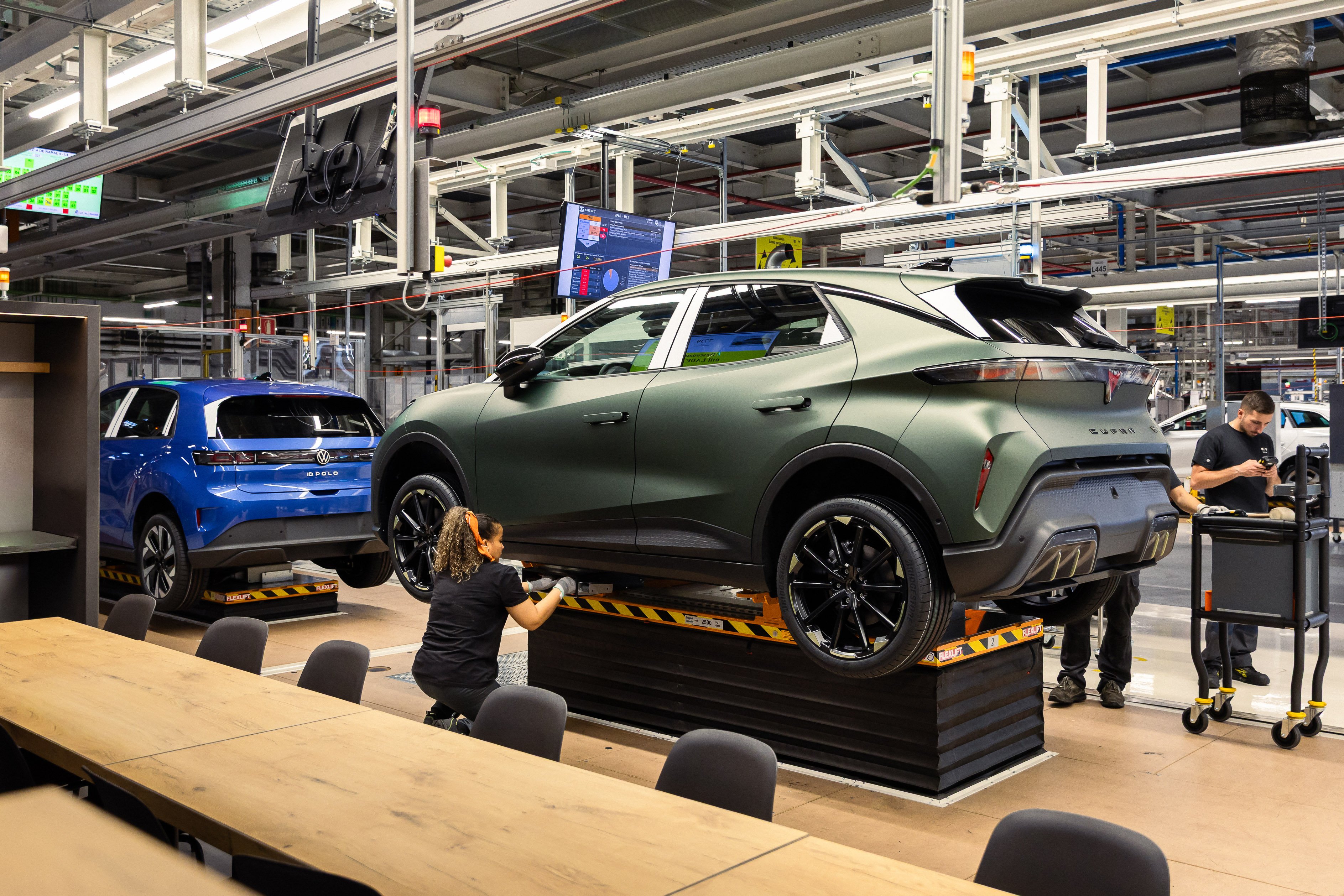
ID. Polo production line: workers check finished cars as build slots are reallocated
ID. Polo production line: workers check finished cars as build slots are reallocated, Image: CarExpert

What it means for Australia

It is not yet clear whether the European backlog will delay the potential Australian introduction of the Cupra Raval and Volkswagen ID. Polo. Pricing for the ID. Polo has not been announced for Australia, and the sources here give no Australian figure; the €6000 subsidy and the euro amounts quoted apply to the German market.

The order numbers explain why the queue exists at all. A small electric car family that collects close to 150,000 orders in a matter of months has found demand well beyond what Martorell was set up to build, and the fix being weighed is a rebalancing of the plant rather than extra capacity. For now, the practical advice for European buyers is blunt: the version you can afford may be the one you wait longest for.

Robots lift a body shell at the plant, where line allocation decides who waits
Robots lift a body shell at the plant, where line allocation decides who waits, Image: CarExpert
Open this article ↗

Keep scrolling to read the next story.

Older articles →