INDEPENDENT AUTOMOTIVE NEWSGLOBAL PERSPECTIVE / AUSTRALIAN EDITION
TDCNTHE DAILY
CAR NEWS.

The road ahead.
Every day.

RSS ↗
Latest/Electric

621 original articles

Electric / TDCN ORIGINAL

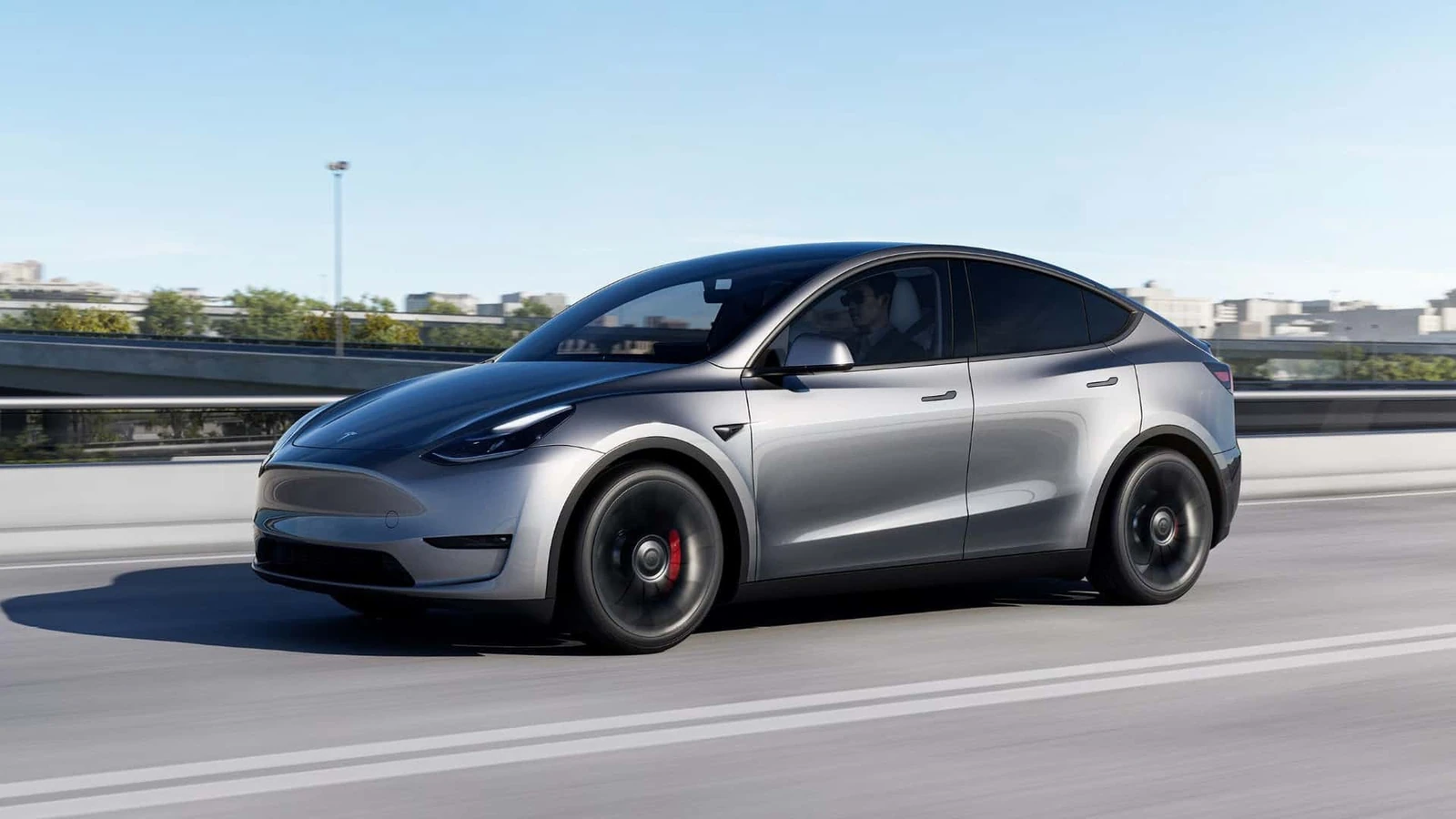
Tesla Model Y ranks last in German roadworthiness report as 18.5% fail first inspection

TÜV inspectors flagged worn suspension joints 24 times as often as on comparable cars, while the Mazda MX-30 EV placed third overall with a 3% failure rate.

The Tesla Model Y finished last out of 109 models in Germany's latest TÜV roadworthiness report, with major defects found on 18.5% of examples brought in for their first mandatory inspection. That is nearly triple the 6.4% average for cars of the same age and up from 17.3% a year earlier, the second consecutive year the Model Y has placed bottom of the ranking.

The findings come from TÜV's analysis of 9.7 million mandatory inspections carried out between July 2025 and June 2026, with the sharpest comparisons drawn among roughly three-year-old cars coming in for their first check.

What inspectors found on the Model Y

Worn suspension joints were flagged on Model Ys 24 times as often as on comparable cars, and defective brake discs turned up on 3.4% of the electric SUVs against a 1% average for the age group. Front lighting also drew more complaints than usual.

No model in that age group has recorded a worse first-inspection result since the 2015 edition of the report.

Mileage offers only part of an explanation. The Model Ys had covered an average of 36,000 miles (58,000 km) by the time they were inspected, against 29,200 miles (47,000 km) for the average car in the group. That is higher than typical, but not enough on its own to account for a failure rate nearly three times the norm.

The Mazda MX-30 and MG4 results

The Mazda MX-30 recorded a 3% failure rate, placing third overall behind the Mazda CX-60 and Mercedes-Benz GLA. Its average mileage of 16,200 miles (26,000 km) was less than half the Model Y's, so the two results are not a like-for-like durability comparison.

The MG4 became the first car from a Chinese automaker to appear in the report and finished second from the bottom with a 16% failure rate, despite averaging only 23,000 miles (37,000 km). Inspectors flagged brake discs on 10.3% of MG4s, about ten times the average, and suspension defects were unusually common. The Tesla Model 3 sat just ahead of the MG4 at 12.5%, on an average of 34,200 miles (55,000 km).

EVs took three of the six vehicle classes in the report, yet also filled the bottom three places in the overall ranking. That split is the more useful signal for buyers: electric powertrains are not the problem, but wear items such as suspension components and brakes deserve a close look on a used EV.

Why the German result sits awkwardly with US reliability data

The Model Y's showing runs against its reputation in the United States, where Consumer Reports ranked it the most reliable new EV. That survey rests on owners reporting problems they have encountered, whereas TÜV inspectors can detect play in a suspension joint a driver has not noticed.

Consumer Reports' own data also separates new from used: Tesla finished last as a brand in its survey of five- to ten-year-old cars. For anyone shopping a three-year-old Model Y, the German inspection record is the more directly relevant evidence.

Which Model Y the results cover

The TÜV findings apply to the Model Y built before the Juniper refresh. The updated car's softer suspension and new frequency-selective dampers made it noticeably more comfortable on test, but whether that setup wears better will only become clear as those cars accumulate miles and reach their own first inspections.

What buyers should take from it

The practical lesson is that a pre-Juniper Model Y warrants a proper suspension and brake inspection before purchase, particularly given how far some examples have travelled in three years. The report does not establish that the Model Y is an unreliable car in the round; it shows that a specific set of wear components has been failing at an unusually high rate on German roads.

TÜV has not published a breakdown of how the Juniper cars are faring, since they are not yet old enough to appear in meaningful numbers.
Open this article ↗
New cars / TDCN ORIGINAL

Bentley names Hiroshi Fujiwara's Fragment Design as first Torcal commission

Mulliner will build 20 Beluga-finished Torcal First Editions with two-tone leather cabins, and Bentley has not said what each one costs.

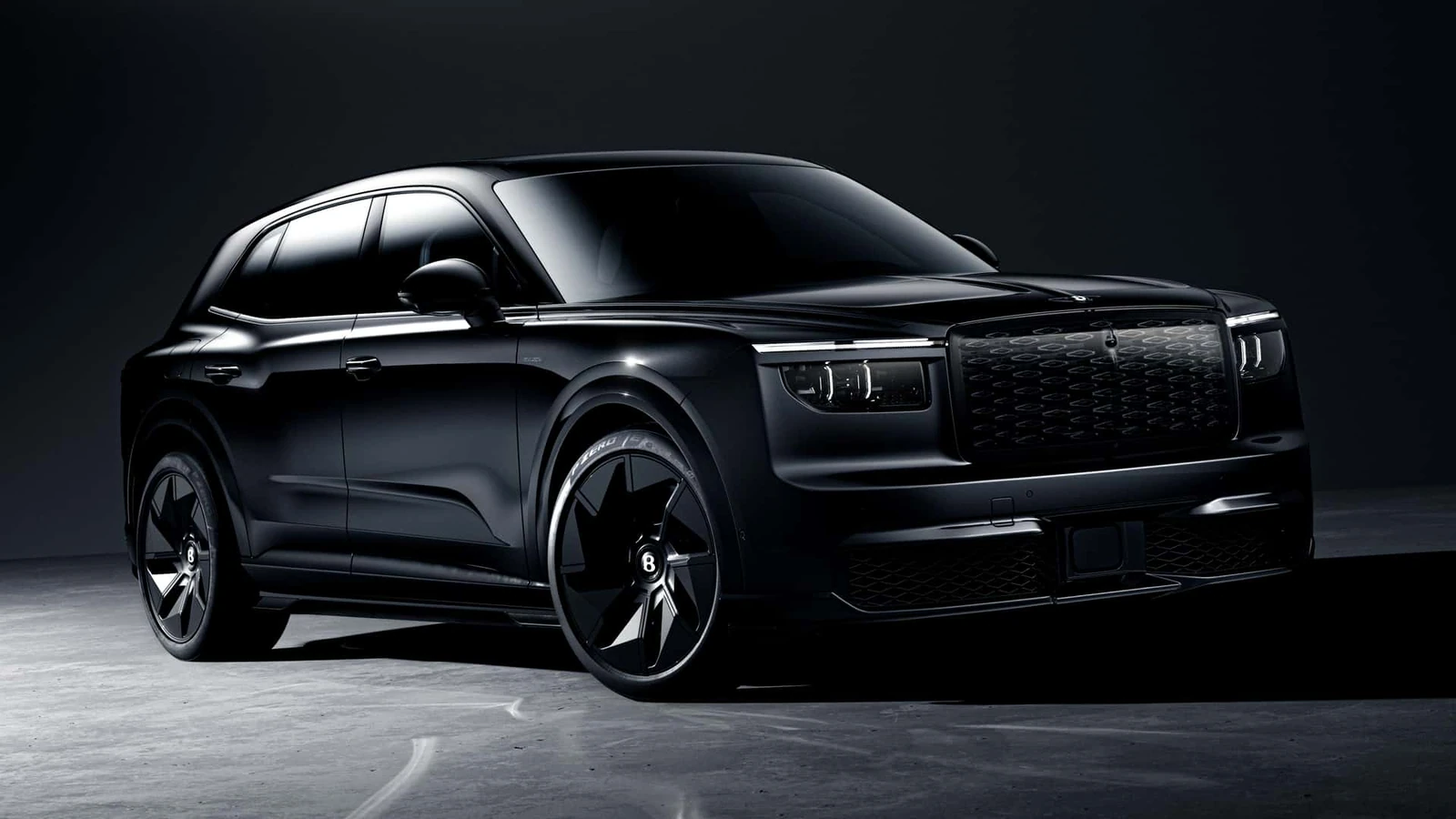
Image: Motor1

Bentley has confirmed Hiroshi Fujiwara and his Fragment Design label as the author of the first bespoke commission on the electric Torcal, a 20-car run built by Mulliner on the Torcal First Edition. The Tokyo designer, who founded Fragment Design in 2003, has also signed on as a global brand ambassador for the British marque.

The FRGMT commission gives every car the same solid Beluga paint, black-finished 22-inch Vortex wheels and Anthracite Satin body accents, with FRGMT branding on the front fenders and rear. Inside, Mulliner has split the cabin between Imperial Blue and Beluga hides stitched by hand, with piano black veneers and Bentley x FRGMT treadplates and door trim graphics.

A dark palette in place of chrome

Bentley describes the look as deliberately quiet, a monochromatic treatment that departs from the brighter, chrome-heavy finishes usually associated with Mulliner commissions. The company framed the project as a demonstration of what its bespoke arm can do with a single collaborator, saying the commission "showcases Bentley's ability to work closely with customers to transform individual ideas into one-of-one expressions of luxury".

Fujiwara is not a newcomer to the brand. He has previously owned a Continental GT and, according to Bentley, was struck by the Mulliner team's attention to detail during a visit to the Crewe factory in England. His four decades across fashion, music and design, and Fragment Design's mostly black-and-white aesthetic, run through the car inside and out.

Twenty cars, no two alike

The run is capped at 20 units worldwide, and Bentley says no two buyers will get identical options despite the shared exterior and Mulliner-finished cabin. The commission follows other recent Mulliner special editions, including the Olympia collection marking a 1926 milestone and a Continental GT tribute model built earlier this year.

Bentley has not disclosed how many of the 20 cars are still available, nor what the commission costs. The standard Torcal starts above $220,000 in the United States, the Torcal S passes $260,000 and the First Edition on which this car is based tops $300,000, so the FRGMT build should sit well above that last figure.

That pricing gap is the practical question for anyone considering one. Buyers are paying for a Mulliner-built interior and a designer's signature rather than extra output or hardware, since the commission is a trim and trim-finish exercise on an existing First Edition. Bentley's own positioning of the car as a one-off expression of a collaborator's ideas, rather than a performance variant, supports that reading.

Where the Torcal stands

The Torcal is Bentley's first EV, and demand has already run ahead of supply: the model is sold out through 2027, with new Torcal buyers facing a wait until 2028. The car has also completed 621,000 miles of extreme testing, according to Bentley.

For the 20 FRGMT customers, the practical consequence is that the commission's arrival does not shorten the queue. The design work is done and the specification is set, but the cars still have to be built alongside the rest of the Torcal order book.

Open this article ↗

Keep scrolling to read the next story.

Older articles →